
The Do’s And Don’ts Of Spending Money In Your 20s

For most people, 20s was the decade that defined who they became for the rest of their lives. It is the era of endless exploration and distinctive decision-making. Not to mention, it is the time that you establish your spending habits.

If you are in your 20s right now…take the time to invest in yourself, to learn about personal finance, and to get on the right track. Start by observing the healthy financial habits and diminishing the unhealthy financial habits.

THE DO’S

1. DO THIS FIRST OF ALL

The first step you must take is to establish a realistic and beneficial budget. Instead of perceiving it as something that limits your spending, perceive it as a tool that encourages you to live within your means.

Begin by listing down your expenses (i.e., fixed and variable), your income, and debts. Your cash flow for the previous weeks will help you setup your budget. Do not panic if you still have to pay your student loan because your budget will help you plan your income allocation.

2. DO EDUCATE YOURSELF

Read and understand materials about self-empowerment, investment, and money management. Here are four books to get you started with:

“The War of Art” by Steven Pressfield
“Why Stocks Go Up and Down” by William Pike
“The Intelligent Investor” by Benjamin Graham
“Turning Pro” by Steven Pressfield

3. DO PRACTICE COOKING

With the pervasive technology, it is possible to learn just about anything! If you want to save money on eating out (especially if you are living on your own), it is best to learn how to cook. Convince your 20-something self that it is about time to practice cooking simple meals such as Omelet, Carbonara, and Chicken Rice. Remember that aside from rent, your food expenses make the largest impact on your budget.

Image Credits: crateandbarrel.com

Image Credits: crateandbarrel.com

THE DON’TS

1. DO NOT SPEND TOO MUCH ON CIGARETTES

As you know, Singapore is one of the cities that sell expensive cigarettes. And if you are caught smoking one in a restricted place, you are bound to pay a hefty price of S$200-1,000. Aside from its high cost, you are at risk of paying costly health care fees (e.g.,due to lung cancer). So think twice before you light one!

2. DO NOT BOOST YOUR CREDIT CARD DEBT

Aside from splurging your money, another unhealthy habit that you have to stop is not paying off your credit card. The bad credit decisions you made in your 20s can haunt you in the future. For example, it can affect whether or not you are able to get a loan to buy a car.

3. DO NOT SPLURGE FOR “EXPERIENCES” ALONE

Millennials have shifted their spending patterns to experiences rather than material goods. However, if you solely spend your hard-earned cash to pay for your travel without the consideration of your savings, everything can go down hill. Saving money is important not only because emergencies happen but also because retirement is inevitable.

Image Credits: pixabay.com (CC0 Public Domain)


Image Credits: pixabay.com (CC0 Public Domain)

Sources:  1 & 2

Read More...

Personalities That Affect Your Success At Wealth Management

A wealth manager offers a high-level professional service which combines investment advice, accounting services, tax services, retirement planning, and legal planning. Generally speaking, wealth management is more than just about investments as it encompasses all the areas of one’s financial life.

Because of the pervasive nature of wealth management, a crucial factor affecting its success is your personality. Understanding your own personality toward money will help you identify the factors that are beneficial and harmful to your wealth. Start identifying which personality category you belong to. This can increase your self-awareness as well as take the right wealth management plan.

THE IMPULSIVE BUYER

A prey to bargains and sales, an impulsive buyer is a person who hates shopping lists and likes to go with the flow. He or she achieves psychological gratification through spending money on things that are often unnecessary. The urge to spend is usually regretted.

Image Credits: pixabay.com (CC0 Public Domain)
Image Credits: pixabay.com (CC0 Public Domain)

Solution: Remove the immediate ability to spend by keeping all your credit cards at home and by bringing nothing but a substantial amount of cash.

THE UNCONTROLLABLE DEBTOR

Falling under the umbrella of spenders, the uncontrollable debtor borrows money that he or she will readily spend. They are at risk of incurring high amounts of debts, impaling their credit score, and bankruptcy itself. With an outstanding amounts of debts, no successful wealth management can take place.

Image Credits: pixabay.com (CC0 Public Domain)

Image Credits: pixabay.com (CC0 Public Domain)
Solution: Identify all your debts and rank them according to interests. Start by ceasing the debts with higher interests and progress from there.

THE CAUTIOUS MANAGER

Unlike the two personalities mentioned above, the cautious manager likes lists and plans. People in this category also love to spot the greatest deals for their money.

Personally, I consider myself as a cautious manager. I keep track of my monthly expenses in order to analyze my spending habits. In terms of my wealth management efforts, I am very conservative that I invested my money on Mutual Funds (Bonds) alone.

Image Credits: pixabay.com (CC0 Public Domain)

Image Credits: pixabay.com (CC0 Public Domain)

Solution: As you take lesser risks, look for the savings account that offer the highest interest rates.

THE SMART INVESTOR

The smart investor is capable of managing his or her own money well. People under this category have a clearer understanding of their financial situation and they are actively putting their money to work.

Solution: Improve your knowledge on in-depth topics on investments and wealth management through several resources such as books and online articles.

Image Credits: pixabay.com (CC0 Public Domain)

Image Credits: pixabay.com (CC0 Public Domain)

Sources:1 & 2

Read More...

9 Smartest Ways To Save Money As An Individual Or An Entrepreneur

IMPROVE YOUR PERSONAL FINANCE

1. ELIMINATE AN EXPENSE

Spend at least 5 minutes on examining your last month’s utilities bill or last month’s credit card statement. Use your hawk eyes to look for one unnecessary expense that you can reduce. Whether it is the unusable gym membership or the expensive dinners at the restaurants, you must commit on eliminating it and saving more.

2. KEEP THINGS SIMPLE

Save more on clothing and handbags by keeping your closet “simple”. You do not have to wear the same outfit everyday like Facebook’s founder Mark Zuckerberg or Apple’s late founder Steve Jobs, just save money by avoiding costly designer clothing and purchasing during year-round sales.

3. SHOP AROUND FOR MEDICATIONS

When prescribed with medications, carefully compare the prices from the different providers to get the best price. According to Ministry of Health guidelines, every patient must get an itemized medication bill. To save more, ask your physician if there is a cheaper yet equally efficient alternative especially if you are taking medications on a long-term basis.

CUT DOWN YOUR HOME EXPENSES

4. DE-CLUTTER AND EARN

Save money by increasing your income through de-cluttering. Clean the clutter in your closet and find the things that you deem to be unused or underused because you can sell them online. The old clothing articles of your children as well as your old devices that are still in good condition can be sold too. Sell your items to the global marketplaces such as eBay, Carousell, and Gumtree.

5. CONSUME THE LEFTOVERS

Save the unconsumed food when you either ordered too much restaurant food or when you cooked excessively. Regularly label these leftovers so you can keep track of how long it has been in your refrigerator.

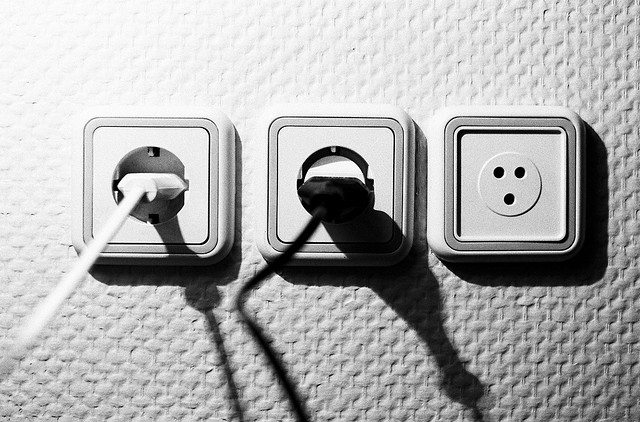
6. UNPLUG REGULARLY

Even if you turn off the switches, your appliances and electronics will continue to consume energy and spike your tariff. So reduce your bills by unplug your cables and electronics when not in use.

How to save on your electricity bills?

Image Credits: moneydigest.sg/wp-content/uploads/2014/12/4153368583_15706e04a2_z.jpg

Instead of leaving the TV on as a background noise, consider using your hand phone as a radio. This small daily act can save you a month’s worth of major electricity.

LOWER YOUR BUSINESS COSTS

7. TAKE ADVANTAGE OF CHEAP ADVERTISING

Use free websites to post your ads. Online classifieds are a good choice as these are cost-effective, convenient to relay contact, visible to a large-scale of consumers, and the you are able to edit a listing anytime. Browse a list of good advertising websites here.

8. EMBRACE MODERN TECHNOLOGY

Instead of buying bulky desktop computers, invest on laptops as they are not only less expensive but they also consume less energy. Whenever possible, use these laptops and Internet tools to communicate effectively. For example, if you are planning to call your international client, call them through Facebook’s free video chat.

9. IDENTIFY THE TAX DEDUCTIBLES

As an entrepreneur, it is important to know the types of tax breaks, reliefs, and deductions you can take. In fact, budding businesses can avail the Tax Exemption Scheme For New Start-Up Companies as well as the Angel Investors Tax Deduction Scheme.

Image Credits: pixabay.com (CC0 Public Domain)
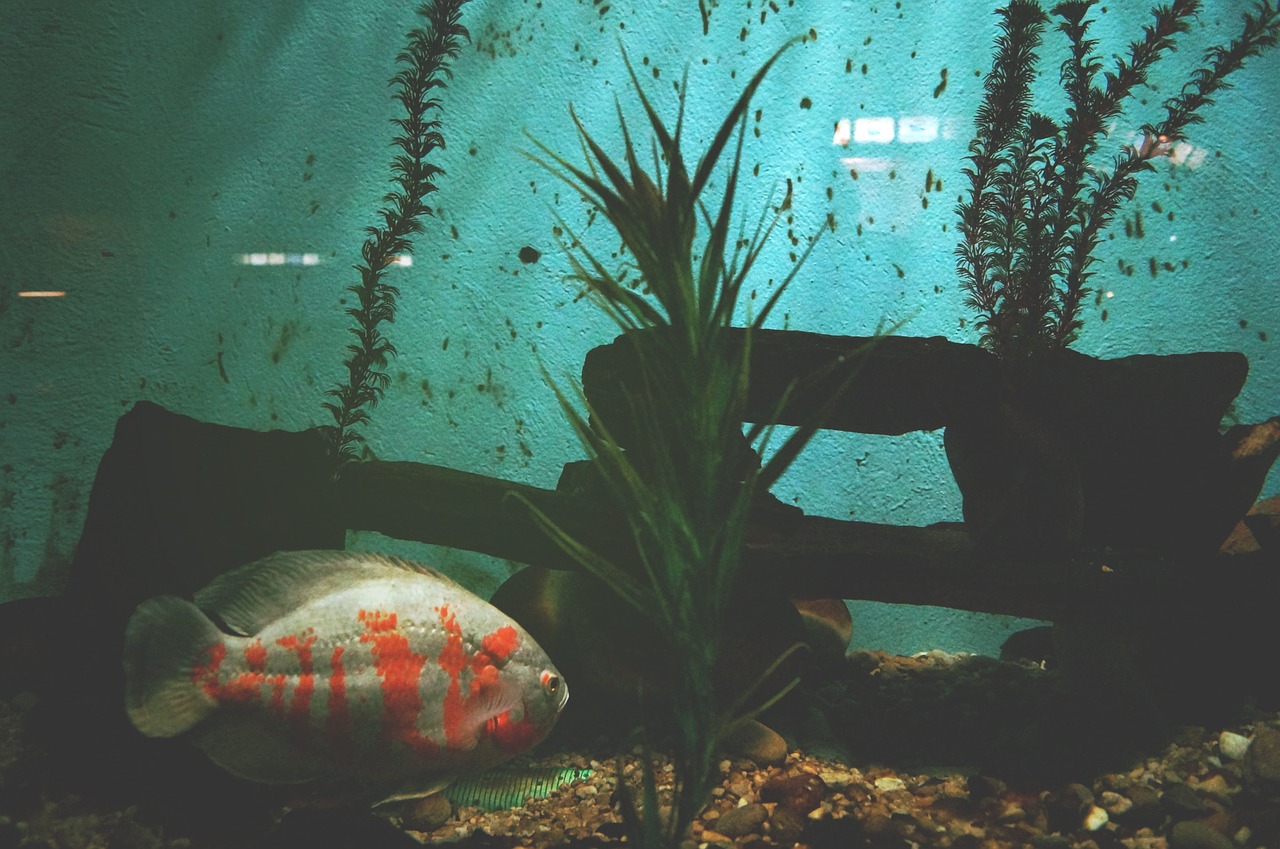
Image Credits: pixabay.com (CC0 Public Domain)

Educate yourself about the tax deductibles by visiting iras.gov.sg.

Read More...

5 Efficiently Quick Ways To Beat Financial Stress

These days, there is no shortage of reasons why people are anxious about money. From higher unemployment rate to expensive school fees, everyone has their own share of financial stressors. And these accumulated stress can be detrimental to one’s health when not managed.

On that note, here are simple ways to conquer your inner beast:

1. DETERMINE WHAT STRESSES YOU OUT

Spare at least 10 minutes of your time to identify what triggers your financial stress. Whether it is dealing with your horrific credit card balance or realizing that you are barely hanging onto your job, write down your three greatest financial stressors at the moment. It is important to keep the list short to avoid feeling overwhelmed.

2. CHANGE YOUR MINDSET

Staying positive in a seemingly challenging financial situation can help you get your thoughts together and motivate you to change. Rather than mourning about your piles of debt, visualize how great your life can be with less of them. Then, repeat an internal dialogue that aims to conquer that stressor. For instance, you may vow to spend about S$100 less each month in order for you to pay more for your debts.

3. FOCUS ON SMALL AND SUSTAINABLE GOALS

You do not have to beat your financial stress head-on immediately. Just as crash diets can lead to burnout, overly ambitious financial goals can lead to quitting. So sustain your goals by identifying what you can actually achieve each day and each month.

4. REWARD YOURSELF

Set a realistic budget and reward yourself for sticking by it. Alvin Hall, an author and a financial commentator on BBC TV, once said that a helpful way to lower your stress is to purchase something that has a long-lasting positive personal effect…for the least amount of money. Personally, visiting museums that display exceptional art uplifts my spirits while costing me S$0-20 only!

If you cannot think of any rewards right now, consider reading this guide: “36 Things You Can Do In Singapore, Aside From Spending Too Much Money”.

5. WRITE DOWN WHAT YOU ARE GRATEFUL FOR

Before you fall into a deep slumber, write down at least three things that you are thankful for. This changes your focus from your financial stressors to the beautiful things that you might have taken for granted throughout the day. It does not have to be a big thing!

This quickie activity is focused on giving you a positive strategy to cope with life’s difficulties.

Image Credits: pixabay.com (CC0 Public Domain)

Image Credits: pixabay.com (CC0 Public Domain)

If all else fails, do not hesitate to seek help from your friends, family, or financial professionals.

Sources: 1, 2, 3, & 4

Read More...

Genius Ways To Hide Your Cash In Case Of Emergencies

No matter how safe Singapore can be, unforeseen events in the form of natural catastrophes, bad power outage, credit/debit card decline, or even theft can happen. Whether you call it secret stash or emergency fund, keeping a substantial amount of cash in your home is a must to handle the demands of these unforeseen events.

As people get clever in time, the old “putting it under your mattress” trick does not work anymore! Instead, consider these Genius Ways To Hide Your Cash At Home:

1. CREATING FALSE STRUCTURES

If you have a knack for the tools, consider an intensive Do-It-Yourself project of faking fixtures around your house. You can install a drain pipe or a power outlet in your room that doubles as a secret safe. Worry not if you are not too good of a craftsman as some online shops sell installation-ready disguised safes.

For example, you may purchase the Hidden Wall Safe that acts as a non-functioning outlet with a hidden compartment to keep your valuables such as cash, cards, and jewelry.

2. DISGUISING IN PLAIN SIGHT

Keeping your money scattered in the most unexpected places is a good theft-proof strategy. Contemplate on the best places to hide your money where no one else would look. If you are an avid fan of books, pick a “random” book in your cabinet and cut a space in the middle where you can store your cash. Then, put it back where it belongs.

Here are other easy tricks you may follow:

a. Push the lint brush/roller’s handle up and put your cash inside.
b. Stuff your money inside a jar of cotton balls.
c. Put your money (rolled with a rubber band around it) inside an empty medicine or vitamins bottle and seal it well.

3. SWIMMING WITH THE FISHES

If you have a relatively large aquarium at your house, consider putting rolled up cash inside a watertight solid-colored jar inside it. Keep it hidden among the seaweeds, rocks, ruins, and corals so that it is as concealed as much as possible.

Image Credits: pixabay.com (CC0 Public Domain)

Image Credits: pixabay.com (CC0 Public Domain)

Alternatively, you may put your watertight jar of money inside the toilet tank.

Sources: 1 & 2

Read More...