iPhone 17 and iPhone Air: Upgrade Now or Skip It?

Apple is once again reshaping its flagship lineup with the debut of the iPhone Air, an ultra thin and futuristic take on the iPhone, alongside the more familiar iPhone 17. Both devices promise sharper displays, faster chips, and tougher materials. But in a market where annual upgrades often feel incremental, the real question for Singaporean consumers is whether they are worth it.

THE THINNEST IPHONE AIR

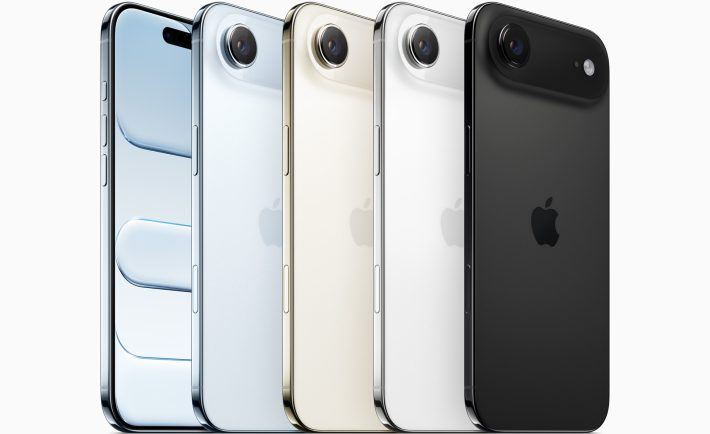
The iPhone Air is Apple’s boldest bet yet. With a titanium build, a featherlight frame, and Ceramic Shield 2 protection, it is built to turn heads. The 6.5 inch Super Retina XDR display with ProMotion is dazzling, and the new A19 Pro chip pushes performance while conserving power, making it Apple’s most efficient iPhone to date.

Image Credits: www.apple.com

But the Air comes with trade offs. With only one rear camera, a single speaker, and less emphasis on pro level photography, it is clear Apple is targeting users who value portability and design over a full feature set. Available in Cloud White, Light Gold, Sky Blue, and Space Black, the Air is the iPhone for those who want something different and are willing to compromise.

THE SOLID UPGRADE TO IPHONE 17

The iPhone 17 stays closer to tradition. Its 6.3 inch Super Retina XDR display and thinner borders make it sleek yet familiar, while the 48MP Fusion Main and Ultra Wide cameras deliver sharper shots with improved low light performance. With 256GB of base storage, A19 chip integration for Apple Intelligence features, and faster charging that delivers 8 hours of playback in just 10 minutes, the iPhone 17 feels like a polished evolution.
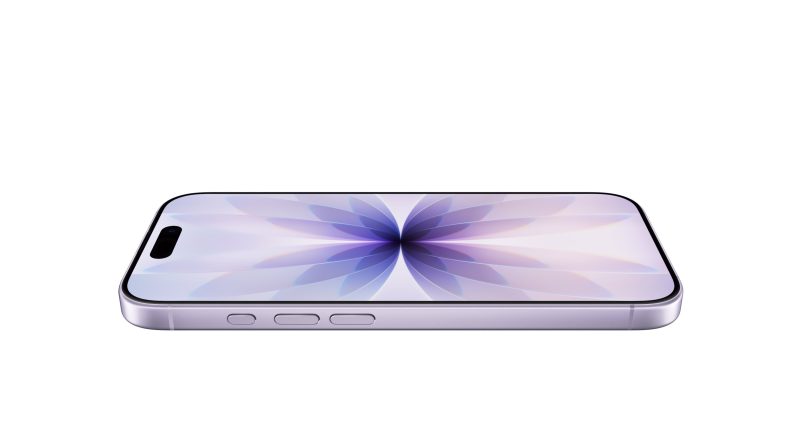
Image Credits: www.apple.com

Colors include Black, Lavender, Mist Blue, Sage, and White, offering more choice for those who prefer a classic yet reliable iPhone.

PRICING & LAUNCH IN SINGAPORE

Singapore telcos are rolling out the red carpet with their online pre-orders.

a. StarHub: Pre-orders are open online now. Retail launch is on 19 September, with select stores such as Paragon, NEX, Tampines Mall, and Westgate opening at 8:00am. Monthly plans start at S$76.13 for the iPhone 17 (256GB) and S$88.63 for the iPhone Air (256GB).

b. Singtel: Pre-orders are available online with Enhanced XS plans starting at S$62 per month for both models. Early subscribers can get up to S$685 off with promo plans, vouchers valid until 19 September.

SHOULD YOU UPGRADE?

For most people, the iPhone 17 series will feel like an incremental step forward with faster performance, tougher materials, better cameras, and Apple Intelligence built in. If you are still on an iPhone 15 or 16, you may want to wait. But if your device is two generations old or more, the jump in performance, durability, and AI features may justify the upgrade.

Image Credits: www.apple.com

The iPhone 17 is the safer buy since it is balanced, feature packed, and designed to last. The iPhone Air, however, is a statement piece that looks and feels futuristic, though it may leave power users missing key features. So, if you value practicality, choose the iPhone 17. If you value style and thinness above all else, the iPhone Air might be your next status symbol.
Sources: 1 & 2


Read More...

What Do We Expect to See from the iPhone 14 Models

Apple is set to unveil the newest iPhone models during its event on 7 September 2022. Analysts and Apple fans have been buzzing about this launch event dubbed “Far Out”. For those of you who are in the market for a new phone, should you buy a new device right now or wait for the iPhone 14?

THE RUMORED IPHONE 14 PRO MAX

It is expected that Apple will add another 6.7-inch iPhone to its lineup this year. This phone will reportedly be a bigger version of the standard iPhone 14. Adding another 6.7-inch phone to the lineup could diminish the iPhone 14 Pro Max’s appeal. Is it necessary? Keep in mind that consumers are cutting back on spending.

To make the iPhone 14 Pro Max stand out, it is rumored that it will have a higher resolution camera, a new processor, and a redesigned camera module on the front. However, those who love bigger displays won’t have to splurge on the Pro Max as Apple is expected to release a 6.7-inch iPhone 14 Max as well this year.

With inflation putting a dent in smartphone shipments, companies like Apple may have to work harder to convince its consumers to spend more money on high-end models.

DISTINCTIONS BETWEEN STANDARD AND PRO MODELS

If the rumors are true, iPhone 14 will have a new hole-punch and pill design for its camera module. This will be the first time Apple moves away from the iPhone X front-camera module look. The new design will be exclusive to the Pro models since the standard models will likely remain the same notch that iPhone 13 has. Analyst Ross Young also verifies this report.

A15 BIONIC CHIP FOR IPHONE 14 MODELS

Respected analyst Ming-Chi Kuo said Apple might steer away from tradition this year by releasing some iPhone 14 models with the same A15 chip as the iPhone 13. The A16 chip is believed to be reserved for the more expensive models such as the iPhone 14 Pro and iPhone 14 Pro Max. As of now, it is unclear whether Apple will rebrand the A15 Bionic chip for the standard iPhone 14 phones or instead use the more powerful version found in iPhone 13 Pro.

UPGRADE ON THE FRONT-FACING CAMERA

Bloomberg’s Mark Gurman claims that Apple’s iPhone 14 Pro will get a significant camera upgrade with the smartphone’s main sensor being improved to 48-megapixels. If this is accurate, this would be one of the biggest upgrades Apple has made to the iPhone in years.

Image Credits: unsplash.com

However, Gurman says that only the Pro models will get the 48-megapixel camera upgrade, while the standard iPhone 14 models will have the existing 12-megapixel main sensor. This is the same 12-megapixel main camera sensor since the release of iPhone 6s in 2015.

Sources: 1, 2, & 3

Read More...

4 Significant Improvements In The iPhone 13 Series

For the Apple enthusiasts, the long wait is over! Apple announced the new iPhone models in its annual conference, which is ahead of the holiday shopping season. This year’s virtual conference included the iPhone 13, iPhone 13 mini, and two Pro models with premium features that you will not find in the regular iPhone 13.

The iPhone 13 will retail from S$1,299 and the iPhone 13 Pro starts from S$1,649. As always, the Pro models are more expensive. These phones will be available in Singapore from September 24.

1. LONGER BATTERY LIFE

In a 2019 poll by SurveyMonkey, 76% of iPhone owners said longer battery life would get them excited about a phone upgrade. Let us see how that pans out because the iPhone 13 series comes with major batter life improvements.

The longer battery life is made possible by A15 Bionic, larger battery, more efficient components, and power optimizations from a deep integration of both hardware and software. In fact, iPhone 13 offers up to two and a half more hours in a day than iPhone 12. iPhone 13 mini, on the other hand, provides up to an hour and a half more power in a day than the iPhone 12 mini.

2. ELEVATED PRO LINEUP

Mr. Greg Joswiak, Apple’s Senior Vice President of Worldwide Marketing, said:

“iPhone 13 Pro and iPhone 13 Pro Max make up our most Pro iPhone lineup ever with the biggest advancement for our camera system, the best battery life ever in an iPhone, and the fastest performance of any smartphone. (It is) setting a new standard for iPhone and enabling incredible experiences never before possible…”

The new Pro models were redesigned inside and out. Both models introduce an all-new Super Retina XDR display with ProMotion featuring an adaptive refresh rate up to 120Hz. Your touch experience will be faster and more responsive. What’s more? The Pro camera systems has the new Ultra-Wide, Wide, and Telephoto cameras to help you capture stunning photos and video. All these are powered by the A15 Bionic.

3. IMPRESSIVE CINEMATIC MODE

Apple followed an extensive study of cinematography to create the Cinematic mode for its newly introduced iPhone series. You will be able to capture cinema-style moments without the training of a professional filmmaker. The focus can be changed during and after capturing pictures for creative control. Users can also adjust the level of bokeh in the Photos app and iMovie for iOS.

Cinematic mode records in Dolby Vision HDR and is enabled by A15 Bionic.

4. DIFFERENT CAMERA ARRAY

The iPhone 13 and iPhone 13 mini represent a leap in camera design with its advancements in hardware and computational photography to deliver stunning photos and videos. The camera array is arranged in a diagonal manner. You would be happy to know that the new Wide camera comes with the biggest sensor in the history of iPhone’s dual-camera system. Moreover, its camera system can gather 47% more light for less noise and brighter results!

We officially welcome you to the iPhone 13 series! Do you consider their longer battery life and cinematic camera mode as minor or major improvements? Write your thoughts on the comment section below.

Sources: 1 & 2

Read More...

Why Are Apple iPhones So Expensive?

Whenever Apple releases a new iPhone, it has been a tradition for Singaporean consumers to queue up in the nearest Apple retailer. Apple fans participate in a childish display of smartphone rivalry between iPhone and its Android smartphone counterparts. Whichever side you are on, one thing remains the same. iPhones are so expensive!

Its hefty price is probably due to a combination of the following factors.

#1: GAINING FULL CONTROL

Whether you like it or not, an Apple iPhone comes with its own “ecosystem”. Apple designs and engineers not only the hardware of the phone, but also its software. The company gains a full control of your user experience.

Buying an iPhone entails purchasing its built-in apps and services such as Wallet, Pages, iMessage, FaceTime, and iCloud. Competitors may argue that they have similar features, but most of them rely on Android operating systems made by different companies including Google. It is natural for Apple to raise the prices of its phones as making both the hardware and software of a phone is resource intensive!

#2: MARKETING IT WELL

One cannot deny that Apple has brilliant marketing strategies. It positions itself as a higher-end product above its competitors. It became a status symbol for Singaporeans of the modern generation. This branding has worked thus far. However, I cannot be certain about its future.

You may be under the impression that iPhone sales are growing. That is not always the case! For the last few years, iPhone’s sales growth has been 5 % or less.

#3: HAVING SOFTWARE ASSURANCE

When purchasing an iPhone, you are also paying for the longevity of its software. I am referring to the consistent iOS updates and upgrades. These updates and upgrades can be downloaded by the owners of previous generation iPhones and iPads too. For instance, I still receive the latest software updates and upgrades from my iPhone 6.

Although Google releases Android upgrades periodically, these may not be readily available for many Android smartphones. This is due to the fact that there is a wide variation in hardware features, software types, and manufacturer preferences between Android smartphones. This resulted in a shorter software assurance, especially for older or less popular smartphone models.

#4: PRODUCING IS COSTLY

Apple iPhones are made of costly components such as the Gorilla Glass. This is why the overall product costs of iPhones are higher than many of its competitors. Although an Android smartphone has similar or better specifications than an iPhone, the latter is still costlier to built.

As a case study, let us put a spotlight on the iPhone 6 and 6 Plus. iPhone 6 costs about US$200 to US$247 to manufacture. While, an iPhone 6 Plus ranges between US$216 to US$263 to produce. The production costs alone can increase the selling price!

Image Credits: pixabay.com

As of 2019, owning a new iPhone has never been more expensive. It is probably due to the aforementioned elements and more.

Sources: 1,2,& 3

Read More...

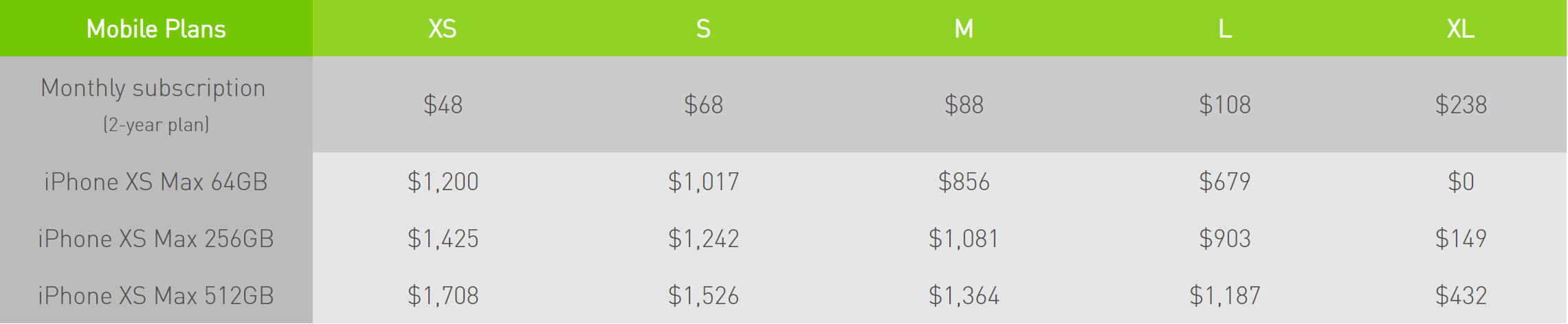
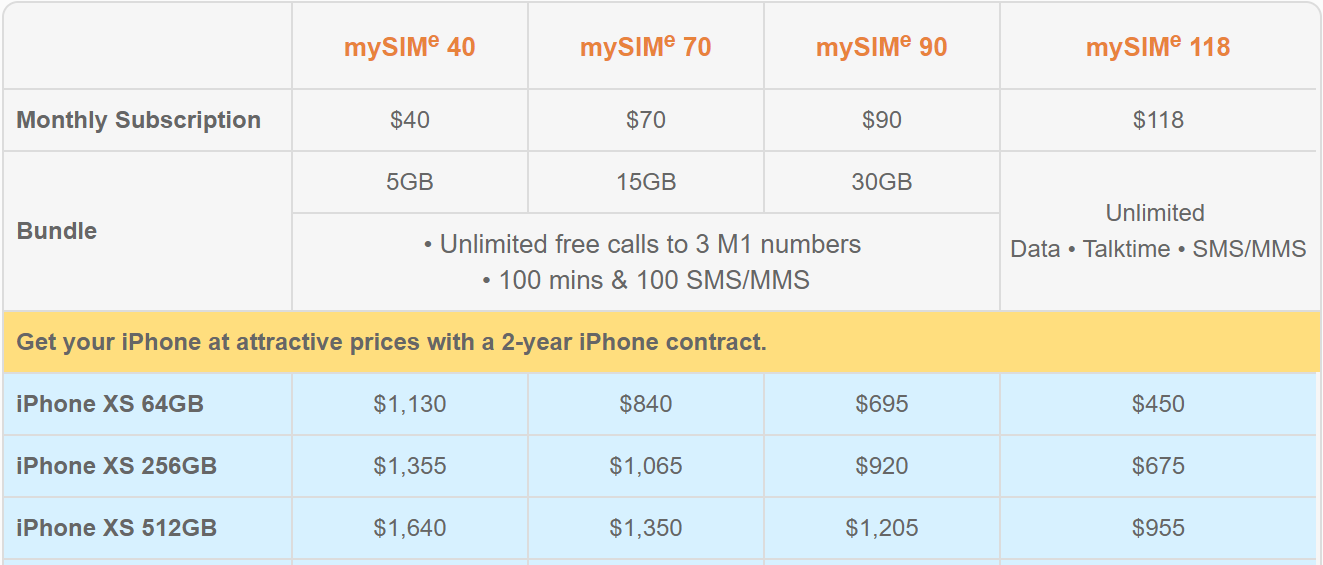
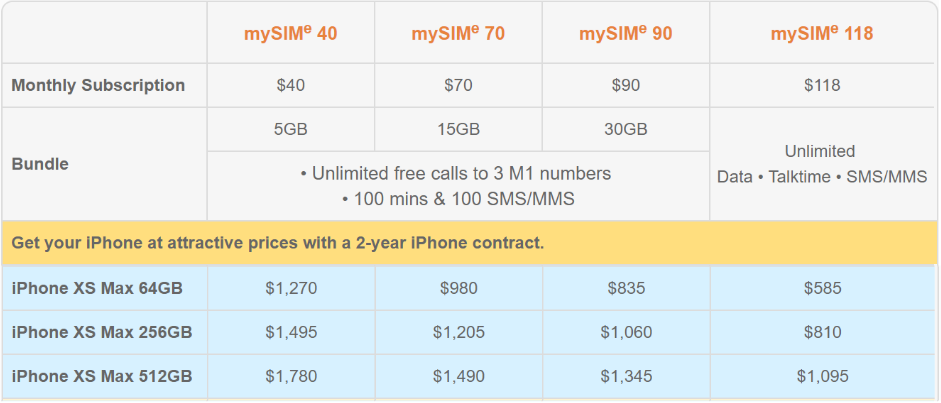
Singtel, StarHub and M1 Price Plans for iPhone XS and XS Max

Want to get your hands on the latest iPhone XS or XS Max?

Sign up for a postpaid plans with the local telcos and get the phones at a discount.

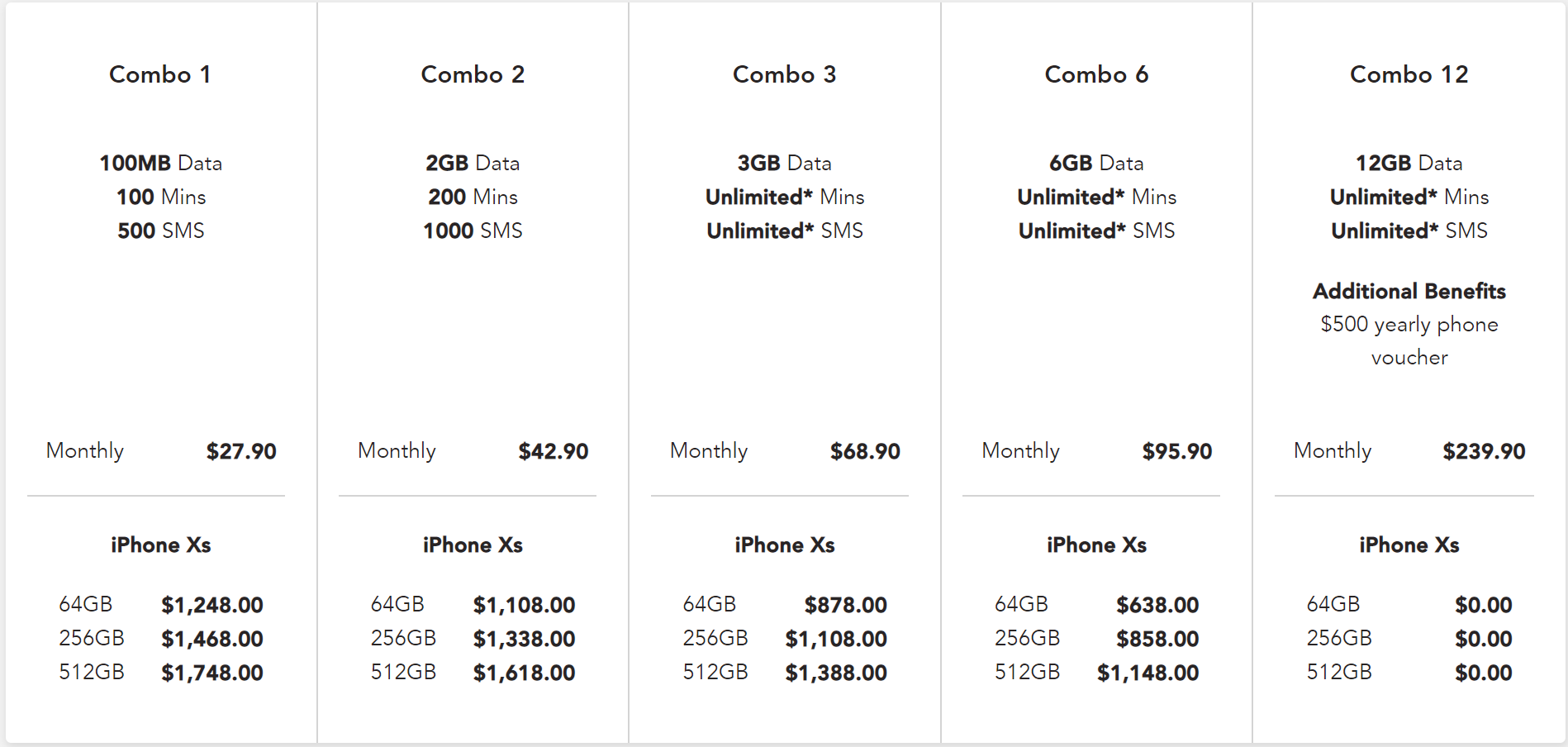
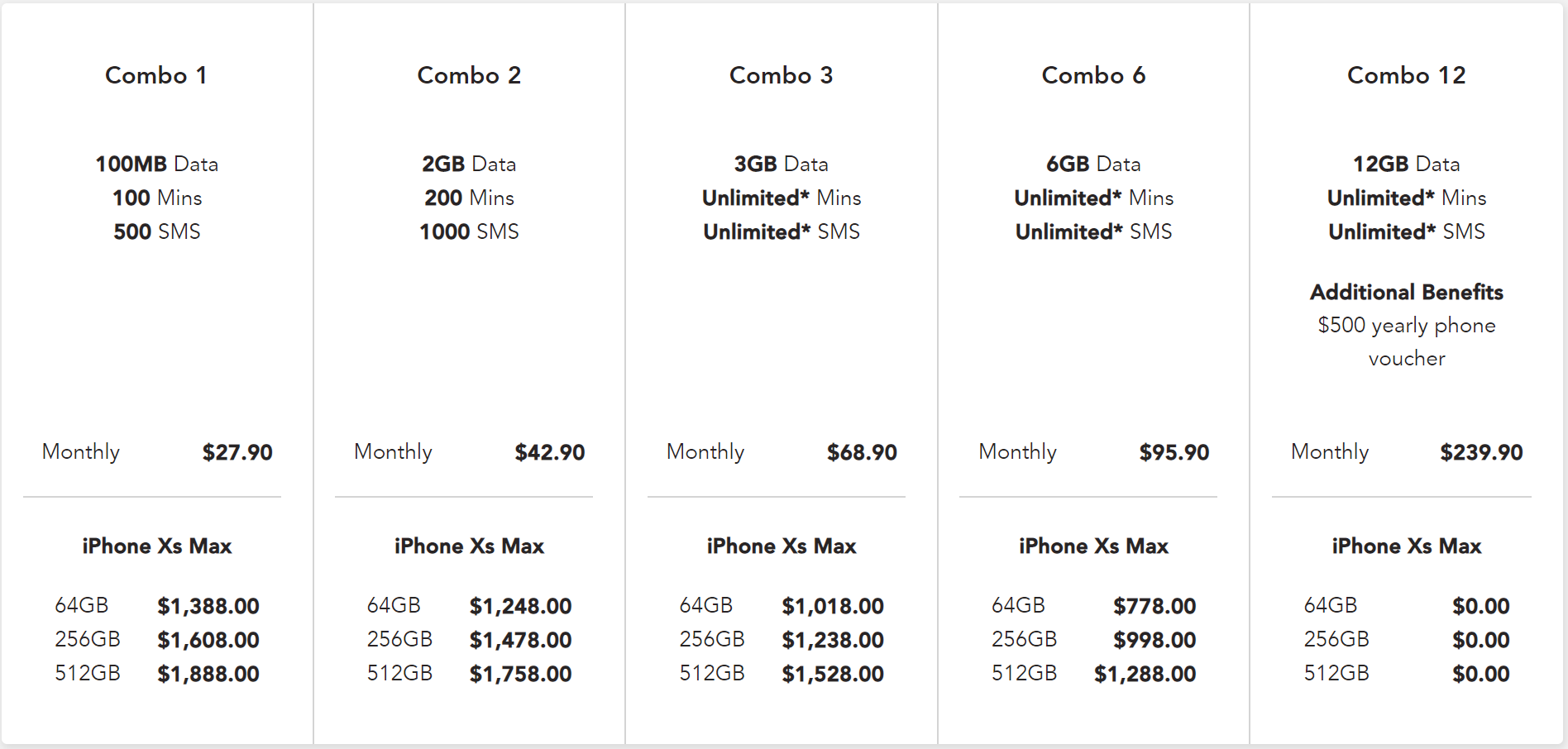
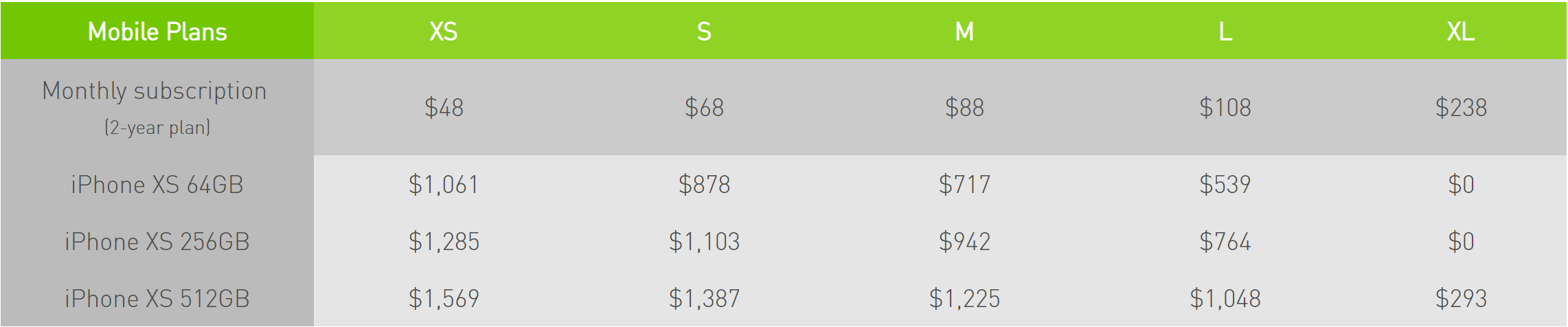
On a standard price plan of $68-70/month, M1 offers the cheapest iPhone XS and iPhone XS Max as compared to the rest of the telcos.

Check out the price plans for the 3 telcos in Singapore.

1. Singtel

iPhone Xs

iPhone Xs Max

For more information, click here.

2. StarHub

iPhone Xs

iPhone Xs Max

For more information, click here.

3. M1

iPhone Xs

iPhone Xs Max

For more information, click here.

Share this list with your friends and loved ones!

Read More...