
Download The App That Can Keep All Your Insurance Policies In 1 Place

Insurance is a safeguard against unfortunate and unforeseen events. It is a strategic way to manage various risks. Insurance companies offer individuals or policyholders protection from potential losses in exchange of payments called premiums.

To manage your policy letters better, insurance companies offered their own apps. It sounds like a great idea for people who possess a couple of policies from different insurance companies. However, it is quite a chore for people who hold several policy documents. That is when PolicyPal comes in.

PolicyPal, developed when a startup took part in the Startupbootcamp FinTech Singapore, is a versatile platform that gathers all the policy documents from a wide array of insurers. It provides you with a “digital overview and analysis of your existing policies to identify any protection gap in your insurance portfolio and help you to better understand your coverage.”
Image Credits: facebook.com/hipolicypal

Image Credits: facebook.com/hipolicypal

HOW IT STARTED

Ms. Valenzia Yap is the brainchild behind PolicyPal. About two years ago, Valenzia’s mother was diagnosed with a serious illness. Her mother was diagnosed with one of the most notorious illnesses across the globe – CANCER. The unfortunate turn of events did not stop there. She was surprisingly rejected by the insurance company because of several lapses that they were not aware of.

The inconvenience that she went through while sorting out her mother’s policy letters gave her an idea to digitize the collation of the insurance policies and other documents. So, Valenzia collaborated with two programmers named Rick Wong and Jun Wei Ng to create the PolicyPal. Necessity was truly the mother of invention this time around.

ITS CURRENT SITUATION

This impressive app received over a thousand of users since its launch. Majority of these users are either on their late 20s or early 30s. Interestingly, their policies range from 1 to 12. These information simply shows how a significant number of Singaporeans are conscious about their health and safety choices.

THE EASY PROCESS

In simpler terms, PolicyPal follows these steps:

1. Capture an image of your policy’s first page.
2. Taking a snap of the second page is only necessary if you have riders.
3. Wait for the app to process your data. It will analyze the policy number, premiums, coverage, and expiration dates.
4. View your premiums and coverage in a graphical overview or a comprehensive chart.
5. Request for a review.
6. Get a free portfolio review to understand your coverage its gaps.
7. Purchase from the available policies if necessary.
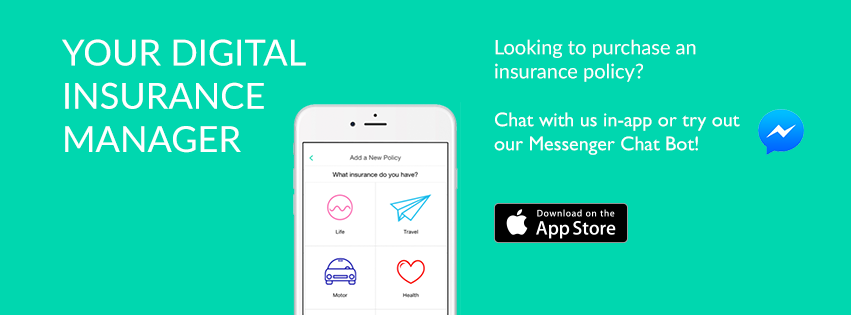
Image Credits: facebook.com/hipolicypal

Image Credits: facebook.com/hipolicypal

Eager to get your very own PolicyPal app, visit policypal.co to download it for FREE!

MORE FINTECH APPS

There are other incredible financial technology startups that originated from the Lion City aside from PolicyPal. These startups came up with smartphone apps that make financial services more efficient, convenient, and prompt. They challenge the traditional businesses that are less reliant on the potency of software.

Do yourself a favor and know more about the Call Levels (i.e., providing live updates for traders and investors), the TradeHero (i.e., gamifies trading), and the Dragon Wealth app (i.e., one-stop shop for financial advisors)!

Source: 1 & 2

Read More...

Know The Typical Features Of Critical Illness Insurance

When you hear the term “Critical Illness Insurance”, what comes to your mind?

If you are envisioning a coverage which offers a payout when the policyholder is diagnosed with a critical illness (e.g., stroke or cancer) then, you are correct!

Critical Illness Insurance or Dread Disease Policy is a lump sum payout given in the event that the policyholder is diagnosed with one of the specific illnesses covered by the policy. It can either be sold as a stand-alone policy or a part of a main policy in life insurance or investment insurance. The guidelines and definitions of the 37 critical illnesses are predetermined by the Life Insurance Association of Singapore. This definitions are fixed across the board.

Unlike other forms of health insurance, the benefits of Critical Illness Insurance is paid out in lump sum so that the person can use it not only for medical expenses but also for other living expenses that can result from the ongoing treatment.

COMMON FEATURES

Here are some of the usual features of the Critical Illness Insurance:

1. Its premium is adjusted based on the policyholder’s age-band.

2. The policyholder is allowed to claim no more than one of the critical illnesses listed.

3. There are no restrictions on the utilization of the benefit payment.

4. The critical illness rider will be terminated once you give up the basic policy.

5. A type of health insurance (with a critical illness rider) has an expiration once the policyholder reaches a maximum age.

6. To reduce the risk of moral hazard, there is a limit on the total amount that you can purchase.

7. Upon purchasing the Critical Illness Insurance, there is a waiting period before you can make a claim.

POSSIBLE ISSUES

Given the fixed definitions of the critical illnesses as well as the common features of the Critical Illness Insurance, there are several issues that can possibly happen in different situations. For starters, the benefits can only be paid if the disease EXACTLY meets the standard definition stated by the policy.

For example: Coma is defined as…

“A coma that persists for at least 96 hours. This diagnosis must be supported by evidence of all of the following:

• No response to external stimuli for at least 96 hours;
• Life support measures are necessary to sustain life; and
• Brain damage resulting in permanent neurological deficit which must be assessed at least 30 days
after the onset of the coma.

Coma resulting directly from alcohol or drug abuse is excluded.”

In reference to the definition above, say your beloved spouse had been in a state of coma for the past 48 hours due to substance abuse and you cannot do anything about it because he is not qualified to claim the insurance payout. It will be difficult for you to fork some money at a relatively short notice.

Another issue that can happen is when two or more diseases transpire (co-morbid diseases) and you can only claim for one of it.

Image Credits: pixabay.com

Image Credits: pixabay.com

Furthermore, claiming of the benefits usually has a waiting period. If a critical illness is carried out during the waiting period then, you cannot be paid for its benefits.

Sources: 1, 2, & 3

Read More...

Alternative to Surrendering Your Insurance Policy

Insurance Policy

Imagine buying a brand new car and the sales contract has a repurchase clause which states that the car dealer has sole exclusive rights to buy back the car if ever the owner wanted to sell it. Since the owner is unable to consider any competing offers, it is unlikely the car dealer will offer a competitive price for the car.

Thankfully, such anti-competitive practices in this hypothetical scenario are not true – no such clause can exists that prevents the owner from selling his car for a better price to other buyers. The rights to sell the car to a wider pool of buyers will ensure that the owner will always get a price that is equal to or better than that offered by the dealer.

Now imagine that car was a life insurance policy. Like cars, it is a financial asset owned by most people, and yet few consider comparing prices when they feel the need to sell it.

Insurance companies are always willing to buy back and then terminate a policy. The amount the insurance company is willing to offer is called the policy surrender value. However this surrender value may not reflect the true worth of the policy. Similar to the used car example, the policy owners may be able to get a higher price for their policies in the resale insurance market.

The resale insurance market is where the policy owner can choose to sell (the technical term is assign) their policy to a third party. Unlike surrendering to the insurance company, the assigned policy will continue to exist under the new owner. The rights of a policy owner to assign their policy are enshrined in the policy documents and it is permissible under Singapore laws.

While this concept may be new in Singapore, the resale insurance industry has been part of the United Kingdom financial landscape for many decades and it has proliferated in the last twenty years in United States, Australia, and Germany. In Singapore, the resale insurance industry started in the last few years and awareness of the service has not been firmly established. Regrettably the general public and even most financial practitioners are still not aware that insurance policies can be bought and sold like any financial asset.

Giving up one’s insurance policy is a serious decision as it may mean that the person would be under protected against adverse life situations. Surrendering should only be taken as a last resort when the owner has sufficient insurance protection or has no other means to sustain the policy.

If giving up one’s policy is unavoidable, then the owner’s best alternative is to get an independent offer and then make an informed decision on whether to sell the policy in the resale insurance market or surrender it to the original insurance company.

Obviously some people might feel queasy about the resale market. The strongest objection about selling their policy to an unrelated person is that someone else would benefit from the insured’s death. While it is certainly true that the new owner would receive the death benefits, the primary investment consideration is actually the policy maturity value. The new owner will tend to hold the policy to maturity and collect the maturity payment.

While the decision to sell a policy in the resale market is highly personal, it is important to have this option available to the life policy owners who will ultimately have to decide for themselves. After all, it is always beneficial to have all options laid out so as to make an informed financial decision.

According to the 2014 MAS Insurance Statistic, there are more than 13 million policies in force at the end of 2014 and the average value of all surrendered life policies from 2010 to 2014 exceeded S$900 million per annum. Given the enormous sum of the surrendered policies, policy owners are unknowingly missing out of millions dollars of potential financial gains.

Given that most readers of this article are financial practitioners whose unbiased advice is crucial to your clients’ financial success, it is important to include the resale insurance option when it comes to reviewing your clients’ insurance needs.

Read More...

5 Dont’s When Buying Health Insurance In Singapore

1. DO NOT PURCHASE INSURANCE POLICIES BASED ON ITS PREMIUM

As most companies employ monthly premium payments, premiums had become a fixed cost for consumers to consider. But if you solely focus on the price, you might miss out on the policy’s coverage.For example, you may buy the cheapest premium without checking if the insurance policy has disability benefits.

There are a number of exclusions, deductibles, and other factors that you should take note of. Do not  purchase a policy just because it is the cheapest. Ask the financial professional to recommend you the best health insurance plan that fits your budget.

2. DO NOT CONCEAL FACTS THAT ARE RELATED TO YOUR HEALTH

Before anything else, you are required to tell your insurer about your medical history even if you had fully recovered from serious medical conditions. Never conceal anything related to your health as you might end up in a grave dispute in the future when making a claim. Be honest about your preexisting medical condition and other on-going health problems.

3. DO NOT DELAY POLICY RENEWAL

Allowing even a day or two to renew your health insurance policy can make your coverage ineffectual. What if an accident happened a day before you renewed? How can you make significant claims then? So do not delay policy renewal to prevent your policy coverage from being useless.

4. DO NOT ASSUME THAT IT IS UNNECESSARY

Health insurance policies are meant to safeguard you from the potential and unforeseen losses, accidents, and hardships. They are meant to curb your expenses at an affordable rate. It is best to purchase an insurance when you are “healthy” as premiums are cheaper when you do not have preexisting conditions.

5. DO NOT AVOID THE INSURANCE AGENTS

Health insurance agents are meant to answer all your questions while understanding your personal situation. Your lifestyle patterns, genetic health predispositions, and budget are unique. And since one policy does not fit everybody, health insurance agents guide you to the policy that is most suitable to your needs.

Image Credits: pixabay.com (CC0 Public Domain)

Image Credits: pixabay.com (CC0 Public Domain)

Do not hesitate on meeting health insurance agents as they can help you get the bigger picture.

Sources: 1 & 2

Read More...

Honestly, Why Are You Buying Insurance?

Insurance is a safeguard against unfortunate and unforeseen events. It is a strategic way to manage various risks. Insurance companies offer individuals or policyholders protection from potential losses in exchange of payments called premiums.

Aside from guaranteed coverage, what are the honest reasons why people buy insurance? On the flip side, what are the insurance company’s objectives as they offer their services?

OBJECTIVES OF INDIVIDUALS

As you age and progress along the stages of life, you become more and more aware of how necessary insurance is. A number of factors may lead to this realization such as seeing your elderly parents and starting your own family. While you know that you are supported by your CPF account as well as your Medishield Life, you can realize that it may not be comprehensive enough to meet your lifetime needs. This can serve as your wake up call to evaluate your present financial situation and plan for your future and that of your loved ones.

The exact reasons why people buy insurance is unique and highly subjective. However, here are some of them:

a. Worried about critical illness – consider health insurance.
b. Worried about permanent disability – consider life or term insurance.
c. Concerns about the loss of belongings – consider general insurance.
d. Concerns about death (as a breadwinner)- consider life or term insurance.

Image Credits: pixabay.com (License: CC0 Public Domain)

Image Credits: pixabay.com (License: CC0 Public Domain)

OBJECTIVES OF INSURANCE COMPANIES

Nowadays, insurance companies offer a wide array of insurance products and policies that cover areas from property, health, and travel. Insurance companies must satisfy certain objectives to effectively function and meet their clients needs. Before purchasing one, know some of their objectives:

a. Pooling Money

By collecting premiums from a number of individuals or businesses, the insurance companies are able to pool their money together. They then pay out for the relatively few claims filed each annum. Keep in mind that majority of the policyholders do not file claims over the same period.

b. Financial Competence

Another objective is to ensure the policyholders that they are financially stable. Once one or more policyholders report that they were not duly compensated, society’s confidence in the system may be gone.

c. Influencing Behavior

One of the most important aims of insurance companies is to reward and promote responsible behavior. For instance, individuals with lower records of vehicular mishaps are more likely to be quoted with a lower car insurance premium than those with unsafe driving records. Rewarding safe driving practices can increase the likelihood of such desirable behavior.

Image Credits: pixabay.com (License: CC0 Public Domain)

Image Credits: pixabay.com (License: CC0 Public Domain)

Sources: 1 & 2

Read More...