Are Cryptocurrencies Taxable?

Cryptocurrencies have taken the world by storm, and with the rise of digital currencies like Bitcoin and Ethereum, millions of people are jumping on the crypto bandwagon. As crypto becomes more mainstream, a new question is popping up: “Are cryptocurrencies taxable?”

Tax laws and regulations can feel overwhelming, especially in a space as new as cryptocurrency. Luckily, understanding how taxes apply to crypto doesn’t have to be complicated. This article will break it down so you can stay on the right side of the tax authorities and still enjoy the wild ride in the crypto world.

Cryptocurrency and Taxes

Cryptocurrencies are taxable in most countries, but how they’re taxed can vary significantly. Generally, tax authorities worldwide treat cryptocurrencies as property or income, depending on how they’re used.

In the United States, the IRS has clarified that cryptocurrencies are taxed as property, meaning any sale or trade resulting in profit triggers a taxable event, much like selling stocks. The UK follows a similar approach, with capital gains tax applying to crypto assets. Meanwhile, in Japan, any gains from the sale of crypto are treated as miscellaneous income and taxed accordingly.

Wherever you are in the world, the tax authorities are starting to pay attention to crypto. From selling your Bitcoin stash to swapping Ethereum for Litecoin, taxable events are becoming hard to escape — so it’s vital to know how your country handles them.

Crypto Exchanges and Taxation

Whether you’re using a Singapore crypto exchange or a platform based in Europe or the U.S., crypto exchanges are key players in taxation. Many exchanges are now required to provide detailed reports on user transactions to their respective governments, making it easier for tax authorities to track taxable events.

For example, in the United States, exchanges like Coinbase must report large transactions to the IRS, ensuring that users are paying taxes on any gains. European countries are similarly working to increase transparency, with crypto exchange regulations tightening across the EU.

In Singapore, exchanges are crucial for tracking transactions, especially as more investors turn to these platforms for trading and investment. With this global trend of increased regulation, it’s more important than ever for crypto users to maintain detailed records of their transactions to stay compliant with tax laws.

Capital Gains vs. Income: How Cryptocurrencies Are Taxed

Different countries have different approaches when it comes to taxing cryptocurrencies. Generally, taxes fall into two categories: capital gains and income. The distinction depends on how you acquire and use your crypto.

In the United States, the UK, and much of Europe, selling your crypto for a profit is typically taxed as a capital gain. But if you’re earning cryptocurrency through mining, staking, or getting paid in Bitcoin, then that’s considered income and taxed differently. Australia also follows a similar model.

In countries like Japan and South Korea, tax laws are even stricter, treating crypto gains as income across the board. Japan, in particular, taxes crypto profits at rates as high as 55% for significant gains.

Tax Reporting: How to Stay Compliant

Regardless of where you live, tax compliance regarding cryptocurrencies often boils down to one thing: record-keeping. Start by keeping detailed records of every transaction you make — whether you’re buying, selling, trading, or using crypto to make purchases.

Many countries offer software tools or apps to help track transactions across exchanges and wallets. Some exchanges, like those in the U.S. or Europe, may automatically generate reports that detail your transactions, making tax filing easier. But remember, the responsibility to report accurately still falls on the investor.

The Consequences of Failing to Report Crypto Taxes Globally

What happens if you don’t report your cryptocurrency transactions? Well, it’s not worth the risk. Around the world, tax authorities are getting increasingly sophisticated in tracking crypto activities.

Failing to report crypto taxes can lead to penalties, audits, and fines. Worse yet, serious tax evasion cases can even result in criminal charges in countries like the U.K. and South Korea.

Intentional tax evasion or failure to comply with regulations could land you in hot water. With governments worldwide tightening the noose on crypto tax evasion, staying compliant is more important than ever. It’s better to stay ahead of the curve and be transparent about your crypto dealings than to face an unwelcome surprise down the line.

Staying Informed Across Borders

As the world of cryptocurrency continues to grow, so too do the tax rules that govern it. From the U.S. to Singapore, Japan to the U.K., understanding the tax implications of your crypto transactions is crucial to staying on the right side of the law.

Whether your country treats crypto as capital gains, income, or something else entirely, staying informed will keep you ahead of the game. As regulations evolve, keeping up with the latest tax developments ensures that you can enjoy the benefits of digital currency without getting caught off guard by the taxman. Wherever you are, keep your records and tax reports in check and continue your crypto journey responsibly!


 

Read More...

Top 6 Financial Resolutions for 2025

Whether you’re gearing up for a big year ahead or just want to breathe easier about money, these six resolutions will set you on the right path this 2025!

#1: SAVE MORE, WORRY LESS

Start small and aim big. Set a goal to save at least three months’ worth of your take-home pay this year, and eventually work toward a full year’s cushion.

With Singapore’s rising cost of living, having an emergency fund is your safety net against unexpected expenses. It’s not just about the amount you save but the habit of saving consistently.

#2: BE CONSITENT WITH MONEY

Consistency is your best friend in financial planning. Even small, regular contributions to your savings can snowball over time. Can’t save a lot? No worries as every dollar counts!

For those with long-term goals, consider setting aside funds for regular investments. The earlier you start, the more time your money has to grow, thanks to compound interest.

#3: SET CLEAR FINANCIAL GOALS

What’s your money motivation? Maybe it’s sending your kids to a prestigious school, taking your dream retirement trip, or passing on your family business. Define your short- and long-term goals, and compare them to where you are financially today.

Pro tip: Create a bucket list of personal milestones. Make these goals tangible (e.g., aiming to travel to London by March), and let them fuel your financial drive.

#4: PLAN SMARTER FOR TAXES

Don’t let taxes catch you off guard! Review your year-end statements and identify potential tax liabilities, such as interest or dividends. Proper tax planning can save you from unnecessary stress and money.

Explore tax reliefs like those for CPF contributions, NSmen, or parent and spouse care. Every bit helps when it comes to keeping more of your hard-earned dollars.

#5: CONTRIBUTE MORE TO YOUR RETIREMENT FUNDS

Say it with me: “2025 is the year to prioritize my future self!” Start contributing regularly to your retirement funds, like CPF. The earlier you begin, the more time your money has to grow.

If you’re employed, ensure you’re maximizing your CPF contributions and exploring top-ups to your Special or Retirement Accounts. It’s a simple yet effective way to build a comfortable nest egg.

#6: SHOP SMART, LIVE WELL

Shopping wisely is all about cutting costs without compromising your lifestyle. Take advantage of discounts, deals, and cashback platforms. Buy in bulk for essentials and hold off on splurging until sales events like the Great Singapore Sale or 11.11.

And don’t forget healthy money habits: Pay your bills as soon as payday hits, track your spending, and focus on financial literacy. These small changes can lead to big savings.

Image Credits: unsplash.com

With these resolutions, you’ll not only build financial resilience but also set yourself up for a more secure and stress-free future. So, what’s your first step toward a brighter financial year?

Sources: 1,2, & 3

Read More...

40+ newly launched foodstuffs from Korea’s convenience store to try before December 2024 ends

CU Newly Launched Foodstuffs December 2024

Hope you’ve had a joyful Merry Christmas with your loved ones!

If you’re currently in Korea and still enjoying the festive season, you might want to swing by Korea’s convenience store, specifically CU, for all the latest releases.

In this episode, we’ve got several launches from the contestants of Culinary Class Wars!

So hop by a few chains and see if you can get your hands on these foodstuffs:

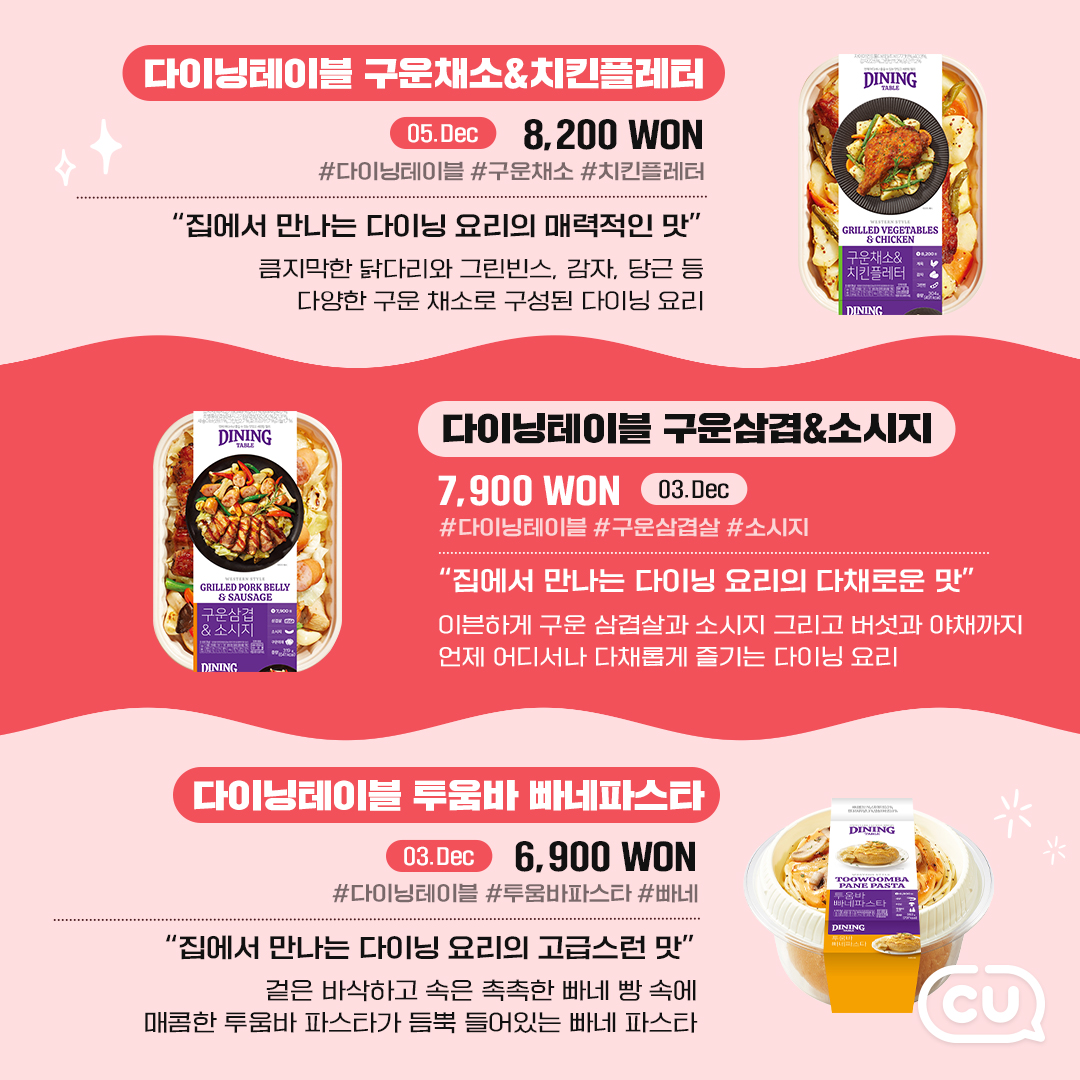
#1a: Dining Table’s Grilled Vegetables & Chicken Platter (8,200 KRW; approx. 7.69 SGD)

#1b: Dining Table’s Grilled Pork Belly & Sausage (7,900 KRW; approx. 7.41 SGD)

#1c: Dining Table’s Toowoomba Pane Pasta (6,900 KRW; approx. 6.47 SGD)

#2a: Giant Bulgogi Pizza (3,900 KRW; approx. 3.66 SGD)

#2b: Hey! Chicken’s Sweet & Spicy Dakgangjeong (Small Cup) (3,900 KRW; approx. 3.66 SGD)

#2c: Cream Leek Croquette (1,600 KRW; approx. 1.50 SGD)

#3a: Sumifru’s Choco Banana Chips (3,600 KRW; approx. 3.37 SGD)

#3b: Sumifru’s White Choco Banana Chips (3,600 KRW; approx. 3.37 SGD)

#3c: Sumifru’s Dark Choco Banana Chips (3,600 KRW; approx. 3.37 SGD)

#4a: Zeroweet’s Zero Sugar Milk Vanilla Monaka (3,300 KRW; approx. 3.09 SGD)

#4b: Zeroweet’s Zero Sugar Choco Monaka (3,300 KRW; approx. 3.09 SGD)

#4c: Washed Apple Slices (2,900 KRW; approx. 2.72 SGD)

#5a: Hmmm! Sparkling Wine (12,900 KRW; approx. 12.09 SGD)

#5b: 王老吉’s Herbal Tea (2,000 KRW; approx. 1.87 SGD)

#5c: Crayon Shin-chan’s Americano (3,000 KRW; approx. 2.81 SGD)

#6: Culinary Class Wars’ Master of School Meals’ Bulgogi Dosirak (6,200 KRW; approx. 5.81 SGD)

#7a: Culinary Class Wars’ Master of School Meals’ Roasted Pork Dosirak (5,900 KRW; approx. 5.53 SGD)

#7b: Culinary Class Wars’ Master of School Meals’ Braised Spicy Chicken (5,500 KRW; approx. 5.16 SGD)

#7c: Culinary Class Wars’ Master of School Meals’ Bibim Dumplings (5,200 KRW; approx. 4.87 SGD)

#8a: Culinary Class Wars’ Master of School Meals’ Gimbap (3,300 KRW; approx. 3.09 SGD)

#8b: Culinary Class Wars’ Master of School Meals’ Egg Sandwich (3,400 KRW; approx. 3.19 SGD)

#8c: Culinary Class Wars’ Master of School Meals’ Beef Veggie Fried Tofu Rice Bar (2,700 KRW; approx. 2.53 SGD)

#9a: Ottogi’s Jjamppong Rabokki (3,900 KRW; approx. 3.66 SGD)

#9b: Ottogi’s Cream Jjamppong Rabokki (3,900 KRW; approx. 3.66 SGD)

#10a: 405 Bakehouse’s Mocha Salt Bread (3,600 KRW; approx. 3.37 SGD)

#10b: 405 Bakehouse’s Choco Salt Bread (3,600 KRW; approx. 3.37 SGD)

#11a: Culinary Class Wars’ Napoli Matfia’s Pistachio & Strawberry Cup Cake (5,200 KRW; approx. 4.87 SGD)

#11b: Culinary Class Wars’ Napoli Matfia’s Pistachio & Strawberry Sandwich (3,900 KRW; approx. 3.66 SGD)

#12a: Soondae Rice Soup (5,900 KRW; approx. 5.53 SGD)

#12b: Hmmm! Double Oak Red Wine (12,900 KRW; approx. 12.09 SGD)

#13a: Wow Kimchi Fried Rice (3,900 KRW; approx. 3.66 SGD)

#13b: Mexican Couscous Salad (5,900 KRW; approx. 5.53 SGD)

#13c: Cereal Style Honey Rice Cake Balls (3,300 KRW; approx. 3.09 SGD)

#14a: The Misik’s Squid Ramyeon Cup (2,800 KRW; approx. 2.62 SGD)

#14b: Culinary Class Wars’ Master of School Meals’ Gangneung Style Jjamppong Soft Tofu Stew (4,900 KRW; approx. 4.59 SGD)

#14c: Culinary Class Wars’ Master of School Meals’ Gamjatang (Pork Back-bone Stew) (4,900 KRW; approx. 4.59 SGD)

#15a: Red Sun Rise Cocktail Style Ade (Pomegranate) (1,600 KRW; approx. 1.50 SGD)

#15b: Green Apple Martini Cocktail Style Ade (1,600 KRW; approx. 1.50 SGD)

#15c: Fresh Citron Highball Can (4,500 KRW; approx. 4.22 SGD)

#16a: Culinary Class Wars’ Napoli Matfia’s Pistachio & Strawberry Fresh Cream Bread (3,400 KRW; approx. 3.19 SGD)

#16b: Yonsei’s Strawberry Milk Roll Cake (3,800 KRW; approx. 3.56 SGD)

#16c: 405 Bakehouse’s Garlic Salt Bread (3,600 KRW; approx. 3.37 SGD)

#17a: Super Large King “Half-Half” Burger (13,000 KRW; approx. 12.19 SGD)

#17b: Super Large King 1kg Pasta (9,900 KRW; approx. 9.28 SGD)

#17c: Apple Cider Vinegar Tangle Pocket (5 Pcs) (5,900 KRW; approx. 5.53 SGD)

All image credits to CU.

Price conversion from KRW to SGD is accurate at the time of writing.

Read More...

7 Life-Saving Tips to Stay Within Budget This Christmas

The holiday season is a time for joy, but it can also bring stress, especially when it comes to managing finances. With these seven budget-friendly tips, you can enjoy the festivities without breaking the bank.

#1: SET YOUR LIMITS

Before you start shopping, establish clear spending limits. With credit cards offering easy access to extra funds, it’s essential to avoid impulse buys. Review your bank account to determine how much you can comfortably spend without affecting your bills or essentials. To stretch your budget, cut back on non-essential daily expenses, like your regular kopi or teh at the hawker centre. Stick to cash and your set limits to stay on track.

#2: BE REALISTIC ABOUT YOUR BUDGET

It’s easy to feel pressure to match the spending habits of others, especially during the holidays. But remember, everyone’s financial situation is different. Don’t worry if your budget doesn’t allow for extravagant gifts. Reflect on the most meaningful gifts you’ve received. Often, it’s the thought that counts more than the price tag. A heartfelt, simple gesture can be just as valuable.

#3: REDUCE GIFT-GIVING

Santa has a long gift list, but you don’t need one! If your list of recipients exceeds your budget, consider scaling it back. For those outside your immediate circle, try baking festive treats like kueh or cookies instead of splurging on expensive gifts. This allows you to share the holiday spirit without straining your wallet.

#4: RESIST THE TEMPTATION OF SALES

Sales are everywhere during the holiday season, but discounts only translate to savings if you actually need the item. Resist the temptation to buy things just because they’re on sale. Whether it’s the Great Singapore Sale or limited-time promotions, if it wasn’t planned for, it’s not a bargain. Stay focused on your budget and avoid falling for flashy sales tactics.

#5: TRACK YOUR SPENDING

It’s easy to lose track of your spending during the holidays, especially with the abundance of online shopping options in Singapore. Use a money-tracking app or your bank’s mobile app to monitor your purchases in real-time. This will help you stay within your budget and prevent any financial surprises come January.

Image Credits: unsplash.com

#6: CHANGE YOUR MINDSET

Before buying gifts, pause and reflect on why you give them. Are you doing it out of tradition, social pressure, or genuine excitement to share something meaningful? Understanding your motivations can help you set realistic expectations and avoid overspending on items that don’t truly capture the spirit of the season.

#7: MAKE PRICELESS HOLIDAY MEMORIES

Sometimes, the best gifts are the ones that don’t come wrapped. Consider giving experiences that everyone can cherish. Ideas include:

  • Attending a Christmas service at a local church, like St. Andrew’s Cathedral or the Catholic Church of St. Teresa, to celebrate together.
  • Taking a festive stroll along Orchard Road to enjoy the Christmas light displays, followed by a homemade dessert in your home.
  • Gifting an annual pass to a local attraction like the Singapore Zoo or Jurong Bird Park for hours of fun at a reasonable price.

Image Credits: unsplash.com

This Christmas, focus on what truly matters: joy and meaningful memories. With these practical tips, you can celebrate without the financial hangover, all while enjoying the best Singapore has to offer this season of giving. Cue the songs of the season, including Mariah Carey’s All I Want for Christmas Is You and Rosé and Bruno Mars’ APT!!!

Sources: 1,2, & 3

Read More...

5 Signs You’re Financially Ready to Move Out of Your Parents’ House

Moving out is a significant milestone for many young Singaporeans. While living with parents until you’re financially stable is common in Asian cultures, there comes a time when independence is the goal. But how do you know if you’re truly ready? Well, consider these five signs that you’re financially prepared to live independently in Singapore.

#1: YOU CAN AFFORD THE COSTS OF MOVING OUT

Rent will likely be your largest monthly expense. In Singapore, renting a room or flat is common for singles under 35, unless family support helps secure a private apartment. Apart from rent, consider other costs like furniture, food, transportation, and household bills. Location, size, and proximity to amenities will affect rental prices, so ensure you can comfortably manage these costs before making the leap.

HDB flats are typically more affordable but come with eligibility criteria and waiting periods. Private condominiums offer more flexibility but at a higher cost. Understanding the differences will help you make the right choice.

#2: YOU HAVE AN EMERGENCY FUND

Unexpected expenses, like medical bills or home repairs, are inevitable. Having an emergency fund, ideally three to six months’ worth of living expenses, provides financial stability during tough times. If you haven’t built your emergency fund yet, focus on saving before considering independent living.

#3: YOU CAN PAY YOUR BILLS ON TIME

Paying bills promptly is a key sign of financial stability. If you consistently meet your obligations, it shows you’re managing your finances well. Struggling to pay bills or delaying payments? You may need to improve your budgeting skills before moving out. Consider reducing non-essential spending or finding ways to increase your income.

#4: YOUR NET WORTH IS GROWING

Image Credits: unsplash.com

Financial stability means having extra funds to save and invest. If you’re growing your net worth through investments in stocks, real estate, or other assets and side hustles, you’re on the right track. Even small increases in your net worth show that you’re financially responsible and ready for the added costs of independent living.

#5: YOU ARE EMOTIONALLY READY TO MOVE OUT

Moving out is not just a financial decision…it also requires emotional readiness. Independent living involves managing your own household, cooking, cleaning, and solving problems on your own. If you feel confident in your ability to handle these tasks, it’s a good sign you’re prepared for this next step in life.

IN A NUTSHELL

Living independently comes with both perks and responsibilities. Assess your new financial obligations, such as contributing to your parents’ allowance or paying for insurance, and plan your budget accordingly. Additionally, consider the emotional impact on your family dynamics. Moving out can change your relationship with your parents, so make sure you’re ready for this transition.

Image Credits: unsplash.com

Take your time to plan and ensure that when you do move out, you’re doing so with confidence and security.

Sources: 1 & 2


Read More...