Having a Credit Card is Not a License to Spend

Convincing yourself that you are not spending real money is easy when you charge for items on your credit card. Technically, you are correct! You are not spending money, in fact, you are borrowing money.

Using your credit card means that you will have to pay the bill eventually. The promise of small minimum payments can entice you into thinking that these purchases are bargains. Unless you pay back the purchase immediately, you will not feel the pain of the bill for another month.

Be responsible with your credit card by treating it like cash and swiping only what you know you can pay back in full. You can reap its benefits by using your credit card in the following situations.

#1: GROWING YOUR REWARD POINTS

Many credit cards provide reward points for certain categories of spending like groceries, gasoline, air fares, and restaurants. When earning thresholds are reached, points can be redeemed for travel, shopping, and more. Choose a card that best suits your spending patterns.

#2: PAYING RECURRING BILLS

As long as you make payments on time, recurring payments will keep that line of credit open so you can continue to maintain or boost your credit score. Any recurring payments you have such as subscription on Spotify or Netflix can be paid through your credit card.

#3: SHIELDING YOU FROM EMERGENCY

Are you ready for unexpected expenses? When this happens, you need some time to cushion the blow. You can use your credit card in case of an emergency, including fixing, changing your tire or repairing a broken window. Be sure to repay more than the minimum on your credit card payments to avoid unnecessary interest.

Image Credits: unsplash.com

#4: SHOPPING ONLINE

Senior Industry Analyst at CreditCards.com once said: “Chip-enabled cards are very good at deterring in-person fraud but that doesn’t help you online, and that’s where most of the fraud has gone.” You can use your credit card when shopping online instead of shopping with your debit card.

Check your browser and shopping apps to ensure that your debit card is not saved on any of these platforms. You can either add your credit card information or delete all your card information to make it harder for you to overspend online.


Sources: 1, 2, & 3

Read More...

How to keep your sanity when traveling with a workaholic spouse

man working at the beach

You’ve been looking forward to this family vacation for months, but your workaholic spouse is already stressing you out. It seems like they’re just not into it, and you’re worried the whole trip will be a disaster.

Don’t worry, we’ve got you covered! Here are a few tips for how to handle a workaholic spouse during family holiday trips.

Lay down expectations

Before your trip, sit down and talk with your spouse about your expectations. Let them know that you would like them to be present (both mentally and physically) and that you need their help to make the trip enjoyable for everyone.

If they’re unwilling to change their behavior, you may need to reconsider whether or not traveling together is the best idea. A workaholic spouse can put a serious damper on your holiday spirit.

Create a realistic itinerary

If you can open up a dialog and come to a mutual understanding, then there’s no reason why your trip can’t be just as fun as you imagined.

So what can you do to keep your sanity during your next family vacation? First, create a realistic itinerary. Make sure that there are plenty of activities that everyone can enjoy, without having to drag your spouse along to participate in every single one of them.

Second, try to relax and enjoy yourself. It’s not going to be easy, but don’t hesitate to speak up if things get too stressful. You deserve some quality time with your family too, and you shouldn’t have to put up with a workaholic spouse.

Schedule some “me” time
infinity pool view

Image Credits: unsplash.com

Carve out some “me” time during your trip:

  • Connect with friends or family members who are also in town. This is a great way to catch up and relax.
  • Take some time for yourself each day, even if it’s just for an hour. Use this time to practice yoga, read a book, or take a swim.
  • Find activities that interest you and do them solo or join a group session. This can help take your mind off things and give you some much-needed downtime while your spouse works.
Let go of the things you can’t control

Don’t drive yourself crazy. It’s not worth getting angry or frustrated over something that’s out of your hands. Just relax and go with the flow—you will both be a lot happier that way. The key is to not let the workaholic spouse ruin your holiday trip for you.

It can be hard to travel with a workaholic spouse who is always on their laptop, but it’s not impossible. With a little bit of patience and planning, you can make the most of your family vacation. Try to schedule some downtime for both of you during the trip. Set and stick to some ground rules ahead of time, such as no work talk during mealtimes. If they slip up, don’t be afraid to remind them of the rules. We know it’s not always easy to travel with a workaholic spouse, but with some effort, you can make the most of your family vacation.

Read More...

Getting past “I don’t know”: Strategies for parents

mother talking to her daughter

As parents, we know that sometimes our kids give us the “I don’t know” answer when we ask them a question.

This can be annoying, especially when we need a reliable answer for something. But what can we do to get past this roadblock and get the information we need? There are a few different strategies we can try.

In this post, we will explore these strategies in detail and talk about how to use them effectively.

This is a pretty normal answer for kids

You might be surprised to hear this, but “I don’t know” is a pretty normal answer for kids. Most of the time, they honestly don’t have an answer for you. But that doesn’t mean you should just give up and move on. You need to find a way to help them overcome that feeling of not knowing and aid them to find an answer.

We know it can be frustrating for parents

It can be frustrating for parents when they’re trying to get information from their kids and the only answer they keep getting is “I don’t know.” It feels like you’re not being heard, and you start to feel like you’re not getting through to your child. But don’t worry, and stay calm. Yelling or raising your voice isn’t going to get you anywhere. In fact, it might just make your child clam up more.

A few strategies that parents can use when faced with “I don’t know”
dad in a conversation with two kids

Image Credits: scholastic.com

  • Offer MCQs

Offering MCQs give them a chance to think about the question a little more, and it also helps them to feel like they’re contributing to the conversation in little steps.

  • Ask open-ended questions

If your child keeps giving you that template response, try another strategy: asking open-ended questions. For example, you could ask “What do you think might happen?” or “What are some possible solutions?” This will help get your child thinking and generate some answers.

You can also try to phrase the questions in a way that doesn’t put your child on the spot. For instance, instead of asking “How was your day?” try asking “What were some of the things you did today?” or “What was your favorite part of today?”

If your child is still having trouble answering, try to rephrase the question differently. And if all else fails, you can always offer a simple prompt like “Start with the beginning” or “Tell me what you did during break time.”

Sometimes it takes a little longer for kids to process information and come up with a solution. Keep asking and guiding them until they come up with something.

As challenging as it may be, getting your child to give you a straight answer can be tricky. But that doesn’t mean that you should give up. There are a few different strategies that you can try: start with easier questions and work your way up. Another approach is to praise your child when they give you an elaborate answer. Finally, have hope. Just because they don’t answer your questions right away doesn’t mean that they won’t ever learn how to do it correctly. Be patient and keep trying various methods until you find one that works.

Read More...

From messy to marvelous: Tips for getting your kids to tidy their rooms

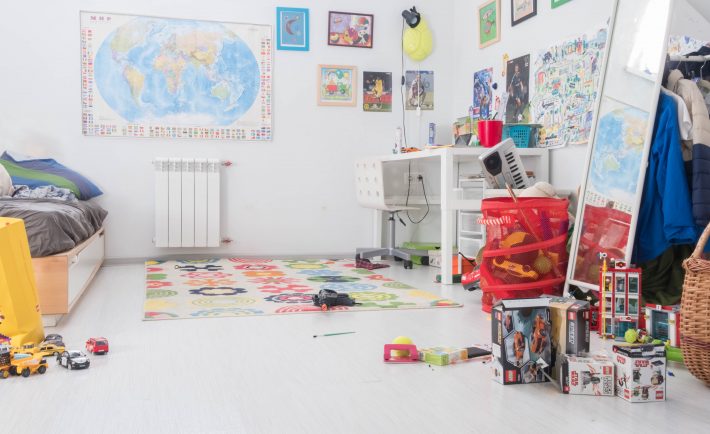
messy kids room

It’s no secret that kids can be messy.

It seems like they take a special kind of pleasure in making a huge spectacle and watching you clean it up. But as parents, we can’t just give up and let them live in chaos. We have to find a way to encourage them to tidy up their rooms, and it starts with setting some rules and expectations.

Allow us to share some tips on getting your kids to tidy up their rooms. Follow these tips, and soon (hopefully) your kids’ rooms will be clean and organized—from messy to marvelous!

Let them help with the design

You can let your kids help with the design of their room. This little makeover will give them a sense of ownership and make them more likely to want to keep it tidy.

For instance, if your daughter loves picking out the colors and patterns for her room, let her do it. She will probably be more likely to keep her room clean when she has a hand in the design. Plus, it’s a great way to spend some quality time with your kids.

Create a reward system

Let your kids know that if they tidy up their rooms, they will be rewarded with something. But make sure the rewards are immediate. If you wait a week to give your child their reward, it’s not going to have the desired effect. In fact, it may just encourage them to put off tidying their room even longer.

Be a role model
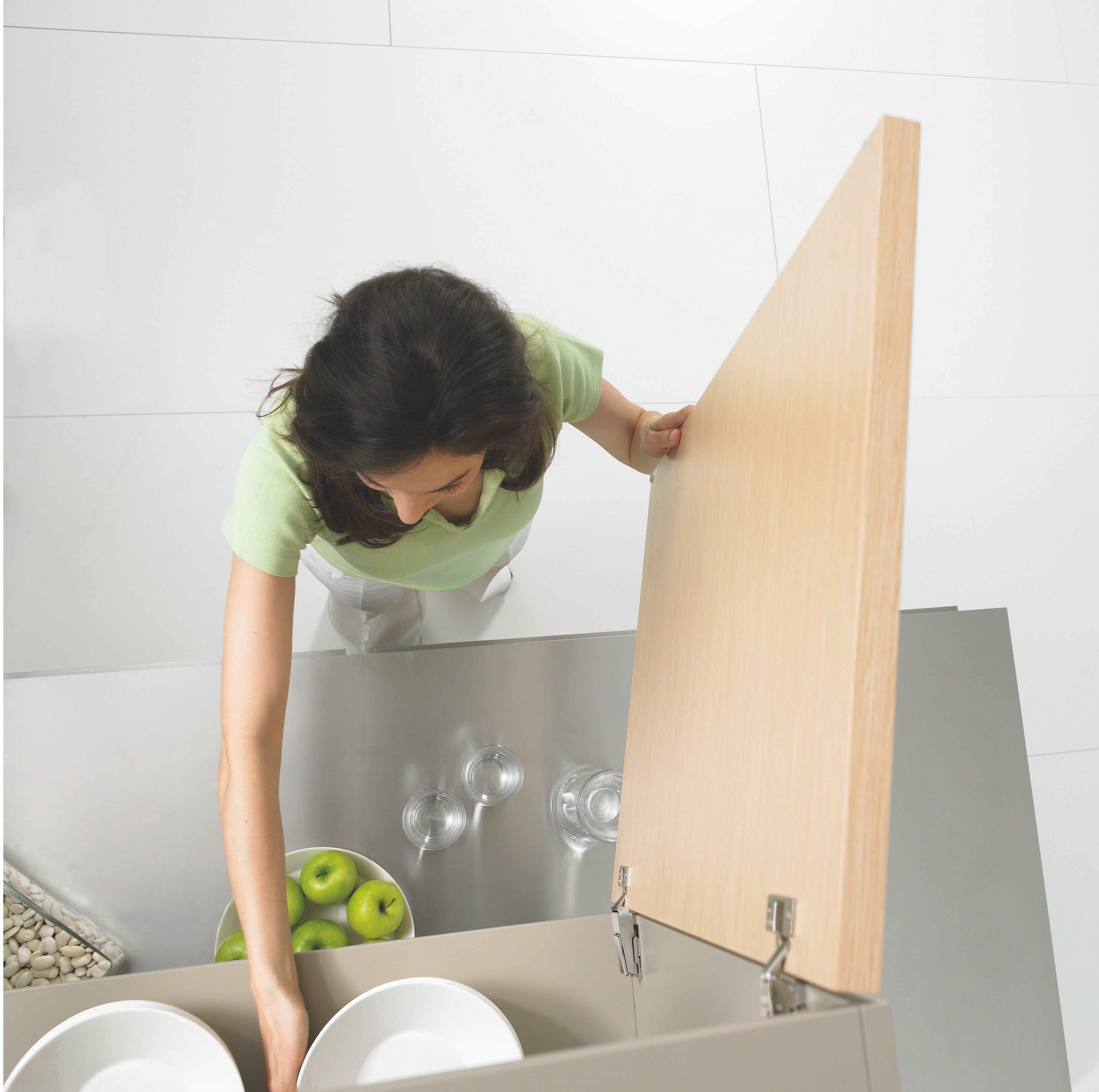
woman tidying her kitchen

Image Credits: unsplash.com

If you want your kids to tidy their rooms, you need to be a good role model. Show them that you take pride in your space and that keeping things clean and organized is important to you.

Create a routine for tidying up and make it a habit. This will help your kids develop good habits for life. And don’t forget to praise your kids for a job well done! Positive reinforcement is key when it comes to getting kids to do anything.

Put it in writing

Create a “contract” and have them sign it. This will show them that you’re serious about the whole tidying up thing, and it will also hold them accountable. Your agreement should outline the rules for tidying up, and it should also have a rewards system in place.

For example, your child can earn points for every day they successfully tidy their room, and then they can use those points to redeem rewards like extra screen time or a trip to the ice cream shop.

It can be tough to get kids to clean their rooms, but with a little bit of effort, it’s doable. Make sure you set a good example. If your kids see that you’re messy, they’re going to be less likely to want to clean up their messes. You may also want to introduce an incentive system where your kids can earn rewards for tidying their rooms. Finally, be patient. It might take a while for your kids to get into the habit of cleaning their rooms, but eventually, they will—and it will make your parenting journey a lot easier.

Read More...

Why it’s equally important to have bad days as we have good days

sad-looking pug

You might be feeling a bit down today. You’ve had a string of negative events happen and it feels like the world is against you.

We know the feeling.

It’s easy to get wrapped up in our little bubble and forget that everyone has good days and bad days. The thing is, it’s just as important to experience the bad days as it is to enjoy the good days.

When things are going our way, it’s easy to become smug and let our guard down. But it’s on those tough days when we need to be at our strongest. So don’t fret if things aren’t going your way right now. It’s all part of life’s journey.

Everything happens for a reason, and there’s a silver lining to every cloud.

Why are bad days essential to our mental and emotional well-being?

Bad days are essential because need them to help us process the good days. Think about it. If we only experienced good days, we would become too complacent, and too content. We would stop striving for more since we’ve already hit the jackpot.

Bad days remind us that life is unpredictable. They show us that no matter how good things are going today, tomorrow could be a completely different story. And that’s okay. Because it means that we’re constantly evolving, and constantly growing.

Without bad days, we would lose sight of the good things in life. We would take them for granted and not appreciate them as much as we should.

How can we reframe our thinking to see the benefits?

woman stretching while facing a glass window

Image Credits: unsplash.com

When you’re going through a tough time, it’s easy to feel like you’re the only person who’s ever felt this way. Like you’re the only one who’s ever had a bad day.

Sure, bad days suck. But they also force us to slow down, take a step back, and assess what’s going on in our lives. They allow us to reflect on our mistakes and learn from them. They help us connect with others who might be going through a tough time as well.

So the next time you’re feeling down, remember that you’re not alone. And that it’s okay to have a bad day every once in a while. It means you’re human.

What are some techniques we can use to cope?

Bad days are bound to happen. We can’t always be on our A-game, and that’s okay. What’s important is that we know how to cope with them when they do.

Here are a few techniques you can try:

  • Take some time for yourself. Relax, read a book, take a nap, or just enjoy some peace.
  • Talk to someone. Whether it’s a friend, family member, therapist, or even a pet, talking about your feelings can help you process them.
  • Do something you enjoy. Watch your favorite movie, take a walk in the park, or dine at that newly opened restaurant. Find something that makes you happy and helps take your mind off things.

We all have them—bad days. They might be because of something that happened, or they might just be one of those days where nothing seems to go right. But, the important thing is that we don’t let them get us down. Bad days remind us that we’re human. They make us appreciate the good days more. We wouldn’t appreciate the good days as much if we didn’t have bad days to compare them to. So, next time you’re having a bad day, remind yourself that it’s okay. Eventually, this too shall pass.

Read More...