
Raising grateful kids: Tips for teaching your child to receive gifts with gratitude

kid delighted with a Christmas gift

It’s the holidays, and that means one thing: your child is going to be getting a lot of gifts.

From friends and family to teachers and coaches, your child is probably going to be feeling pretty spoiled by the time Christmas morning arrives.

Introducing your child to the idea of gratitude can be a challenge, but it’s worth the time. Below are a few tips for teaching your kid to receive gifts with gratitude.

Talk about and discuss gratitude

Talking about gratitude is a great way to start teaching how to be grateful.

Invite them to share things they’re grateful for, big or small. You can also ask them how they think showing gratitude can make someone’s day better. This will help get your child thinking about gratitude in a positive light.

Another way to help your little one express gratitude is to encourage them to say thank you. Teach them to say it not just when they receive a gift, but also when someone does something nice for them. It’s a small gesture that can make a big difference in someone’s day.

Get creative with thank-you cards

Another way to get your child into the habit of thanking people for gifts is to get creative with thank-you cards.

Why not have your kid create a card or letter that is handwritten and uniquely designed for the person who gave them the gift? This will show them that it’s always nice to put thought and effort into expressing their gratitude.

Not only will this help your child learn how to be more appreciative, but it will also teach them to hone their writing skills and help them develop their literary style. Plus, it’s a fun way to get creative and express themselves through words!

Establishing gifting traditions to encourage appreciation of gifts
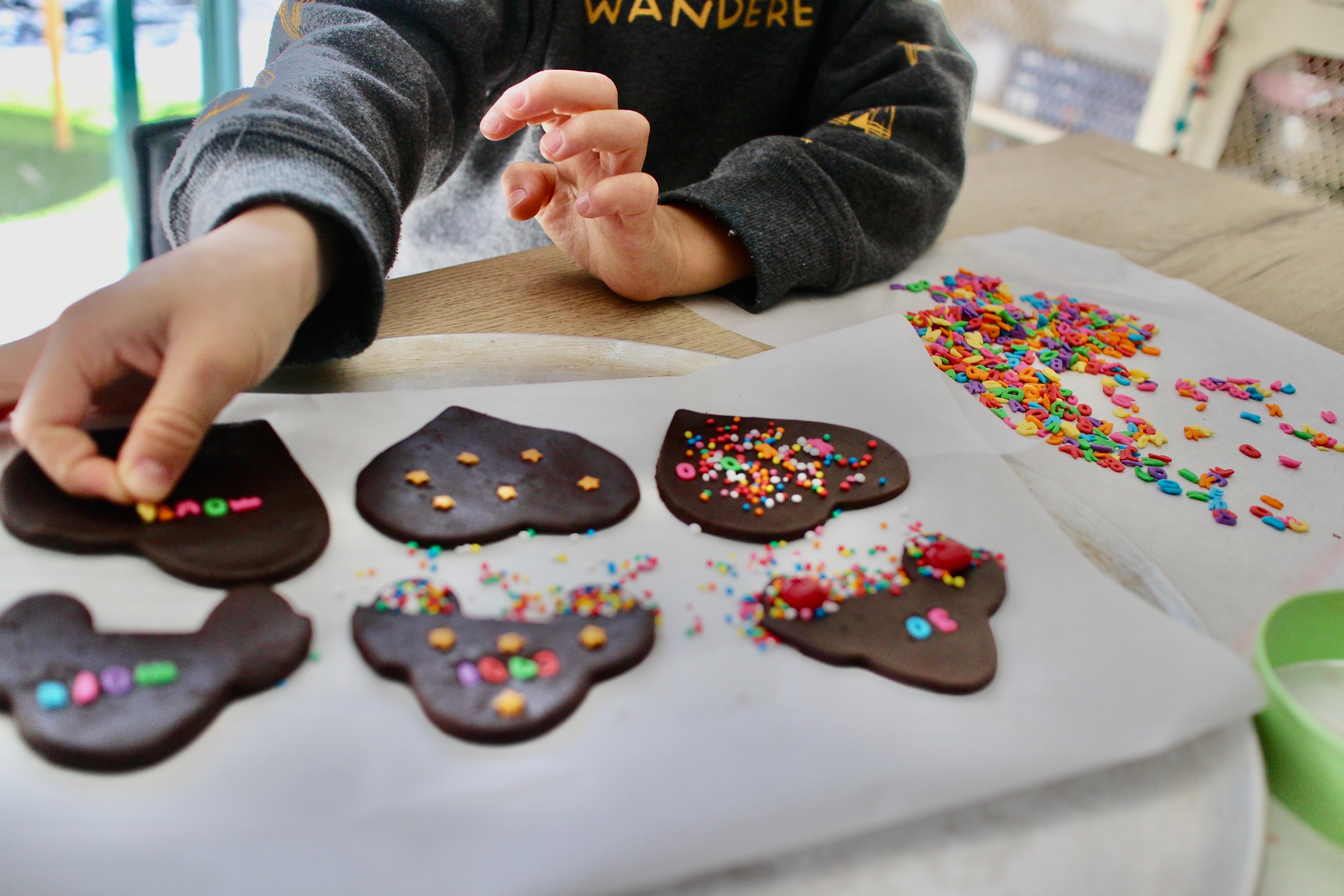
child decorating cookies

Image Credits: unsplash.com

One tradition you might want to try is the gift of giving.

Have your child pick out a toy or game they’re no longer interested in and give it to a younger child who will be excited to receive it. This teaches them two things: first, that it feels good to give to others, and second, that not everything they own needs to be kept.

Another tradition you can try is the gift of service.

Have your child do something nice for someone else in your family or community. Maybe they could bake cookies for their grandparents, write a thank-you card to their teacher, or strike up a conversation with the elderly neighbor next door. This teaches kids that there are ways to serve others that don’t involve lots of money or things.

Setting a good example: modeling gracious gift-receiving behavior

When you receive a gift, whether it’s from your friend, spouse, or family member, take a moment to express your appreciation.

You can say something like:

  • “Thank you so much for this lovely sweater. I can’t wait to wear it.”
  • “I’ve been wanting this book for a while. Thank you for thinking of me.”

Your child will be watching your reaction and taking cues from you on how to respond when they receive gifts. So make sure you set a good example!

When it comes to raising grateful kids, start early and be consistent. Explain the concept of gratitude, and model it yourself. You can also suggest writing thank you cards, letting your child experience giving gifts, or encouraging them to volunteer. When you look back, it’s going to be one of the best investments you’ve made in your parenting journey.
Read More...

When your spouse prefers spending the money dining out: What do you do?

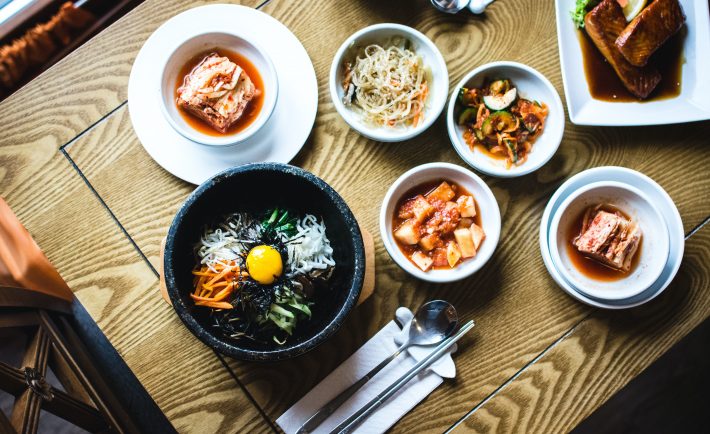
Korean food and side dishes

You’ve just come home from a long day of work, and you’re starving.

You head into the kitchen to prepare dinner, but your spouse has other plans. They would rather go out to eat and spend the money. What do you do?

You have a few options. You can either compromise and go out to eat together, or you can cook dinner yourself and let them fend for themselves. Or, read on.

Consider cooking together to make it fun

Cooking together can be an entertaining way to spend time with your spouse.

Not only do you get to cook a meal, but you also get to chat and spend time together.

Set aside time each week to do that. It doesn’t have to be a lot of time, but it should be enough so that you can focus on cooking and not feel rushed.

Analyzing the financial impact of dining out

Dining out can be expensive, especially if you’re eating at restaurants full-time.

By understanding the financial influence of this decision and sharing it with your spouse, you will be better prepared to make an informed choice that makes sense for everyone.

Take advantage of food delivery promotions
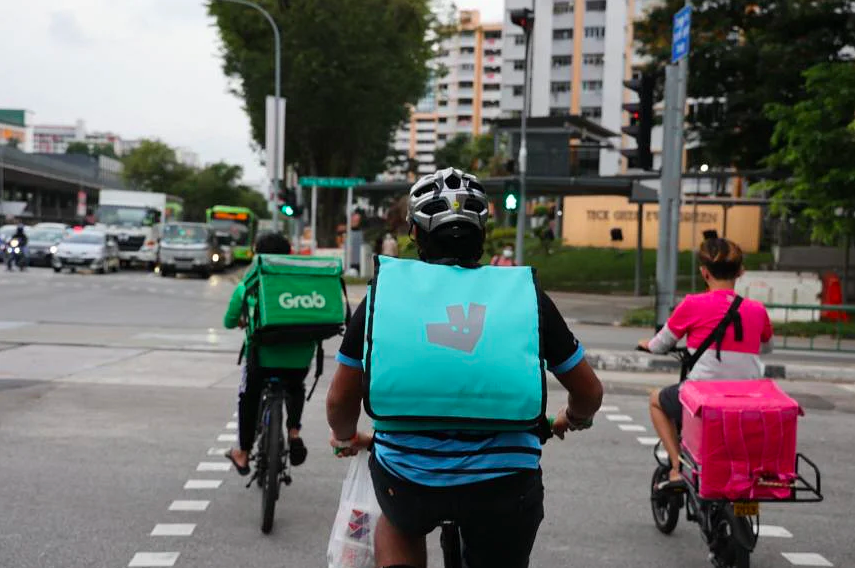
food delivery riders in Singapore

Image Credits: straitstimes.com.sg

If your spouse prefers to spend the money on convenience, take advantage of food delivery promotions instead.

This way, you can still enjoy a prepped meal without having to spend more. You might even be able to save some money.

Most food delivery services offer discounts for orders that are placed online. And if you order during off-peak hours, you can save even more. Plus, many food delivery services have loyalty programs that give you rewards for ordering from them often. So be sure to sign up for those.

Finding a compromise to keep both sides happy

Open up to the idea of compromise and try to come up with a plan that both of you are comfortable with. Perhaps you can allocate a certain amount of money each month that can be spent on dining out.

Or, maybe you can work out a plan where you cook at home more often and only go out to eat on special occasions. It’s good to understand each other’s values and spending habits so that you can find a midpoint that works for both of you.

Tips to have an enjoyable time eating out on a budget

Here are some tips:

  • If you want to save money, consider going to lunch or happy hour instead of dinner. Many restaurants offer great deals during these times.
  • When you do go out to eat, try splitting dishes with your spouse. This way, you can try more variety and save money at the same time.
  • Enjoy your time! Don’t be overly obsessed with how much money you are spending, but rather on quality time with your partner.

It can be challenging when your spouse prefers spending the money dining out over cooking at home. On the one hand, you may feel like you’re not getting your fair share of the budget when the other party spends more money on dining out than you would like. On the other hand, you may also feel like you’re not getting the healthy home-cooked meals you crave. No matter which side of the issue you’re on, have a conversation with your partner about how you feel. You may also want to consider compromises, such as cooking together or taking advantage of promotions. Ultimately, the most noteworthy thing is that both of you can come to a consensus about handling money when dining out.

Read More...

4 Spectacular, New Places to Explore in Singapore

Grab your favorite cup of hot chocolate or peppermint mocha and treat yourself with a trip to these spectacular, new places in Singapore! Let the good times roll with your friends and family members ’tis Yuletide season.

#1: STROLL DOWN ORCHARD ROAD

From now until January 2, 2023, Orchard Road glistens with streetlights and big Christmas trees. Take beautiful pictures with your loved ones as the entire stretch is dazzled with fairy lights, towering Christmas trees, and plenty of festive props. You can start from Plaza Singapura and end at Tanglin Mall.

Image Credits: facebook.com/VisitSingaporeANZ

Head down to Tanglin Mall for some winter wonderland glamour. This mall is a popular attraction for kids and young at heart. Near here is the Forum The Shopping Mall, which has pink neon lights decor that glows magically at night. While strolling some more, you will see Wheelock Place. Wheelock Place will draw you to its star-shaped illuminations suspended within its structure. Lastly, you will experience luxury with ION Orchard’s enormous star-shaped tree topper from Dior. This is your perfect backdrop for an IG snap!

#2: WITNESS THE CHANGI AIRPORT CONNECTOR

Witness the Changi Airport Connector light up in bioluminescence until Jan. 31, 2023. The 3-kilometer-long festive installation is called the Dino Glow. The Dino Glow greets its guests with a trail of 1,100 levitating jellyfish beneath the T2 Skytrain tracks. Along the park connector are 4,000 dandelions and 3,600 mushrooms, which leads to a 40-meter tunnel of lighted arches. The dinosaurs at Jurassic Mile are also decked out in festive gear. The light-up runs daily from 7pm to 1am.

Image Credits: Changi Airport Group

Apart from these, there will also be local food, burgers, and desserts. Some are blue too! There will be blueberry bubble tea and blue donburis. The food trucks are open every Friday, Saturday, and Sunday from now until Jan. 1, 2023 at 5pm to 10pm.

#3: APPRECIATE HYPERREALISTIC ART AT ARTSCIENCE MUSEUM

Patricia Piccinini: We Are Connected exhibition reimagines reality at ArtScience Museum until Jan. 29, 2023. It features more than forty artworks and installations by contemporary artist Patricia Piccinini. Guests will be amazed by the strange reality where human-animal hybrids exist. Through her life-like sculptures, Patricia explores the advancements in biotechnology such as genetic engineering. Ticket prices range from S$16 to S$21.

Other activities at ArtScience Museum include the guided tours of the exhibition, which are available in Mandarin and English. Additional fees apply.

#4: PLAY AT THE GREAT BAY FIESTA

The Great Bay Fiesta displays attractions at Marina Bay, which runs from now until Jan. 1, 2023. The 20,000-square meter space includes four main event segments: The Great Cirque des Cascades, The Great World Carnival, The Great Food Fiesta, and Ice Magic: The Great Fantasy on Ice.

As someone who has never watched circus acts before, you will be impressed by the various performing acts that the Great Cirque des Cascades offers throughout its 80-minute runtime.

Image Credits: facebook.com/cheekiemonkies

At -10 degrees, Ice Magic: The Great Fantasy on Ice is the closest winter experience you can have in Singapore. The indoor ice playground will delight your children and their peers. Admission to the Great Bay Fiesta is priced from S$10. Additional payment applies for the activities.


Read More...

Reasons Why Couples Argue About Money

Money issues are some of the main reasons why people end up in divorce court. Money is a touching subject that plays a vital role in any household. If you have enough money, you will be able to meet your basic needs and have some measure of happiness.

There are many reasons why couples have trouble communicating about money. Here are some of them:

#1: DIVERSE MONEY EXPERIENCES

Some Singaporeans have opportunities to learn money management skills growing up; many did not. Money is tight for some, so as adults, people may take steps to avoid the consequences of not having enough money.

How money matters were discussed and handled in previous relationships will affect how people handle their money in their current relationship. Learning how to make wise choices is important.

#2: DISSIMILAR COMMUNICATION STYLES

There are different communication styles that people typically use. While some are passive, others are aggressive. Passive communicators avoid expressing their thoughts and feelings about money. They often feel resentful, anxious, or even hopeless. Aggressive communicators overly express themselves in a powerful manner. These people dominate money conversations.

Lastly, assertive communicators share their thoughts and feelings respectfully. These people know how to listen and reflect on what they are hearing from the other person. Aim for this type of communication style.

#3: DIFFERING MONEY VALUES

When it comes to finances, we tend to spend money on things we value. For instance, a person who values security spends his money on insurance. If someone values freedom, he may throw caution to the wind with their money and spend impulsively.

We decide what our values are through experience, which means they could change throughout our lives. Some factors that influence our values include our educational background, culture, age, gender, socio-economic conditions, marital status, and other expectations.

#4: NEED FOR CONTROL

If you are in a relationship where both people want to be the head of finances, problems can ensue. Different ideas of how control looks like affects how we see our financial futures. Some of us have more controlling personalities than others. However, what if both of you are controlling?

Image Credits: unsplash.com

#5: INCOMPATIBLE SPENDING HABITS

If she likes to eat out and you like to cook at home, the two of you do not see eye to eye about how to spend money on food. Discuss household responsibilities and learn how each other feels. Find a middle ground where you both compromise.

#6: COMPETING SAVING HABITS

A saver and a spender can have different dynamics at home. The saver needs to understand that the spender wants to live a comfortable life, while the spender needs to be more careful and realistic with money.

#7: DISPARITIES IN INCOME

It can be challenging to get along if one person earns substantially more than the other. One of the best solutions for this situation is to let each person pay for bills based on the percentage of total income they earn (per month).

Do not let these seven elements become obstacles that get in the way of your relationship. Create a schedule for regular money discussions.

Sources: 1 & 2


Read More...

How to Be a Good Money Influence on Your Friends

Friendships can benefit you in encouraging you to live healthier, elevating your quality of life, and lifting your self-esteem. Your friends should help you to be the best person you can be. You should do the same. Here are a few tips on becoming a good financial influence on your friends.

#1: SHARE YOUR EXPERIENCES WITH OTHERS

In 2013, researchers found that solitary experiences brought just as little happiness as the material things. Social experiences, on the other hand, were more valuable to the participants. Compared to possessions, we worry less about what others will think of our experiences, and they do not generate the same kind of regret. Consider sharing your experiences with your close friends and family members.

#2: SPEND MONEY ON THE RIGHT PEOPLE

A 2011 study showed that participants who recalled spending $20 on someone close to them reported feeling more positive emotion than those who recalled spending $20 on an acquaintance. Spending money on the right people is important for your financial health.

Allocate your dollars so your friends or family members can benefit without you feeling detached or drained.

#3: PAY YOUR BILLS ON TIME

Serve as a good example by paying your bills on time every month. Paying your bills on time helps you avoid late fees and prioritizes essential spending. On-time payment history can also lift your credit score and improve your interest rates.

#4: SAVE MONEY TO AFFORD BIG PURCHASES

Can you imagine constantly asking your friends for money? Certain kinds of loans and debts can drown you. Big purchases such as purchasing appliances and furniture can best be completed by cash.

When you buy in cash, you avoid generating interest and creating a debt that requires years to pay back. In the meantime, you can save money in your bank account and watch the power of compound interest.

#5: SET SMART GOALS

A person with financial goals can provide a good direction for himself and those around him. Setting goals helps you lay out your “why”. It also gives you something to work towards for.

Image Credits: unsplash.com

As you set your financial goals, keep in mind that you want them to be SMART. Break down your big goals into small, easily digestible chunks.

Sources: 1 & 2


Read More...