Ultimate Guide To Singapore Taxing System

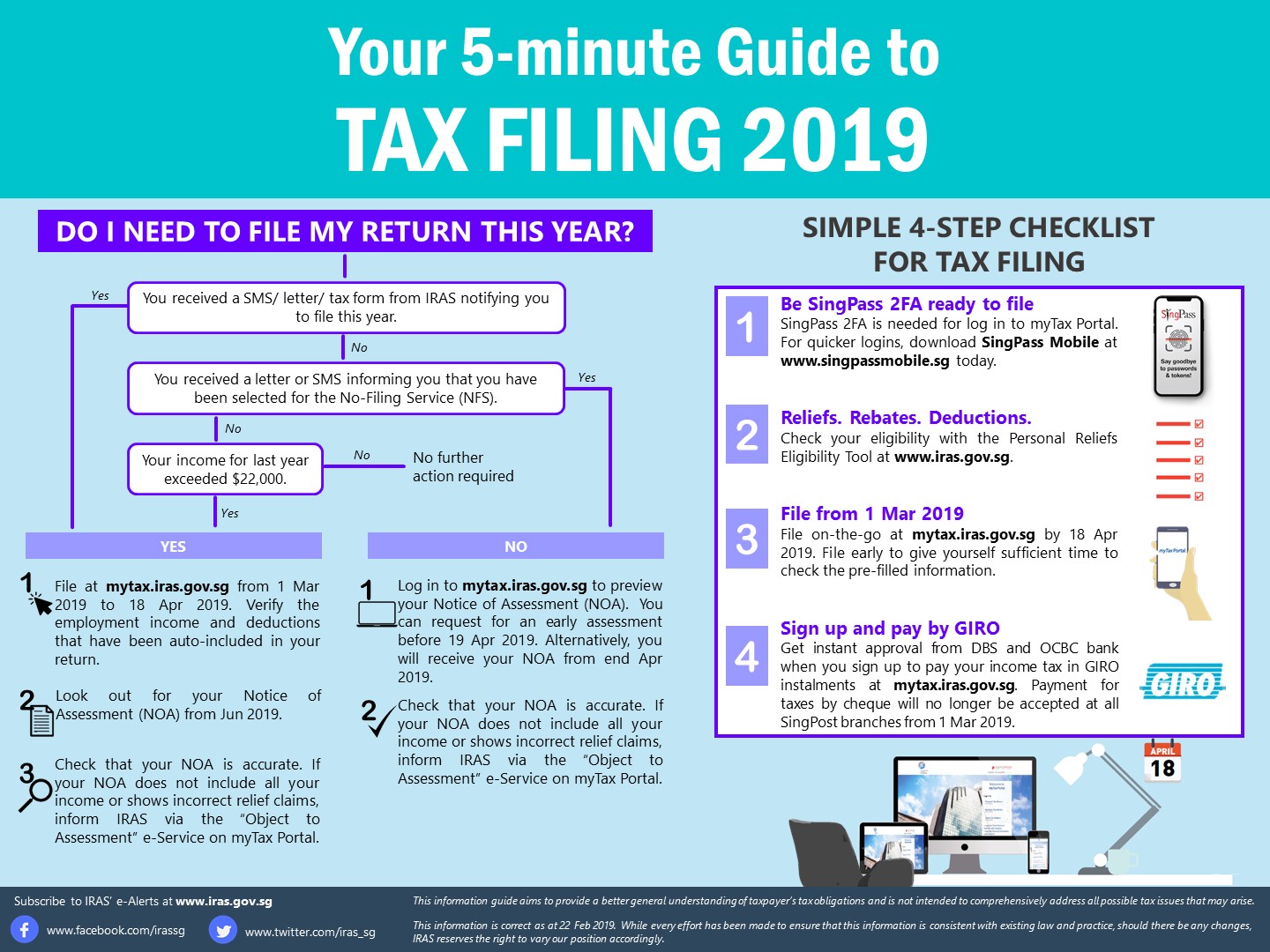
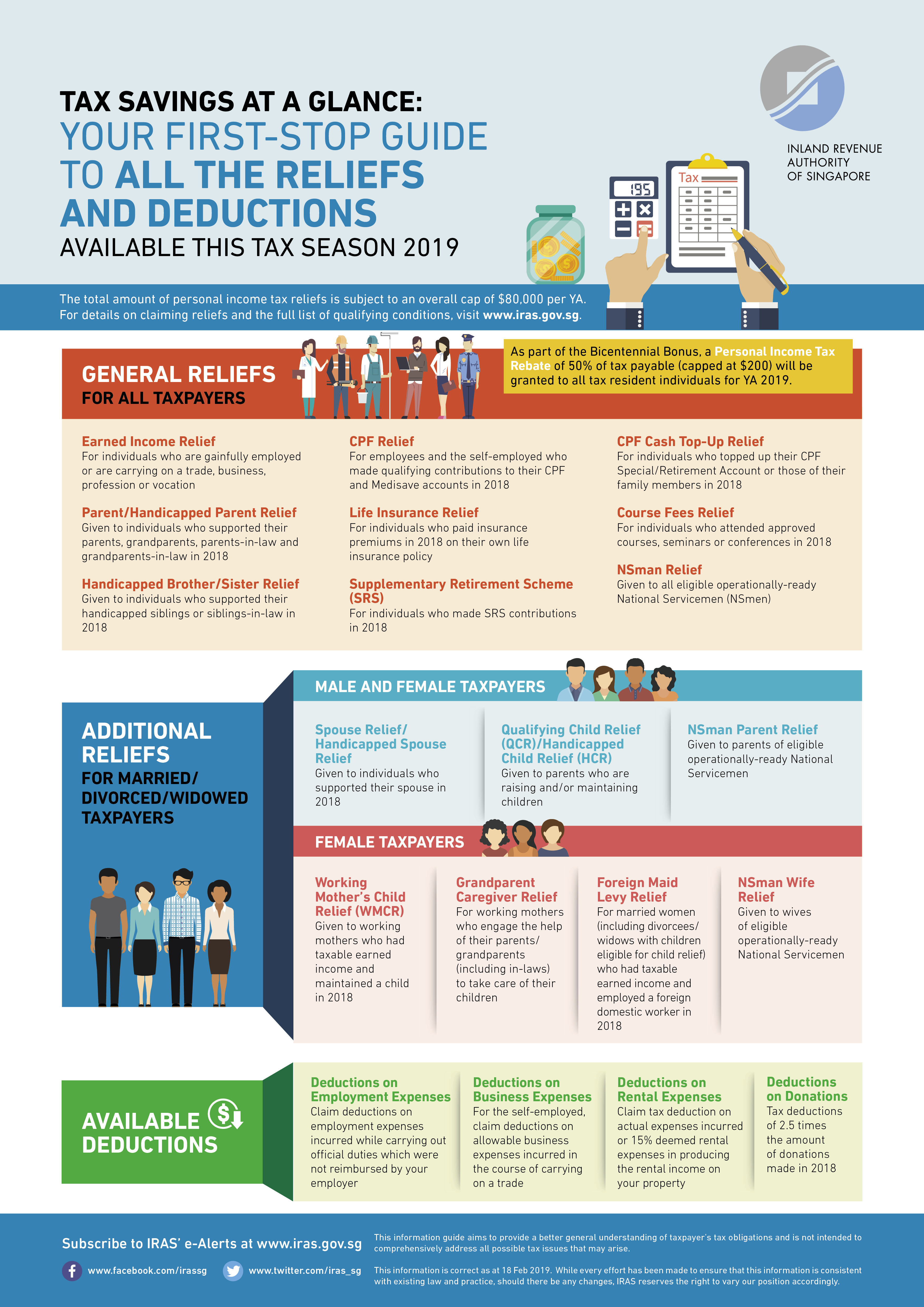
Aside from its undeniable cleanliness and thriving economy, foreign investors see Singapore as a country with an attractive corporate and personal tax rates. The Singapore taxing system is widely known for its tax relief measures, absence of capital gains tax, one-tier tax system, and extensive double tax treaties. What keeps this system going?

To answer that question, we must dive in to different types of taxes.

INDIVIDUAL INCOME TAX

As the name suggests, the individual income tax is imposed on a person following his or her total income. The extent to which a person pays for depends on one’s status in Singapore. At the time of assessment, the government may consider you as a taxpaying resident or a taxpaying non-resident. For residents, the tax rates begin at 0% and are capped at 22% (above S$320,000). For non-residents, the flat rate is 15% to 22%.

CORPORATE TAX

The corporate tax is imposed on a company following its profit or net income. Net income refers to the difference between the total expenses, receipts, and additional reductions in the book value of an asset. You have to understand that a company will only be taxed if the income is generated from Singapore or generated from overseas and received in Singapore.

What’s more? The corporate tax operates on a one-tier system and caps at 17%. By keeping corporate tax rates competitive, the country continues to attract a significant share of foreign investment.

PROPERTY TAX

It comes as no surprise that all property owners in Singapore are subject to Property Tax. It is imposed on property owners based on the expected rental values of their properties. It is levied on the unmovable properties such as buildings and lands. It is pretty much clear cut from here.

GOODS AND SERVICE TAX

Last but not the least is the type of task that we tackle on a daily basis – the Goods and Service Tax (GST). It is an indirect tax levied on the price of goods and services in the country.

GST was introduced in 1994 at a rate of 3%. Years have passed and the rate has been steady at 7%. Imported goods sold in Singapore follow the same GST rate too!

Image Credits: pixabay.com

Use these information to enrich your savvy consumer skills! ?

Sources : 1 & 2

Read More...

Five Credit Card Safety Tips

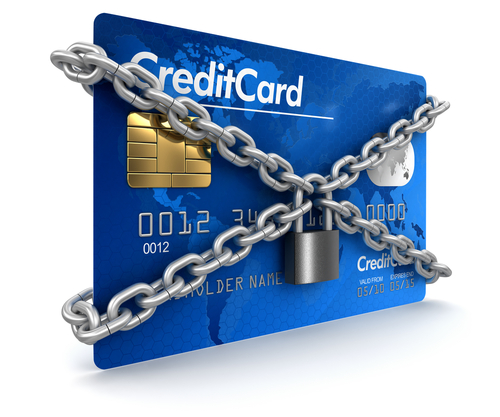
Whether you are doing business online or you have a physical store, payment security is a must for you. Credit card payment is one of the popular ways for customers to pay for the goods or services that they are availing.

It is essential to your business to make sure that the credit card payment you are taking is free of fraud. Consumers who are victims of fraud purchases can file chargebacks through their credit card companies, leaving you on the losing end, especially if you have already shipped the goods.

On the other hand, you have to secure your payment system as well, so the cardholder’s information will not fall on the hands of cyber thieves.

Here are some credit card safety tips for you to minimize business’ losses:

1. Verify the issuing card company

If you are taking payments over the phone and you are unsure of the issuing card company, try a BIN lookup. Just enter the first 6-8 digits of the card number, and it will tell you the issuing card company.

Knowing the issuing card company will help you if there is a need for you to report a suspected fraud. Do not even think twice in calling the issuing bank. Fraudulent transactions will do you no good. It may look like money, but it will be reversed anyway.

2. Take advantage of an Address Verification System (AVS)

Credit card companies and issuing banks cooperate with merchants to check whether the submitted billing address by the customer matches with the address on their end. Major card companies such as Visa, MasterCard, American Express and Discover Card support AVS.

If you are using a payment processor, talk to them on how to integrate and implement AVS on your payment processing.

Briefly, though, this is how AVS works:

  • When you make the AV request, the first 4 to 5 digits on the street address and the zip code will be checked against the address on file at the bank. For instance: 1238 Main Street, Main USA 98763. What will be checked are “1238” and “98763.”
  • There will be six return codes for the check namely: full match, partial match address, partial match zip code, no match, international, and unavailable. You will receive one of these codes.

A full match is ideal as it comes with less risk. If the shipping address matches with the address on file at their issuing bank, then it is harder for the customer to dispute the transaction.

  1. Maintain a secure network

    Invest in high-grade encryption especially that you are processing payments. In doing this, you are not only protecting your business but also your customers’ information.
    Apart from encryption, there are other ways to secure your network:
  • Install anti-malware software especially those that can run in the background.
  • Update your tools regularly so weak spots will be fixed.
  • Utilize layered security measures like using strong passwords and two-factor authentication.

Always be watchful of the different fraudulent schemes of these con artists.

  1. Be PCI Security Compliant

The Payment Card Industry has set some guidelines on how to secure cardholders’ information. You can read the details of these guidelines on the PCI Security Standard Council’s website.

Take some time to read the guidelines so you can implement the security measures recommended. These measures suggested will keep the acceptance and transmission of cardholders’ information safe. Being compliant to these is one of the best ways to combat credit card fraud.

5. Be critical of customers’ purchasing behavior

As it is essential to secure your payment system technically, it is equally important for you to be vigilant on customers’ behavior.

These are few things to be watchful of on your customers:

  • Multiple items in an order especially if it doesn’t make sense.
  • Multiple orders on the same day.
  • Orders coming from countries you unusually get orders from.
  • Big items such as tv’s or laptops.

You can require additional identity verification for unusual purchases. Customers will appreciate your effort as you explain to them the purpose of what you’re doing. After all, it is for their own safety, too.

Maintaining the safety of credit card payments and making sure that you are taking payments from the legitimate cardholders will not only ensure that your business is profit-wise, it will also safeguard your reputation.

As an entrepreneur, you cannot afford to lose some profit to con artists and tarnish the reputation you are working hard to build. Carefully examine your current payment system and make the necessary changes if needed.


Read More...

Investing in Antiques & Collectibles

Hard assets, such as art, antiques & collectibles, as a form of investment alternative?

Well, perhaps these could be the following reasons.

Assets of such, often retain their value as inflation rises, and they can also provide balance to other asset classes that suffer more from rising costs.

Collectibles include everything from high-priced antiques, gems, works of art and many others.

1) What makes collectibles valuable?

Some collectibles are valuable because they are creations born of talent, skill and workmanship.

For instance, Chinese Porcelains. Each item is inherently unique, and its value may be specific to that individual item. These types of collectibles tend to hold their value over time, generally keeping pace with inflation. Many also have the potential to appreciate in value. The value of these types of collectibles depends on many factors as well. The age of the item, rarity, craftmanship and its current popularity among collectors may all be factors in determining its value.

2) Why invest in Antiques & Collectibles?

Some but not all, increases in value, though they tend to appreciate slowly over a number of years. Another attributing factor, “The new high will always be higher”, which is why we oftenly see these items setting new records high with auction houses around the world. Collectibles, however, can act as a hedge against inflation too. This is why many investors are sometimes tempted to add them to their portfolios.

3) Upsides

As an investment, There are a number of unique upsides which you cannot replicate with anything else.

Tangible assets:

Collectibles are not influenced by inflation or interest rate headwinds.

Low-correlation to the stock market:

Collectible markets rarely move in tandem with the economy.

Growing rarity:

It is all about supply and demand.

And over time, A good piece of work, become scarce when that particular item is no longer trading in an open market.

Personal control:

You hold on to the assets; you don’t have to worry about anything like an investment bank run, or being scrutinized into a virtual world with no physical ability to control and manage. And If you’re one lucky collector with ability to capitalize on arbitrage situations, you’re against all odds.


For more information, please contact iTreasures Capital via the following channels:
Website: www.itreasures-capital.com
Email: [email protected]
Enquiry: +65 6988-6602 (9am – 5.30pm, Monday – Friday)
FaceBook: www.facebook.com/itreasurescapital

Read More...

Restore Your Faith In Humanity With The Good Samaritans Of Singapore

With the Internet’s power to create different debates and to fuel the flames of negativity, it is essential to shed a light on positive stories. Stories that focus on human acts of random kindness can make your warm your hearts.

These positive stories are guaranteed to make you feel hopeful about our growing species. Who knows? It may even inspire you to do good yourself. On that note, here are some random acts of kindness that will make your hearts warm!

#1: GOOD FINANCIAL DEED AS AN EMPLOYER

2015 was a good year for Crystal Jade employees. You see, their former boss gave bonuses of up to S$40,000 to current and former Crystal Jade employees in Singapore. I am referring to the Hong Konger and the Singapore permanent resident – Mr. Ip Yiu Tung.

Mr. Ip Yiu Tung is the former boss of Crystal Jade, a restaurant known for its delicious and juicy xiao long baos. He sold his stake and remained as the adviser and brand ambassador of the company. Upon earning a significant amount of money from his financial move, he decided to share his blessings. In an interview, he was quoted saying:

Image Credits: pixabay.com

“I am not greedy. I don’t need more money to make me happy. I was already happy. I need a meaningful life, not just money.”

#2: GOOD FINANCIAL DEED AS AN EMPLOYEE

Did you know that a mover in Singapore recently returned S$50,000 inside cabinet that customer had forgotten was there? You read that right!

Honesty seems like a rare gem these days. When it comes to the moving business where you are entrusted with handling the clients’ precious items such as furniture and other valuables, honesty becomes integral. This is what Prestige Moving Services has proven.

This is Mr Jake. One of our best man. We would like to express our gratitude to him for his honesty which not many…

Posted by Prestige – Moving Services on Saturday, January 12, 2019

One of their employees, Mr. Jake, found S$50,000 wrapped up in a plastic bag at a corner of the client’s cabinet. The money was believed to be forgotten by their client. Mr. Jake made the best decision to return the money right away.

He gained much praise in the eyes of the Netizens, especially because his looks can be deceiving. Many were quick to point out that he was a trustworthy person despite appearing to be a muscular man covered with tattoos. This story goes to show that you must not judge a person’s character based on his or her looks alone!

#3: GOOD FINANCIAL DEED AS A STUDENT

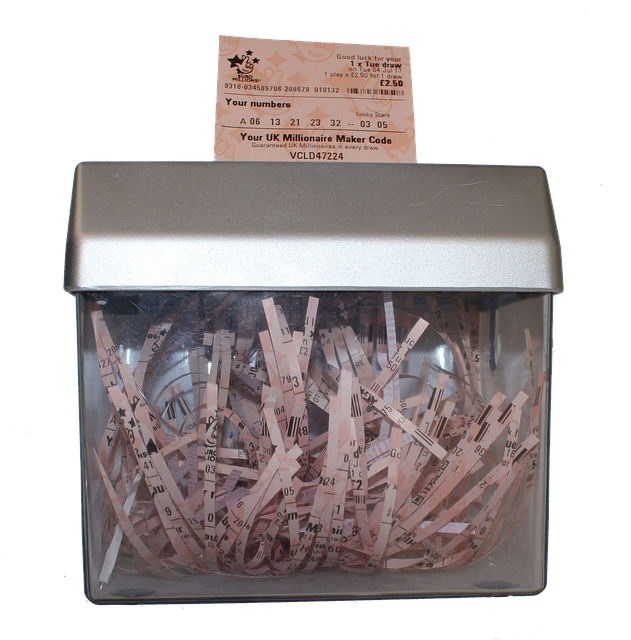
How can you help someone financially if you have little to offer? Well, you may start by helping someone win the lottery! That was what Bryan Lee, a Nanyang Polytechnic student, did last year.

Let us begin the story. A couple supposedly won S$2,500 in 4D after dreaming of the lucky number. However, said couple lost the ticket. Storekeeper Neo Hock Wah said that his wife had used S$10 to buy a 4D ticket. Unfortunately, his wife dropped this ticket from her wallet while alighting from a bus.

Neo’s wife had taken a picture of the ticket. However, you cannot redeem the prize money with this method alone. To the Singapore Pools’ defense, anyone can digitally edit a “ticket” nowadays.

The couple decided to seek help from the Netizens. Fortunately for them, a student by the name of Bryan Lee picked up the ticket from the same bus the wife had taken.

Seeing that the ticket was in good condition, Bryan realized that someone might have lost it by accident. He contacted the worried couple via Wanbao.

Image Credits: pixabay.com

In Bryan’s humble words, he said: “My priority was to find the owner. Just because I can collect the lottery money does not mean that was the right thing to do.”

Sources: 1, 2 , & 3

Read More...

4 things to expect when you invest in P2P lending

Peer-to-peer lending, or P2P lending, utilizes technology and big data to connect investors and small and medium-sized enterprises (SMEs) looking for business funding. To investors, it provides them with an opportunity to earn passive income by financing business loans for SMEs.

In Southeast Asia, P2P lending has witnessed significant growth in recent years, led predominantly by Singapore. To date, around 60 platforms are currently operating in the online lending and crowdfunding space, which have become an increasingly popular alternative investment option.

If you’re wondering how you can take part in investing with P2P lending, Funding Societies would be a great place to explore. As of January 2019, Funding Societies has onboarded more than 85,000 investors across Singapore, Indonesia and Malaysia and provided more than S$350 million worth of investment opportunities in crowdfunded loans.

Here are four things you can expect when investing in P2P lending through Funding Societies.

1 / Investments with short tenors

Funding Societies offers three investment products: Business Term Loan, Invoice Financing, and Property-Backed Secured Loan. Business Term Loan allows you to make investments by financing SME loans with tenors ranging from 1-12 months. In return, you will receive monthly repayments of principal and interests. You can maximize your returns by reinvesting your repayments to new loans.

Meanwhile, with Invoice Financing, SMEs would be able to cash out by pledging their invoices to Funding Societies. Invoice Financing has a shorter tenor, which generally lasts for only 30-120 days with a one-time repayment of principal and interest at the end of the tenor.

With Property-Backed Secured Loan, investments are secured by a property (residential, industrial, or commercial). Different from the other products, Property-backed Secured Loans offer security in the form of property as a collateral, and is a good option to add diversification to your investment portfolio.

2 / Potential returns up to 14% p.a.

As an investor, the returns you get from your P2P lending investments come in the form of interests paid by SMEs.

Given that P2P loans are generally more flexible in its tenor and SMEs that get financing from Funding Societies have shorter or imperfect operational track records, interest rates are determined accordingly based on risk, in the range of 8-18% p.a.. Higher risks typically come with higher returns, so investors should invest based on their appetite for risk.

3 / Regular updates from the platform

Expect to get regular updates from Funding Societies as an investor on the platform! With every important event or update, the platform sends alerts via email or in-app notifications so that investors are constantly kept up to date with us.

For instance, whenever there is an upcoming loan for crowdfunding, investors will receive an email notification. In the event of late repayment or if there’s an update for specific loans, Funding Societies will also communicate in the quickest and most transparent way. So make sure you switch on your app notifications for any important alerts!

If you need any further clarifications, Miyu, Funding Societies’ very own chatbot, and our customer experience (CX) team will be happy to answer all of your questions via live chat. Or call us at 62210958 to have a quick chat with our team.

4 / Well-designed User Interface (UI)

Invest with Funding Societies – User Interface

Funding Societies Mobile App – Dashboard

Investors should be able to review their portfolios easily. That’s why Funding Societies has improved its website and mobile app to provide details of your investment portfolio in a clear and concise manner.

As an investor, you can review your portfolio, change your auto-invest settings, crowdfund a loan, and even use the live chat feature — all in one mobile app! It’s so simple, convenient and efficient, which is why 80% of Funding Societies’ investors are investing on the go.

Got more questions? Ask Funding Societies on 24 January 2019!

Funding Societies is hosting an investor event on 24 January 2019 evening to share more details and insights of how P2P lending works on its platform. You’ll also be able to meet the team and get to ask them all the questions.

  • Date: 24 January 2019, Thursday
  • Time: 6.30pm – 9pm
  • Venue: Lowercase Cafe @ 1 McNally Street (Rochor MRT)

Sign up for the event here.

This article is adapted from this article which first appeared on Funding Societies’ blog.

Disclaimers:

This article is contributed by Funding Societies.

It should not be construed that Moneydigest is endorsing this article or any of the products and services provided by Funding Societies.

Nothing in this article should be construed as constitute or form a recommendation, financial advice, or an offer, invitation or solicitation from Funding Societies to buy or subscribe for any securities and/or investment products. The content and materials made available are for informational purposes only and should not be relied on without obtaining the necessary independent financial or other advice in connection therewith before making an investment or other decision as may be appropriate.


Read More...