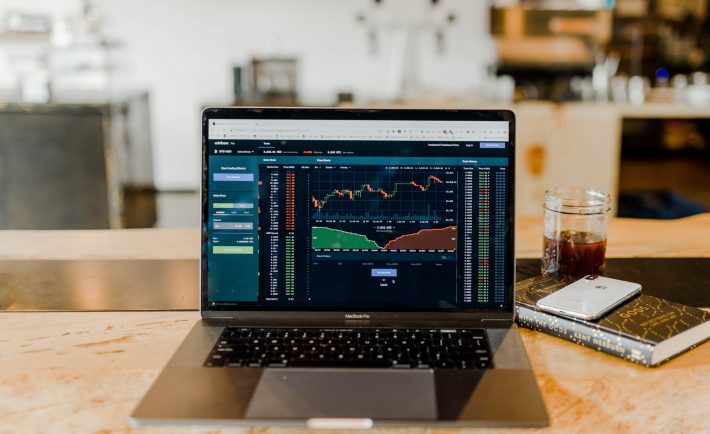
Stocks Are Plummeting Due To The Global COVID-19 Scare

There is a scarcity of resources wherever you look. Toilet papers are flying off the shelves like the migratory Great snipe. People are typically seen hoarding cleaning supplies such as disinfectant sprays, antibacterial wipes, hand sanitizers, and so on. It is difficult to source out masks too!

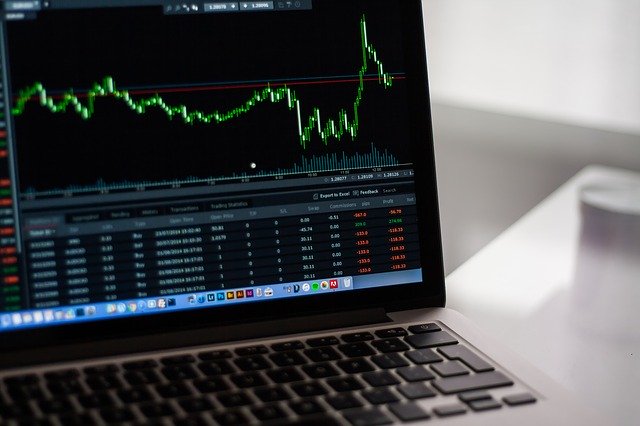
With the scarcity of supplies, travel restrictions, and the limited capacity to work, the global COVID-19 pandemic has affected the economy in more ways than one. Last week, Wall Street plunged with Dow Jones confirming a bear market for the first time since the 2008 financial crisis. The escalating health fears sent the stock market into a nosedive, which is its worst state since the 1987 market crash.

The Dow Jones Industrial Average fell 1,464.63 points, bringing it 20% below its record set last month. This is what Wall Street calls a “bear market”. A bear market is a condition in which securities’ prices go 20% down or more from its recent highs. It is usually due to the widespread pessimism and negative investor sentiment. S&P 500 lost 140.84 points, which is just 1% point away from falling into the bear territory. While, Nasdaq Composite dropped 392.20 points.

Stocks dove even lower after the World Health Organization declared the virus outbreak as a pandemic. Stock prices reflect expectations of future profits and investors heavily perceive that the virus can reduce profits. Thus, a huge number of investors sought for the coordination of governments and central banks around the world to help control the economical threat of this virus. Until the extent of the decline is clearer, the natural reaction of many is to sell stocks.

The economic trajectory that seemed reasonable a few months a go is not going to be the same for a few months or a year. The wave of corporate conference cancellations, music festival cancellations, directives to work from home, and travel bans will exact a cost on businesses. Airlines, industrial companies, small businesses, educational establishments, service industries, and tech companies are all affected. We are all affected because the spending habits of consumers drive much of our economic activity.
Image Credits: unsplash.com

How long will this economic disruptions last and how deep will the economic market go?
Sources: 1, 2, & 3

Read More...

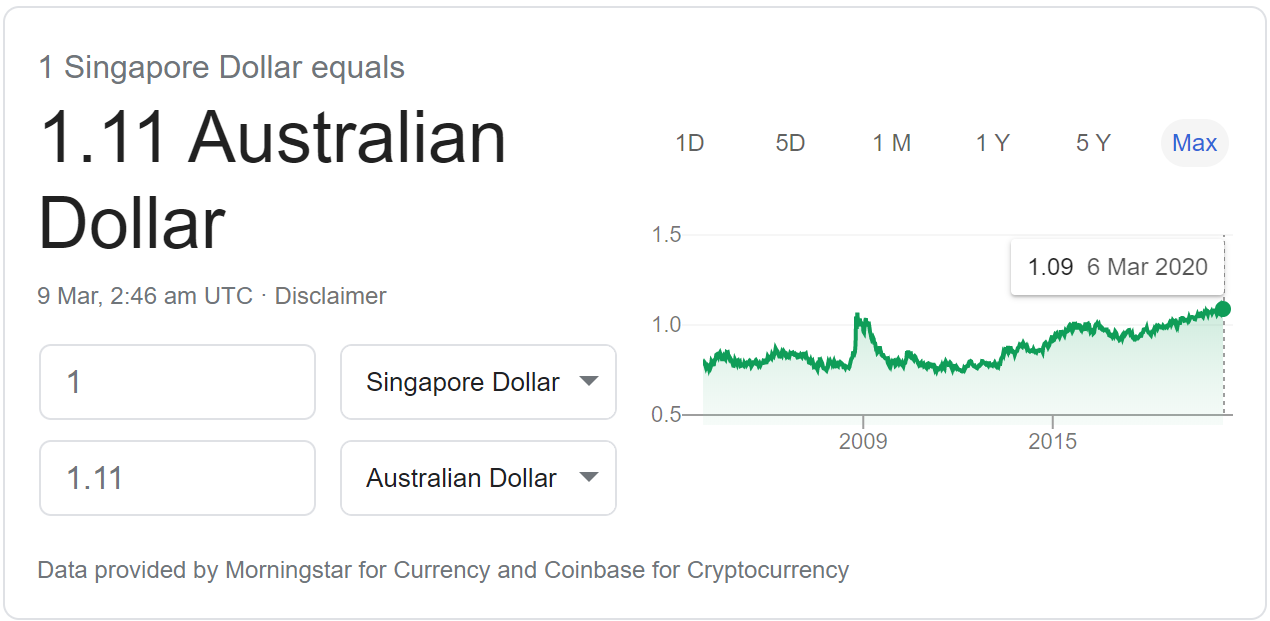
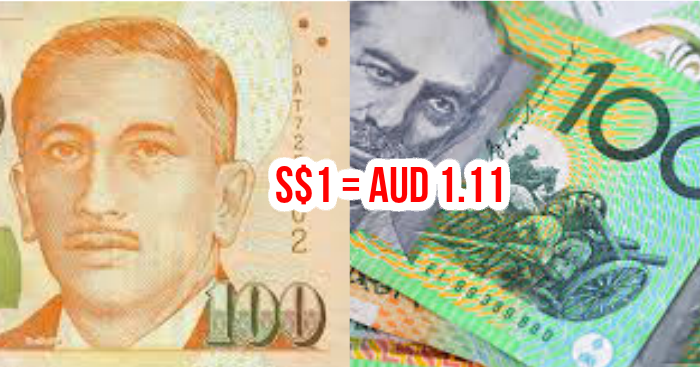
Australian dollar hits decade low against the Singdollar: S$1.00 = AUD1.11

The Australian dollar has declined against major currencies

The Australian dollar has dropped to its lowest level against the Singapore currency since September 2001.

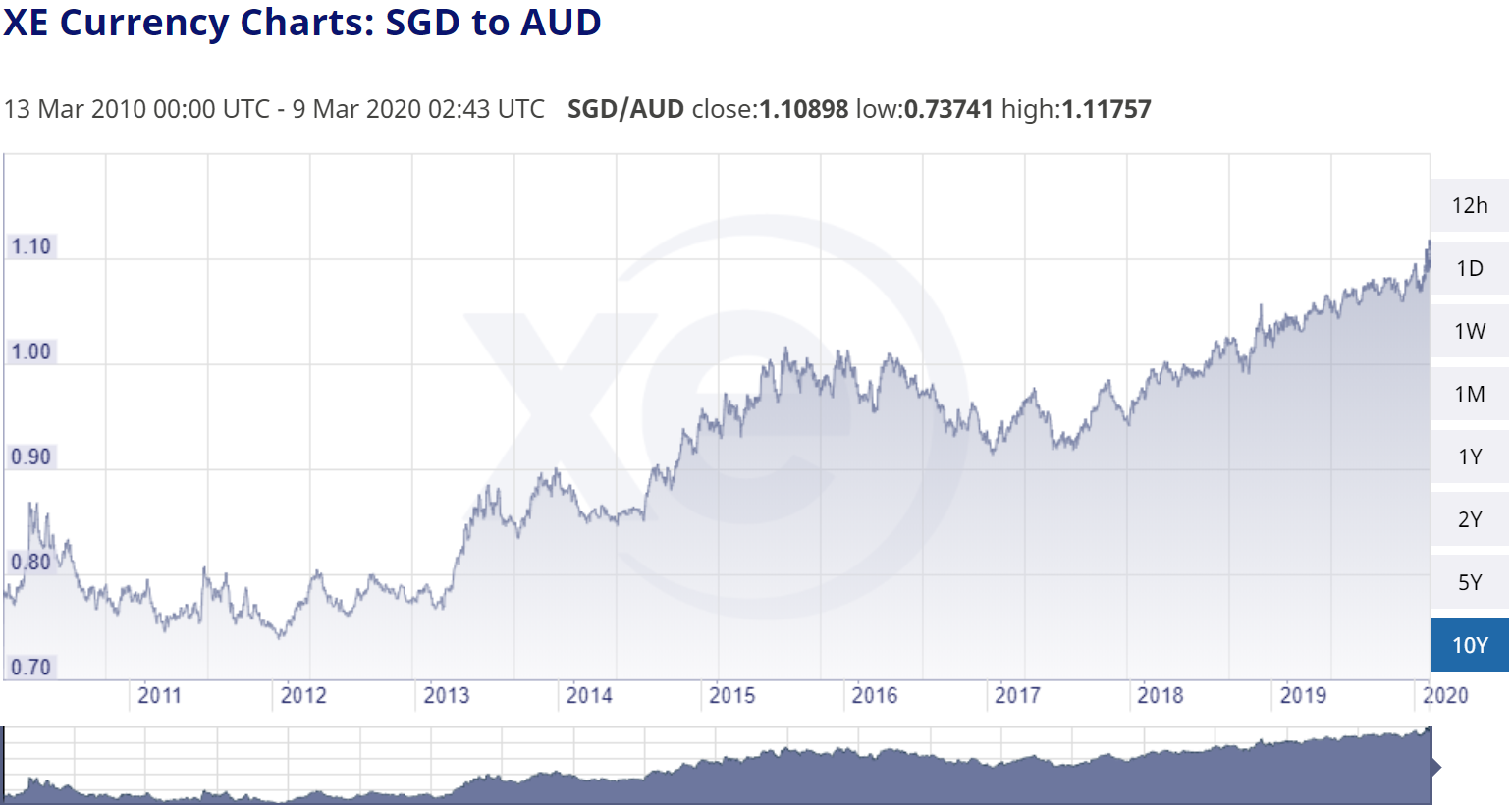
The Singdollar is worth almost 25 per cent lesser than the Australian dollar in 2012 (SGD/AUD = 0.74), but has now climbed above the AUD amid the ongoing Coronavirus situation.

A search for the SGD/AUD pair on Google shows that the rate has hit 1.11, a rate making overseas travel in Australia cheaper.

The Aussie dollar is weaker this morning after it traded at a low of 1.11757 against the Singapore currency, according to xe.com. The slide could be due to a plunge in the crude oil prices as Saudi Arabia launches a price war against Russia.
Singaporea travellers are getting more value for money due to a weaker Australian dollar and with the favourable exchange rate, studying abroad in Australia would be more affordable.

Read More...

How To Choose The Best Stock Broker For You

Money does not come from trees! Choosing what is best for you should be influenced by strategic research on the available brokerage firms in the country. Consider these factors…

STICK TO THE BUDGET

It goes without saying that your performance in the stock market depends on your budget. If you want to start investing, but do not have thousands of dollars in your arsenal then, you can start with as little as S$1,000.

Say that you want to own stocks through the CDP (The Central Depository) then, you will have to set up a CDP securities account. The CDP account is operated by the Singapore Exchange. It provides integrated clearing, settlement, and depository facilities for customers in the Singapore securities market.

To be eligible to open an account, you must at least 18 years old and not an undischarged bankrupt. You can deal with as many brokerage firms as you want with one CDP account.

COMPARE THE BROKERAGE FEES

Brokerage firms allow you to buy and sell shares on the stock market. It is important to note that they charge you brokerage or commission fees for every transaction you make. When you buy shares, you get charged. When you sell shares, you get charged. These fees add up!

Most investors want to buy low and sell high. Expect to be charged commission fees multiple times by doing so. On the other hand, commission fees won’t make much difference to your if you just want to “park” your money.

KNOW THE DIFFERENCES ONLINE

Kids, there was a time when investors where required to call their brokers to deal with them directly. Do not get me started with how stock prices and other information were passed down! Those days are gone!

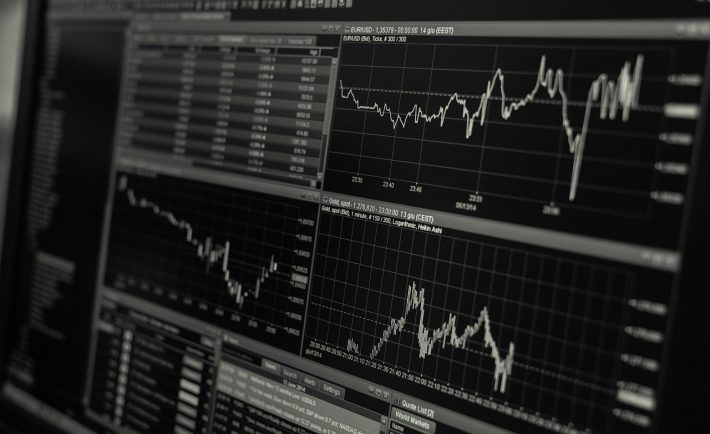
Nowadays, investors are blessed with online trading platforms that allow them to check stock prices and complete deals on the go. Some brokerage firms even have mobile applications.

Image Credits: pixabay.com

It is good to familiarize yourself with these online features before you open an account. For instance, day traders need to have a live and streaming data to get started. Choose a broker whose online features (e.g., daily news, company reports, or strategy guides) are suited to your lifestyle. Consider opening several trial accounts with many online brokers to immerse yourself with their service before signing up.

Sources: 1 & 2

Read More...

How To Start Investing With S$100 A Month

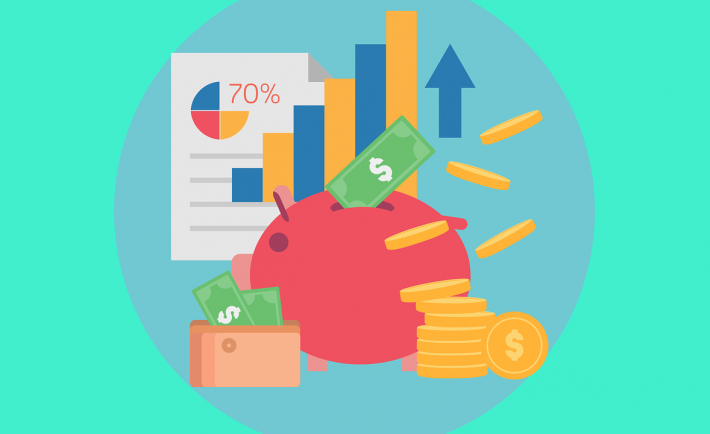
Oh, adulting! It comes in a slate of responsibilities thrown at a person all at the same time. To survive the challenges of life, one must establish a healthy savings plan. Long-term savings include having an insurance policy, a good credit score, and an emergency fund. Many people grow their savings thru investing.

Investing is an overwhelming idea for many Singaporeans as they perceive it to be expensive. Few people outside the financial industry have thought of investing their money for themselves. However, you do not need to have S$10,000 or more to start investing. You can grow your wealth with just S$100 per month.

Here are some strategies that you may apply.

#1: MAKE SMALL INVESTMENTS REGULARLY

It comes as no surprise that one advantage of making small invest regularly is that you are not trying to time the market. Instead, you are relying on your money’s “time in the market”. This is important because stocks have their ups and downs, but their prices tend to increase as time passes. This is a strategy known as dollar-cost averaging, which will average out the cost of share purchases in a period of time.

For as little as S$100 a month, you may start investing in DBS Invest-Saver as it allows you to buy an Exchange Traded Fund (ETF) that mirrors the performance of the Singapore stock market or a bond ETF.

#2: CONSIDER REGULAR SHARES SAVINGS

One of the most affordable ways to get inside the Singapore Exchange (SGX) is through Regular Shares Savings (RSS) plans. RSS can be opened with the help of a local brokerage firm or bank.

The broker of the financial institution will invest a fixed amount of money every month based on your instructions or financial capabilities. For instance, you may choose to invest S$100 each month into the Straits Times Index (STI) Exchange Traded Fund (ETF).

Control is one of the best parts of RSS plans. If you wish to invest money in different companies each month, you may do so. If you wish to stop investing in a company each month, you may do so. Simply instruct your broker and adjust your monthly investments. Some financial institutions allow you to take control of your RSS plan through online platforms.

#3: APPLY FOR UNIT TRUSTS

If you prefer to have someone else control your investments then, you may choose to invest in unit trusts. Unit trusts work by collecting money from many investors. A professional fund manager will take this pool of money and grow it following a specific investment strategy. It is a collective investment, which is why you do not have personal control over the individual components of the investment portfolio.

A common misconception about investing thru unit trusts is that you do not need to do anything. This is not true! As an investor, you must do your research before deciding which unit trusts you wish to invest in. By doing your research, you will know that both DBS and OCBC unit trusts allow you to either invest a lump sum of S$1,000 or S$100 per month.

Image Credits: pixabay.com

Good luck with your investment journey!

Sources:1 & 2

Read More...

Simple Acronyms That Can Help You Save Money

Stuck in a rot? Consider imbibing some or all of these four acronyms to maximize your daily savings!

1: BYOB – Bring Your Own Beverage

Bid farewell to your endless Starbucks trips and say hello to BYOB. Bringing your own beverage and food to school or work has many benefits. For starters, you can choose what you eat for the rest of the day. This is especially helpful to the people who vowed to lose weight or to eat healthier meals this year. Lastly, bringing your own beverage and food lessens your chances of dining out. BYOB prevents you from mindlessly breaking the bank on food expenses.

2: PIYS- Put In Your Savings

Aside from having a physically fit body, you must strive to have a financially fit account. Luckily for you, you can just PIYS. Whether you have accumulated loose change or have work incentives, you can PIYS. Do not spend your extra money! Put it in your savings account instead. You may also enroll your account to an institution’s automatic savings program to ensure that you do not touch your money.

3: YODA – You Overspent Days Ago

If you need a reminder on why you need to save, just think of Baby YODA. This adorable Star Wars character cannot only charm your heart, but also give you a potent reminder. “You Overspent Days Ago or You Overspent Decades Ago” is something that resonates many Singaporeans. If you are bound to repeat the same financial mistakes you have done in the past then, what does that make you? It is time to learn from the past and focus on your needs.

Image Credits: pixabay.com

Start building a future that you will be proud of. When faced with another temptation to spend, simply evoke the name of YODA. May the force be with you!

4: ABC – Allocate, Budget, and Cut

Did you know that budgeting is as easy as ABCs? Simply start with Allocation, proceed to Budgeting, and apply the Cut. Allocation is the processes of listing down your expenses and identifying which ones are important. Allocate the right amount of money per expense category.

Image Credits: pixabay.com

Then, maintain a budget that you will keep track of. Monitor your progress and the money you are currently saving. Lastly, apply cost-cutting when your savings remain too low. Cut down unnecessary expenses and focus on expenses that will help you survive.

Read More...