Practical ways to stop a spouse from spending impulsively while out shopping together

digital payment

You and your wife/husband are going shopping again and you know what that means.

Another dent in the wallet and more clutter in the house. You’ve tried talking to them so many times already but the impulse buys just keep coming.

How?

Well, keep reading.

Make a shopping list and stick to it

First thing first, before going out, sit down together and write a list of only the things y’all really need.

Don’t put extras or ‘maybe can buy’ stuff. Focus only on necessities. Then when shopping, buy only what’s on the list and don’t deviate. No matter how tempting the sales or newly released items are, don’t sway.

If your spouse sees something extra they want, tell them “next time.” For now, just focus on needs. Next, check off items from the list as you buy. This gives a sense of progress to not make impulse buys.

Using a targeted list works. It provides focus and direction, limiting distractions. And by reviewing the list and receipt, you’re keeping each other accountable. If can master this, you sure can tame the spendthrift beau/beast and save more money.

Cash over credit

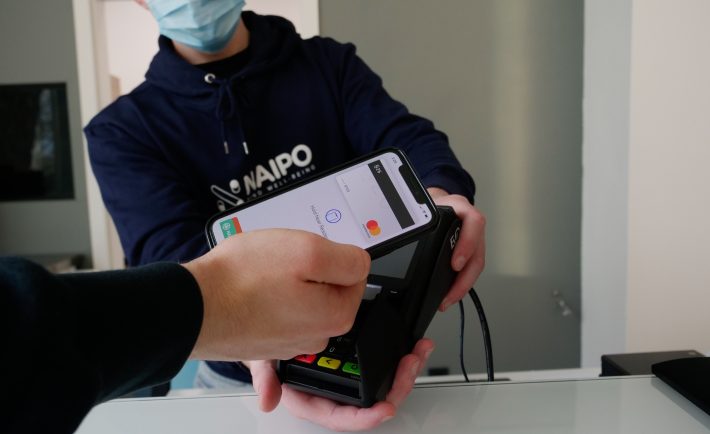
Another tip is to use cold hard cash instead of a card. Physical money means you and your spouse can see how much is left in their wallet. This makes your spouse think twice before buying.

Using cash is a good way to control impulse buys. Your spouse can see how much they spending, so he/she is more likely will buy only what they need. And when the money runs out, no choice but to stop shopping and balik kampung.

Time-out before check-out

Still, we know it’s easy to get caught up in the moment and still make impulse buys. So here’s another way to avoid overspending: take a quick “time-out” before heading to the checkout counter.

Maybe grab a cuppa? Suggest taking a tea/coffee or snack break before proceeding to pay. This pause gives you both a chance to reconsider your cart and think twice about any non-essential purchases.

Yakun kopi

Image Credits: nowboarding.changiairport.com

Ask your spouse:

  • “Do you need that? Let’s stick to what’s on the list.”
  • “We have a budget to keep. Why not wait till next month to get that, in case you change your mind?”

Often, the urge to buy something fades after a short break.

Leaving the store environment also helps provide perspective. The music, lighting, and product displays are all designed to encourage spending. Stepping away helps combat these effects so you can make better decisions.

If after your break, your spouse still feels strongly about a particular item, consider setting a 24-hour waiting period before buying. This extra time allows the initial excitement to fade so you and your partner can determine if it’s a well-thought-out purchase or just an impulse buy.

Pausing and reevaluating before paying is an easy way to curb overspending while shopping together. Staying within budget and making joint decisions will help ensure you both leave the store feeling good about your purchases.

Reward mindful spending

Last but not least, reward your spouse when they make mindful spending choices! Every time your spouse passes up a huge impulse buy, reemphasize how much both of you have saved. Give them praise and maybe a small treat.

For example, you can say:

  • “Well done, dear! I’m proud of you for not buying that new gadget even though you really wanted it. Milk tea? My treat!”
  • “Thank you for being so disciplined today. I appreciate you helping us save money. Want to go for a massage session this weekend?”

Over time, this positive reinforcement will strengthen their ability to curb impulse spending. Your spouse will start to associate mindful shopping choices with rewards and praise from you, giving them motivation to keep spending wisely.

So the next time you go shopping with your other half, try out some of these practical tips. They may complain a bit at first, but deep down they will appreciate you helping them save some dough. At the end of the day, successful relationships are built on understanding and supporting each other’s weaknesses. Help your spouse shop smarter, and the financial gods will help secure your future.

Read More...

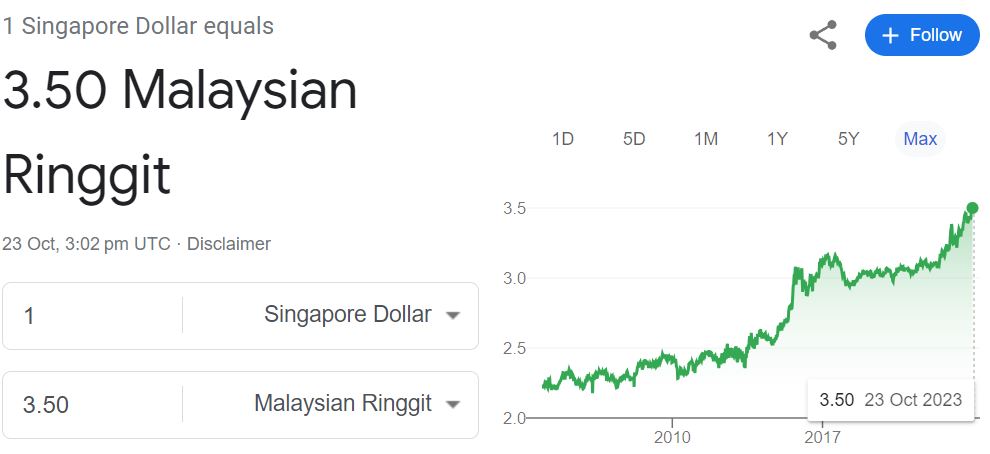
S$1 to RM3.50: Singapore dollar hits all-time high against the Malaysian ringgit

The Singaporean dollar has reached a record heights against the Malaysian ringgit.

As of 10.25pm on October, 23rd, the Singapore dollar stands at S$1 to RM3.50 — the highest since July this year.

The Malaysia’s currency has been weighed down by a slump in exports partly due to a slowdown in China, rising yields in the United States and risk driven by the Israel-Hamas conflict.

The Singapore dollar is supported by the management of the trade-weighted SGD exchange rate by maintaining the prevailing rate of appreciation of the S$NEER policy band. This is seen as necessary to counteract the impact of rising import prices and to keep domestic cost pressures in check, ultimately ensuring price stability in the medium term.


Read More...

How much to save for emergency funds and ways to save it

Singapore 50-dollar notes

Are you the sort that never plans for rainy days?

Life is full of surprises, and they’re not all the good kind. If a sudden big expense pops up, you might go into panic mode. Best to start building your emergency fund now and make it a minimum of 3 to 6 months of your usual spend.

With an emergency fund, you can sleep more peacefully at night knowing you’ve got a financial cushion if life throws curveballs your way. Take control of your money situation now for less stress and more stability overall.

Strategies for building your emergency fund
  • Cut out non-essential spending

Go through your monthly expenses and trim whatever you can, like eating out daily, entertainment, or subscriptions. Then redirect that money into your emergency fund. Even reducing discretionary spending by $50 a month can make a big difference over the course of a year.

  • Save a fixed amount regularly

Set up an automatic transfer of a fixed amount, say $100 per month, from your paycheck or bank account to your emergency fund. The amount depends on your income and expenses, so start with whatever you can afford. The key is to save regularly, even if just a little bit. Over time, you will build up a good amount.

  • Deposit any windfalls

When you receive unexpected money like a work bonus, cash gift, or even a government payout, put all or a portion of it into your emergency fund. Windfalls are a great way to give your fund balance a quick boost.

Where to keep your emergency fund
  • High-yield savings account

High-yield savings accounts are very liquid, meaning you can withdraw your money anytime without penalty. The interest rates are usually higher than normal savings accounts. Some recommended options are CIMB FastSaver (easy to start) and DBS Multiplier (easy to maintain).

CIMB Savings Accounts

  • Fixed deposits

Fixed deposits lock in your money for a fixed period, usually a few months to a year. In return, you will get higher interest rates than savings accounts, up to 3 to 4% per year. If you need to withdraw early, most banks will charge a penalty fee. So only put in money you won’t need for a while.

  • Singapore Savings Bonds (SSBs)

SSBs are issued by the Singapore government and you can earn up to 3%+ interest per year and your money is pretty safe. The catch is your money will be locked in for 10 years. Withdrawal is possible but you will need to pay a small fee.

  • Cash management accounts

Cash management accounts are a good option if you want to earn higher interest (fluctuates) but still maintain liquidity. However, they aren’t guaranteed by the Singapore Deposit Insurance Corporation (SDIC) so do your thorough research before jumping in.

Saving for your emergency fund is important and you better start saving now before the next financial crisis comes knocking on your door. Even saving $50/month can go a long way. Remember, you want enough to cover at least 3 to 6 months of essential expenses in case anything happens. Once you hit your target, don’t stop—keep adding money whenever you can. The more you save, the more prepared you will be for unexpected events. Saving money may not be the most fun thing to do every month, but having that emergency fund will guarantee plus chop give you that peace of mind if life takes a wrong turn.

Read More...

How to talk sense into a spouse who wants to retire early but is not financially ready

couple in disagreement

So your spouse wants to retire early and you’re scratching your head until botak now trying to talk sense into them, worrying about how to pay bills if no more salary’s coming in?

Well, this one sure ain’t easy.

Your spouse is already excited at the thought of waking up late, going on long teh/kopi dates every day, and playing mahjong with the kakis. How to tell them that money is not yet enough for this kind of lifestyle?

Should you be the bad guy and pour cold water on their retirement dreams? Or let them retire and struggle together if the money isn’t enough? This is one big headache for you we know so let’s try tackling this together.

Signs your spouse may not be financially ready for early retirement
car loan approved

Image Credits: ichoose.ph

If your spouse wants to retire early but you have doubts about whether you have enough money, take these signs as a guide:

  • He/she still has outstanding loans or mortgages to pay. If one hasn’t cleared their housing loan or has other big loans like car loans, retiring early means less income to service the debt.
  • No proper plan or budget for how to spend money during retirement. If your spouse cannot show how much he/she needs to spend each month and where the money will come from, it’s likely they will end up withdrawing too much from savings.
  • Not enough savings or investments to last in retirement. Most financial experts recommend having at least 10x of your annual income (if you’re in your 60s) in retirement savings these days. If savings are nowhere near that, the answer is clear.
  • No idea how to pay for healthcare or insurance after retirement. Healthcare costs are one of the biggest expenses during retirement. If your better half has yet to think about how to pay premiums or out-of-pocket costs, retiring early is a recipe for disaster.
How to approach your spouse about financial readiness
  • Have a heart-to-heart

Explain your concerns sincerely but with respect. Say how you want the best for both of you, but early retirement may be too risky if not ready financially. Listen also to their reasons for wanting this. Compromise and find common ground.

  • Check your numbers

Suggest doing a “financial health check-up” with a professional advisor. See how much you’ve saved, how long it may last, investment returns needed, healthcare, and living costs. This can give a better picture to your spouse also on what’s needed to retire comfortably.

  • Consider the risks

Early retirement often means less time for savings to grow and more years of expenses to fund. Inflation, healthcare costs, and unexpected emergencies can impact your nest egg. Discuss the potential downsides and have contingency plans.

Strategies to help your spouse prepare financially for retirement

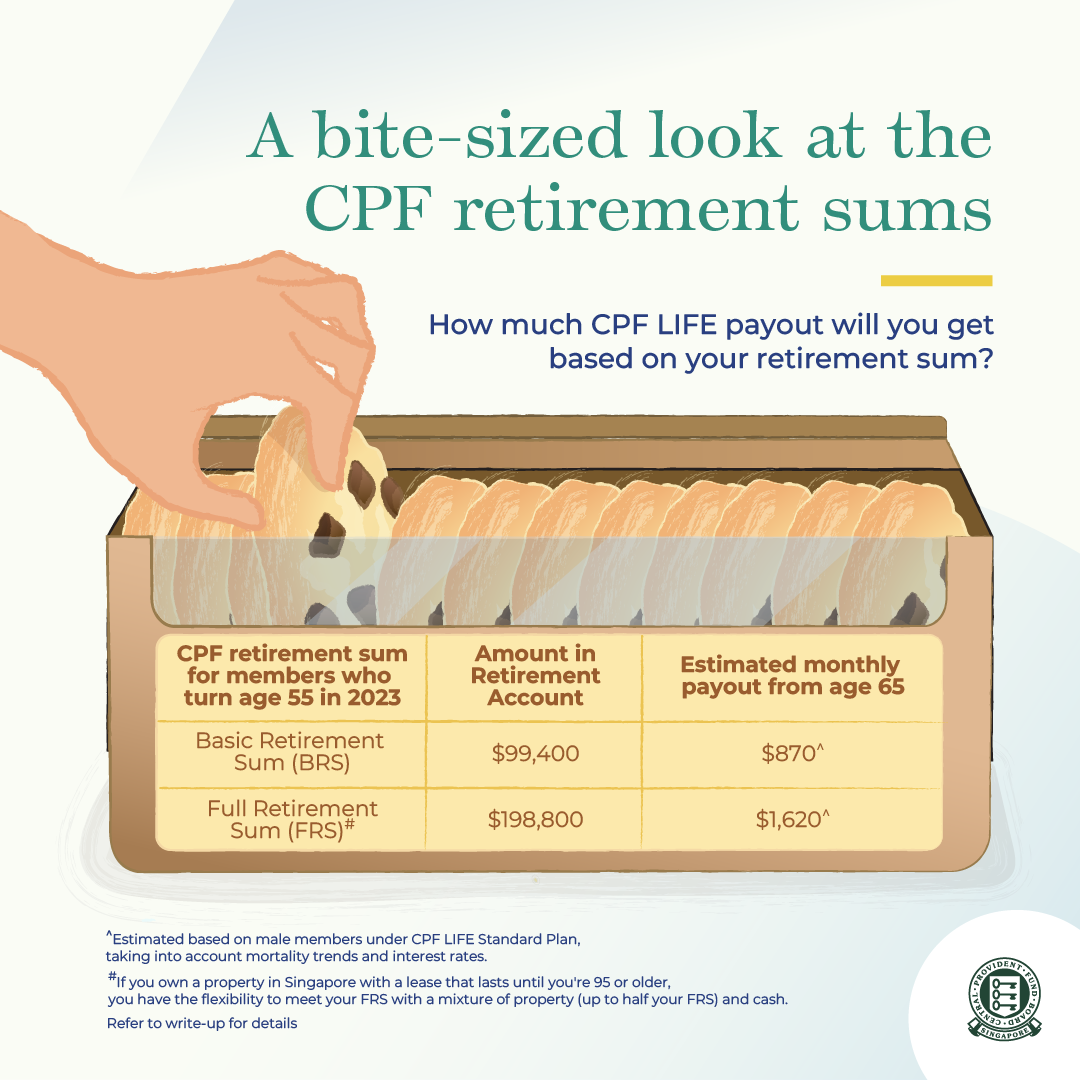
Check CPF and savings.

If it’s not enough to generate a steady income for potentially 20-30 years of retirement, your spouse may end up going back to work out of necessity, whether they want to or not.

what-is-the-cpf-retirement-sum

Image Credits: cpf.gov.sg

Look into ways to earn passive income, like investing in stocks or real estate. Meet with a financial advisor to develop an investment plan. The sooner you start, the more time for the money to grow.

Discuss a realistic timeline for retirement that factors in your financial situation. Maybe your spouse retires partially by going part-time first before fully retiring. Or retire from their current career but start another, more flexible job.

Retiring early is a big life decision that requires careful planning. Help your spouse face the financial realities now so they can actually achieve their goal of a comfortable retirement, rather than struggling to make ends meet. With time and the right strategy, their nest egg can grow into something that can support him/her for life after work.

So if your spouse is insisting on retiring early when you are both not ready, don’t panic. Sit down, have a heart-to-heart talk, and explain how rushing into retirement when the money is not enough will only lead to more headaches and stress down the road. Show them the numbers, and let them see for themselves how waiting a few more years means a bigger nest egg and fewer worries. Early retirement is shiok but must do it right, not jump the gun. Take it slow, and plan properly. When the time is right, you both can retire comfortably without regrets, and start this new chapter of life on the right foot.

Read More...

5 Proven Ways to Save Money

While you may not have control over the economy, you do possess the power to influence your financial destiny through deliberate actions. With that in mind, here are five effective strategies for managing your finances:

1. EMBRACE THE POWER OF YOUR CHANGE

Begin a nightly ritual of counting your coins and bills, setting aside your loose change with dedication. As these seemingly insignificant amounts accumulate, deposit them into your savings account. Witness the gradual growth of your savings, knowing that these seemingly trivial contributions will amass into a substantial sum over time. Moreover, utilizing cash for daily expenses can foster mindful spending habits, making it more challenging to part with physical currency. While this method won’t yield instant savings, it represents a steady and reliable approach to financial growth.

2. PREPARE OF GROCERY SHOPPING

Achieving substantial savings at the grocery store requires a bit of proactive planning. Prior to your shopping expedition, assess your pantry and create a well-thought-out shopping list to fend off impulsive purchases. Learn the art of coupon hunting and enroll in loyalty programs at your local store to maximize your cost-cutting potential. Many stores offer additional discounts in exchange for contact information through their loyalty programs.

Image Credits: unsplash.com

If you possess a cash-back credit card, you could earn extra cash back on your grocery purchases. Some cards offer generous cash-back percentages, ranging from 5% to 8%. However, it’s imperative to pay off your credit card bill in full each month to avoid incurring interest and fees. Noteworthy credit cards for this purpose include the Citi Cash Back Card (providing 8% cashback at all supermarkets), HSBC Visa Platinum Credit Card (offering 5% cashback at all supermarkets), and DBS Live Fresh Card (delivering 5% cashback for online and payWave transactions).

3. IMPLEMENT THE 30-DAY RULE

Guard against impulse spending by introducing a cooling-off period between the moment you desire an item and the point at which you actually make the purchase. If you find yourself shopping online, consider placing the desired item in your cart and stepping away for an extended period, allowing time for thoughtful consideration.

If waiting for 30 days feels impractical, experiment with shorter intervals like 24 or 48 hours for smaller purchases. I, for one, have an online cart filled with 5 items that I am contemplating on buying. I will give myself a month before I start to remove items from the cart.

4. OPTIMIZE YOUR CABLE AND TELECOM SERVICES

Explore cost-effective alternatives for your cable and telecom services. This might entail downgrading your cable package or opting for a more affordable telecom plan. Additionally, consider eliminating your landline or trimming down on excess streaming services and premium subscriptions to curtail unnecessary expenses.

5. CONQUER HIGH-INTEREST DEBTS

Liberating yourself from the shackles of high-interest debts can significantly relieve financial strain. Expedite your debt repayment process by adopting the snowball or avalanche methods, enabling you to minimize the total interest accrued and free yourself from debt’s burden sooner.

Image Credits: unsplash.com

Once you’ve conquered your debts, redirect the money you would have allocated to debt payments into your savings. If your disposable income doesn’t permit extra debt payments, contemplate engaging in a side hustle to generate additional income that can be channeled toward debt reduction.

Sources: 1 & 2

Read More...