7 Purchases to Always Charge to Your Credit Card

Using a credit card can be a savvy move for various purchases, thanks to the added security and potential perks. Beyond building a strong credit history, some purchases are best made with a credit card to maximize these benefits.

Many cards offer rewards like points or cashback, which can accumulate over time, essentially giving you “free money” if you consistently pay off your balance without incurring interest fees. Remember to use your credit card wisely!

SCORING EVENT TICKETS

Credit cards often offer special access to event tickets. Many card companies have partnerships with event promoters or venues, giving cardholders the chance to buy tickets for concerts, sports events, and other activities before the general public. Sometimes, there are even exclusive events just for cardholders.

For instance, when Taylor Swift’s concert tickets in Singapore went on early sale, UOB cardholders had the advantage of grabbing tickets before others.

PURCHASE BIG-TICKET ITEMS

When buying big-ticket items like refrigerators, laptops, or other electronics, using a credit card is a great idea. Not only can you earn significant rewards points, but many credit cards also provide additional insurance on these items.

This might include extended warranties that double the manufacturer’s warranty or price protection if the item’s price drops shortly after purchase.

MAKE TRAVEL ARRANGEMENTS

Booking travel with a credit card can offer substantial benefits. Many cards provide travel-related perks such as trip cancellation or interruption coverage, lost luggage insurance, and even emergency medical coverage. These benefits can save you from purchasing separate travel insurance.

Travel-themed credit cards typically offer higher rewards points for travel-related expenses. Plus, a credit card is often required to secure bookings for flights, accommodations, and car rentals.

SECURE OVERSEAS PURCHASES

Credit cards are generally more widely accepted than debit cards when traveling abroad. They are also safer to carry compared to large amounts of cash, as lost or stolen credit cards can be cancelled easily. Some credit card companies offer favorable exchange rates, providing additional savings.

Before traveling, notify your credit card provider of your itinerary to avoid any security issues or hindrances with your card while overseas.

ADD TO CART

Using a credit card for online shopping offers several advantages. Credit card transactions are easier to trace and often come with protections against fraudulent charges. Many cards also provide insurance for items lost or damaged in transit.

Always ensure that you never send your credit card information over email or text to safeguard your details.

CHARGE YOUR BUSINESS PURCHASES

For business owners, using a credit card to manage expenses can simplify accounting and help build business credit. Many business credit cards offer cash-back rewards or statement credits for purchases like internet services, cell phone plans, and office supplies, which can aid in tracking and managing cash flow.

Using a dedicated business card for recurring expenses can also help with tax deductions.

PROTECT PHONE PURCHASES

If you enjoy buying products via home shopping channels or infomercials, always use your credit card. This provides protection if you don’t receive the item or if it doesn’t match what was advertised. Credit card protections can save you from potential scams or disappointments from phone orders.
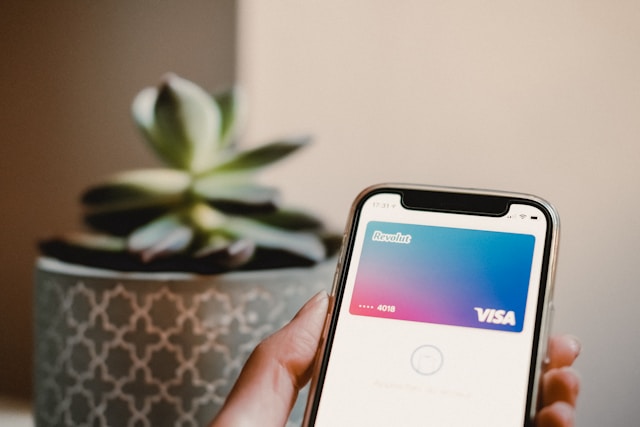
Image Credits: unsplash.com

Using your credit card for these types of purchases can provide additional security, rewards, and peace of mind, making it a smart choice for managing your finances.

Sources: 1 & 2

Read More...

Making sense of disposable and discretionary income in 2024

a lady sitting at a table budgeting

Have you ever wondered what the difference is between disposable income and discretionary income?

Most of us have heard the terms thrown around, but do we really understand what they mean?

If you don’t, don’t worry.

Allow us to break it down in simple terms so you can wrap your head around these two important money concepts.

Defining disposable income and discretionary income
  • Disposable income: Your take-home pay

After your employer deducts CPF contribution from your paycheck, the amount left over is your disposable income.

It’s what you have available to pay for necessities like rent, groceries, and utilities.

For example, if you earn $50,000 annually but pay $10,000 in income taxes, your disposable income is $40,000.

That $40,000 has to pay for essential costs of living before becoming discretionary income you can spend freely.

  • Discretionary income: For fun and recreation

Discretionary income is what’s left from your disposable income after paying for life’s necessities.

This money is discretionary—you have discretion over how to spend it.

You might spend discretionary income on hobbies, entertainment, vacations, or non-essential whatnot.

For example, if your disposable income is $40,000 and you spend $30,000 per year on rent, food, insurance, and other necessities, your discretionary income is $10,000.

You can allocate that $10,000 for dining out, streaming media services, gym memberships, or whatever recreational activities you enjoy.

Making the most of your disposable & discretionary income
  • Set a budget
a man holding a savings jar

Image Credits: unsplash.com

The first step is setting a budget to understand how much discretionary income you have to work with each month after paying for essentials.

Look at your income and expenses over the last few months to determine an average amount left over.

Make sure your budget accounts for both short- and long-term goals.

  • Prioritize essentials

Focus on needs before wants.

Pay for housing, food, transportation, and healthcare first.

Look for ways to cut costs on essentials through budgeting, meal planning, public transit, or insurance optimization.

Any money saved can be added to your discretionary fund.

  • Invest in yourself

Use some of your discretionary income for self-improvement to increase your earning potential. 

Take a course to learn a new skill, get additional education or training, and build your professional network.

While these may seem like extra expenses now, they can pay off in the long run through career advancement, and pay increases.

  • Reward yourself

After budgeting for essentials and investing in your future, spend the remainder of your discretionary income on enjoyment.

Treat yourself to a nice meal out, tickets to your favorite concert, a vacation, hobbies, or other leisure activities that you find personally fulfilling.

You’ve earned it!

Now, you should have a decent understanding of the differences between disposable and discretionary income. Disposable income is how much you have left over after taxes and necessities. Discretionary income is how much you can spend on wants after needs are met. While related, they are calculated differently. Knowing the distinction helps you budget and make smarter money choices.

Read More...

Exploring Cryptocurrency Investments in Singapore

Is cryptocurrency worth it? As digital currencies reshape finance, Singapore emerges as a crypto hub. We’ll dive into its regulatory framework, clarifying legal status, regulatory bodies, and regulations. Whether you’re seasoned or new, understanding Singapore’s rules is crucial for confident navigation.

Is cryptocurrency considered legal tender in Singapore?

While cryptocurrency isn’t recognized as legal tender in Singapore, it serves as an alternative payment method. Legal tender in Singapore is the Singapore Dollar (SGD), regulated by the Monetary Authority of Singapore (MAS).

Navigating cryptocurrency regulations in Singapore can be complex, especially with the involvement of multiple regulatory bodies like MAS and the SFC. Staying compliant is crucial, particularly when managing your tax obligations in the crypto space. If you need tax advice, visit this resource for expert guidance on GST registration and compliance in Singapore.

Do you need a license to trade cryptocurrency in Singapore? Depending on the platform’s functionality, a license may be required for trading in Singapore.

Who regulates cryptocurrency in Singapore?

Navigating cryptocurrency regulations in Singapore can seem daunting, given the involvement of multiple regulatory bodies. However, understanding their roles can provide clarity and ensure compliance with the established framework.

1: The Monetary Authority of Singapore (MAS)

As the primary regulator, MAS plays a central role in shaping and overseeing the crypto landscape under the Payment Services Act (PSA) 2019. MAS licenses businesses engaged in digital payment token (DPT) services, covering activities like operating exchanges and providing wallets. With a focus on innovation and risk management, MAS enforces strict Anti-Money Laundering (AML) and Counter-Terrorist Financing (CFT) regulations.

2: Securities and Futures Commission (SFC)

While not the main regulatory body, the SFC oversees digital tokens categorized as securities under the Securities and Futures Act (SFA). It focuses on tokens with characteristics similar to stocks or bonds, collaborating with other regulators to maintain market integrity.

3: The Payment Services Act (PSA)

Enacted in 2019, the PSA serves as the primary legal framework, ensuring a fair and safe crypto environment by mandating licenses and exemptions for specific activities.

4: Singapore Police Force (SPF)

SPF investigates and prosecutes criminal activities in the crypto space, working closely with MAS and other authorities to enforce laws and regulations, ensuring a secure financial environment.

Important Singapore Crypto Regulations governs cryptocurrency activities:

Image Credits: unsplash.com

1: Payment Services Act (PSA) Mandates licenses for various crypto activities, with exemptions for certain tokens.

2: Securities and Futures Act (SFA) Regulates tokens resembling securities or derivatives, aligning with established financial market principles.

3: Commodity Trading Act Oversees trading of asset-backed tokens, ensuring regulatory scrutiny.

4: Travel Rule Requires DPT service providers to collect and share client information during transactions, enhancing AML measures.

Understanding Singapore’s cryptocurrency regulations is essential for compliant and confident trading, especially under frameworks like the PSA and AML rules. For professional assistance with tax and financial compliance, consult this team of accountants to ensure you’re on the right track.

In conclusion, Singapore’s crypto regulation fosters innovation while ensuring stability. With oversight from MAS, SFC, and SPF, investors can engage confidently. Staying informed and compliant is key for maximizing your crypto journey.


Sources: 1 & 2


Read More...

5 Personal Finance Tips for Singaporean Millennials

Navigating personal finance can feel like navigating a maze, especially for Singaporean millennials facing unique financial challenges.

From student loan debts to saving for a home in one of the world’s priciest property markets, the journey can seem daunting. But fear not, with the right mindset and strategies, financial security and success are within reach.

EMBRACE BUDGETING

Budgeting is the cornerstone of personal finance. It empowers you to track expenses, prioritize spending, and work towards financial goals. Start by understanding Singapore’s cost of living and allocate your income accordingly.

Track expenses diligently; even that artisan morning coffee can add up. Utilize budgeting apps and tools to streamline the process and stay accountable. Take advantage of credit card perks responsibly to avoid debt accumulation.

MANAGE LOANS

For eligible Singaporeans, Tuition Fee Loan and Study Loan are available options. To assist those grappling with student loan debts, explore repayment options and loan consolidation programs.

Craft a repayment plan that aligns with your budget and lifestyle. Consider making extra payments whenever possible to expedite debt payoff. Remember, managing student loans is a marathon, not a sprint. Stay disciplined and patient.

TAKE ADVISE WISELY

Image Credits: unsplash.com

According to research, nearly a quarter of Millennials (22%) have turned to family and friends for financial advice. While seeking financial advice from friends and family is natural, be discerning. Advice from unqualified sources could lead to costly mistakes. Listen to advice, but ensure your financial decisions align with your long-term objectives and risk tolerance. Better yet, seek professional advise.

SAVE FOR YOUR HOME

Owning a home is a common goal for Singaporean millennials. Start by setting realistic savings targets and explore government housing schemes like the Central Provident Fund (CPF) Housing Grant or HDB Loan Eligibility (HLE) letter.

Consider alternative housing options like Built-To-Order (BTO) flats or resale flats in non-mature estates to maximize affordability. Boost your home-buying fund by exploring side hustles or investments.

PLAN FOR RETIREMENT

Though retirement may seem distant, it’s never too early to plan. Take advantage of employer-sponsored retirement schemes such as CPF Special Account (SA) or Supplementary Retirement Scheme (SRS).

Consider diversifying investments across asset classes to minimize risk and maximize returns. Automate contributions and regularly review your retirement plan to ensure alignment with your goals.

IN A NUTSHELL

Image Credits: unsplash.com

Navigating personal finance can be challenging, especially for Singaporean millennials. But by adopting proactive strategies like budgeting, loan management, home saving, and retirement planning, financial stability and success are attainable.

With determination and discipline, pave your way to a secure financial future.

Sources: 1, 2, & 3

Read More...

Renovating your home? Skip the awkward favors from friends and family members and borrow smart!

Congratulations on reaching the incredible milestone of owning your new home! As you stand in your living room, envisioning it as the perfect spot for get-togethers, reality sets in. Do I have the budget needed to create my dream home?

Sounds familiar? Well, you’re not alone.

Many of us have found ourselves in this situation. We need a temporary cash boost for home improvements but, at the same time, are hesitant to rely on awkward favors from friends or family members. 

That’s where borrowing smart comes into play. Here’s why GXS Bank, Singapore’s home grown digital bank, might have the best solution for you. 

The Best Friend To Borrow Money From

Borrowing from those close to you can be a double-edged sword. It might be easy to get that “loan” but fail to fully understand the unspoken terms, or worse, be late in paying them back, and you could end up with a very strained relationship. This is where GXS FlexiLoan steps in, like a trusted friend who understands your needs but less the drama.

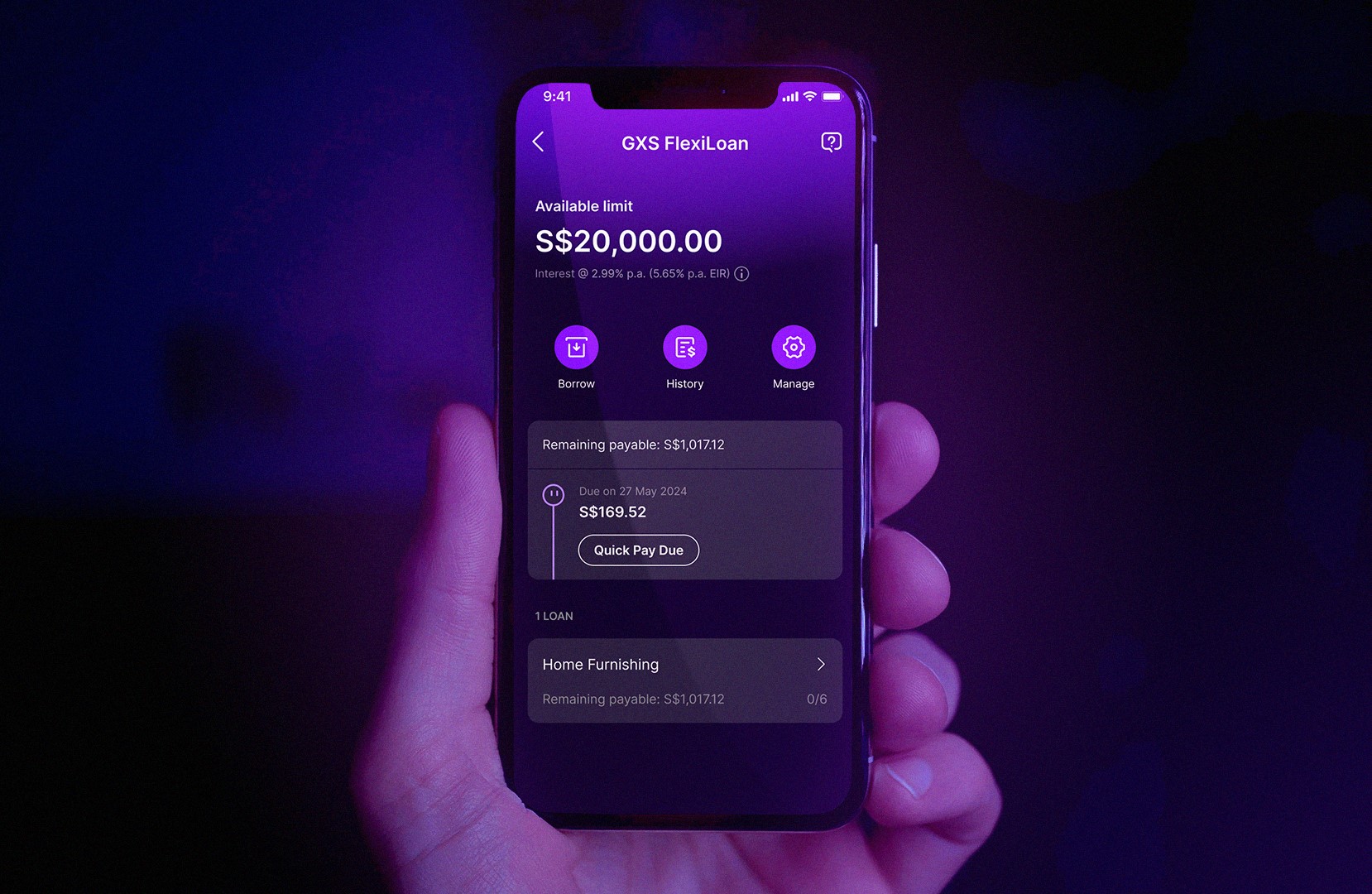
The GXS FlexiLoan lives up to its name by being incredibly flexible. Whether you need a small amount for a quick fix or a larger sum for a home renovation project, it’s there to support you. 

Why GXS FlexiLoan stands out as the ideal financing option:

Flexible Borrowing

Borrow what you need, when you need it, for however long you need it

When it was launched, the GXS FlexiLoan was hailed as a revolutionary game-changer in personal finance. It is the first financing option in the market that lets you tailor your borrowing experience according to your individual needs.

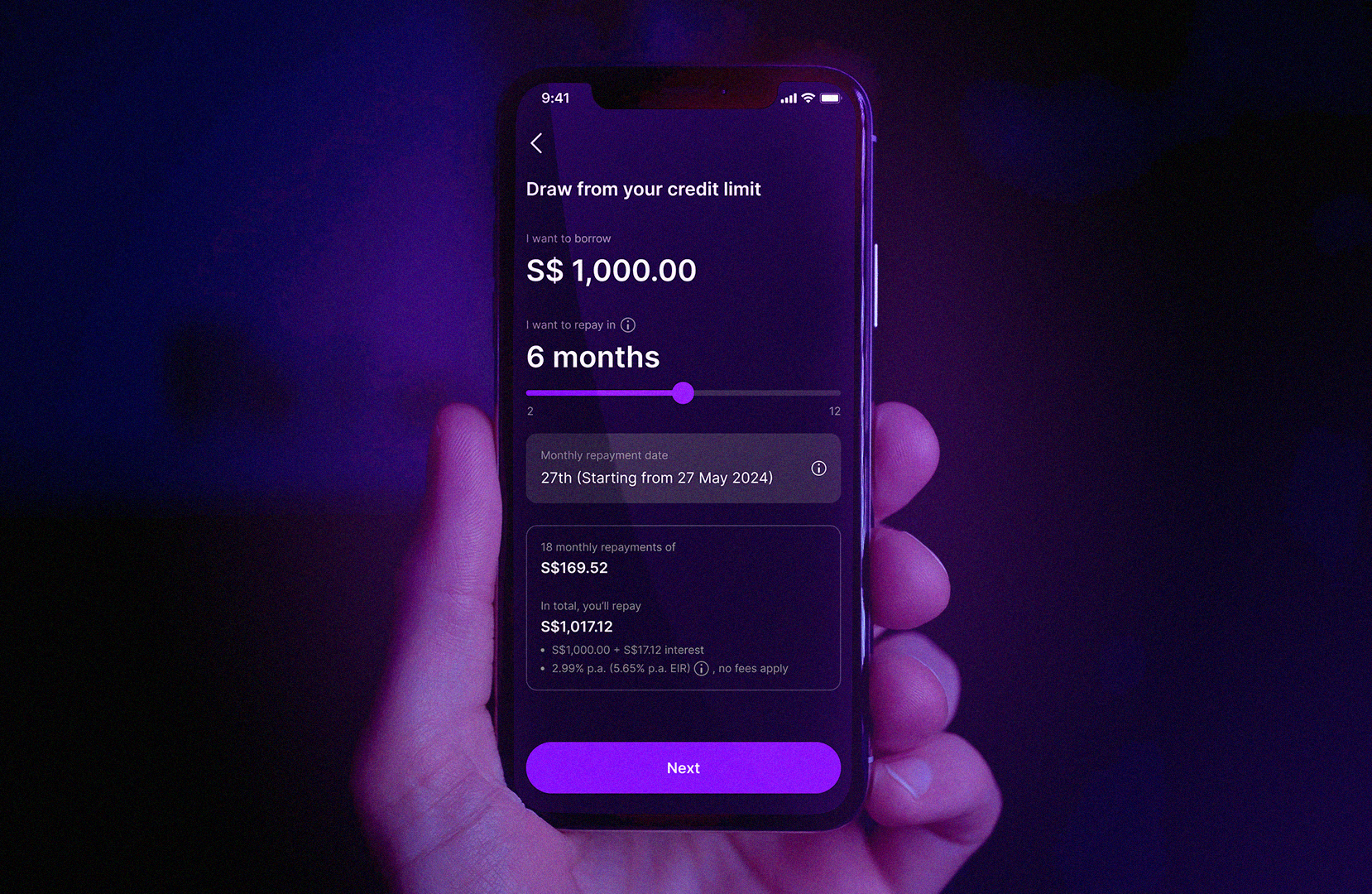
Think about it – a renovation loan typically has a higher loan quantum that is more suitable for larger renovation projects. If you just want to upgrade your kitchen or create a cozy haven in your living room, you might not need such a large quantum. The GXS FlexiLoan puts control in your hands and allows you to draw down multiple loans from your credit line starting from as little as S$200, up to $100k (subject to your available credit limit). GXS FlexiLoan has got your back, on your terms. 

Low Interest Rates

Interest rates start from as low as 2.99% (EIR 5.65% p.a.) which is lower than the interest rate you’d pay if you used your credit card. By taking advantage of competitive rates, you can save on interest costs, and stretch your renovation dollar.

Flexible Repayment Options

You call the shots with GXS FlexiLoan 

With GXS FlexiLoan, you call the shots. Imagine you’re in the midst of your home renovation project, and you want to establish a clear timeline with your interior designer to keep track of progress.

The GXS FlexiLoan is designed to let you call the shots on how much and how long you want to take up the loan. This means you have the power to align your repayment plan with your renovation timeline. Want a shorter repayment period of 2 months to swiftly tackle smaller upgrades or an extended tenure of up to 60 months for comprehensive renovations? The choice is yours.

No Early Repayment Fees

Why pay more when you can save on interest?

You can enjoy interest savings with GXS FlexiLoan because interest on the loan is calculated daily, based on the outstanding balance at the end of the previous day, without compounding interest. This means that if you make an early repayment, the outstanding balance is reduced, resulting in immediate interest savings.

Moreover, there are no early repayment fees, giving you added financial benefits and motivation to settle your loan sooner. This way, you can allocate more funds towards your home renovation project and achieve your dream space without unnecessary financial burdens.

No Hidden Fees

Suppose you’re still not ready to take the loan immediately, there’s no need to worry because, with GXS FlexiLoan, you have the option to apply beforehand and keep it as a reliable standby credit line. There will be no interest charged till you make a drawdown, giving you peace of mind as a backup during your renovation journey.

Limited Time Offer

From April 3rd till June 30th 2024, when you sign up and use your GXS FlexiLoan, you stand a chance to win fantastic prizes in their dream giveaway. Prizes include a dream home makeover, a thrilling overseas adventure for two, an iPhone 15 with free Singtel mobile postpaid bills for a year. You also stand to get a S$50 Grab voucher.

Apply via the app which it is available for download on:

For more information, and to check the results of the giveaway, check here

Visit www.gxs.com.sg/flexiloan for the full terms and conditions, and start your journey towards financial empowerment today.


Footnotes:
GXS  is a digital bank proudly backed by Grab and Singtel. GXS FlexiLoan is provided by GXS. GXS holds a banking licence and is regulated by the Monetary Authority of Singapore.  GXS is a separate entity and is not associated with the businesses of Grab Holdings, Singtel, and their entities, or Money Digest.

Terms and conditions apply. For the full terms and conditions on GXS FlexiLoan and the campaign, visit www.gxs.com.sg/flexiloan. All figures in the images are illustrative only.

Read More...