POSB launches pilot of Singapore’s first Video Teller Machines (VTMs) from 16 Aug

POSB VTMs

The machines, which come with live-video teller assistance, will soon be able to dispense internet banking tokens and debit cards round-the-clock

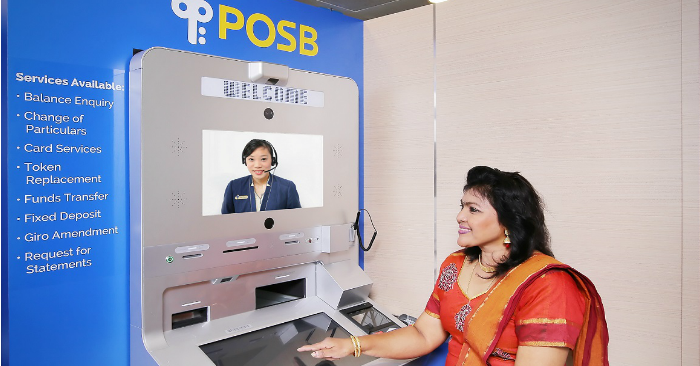
SINGAPORE, 16 August 2016 – POSB, Singapore’s most loved and oldest bank, is introducing another innovation to the local banking scene with the pilot of POSB Video Teller Machines (VTMs) – the first of its kind in Singapore. POSB VTMs will soon be able to provide round-the-clock branch banking services to customers, with the option of “face-to-face” assistance from bank tellers via live-video streaming. In addition to providing services such as balance enquiries, change of particulars and statement requests, the POSB VTMs will be also able to dispense internet banking security tokens as well as debit cards instantly.POSB VTMs_Image 5

POSB VTMs complement the wide array of existing services provided by the bank and pushes the envelope when it comes to the range of round-the-clock services customers can come to expect from a bank, without necessarily requiring more branch space or increase in manpower.

Said Jeremy Soo, Managing Director and Head of Consumer Banking Group (Singapore), DBS Bank, “We see the POSB Video Teller Machines as a game-changer for the industry, in terms of delivering round-the-clock branch banking services to our customers. Customers who urgently need to have their internet banking tokens or debit cards replaced after branch banking hours, will soon be able to go to POSB VTMs to have their token or card dispensed instantly to them, after verification. And just as important, those who require assistance – whether in operating the machine or for their other banking needs – are able to access instant ‘face-to-face’ teller assistance via live-video. The latter function is crucial because many of our customers still place great value in interacting with our staff. As POSB will always be neighbours first, bankers second, these relationships are something we value and wish to preserve even as we continue to push the boundaries in banking innovation.”
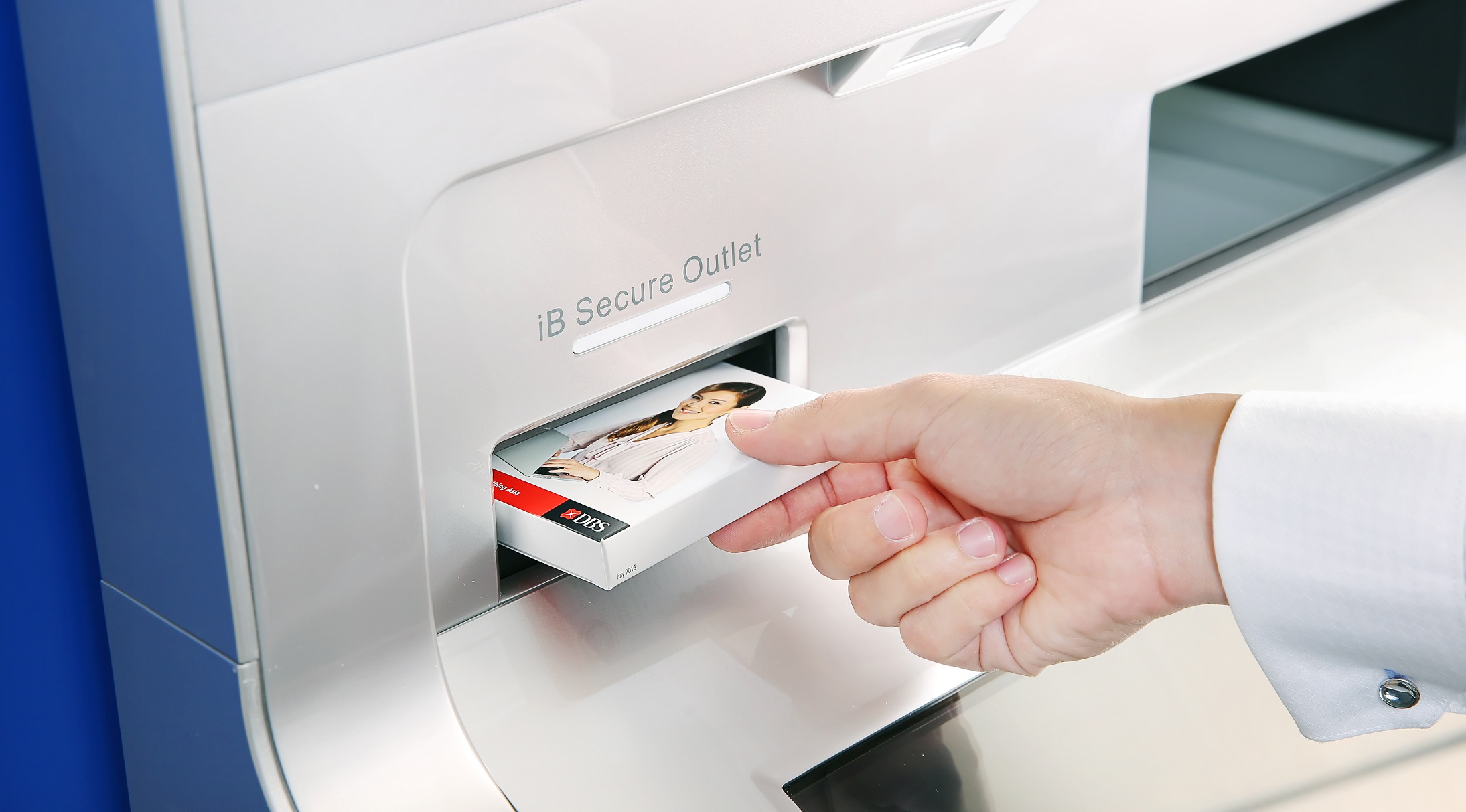
POSB VTMs_Image 4With DBS/POSB banking most of Singapore, the bank sees some 45,000 requests per month for replacement debit or ATM cards, and 7,500 requests per month for replacement internet banking tokens – mostly as a result of misplacement. To use the POSB VTMs, customers will need to have valid ID (such as their identity card or passport) or their ATM card for verification. POSB VTMs will also provide the option of biometric fingervein scanning for verification if required. With POSB VTMs, customers will be able to perform transactions such as:

  • Balance enquiries
  • Change of particulars
  • Card services
  • Instant replacement of debit and ATM cards
  • Instant internet banking token replacement
  • Changing fixed deposit arrangements
  • Changing Giro arrangements
  • Statement requests

POSB VTMs are the latest in a line of ground-breaking and first-of-its-kind service innovations introduced by DBS/POSB to enhance efficiency and customer convenience. These include the SMS ‘Q’ notification service, which allows customers to request for a queue number via SMS prior to visiting the bank’s branches; SMS Banking, where customers can perform simple banking transactions via SMS; and POSB Branch Machines, service machines that allow customers perform some over-the-counter transactions with branch staff assistance.

POSB VTMs_Image 3

POSB VTMs are presently in pilot stage, with the first one situated at POSB ITE College Central branch at 2 Ang Mo Kio Drive. The machine can be accessed by the public from 10am to 2pm (Monday to Fridays) and 10am to 1pm (Saturdays) and selected functions, including internet banking token replacement, are currently available. More POSB VTMs will be progressively introduced to selected branches and the machines are expected to run with their full capabilities and be made available round-the-clock by the end of the year.

To find out more about the POSB VTMs, please visit www.posb.com.sg/vtm

All images from POSB Singapore.

* Edit: An earlier version of this article states that the machine can be accessed by the public from 10am to 2am (Monday to Fridays) and 10am to 1am (Saturday). This has been corrected, and the hours will be progressively extended to round-the-clock by end of the year.


Read More...

Efficient Ways To Deal With Your Money Insecurities

We all experience money insecurities at some point in our lives. The question is, how do you handle them?

TAP ON YOUR TRIGGERS

Contemplate on the things that you are lacking. Where do these negative thoughts come from? Do these come from your painful financial situations in the past? Think about it!

Once you locate the source of your insecurity, it will be easier do think of ways to efficiently deal with it. Facing your fear entails the end of avoidance. For instance, Danny is worried that he is making less than his wife. This thought comes from his highly dominating mother. It is up Danny to think about proactive way to handle this situation.

Thoughts lead to feelings, which directs behavior. Recognizing where the insecurity started will make it seem more manageable.

CHANGE YOUR PERSPECTIVE

Some money insecurities originate from the wrongful beliefs and myths that the person strongly holds. See the other side of the situation to re-frame your negative perspectives. If you are unemployed and you feel extremely useless, view the circumstance as a new chapter in your life. In this chapter…you are FREE! You have countless days to figure out what you really want to do in life. Invest on things that will lead you to your financial goals.

Image Credits: pixabay.com

Image Credits: pixabay.com

DO NOT COMPARE

They say that money is the root of all evil. However, I believe that envy is too.

It is not difficult to become insecure when you constantly compare your wealth, job, and lifestyle to others who are seemingly perfect. Aspiring someone’s success may serve as a great motivation. However, unrealistically desiring what others have can contribute to your insecurity and depression. It is very unhealthy to measure your own worth to the things that you do not possess.

Rather than mimicking the lifestyle of your “flawless” neighbor, focus on your own capabilities and strengths instead.

KNOW YOUR STRENGTHS

You read it once and you will read it again! You must focus on your capabilities and strengths. Most people put more weight on failures (e.g., investment loses) than on successful experiences (e.g., salary increase). A lot of insecurities can come from narrowing your mindset on the things that you have trouble with.

As much as everybody carries their weak points, they do have some strong points as well! Learn to balance these two elements together and build a successful life. Say your budgeting skills are above average, consider flourishing this area further by seeking the help of professionals.

Image Credits: pixabay.com

Image Credits: pixabay.com

PARTING THOUGHTS

In conclusion, we all experience money insecurities at some points in our lives. The key to conquering these insecurities is to determine, invalidate, and move past them. Concentrate on your strengths and accomplishments to realize that your insecurities are merely irrational fears.

Sources: 1, 2, & 3

Read More...

The Importance of Your Family Wealth Structuring: What You Need to Know

As the head of a family or household you’ll understand just how important your finances are. The money you have is what keeps your home – and indeed your personal lives – in order, and without properly managing this you run the risk of getting into monetary troubles.

Knowing exactly what to look out for and how to effectively manage money is quite a challenge – especially if you lack experience in handing your finances. There are a variety of different aspects to consider such as where you should invest your money, how to ensure you have enough money and what’s the best course of action for your financial future – certainly a headache for many of us.

Luckily though, there are alternatives and also ways you can ensure you have a solid family wealth structure. In this post then, you’ll find a number of different examples of financial concerns and expenses and why you need to manage these. Then we’ll discuss what you can do to prevent any problems and offer some useful tips for making the right choices with your money.

Family Expenses

In our day to day lives, we have plenty of different things we need to spend money on each month in order to maintain a decent standard of living. Naturally, this is increased depending on if you have more than one child, and ultimately without keeping these in check you may run into debts. Here is a breakdown of some the main expenses you’re likely to encounter:

  • Rent or Mortgage Payments – regardless of whether or not you own or rent a property, the chances are you’ll have some form of payment to make each month. These are often a significant part of your monthly costs.
  • Food bills – the food you eat is another necessity which can again become more and more expensive over the years with a growing family.
  • Utilities – the bills you have to pay can be spread in different payment plans, but the reality is that every day you’ll be adding to your expenses with your use of gas, electricity and water.
  • Taxes – you’ll also have to pay taxes which more often than not will be taken from your monthly salary, what’s more you can also pay council tax on your home or accommodation.
  • Travel – another typical expense is for your travel. From your commutes to work, to taxiing your family around you’ll have to pay for fuel, tickets and/or fares.

Additional Expenses

These are just the basics though, the wealth management of your family can also cover additional costs like:

  • Leisure – the time you spend enjoying your life or socialising can add up over the month.
  • Clothing – you’ll need to buy new clothes fairly regularly, especially if you have a growing family.
  • Maintenance – there may be unexpected issues with your home or your appliances which need to be fixed.
  • Childcare – if you work full time and have a young family there’s also childcare costs that you’ll need to factor in each month.

All of these are aspects you should be budgeting for on a monthly basis.

Savings and Investments

With the money you have left over, you also need to consider what you’re going to do with it. The most obvious step is to open a savings account, but there are also real investment opportunities you should look at.

Heading to the stock markets is one avenue you might want to go down, but another popular choice is to buy additional properties as lets, or to renovate and sell for a profit. With this though you’ll need a decent understanding of finance and how the markets work to ensure you see a positive return.

The Simple Solution

While you can simply look into the markets yourself, or budget each month to manage your investments, if you feel you lack the expertise needed to keep your money secure there are other simple solutions. A sensible choice then is to put your trust into a financial expert to take care of the responsibilities for you.

There are plenty of companies and firms such as Withersworldwide who offer a variety of financial management services, from offering advice on investments to simply helping you look after your money more effectively. It’s also worth choosing an established company with a long history of success, that way you know they’re obviously doing something right with their services.

The Bottom Line

As aforementioned, the last thing you’ll want is to put your family’s welfare at risk by making poor decisions with your money. Consider the above options with investments, or make the smart move and search for expert advice and leave your finances in safe hands. This way you can count on a more secure future, not just in the present but for many years to come.

Read More...

New to investing? 5 tips and tricks to get you started

Investment

If you’re the sort of person who stays up at night worrying about the price of milk, or who would rather hide cash under the mattress than open an account, investing might not be for you. For the rest of us, though, the sensible, well-researched use of investing can be a way to maximise your money. If you are keen to make your money work harder and have long-term/short-term goals than need funding, it might be time to check out the IG glossary of trading terms and start making some well-informed decisions to grow your wealth.

Of course, if you’re new to world of investing it can all seem a little wild and confusing, but below are five essential tips and tricks to get you started.

  1. Do your research

While you might decide to contact a financial advisor or speak with numerous investment experts about what they think you should do with your money, ultimately it’s your decision. For this reason, it’s absolutely crucial to do your own research and ensure you know the difference between the many different kinds of investments from opening a savings account to buying stocks and shares. Whatever you do, don’t start investing without reading up on the jargon (much of which will sound complicated but is actually rather straight forward, see the glossary linked to above) and make sure you weigh up your options.

Moreover, before investing in any particular company, always do your homework so you know what you’re getting into.

  1. Think about your goals

When it comes to investing, thinking about your personal goals will help you to decide how risky you want to be with your hard-earned cash. If you have a little spare money and are willing to take a gamble in a bid to get high returns, you may decide to act on an exciting trade signal or market boom. If, however, you are looking to prepare for retirement, you might prefer to make a longer-term investment such as buying bonds or property that could bring high returns down the line. You may even decide not to put all your eggs in one basket, making numerous investments to avoid a complete gain or loss. Your investment plan should reflect your personal circumstances and outlook.

  1. Know your limits

Investing can be addictive, particularly if you get hooked on watching the fluctuating currency on the foreign exchange or are continuously being sent signals from brokers telling you now is the perfect time to act based on the current price of gold. That’s why it’s essential to have a budget. You must know exactly what you want to do with your money before you make a move and stick to the plan to avoid doing something you later regret.

  1. Keep an eye out for investment fees

If you’re an investment novice, choosing a fund manager may be the easiest option. After all they’ll help develop and manage a portfolio on your behalf and help guide you in the right direction with regards to making sensible financial decisions. That said, fund managers almost always charge more fees than an account you manage yourself and this will, of course, eat into any profits you may make. Similarly, if you’re buying individual entities such as stocks, you may be charged per order, so keep a look out for sneaky fees and try to keep your outgoings down.

  1. Consider exchange-traded funds

The markets change at such a rapid rate that, unless you have copious amounts of free time to analyse what’s happening in the business and financial world second by second, it’s probably best to consider exchange-traded funds (which follow a wide range of stock, or sometimes then entire market). As a rule, this type of investment tends to be less volatile than individual stocks as they tend to grow over the years and reduce the risk of you losing out should a singular company crash and burn.

Investing may seem like a brave new world if you’ve never done it before, but with plenty of research and guidance it can be productive – just take it slowly and don’t make any moves without having all the facts to hand.

Read More...

3 Ways To Become A More Disciplined Investor

StockScreen_1

It’s fairly indisputable that discipline is one of the most vital attributes for a person looking to establish financial security. But it’s also particularly important for those who are looking to invest their money, whether in stocks, commodities, or some other venture. A reckless or carefree approach can get you lucky now and then, but will ultimately prove unreliable or at least unsustainable. On the other hand, a more practiced, careful, and strategic approach to investing can result in a stable long-term outlook and steady growth of funds.

Some of this depends on personality and experience, but here we’ll look at three tips anyone can follow for how to become a disciplined financial investor.

1. Divide Your Expectations Into “Buckets”

If you haven’t heard of the “bucket approach” before, you may want to learn a little bit about it before reshuffling your financial strategies. Basically, this is the approach of dividing your money into buckets for specific goals. For instance, if you want to buy a car, you’ll have a set venture dedicated to your car fund; the same might go for a home, an engagement ring, tuition, or even something a little smaller like a vacation. The point of doing this is to gain a more comprehensive understanding of what money you need for which purposes, and when you need it. You can then plan investments accordingly, and if necessary break up your strategies from one “bucket” to another, allocating risk as seems appropriate.

2. Keep A Trading Journal

If that sounds like it might be a technical term, don’t worry, because it’s not. There’s no exact format or method for a trading journal, but it’s been described as a comprehensive record of data related to a trader’s performance over time. Basically, that means it’s a detailed set of notes on everything that’s gone into your trades. Ideally, it’s not just what the asset was and whether it was a gain or loss, but also what the conditions were upon entry and exit, why you invested, why you pulled out, etc. It can be as thorough or simple as you like, but the underlying point is that past performance can help you to learn a great deal about your own habits, and what your best conditions for success have been. The best traders are unemotional but still introspective!

3. Eliminate Your Emotions

We just mentioned that the best traders are unemotional, but this bears further attention in its own category. Simply put, it’s been expressed by innumerable experts and publications that reacting emotionally can lead to poor decisions at the worst times. You might panic and pull out of a perfectly stable investment simply because of a downturn, or you might get excited and pump more money into a rising asset that isn’t poised for long-term success. Those are very basic examples, but they illustrate the larger point that too much happiness, excitement, sadness, or worry with regard to investments can lead you to make decisions that aren’t based on logic and knowledge. Of course you’re going to be thrilled when your investments are making money and frustrated when they’re not—just don’t let these or any other “feelings” dictate your actions.

Read More...