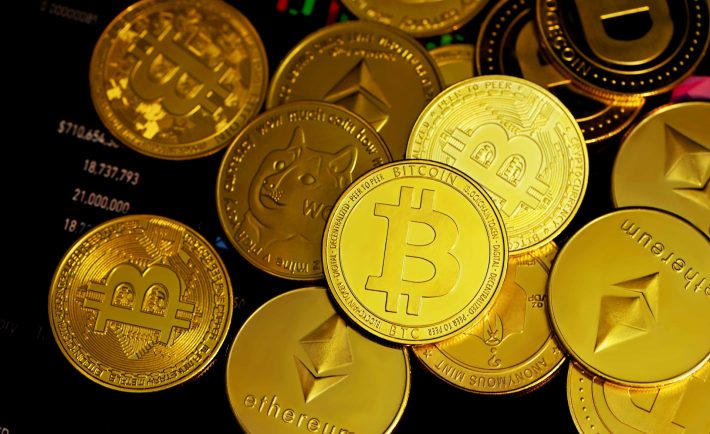
Exploring Cryptocurrency Investments in Singapore

Is cryptocurrency worth it? As digital currencies reshape finance, Singapore emerges as a crypto hub. We’ll dive into its regulatory framework, clarifying legal status, regulatory bodies, and regulations. Whether you’re seasoned or new, understanding Singapore’s rules is crucial for confident navigation.

Is cryptocurrency considered legal tender in Singapore?

While cryptocurrency isn’t recognized as legal tender in Singapore, it serves as an alternative payment method. Legal tender in Singapore is the Singapore Dollar (SGD), regulated by the Monetary Authority of Singapore (MAS).

Navigating cryptocurrency regulations in Singapore can be complex, especially with the involvement of multiple regulatory bodies like MAS and the SFC. Staying compliant is crucial, particularly when managing your tax obligations in the crypto space. If you need tax advice, visit this resource for expert guidance on GST registration and compliance in Singapore.

Do you need a license to trade cryptocurrency in Singapore? Depending on the platform’s functionality, a license may be required for trading in Singapore.

Who regulates cryptocurrency in Singapore?

Navigating cryptocurrency regulations in Singapore can seem daunting, given the involvement of multiple regulatory bodies. However, understanding their roles can provide clarity and ensure compliance with the established framework.

1: The Monetary Authority of Singapore (MAS)

As the primary regulator, MAS plays a central role in shaping and overseeing the crypto landscape under the Payment Services Act (PSA) 2019. MAS licenses businesses engaged in digital payment token (DPT) services, covering activities like operating exchanges and providing wallets. With a focus on innovation and risk management, MAS enforces strict Anti-Money Laundering (AML) and Counter-Terrorist Financing (CFT) regulations.

2: Securities and Futures Commission (SFC)

While not the main regulatory body, the SFC oversees digital tokens categorized as securities under the Securities and Futures Act (SFA). It focuses on tokens with characteristics similar to stocks or bonds, collaborating with other regulators to maintain market integrity.

3: The Payment Services Act (PSA)

Enacted in 2019, the PSA serves as the primary legal framework, ensuring a fair and safe crypto environment by mandating licenses and exemptions for specific activities.

4: Singapore Police Force (SPF)

SPF investigates and prosecutes criminal activities in the crypto space, working closely with MAS and other authorities to enforce laws and regulations, ensuring a secure financial environment.

Important Singapore Crypto Regulations governs cryptocurrency activities:
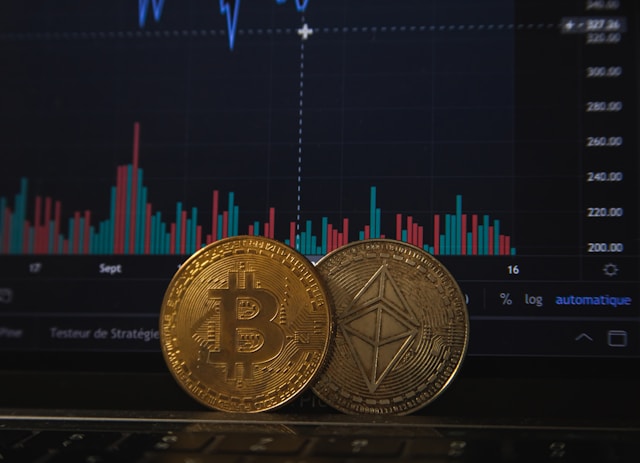
Image Credits: unsplash.com

1: Payment Services Act (PSA) Mandates licenses for various crypto activities, with exemptions for certain tokens.

2: Securities and Futures Act (SFA) Regulates tokens resembling securities or derivatives, aligning with established financial market principles.

3: Commodity Trading Act Oversees trading of asset-backed tokens, ensuring regulatory scrutiny.

4: Travel Rule Requires DPT service providers to collect and share client information during transactions, enhancing AML measures.

Understanding Singapore’s cryptocurrency regulations is essential for compliant and confident trading, especially under frameworks like the PSA and AML rules. For professional assistance with tax and financial compliance, consult this team of accountants to ensure you’re on the right track.

In conclusion, Singapore’s crypto regulation fosters innovation while ensuring stability. With oversight from MAS, SFC, and SPF, investors can engage confidently. Staying informed and compliant is key for maximizing your crypto journey.


 

Sources: 1 & 2


Read More...

Expanded Occupancy Cap for Larger HDB & Private Residences: Allowing Up to 8 Unrelated Individuals

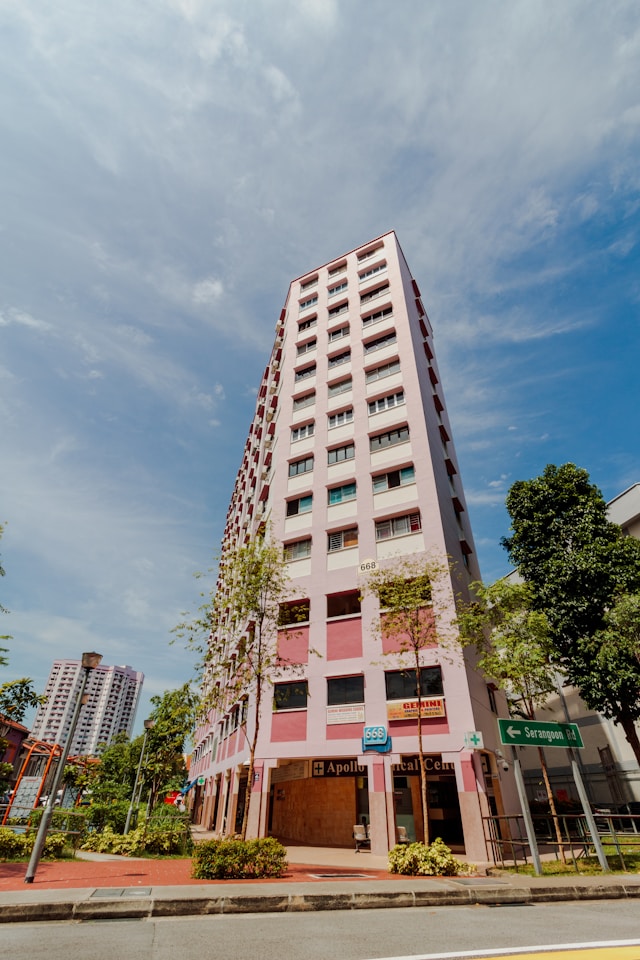
Between January 22, 2024 and December 31, 2026, the Housing & Development Board (HDB) and the Urban Redevelopment Authority (URA) announced a temporary relaxation of the occupancy cap for larger HDB flats and private residential properties. During this period, these accommodations will be permitted to accommodate up to eight unrelated persons, an increase from the current limit of six. This measure aims to address rental demand and support households seeking rental accommodations.

This relaxation applies to four-room and larger HDB flats, living quarters of HDB commercial properties equivalent to at least a four-room flat, and private residential properties of at least 90 square meters. However, any extension of this relaxed occupancy cap beyond 2026 will be subject to review based on market conditions at that time.

Minister for National Development Desmond Lee highlighted the surge in residential rents, largely attributed to heightened demand amidst construction delays caused by the Covid-19 pandemic. To alleviate this situation, the government accelerated housing supply, with nearly 100,000 homes slated for completion by 2025. Mr. Lee emphasized that this increased supply would enable Singaporeans to vacate rental units sooner, thereby freeing up rental stock.
He stated that the government “(anticipates) the need to maintain a healthy rental supply to support those seeking to rent.”

Image Credits: unsplash.com

To ensure a harmonious living environment, the temporary measure applies only to larger properties capable of accommodating more occupants with minimal impact on their surroundings. Residential property owners currently housing up to six unrelated persons must apply to HDB or URA, depending on the property type, to include additional occupants. Private property owners can register their properties through URA’s e-services for a S$20 administrative fee.

HDB and URA reiterated that the existing rule requiring HDB flat owners and commercial property owners to obtain approval before commencing tenancy remains unchanged.

Applications for renting out HDB flats or bedrooms can be submitted online through HDB’s e-services, with an administrative fee of S$10 per bedroom or S$20 per whole flat rented out. Similarly, HDB commercial property owners and tenants seeking to rent out living quarters can apply via the GoBusiness Licensing Portal, with an applicable administrative fee of S$100 per application.

Furthermore, to meet growing housing demand, the government has bolstered the supply of both public and private housing units, collaborating closely with the construction industry to address supply-side challenges.

With a significant surge in housing supply anticipated in the coming years, rental demand is expected to be sufficiently addressed. This year, around 40,000 homes are projected to be completed across public and private residential sectors, marking the highest completion rate in five years. Furthermore, from 2023 to 2025, approximately 100,000 public and private residential units are scheduled for completion. HDB is also doubling the supply of flats under the Parenthood Provisional Housing Scheme (PPHS) to about 2,000 units, compared to 2021.

Image Credits: unsplash.com

For enquiries regarding the rental of HDB flats/living quarters, the public can write in using HDB’s e-Feedback form, or contact the HDB Branch Service Line at 1800-225-5432 (for HDB flats) or HDB Commercial Enquiry Line (for living quarters) at 1800-866-3073. For enquiries regarding the rental of private residential properties, the public can reach out via URA’s e-Feedback form or contact the URA Development Control Line at 6223-4811.

Sources: 1,2, & 3

Read More...

Evolution of Forex Trading: Navigating the Dynamic Landscape

Forex trading, an intricate tapestry woven from the threads of global economies, has evolved into a dynamic and multifaceted industry, presenting both challenges and opportunities. Understanding the historical trajectory and the contemporary nuances of this market is paramount for traders, whether they are novices embarking on their financial journey or seasoned professionals seeking to harness its vast potential.

Historical Overview

The roots of forex trading are closely linked with those of economic history in general, with an important milestone being marked by the Bretton Woods Agreement in 1944. This accord laid the groundwork for an exchange rate system that would be fixed, setting the stage for international monetary cooperation. However, it was the subsequent shift in the early 1970s to an exchange rate system that was “floating” that catalyzed the modern era of forex trading. This move unleashed currencies to fluctuate based on market forces, leading to what would go on to become the decentralized and 24-hour market that we recognize today.

Role of Brokers

Brokers are an integral part of the system, and they do their job by offering trading platforms that empower individuals to buy and sell currencies. It’s within this framework that legitimate forex trading platforms come to the forefront, serving as reliable intermediaries facilitating access to the global forex market.

The Necessity of Broker Licenses

A linchpin in the forex trading ecosystem is the acquisition of a broker license, a regulatory imprimatur that distinguishes reputable brokers from their counterparts. Regulatory bodies such as CySEC, FSCA, and ASIC bestow these licenses upon brokers who demonstrate a commitment to financial regulations, ethical business practices, and the protection of client funds. The importance of broker licenses cannot be overstated, and popular platforms tend to exemplify this commitment, ensuring a secure trading environment for their clientele.

Guarding Against Scam Brokers

The allure of the forex market also attracts less scrupulous entities—scam brokers seeking to exploit unsuspecting traders. These unregistered and unauthorized actors can pose a threat to the integrity of the industry. Regulatory bodies globally actively combat such malpractices, emphasizing the crucial role of broker licenses in identifying trustworthy platforms. Services like OctaFX, FBS, and IQ Option, being stalwarts in the industry, prioritize the safety of their traders by adhering to stringent regulatory standards.

Forex Trading: An Ever-Evolving Landscape

The evolution of the forex market marches in tandem with technological advancements, giving rise to sophisticated trading platforms. These platforms are instrumental in executing trades, providing real-time data, and offering advanced analysis tools. The continuous interplay between forex trading, reputable brokers, and cutting-edge trading platforms showcases the industry’s adaptability and resilience in the face of changing global dynamics.

Educational Imperative for Traders

In an industry as dynamic as forex trading, education emerges as a powerful tool for traders who are new to the game, as well as those who are already veterans. Continuous learning equips traders with the knowledge needed to navigate the ever-evolving landscape, make better decisions, and guard against potential pitfalls. Platforms are constantly competing for users, so it is in their best interest to offer traders more than just a simple trading system, but other resources as well, such as guides and educational materials.

Conclusion

As forex trading continues to shape the global financial landscape, understanding its history, the role of brokers, and the significance of broker licenses remains paramount. The ability to adapt, stay informed, and choose reputable brokers like OctaFX, for example, is key to success in this dynamic industry. The ongoing evolution of forex trading, coupled with the safeguards provided by broker licenses, ensures a resilient and trustworthy place for traders worldwide to operate.

Read More...

Receive S$180 cash or S$190 CapitaLand voucher and more when you open a Tiger Brokers Account

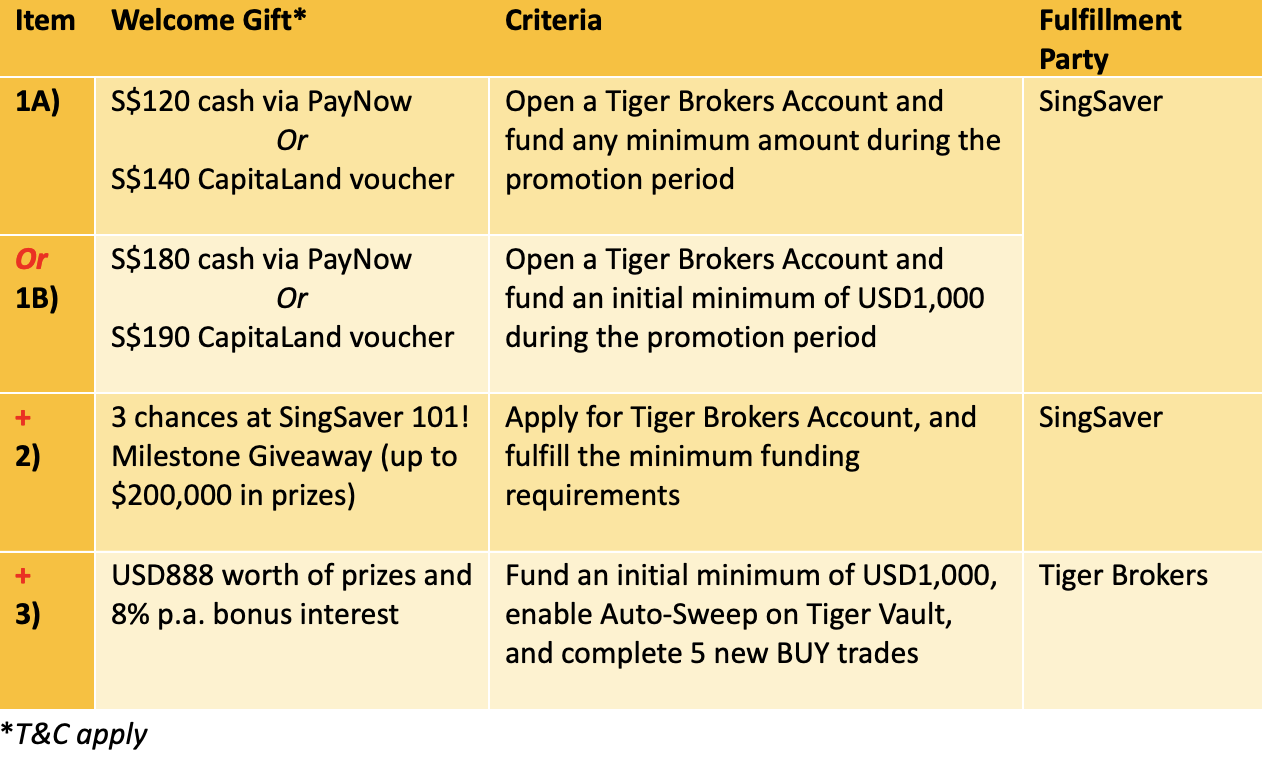
New to Tiger Brokers and not yet a customer? Great news because by opening an account during the promotion period, you will have 3 bites of the cherry to bag incredible welcome gifts. Here’s how the promotion mechanism works!

SingSaver’s Exclusive Offer

As the table shows, a new customer who signs up for a Tiger Brokers account via SingSaver and meets the eligible criteria receive up to 3 different types of welcome gifts, i.e. Welcome Gifts 1A or 1B, 2 and 3. Yes, you read it right, the SingSaver and Tiger Brokers welcome gifts are stackable.

Follow this step-by-step guide to ensure you do not miss out on Welcome Gifts 1 and 2 that are fulfilled by SingSaver.

  1. Step 1: Click on this URL and submit an application for a Tiger Brokers account during the Promotion Period (13 Nov – 20 Dec 2023, both days included)
  2. Step 2: Follow the link in the email sent to you, select your reward of choice and submit your Rewards Redemption Form.
  3. Step 3: Fund your account with the minimum required amount (US$1,000 if you are aiming for a larger welcome gift) within the Promotion Period

Note that lucky draw winners at the SingSaver 101! Milestone Giveaway will be announced on SingSaver’s contest winners page by 7 June 2024.

On the other hand, Reward 3 will be fulfilled by Tiger Brokers and is only valid till 22 Nov.

What is Tiger Brokers?

SG_Tiger Brokers_STK_Tiger Brokers

Tiger Brokers is a leading global online broker founded in 2014. Listed on the NASDAQ stock exchange, it uses next-generation technology to enable clients to trade a wide range of securities across multiple global markets and currencies.

Customers enjoy commission-free trades on US, HK, SG and China A stocks and has access to real-time market data and detailed analysis to make informed decisions. With offices in Singapore and other cities, it provides instant account opening capabilities as well as 24/7 customer support. It is also licensed by Monetary Authority of Singapore (MAS).

Sign up for Tiger Brokers

So what are you waiting for? Open an account right away and fund an initial minimum of USD1,000 to start your investing journey with Tiger Brokers. In doing so, let’s also not forget that you will be in store to receive the amazing welcome gifts offered by SingSaver and Tiger Brokers as summarized below!

Receive S$120 upsized cash via PayNow or S$140 Capitaland voucher when you open a Tiger Brokers account and fund any amount. Fund at least USD 1,000 on your account, or transfer in stocks of the same value from another brokerage, to snag an additional S$60 cash (S$180 total) via PayNow or a S$190 Capitaland Voucher. Valid till 20 Dec 2023. T&Cs apply.

Also get up to USD 888 worth of prizes and 8% p.a. bonus interest when you deposit and trade with your Tiger Brokers account. Valid till 22 Nov 2023. T&Cs apply.

Plus, get 3x chances to win your share of up to S$200,000 in prizes in our epic 101! Milestone Giveaway, including S$5,000 bonus cash each week on top of ongoing promotions! T&Cs apply


Read More...

Understanding CFD vs. Forex: What Every Trader Should Know

Considering CFD or Forex trading for your financial portfolio? This article gives you a clear picture of their differences and how you can get started.

Forex and CFDs are international financial instruments. Both are highly leveraged instruments that offer the possibility of financial success, but they are not the same. Contracts for difference are a special kind of derivative financial product, while Forex involves buying and selling currencies.

What Is CFD Trading?

Contracts for Difference are derivative contracts allowing investors to speculate on price changes in underlying assets without purchasing or owning such assets. They enable investors to trade the difference between an asset’s opening and closing prices through a broker. CFD trading offers a wide variety of assets, including stocks, indices, commodities, and cryptocurrencies. Its minimal barrier to entry means it can be used by anybody, anywhere in the world. Using leverage, you may manage bigger holdings with the same amount of money.

What Is Forex Trading?

Foreign exchange is the buying and selling of currencies in the Foreign Exchange market. Currency exchange is decentralized, allowing traders to purchase and sell currency pairings like GBP/JPY or EUR/USD to benefit from price changes. Due to the overlap of sessions in several time zones, currency trading can occur around the clock, five days a week. As in CFD trading, traders can use leverage to magnify their gains on a reduced financial investment.

What Is the Difference Between a CFD and Forex Trading?

Asset Traded and Characteristics

Unlike Forex trading, which only trades currencies, CFDs allow you to speculate on various markets your broker can cover. Traders can take a bullish or a bearish stance on an asset and place either a short or a long position. Gains or losses are determined by the fluctuation between the asset’s opening and closing prices.

The foreign exchange market is global in scope. There is typically no centralized currency exchange. The value of one currency is exchanged in relation to another.

Pips are the smallest increment of change in a currency pair that can result in a profit or loss.

Leverage is a feature of Forex and CFD trading that allows investors to manage a larger position with the same amount of cash. However, leverage amounts may vary depending on factors like the broker, location, and regulations.

Liquidity and Access to the Market

Since the foreign exchange market is open around the clock across several time zones and can be accessed by anybody with an internet connection and a broker account, it offers excellent market access and liquidity. The forex market is the most liquid financial marketplace, with daily exchange volume averaging $6 trillion. In addition, this market has low entry barriers, necessitating only a little starting capital investment and some familiarity with currency pairs.

Market access and liquidity of CFD trading make it possible to trade on a wide variety of worldwide marketplaces throughout their respective hours. As expected, they vary depending on the underlying asset being traded. Traders benefit from this variety of markets and assets but face problems like adapting to various laws, fees, spreads, and commissions.

Spreads, Commissions, and Other Charges

The spread, or the difference between the broker-quoted buy and sell price, is a frequent cost associated with buying and selling CFDs and FX. This charge covers your broker’s overhead and the money they make from your trades. The spread shifts due to changes in the asset, the broker, the market, and the liquidity.

Currency trading on the FX market has more competitive spreads than CFDs since more people trade in this market. In addition to spreads, you may incur other expenses for each trade while trading CFDs. CFD trading makes greater use of them, especially when dealing with equities and indices.

Reason for Trading

Foreign exchange trading can be done for speculative purposes, although its principal function is facilitating commerce and investment across national boundaries. Foreign exchange markets include transactions between central banks, businesses, institutional investors, and private speculators. Hedging is another reason people trade Forex. Currency traders often work with forex brokers, although Forex can also be traded on the Contracts for Difference market.

The initial intent of the CFD market was to serve as a hedging mechanism. CFD contracts can be a hedging tool for existing equity and commodity investments. Contracts for difference do not expire like option contracts. Rolling over overnight contracts may incur additional fees depending on the provider. Since there is currently no oversight, the fees may differ.

Mini and micro units are more manageable for smaller traders and are available for several currency transactions. Currency futures contracts can also be traded as options. Currency exchange-traded funds (ETFs) allow investors to trade currencies on the stock exchange.

Final Words: How To Trade CFD and Forex

First, you must create and fund an account with a trustworthy broker. Make sure your broker has a solid reputation through background research.

After selecting a broker and opening an account with them, you will need to fund your account using the method you have chosen. Some account types and platforms are more suited to your specific needs and style than others, so do your homework.

You should also choose a way to trade that is consistent with your objectives and risk comfort level. You can reduce your risk and enter and exit positions with more consideration when you have a plan. You can use technical and fundamental analysis to spot opportunities and determine when to enter and quit a market.

Ultimately, you must decide which asset or currency pair to trade. Studying the economic statistics, geopolitical events, and central bank policies that affect the price fluctuations of your preferred currency pair is crucial. After deciding the currency pair to trade in, you may purchase or sell it on your platform. Always keep a tight eye on your investments and employ risk management strategies to reduce potential losses.


Read More...