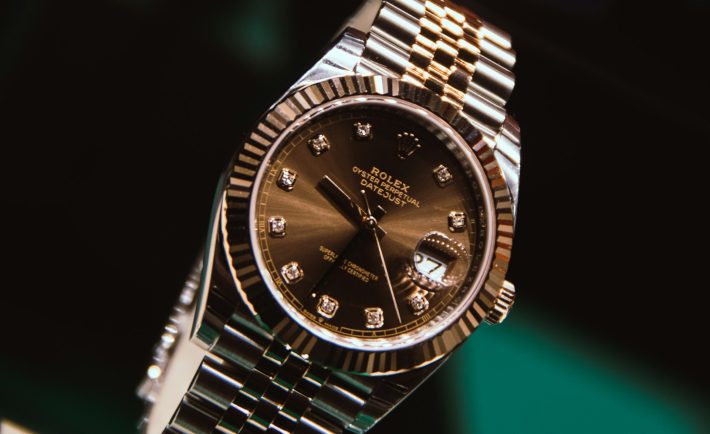
Are Watches Good Investments in Singapore?

In a city where wealth and taste often go hand-in-hand, watches have become more than mere instruments of time. They are symbols of achievement, status, and a discreet yet powerful way to showcase success. Some wear them for the satisfaction of being noticed, others see them as treasured collectibles, while serious investors treat them as tangible assets with the potential to grow in value.

Knight Frank’s Attitudes Survey 2021 highlighted just how strong this sentiment is. Among ultra-high-net-worth families in Singapore, watches ranked as the most popular passion investment. Nearly eight in ten families surveyed expressed a preference for collecting timepieces over art, cars, or wine. Auction houses have taken note. According to Alexandre Bigler, VP and Head of Watches at Christie’s Asia Pacific, Singaporean buyers have been a steady and vital part of the market over the past five years.

Local tastes reflect both tradition and innovation. Legendary names such as Patek Philippe and Rolex remain dominant with models like the Nautilus, Daytona, and Submariner continuing to command long waiting lists and impressive resale premiums. At the same time, watch collectors grew interest in independent makers such as MB&F, F P Journe, and Richard Mille.

Image Credits: unsplash.com

From an investment perspective, watches have a unique appeal. Their value is not tied closely to stock market swings, and high demand models have historically held firm even in downturns. A luxury watch is also a portable asset that can easily be carried or even passed on as a family heirloom. Market figures reinforce this confidence. The global luxury watch market was valued at S$53 billion in 2022 and is projected to expand to S$80 billion by 2030.

However, investors must be cautious. You see, the secondary market is crowded with counterfeits, making authentication essential. Liquidity is also uneven. A Rolex Submariner might attract buyers within days, while a lesser known watch could take years to sell at the right price. Maintenance and servicing costs can also reduce profits. For used watches, factors such as brand reputation, condition, rarity, and model popularity play a decisive role in long term value.

Image Credits: unsplash.com

So, are watches good investments in Singapore? The short answer is yes. For those with expertise and appreciation for fine craftsmanship, a carefully chosen timepiece is not only a marker of success but also one of the smartest investments you can wear.
Sources:1,2, & 3


Read More...

Why Singapore’s New Luxury Condos Are Becoming the Go-To Investment Amid Global Uncertainty

Singapore private property

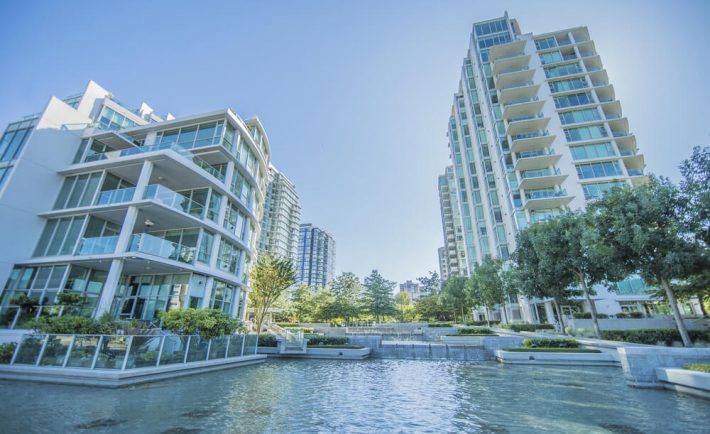
As global markets reel from inflation, rising interest rates, and geopolitical tensions, investors are increasingly turning to real estate as a safe harbour. In particular, Singapore’s new wave of luxury condominiums is capturing attention from both local and international buyers looking for stable returns and long-term capital appreciation. Flagship developments such as One Marina Gardens condo and The Myst Condo are leading this surge, offering not just high-end living but also powerful investment potential. Here’s why luxury condos in Singapore are quickly becoming the preferred asset for savvy investors navigating uncertain times.

Singapore’s Political and Economic Stability Is a Major Draw

Amid global volatility, Singapore’s reputation for stability makes it a natural magnet for capital. The city-state consistently ranks among the safest and most well-governed countries in the world, with low corruption, a strong legal system, and prudent fiscal policies. For investors seeking asset preservation, this matters. When paired with strict urban planning and limited land availability, high-end developments such as One Marina Gardens condo gain even more desirability. The political environment supports consistent property value appreciation, especially in premium districts.

Luxury Condos Offer Built-In Resilience to Market Shocks

Not all real estate is equal in times of crisis. Luxury condos in Singapore have shown remarkable resilience during past economic downturns, largely because of their exclusivity and enduring demand from ultra-high-net-worth individuals. The Myst Condo, for instance, combines rare greenery-facing views with premium amenities, attracting long-term buyers who are less affected by economic cycles. Unlike mass-market properties, luxury condos tend to maintain their value better and recover faster after financial disruptions.

Foreign Buyer Interest Continues Despite Cooling Measures

Even with cooling measures in place, Singapore’s luxury property market continues to attract international interest. Wealthy buyers from China, India, Indonesia, and even Europe are still investing, viewing Singapore as a stable wealth haven. New launches such as One Marina Gardens condo are designed with global tastes in mind, blending opulent interiors with iconic skyline views. As regulations tighten elsewhere or volatility increases, Singapore’s predictability becomes more attractive—especially to those looking to park funds in hard assets.

Smart Design and Prime Locations Maximise Rental Potential

Today’s luxury condos are not just homes—they’re designed investment vehicles. Developments such as The Myst Condo are strategically located near transport hubs, business districts, and reputable schools, enhancing both lifestyle appeal and rental yields. This combination of design intelligence and location ensures that even in fluctuating markets, owners can command premium rents. Moreover, with Singapore’s growing expatriate population, demand for luxury rentals remains high, particularly in central and green-adjacent zones.

Conclusion: Luxury Condos Are the New Safe-Haven Asset Class

While stocks waver and currencies fluctuate, Singapore’s luxury condo market continues to rise above the noise. Developments such as One Marina Gardens condo and The Myst Condo offer more than just upscale living—they offer strategic, tangible investments rooted in stability, exclusivity, and long-term value. For investors looking to hedge against global uncertainty, Singapore’s latest high-end residential launches are proving to be the smart bet in an increasingly unpredictable world.


Read More...

Gold Price Surges Past US$3,100 for the First Time Amid Global Uncertainty

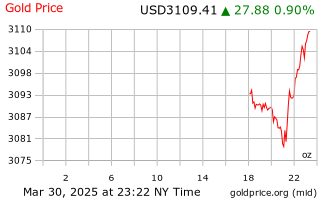
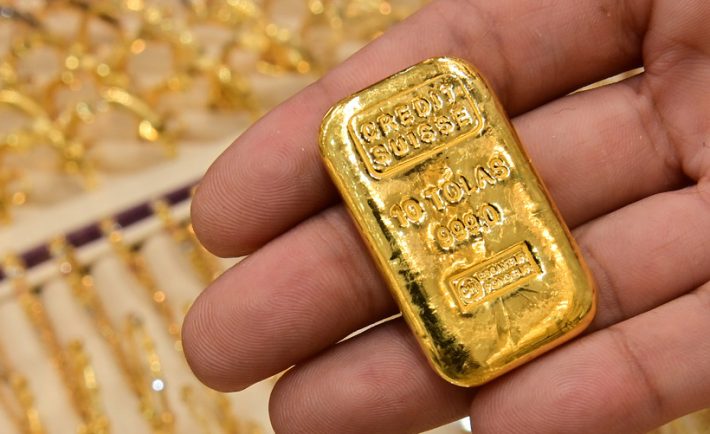
Gold prices soared to a new all-time high during early Asian sessions on Monday, with spot gold breaking above US$3,100 an ounce for the first time in history. The surge comes as growing political tensions and financial market jitters continue to push investors towards safer assets.

The rally was largely driven by mounting fears of a global trade war, sparked by U.S. President Donald Trump’s latest move to impose new tariffs. The development has heightened uncertainty across global markets, prompting a flight to safety and driving strong demand for gold.

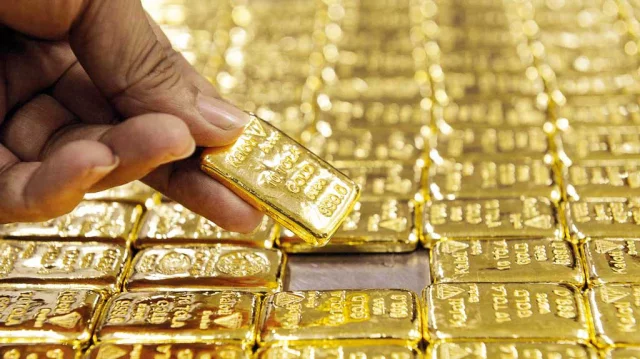
Image credit: Dhaka Tribune

With both geopolitical and economic tensions rising, gold is once again proving to be the go-to safe-haven asset.

This sharp uptrend marks a continuation of gold’s bullish streak in recent months, supported by broader concerns around slowing global growth, volatile stock markets, and a weaker U.S. dollar. The latest price action reflects just how nervous investors have become amid shifting policies and uncertain global outlooks.

Read More...

What Affects the Singapore Stock Market?

The Singapore stock market is influenced by a wide range of factors, both global and domestic. These elements shape investor confidence, market performance, and stock prices. Understanding the following factors can help investors make better decisions.

ECONOMIC CONDITIONS

The overall health of Singapore’s economy plays a big role in the stock market. Important factors like economic growth, inflation, unemployment, and trade balance affect investor confidence and stock prices.

GLOBAL MARKET TRENDS

Singapore’s stock market is connected to major international markets like the US, China, and Europe. If these markets go up or down, it can influence investor decisions in Singapore as well.

INDUSTRY PERFORMANCE

Different industries such as technology, finance, shipping, and real estate impact the stock market. If a sector is doing well, stock prices in that industry may rise. If it struggles, prices may fall.

COMPANY NEWS

Stock prices can change based on company announcements like earnings reports, new products, leadership changes, or business updates. If a company performs well, its stock price usually goes up. If it faces challenges, the price may drop.

GOVERNMENT POLICIES/REGULATIONS

Changes in government rules, taxes, and financial policies can affect the stock market. Policies that encourage business growth can boost investor confidence, while stricter regulations may create uncertainty.

INTEREST RATES

The Monetary Authority of Singapore (MAS) controls interest rates. When interest rates go up, people may prefer safer investments like bonds instead of stocks. When rates go down, stocks become more attractive.

CHALLENGES FACING THE SG STOCK MARKET

On July 13, 2024, a report stated that Singapore’s stock market had reached its lowest point. Investors have been worried about low liquidity and weak stock prices, making the market seem less attractive. Many describe it as boring and unexciting.

One major problem is that fewer companies are listing on the Singapore Exchange. At the same time, many companies are choosing to leave the market. This has created a cycle where low activity discourages new investors, making the problem worse. Experts have noted that in the first half of 2024, Singapore had only one small new company listing on its stock exchange.

WHAT TO EXPECT THIS YEAR

As we move into 2025, experts are uncertain about how Singapore’s stock market will perform. Global interest rates and trade restrictions could impact the market, especially as the United States gets a new president.

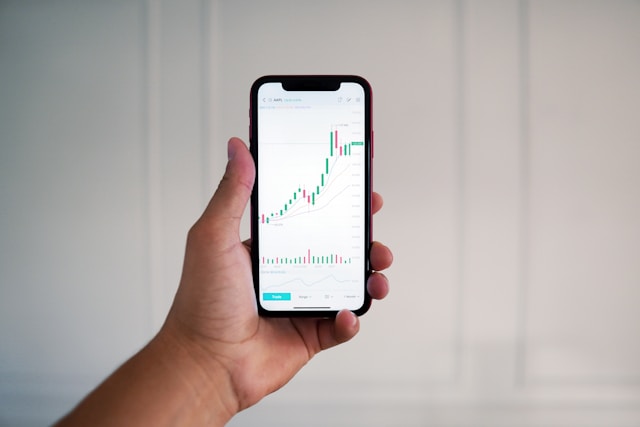
Image Credits: unsplash.com

Economists believe 2025 could be a tougher year than 2024. Singapore’s economy relies on trade with China, the US, and the European Union. If these economies slow down, Singapore’s stock market may struggle.

IN A NUTSHELL

The Singapore stock market faces some challenges, but investors who understand these factors can make better decisions. Market conditions may be unpredictable in 2025, but keeping an eye on global trends, government policies, and industry performance can help investors find opportunities in the Singapore Exchange.

Sources: 1 & 2


Read More...

Time and Wealth: How Compound Interest Grows Your Money

They say time is money but when it comes to investing, time is actually wealth. In Singapore’s fast-paced economy, understanding the magic of compound interest can be the key to financial freedom. So, how does it work?

POWER OF COMPOUNDING

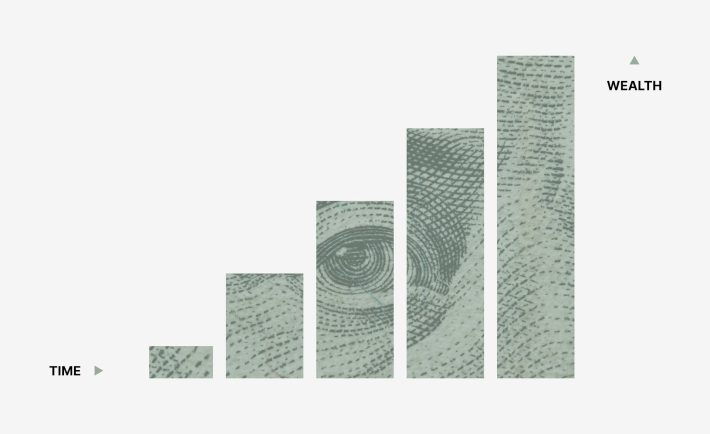
Think of compound interest as a snowball rolling down Bukit Timah Hill small at first, but growing bigger as it gains momentum. In finance, this means your initial investment earns interest, and that interest starts earning more interest over time. The longer you leave your money to grow, the bigger the effect.

Let’s say you invest S$10,000 at an annual return of 5%. In a year, you’ll have S$10,500. But in the second year, you’re earning interest not just on your original S$10,000, but also on the extra S$500, bringing your total to S$11,025. Fast forward 20 years, and your initial sum has nearly doubled without you lifting a finger!

WHY START NOW?

Singapore’s CPF system already takes advantage of compounding, but you can supercharge your wealth with investments in ETFs, stocks, or savings plans. The trick? Start early and stay consistent. The longer you let your money grow, the more time does the heavy lifting for you.

Image Credits: unsplash.com

So, whether you’re saving for your first BTO or early retirement, remember: wealth isn’t just about how much you earn it’s about how wisely you let time work for you.


Read More...