Everything You Need To Know About Malaysian Ringgit

Much like Singapore, Malaysia is a multicultural country. It has substantial influences from the British, Arabic, Persian, Indian, and Chinese culture. Aside from this, it shares land borders with Thailand, Indonesia, and Brunei.

Not to mention, we can simply travel to Malaysia by land. Whether you are travelling to Malaysia or having a business transaction, here is a list of everything you need to know about the Malaysian Ringgit!

#1: MORE THAN JUST ART

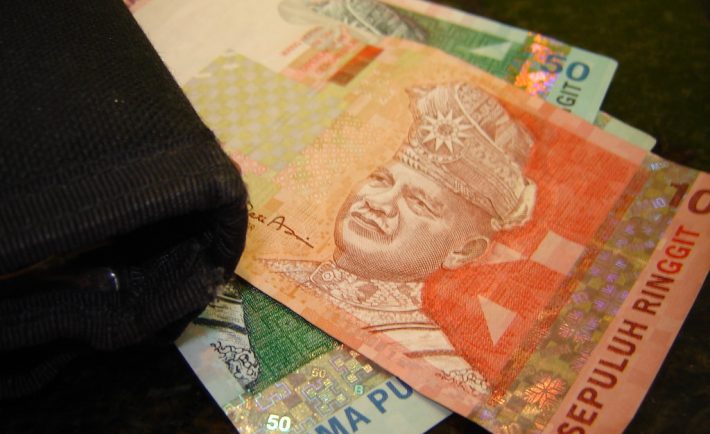
Vibrant colors sprinkled on the notes are the first things that people notice about the Malaysian Ringgit. Did you know that these colors serve a purpose? Aside from being aesthetically pleasing, the colors enable you to identify the denomination in a glance.

Now, look at the reverse side of the note. Most bills contain images of Malaysia’s infrastructure at the back. For instance, the famous Petronas Twin Towers grace the 5-ringgit note.

#2: MOVES LIKE JAGGED

In Malay, the word “ringgit” means “jagged”. It originates back to the colonial times where rough Spanish silver coins were once used. During this time, the coins were called dollars. This is why you may have seen some prices listed as “$” or “M$” before.

Currently, the currency in Malaysia is issued by the Bank Negara Malaysia (National Bank of Malaysia).

#3: SMART MONEY MOVES

When travelling to Malaysia, you have to be mindful with how you spend your money. Spare your small change to the street vendors or the people who have a problem breaking down your large notes.

Save your RM50 and RM100 banknotes to hotel, bars, mini-marts, and other establishments that carry plenty of cash flow.

#4: MUCH IS THE SAME

Interestingly, the Ringgit shares the same denomination as the Singaporean Dollar. It is divided into RM1, RM5, RM10, RM20, RM50, and RM100.

There used to be an RM500 and RM1000 denominations, but the government demonetized it in the 1990s to curb money laundering. If you see this note being handover to you, stay vigilant. Do not accept any of these notes from anyone.

#5: MONEY SPENT AND MONEY SAVED

According to a study, the top three ways that Malaysians employ to eliminate their spending include spending less on clothes, reducing entertainment costs, and switching to more affordable grocery items.

On the other hand, they spend most of their disposable income on dining out. This is followed by their petrol and housing costs.

#6: SAVE YOUR TIPS

Save your tips as most people do not expect to receive it. Tipping is not a common practice in Malaysia. Some places such as restaurants and luxury hotels may add a 10% service charge to your bill.
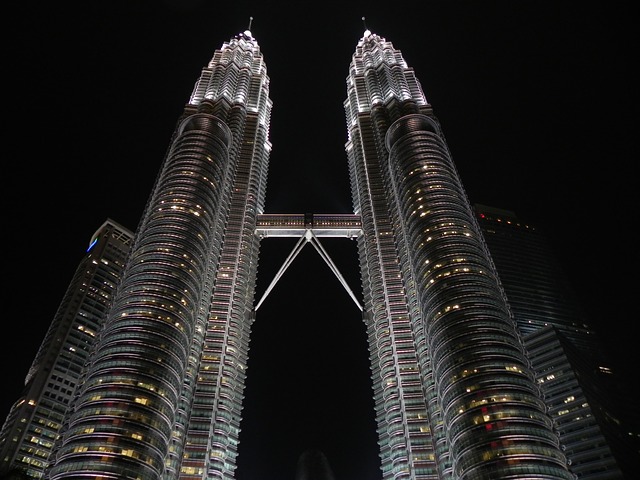
Image Credits: pixabay.com

Otherwise, tipping will be discretionary.

Sources: 1 & 2 & 3

Read More...

What’s The Hype About Jewel Changi Airport?

Scheduled to open this month is the latest Jewel of Singapore – the Jewel Changi Airport. This multi-purpose development includes a hotel, aviation facilities, retail stores, dining facilities, and various attractions. A complex that houses all these facilities must be massive! The complex covers a total gross floor area of 134,000 meters, which spans about 10 stories.

I am most excited about the key attractions including the world’s largest indoor waterfall and the five-story indoor garden. Let us start with the HSBC Rain Vortex. Standing at 131 ft high is the world’s largest indoor waterfall. At night, the Rain Vortex glistens with lights and sounds. These were curated by the water design expert WET Design. I expect nothing but the best!

Lastly, Canopy Park aims to astound you with its two gardens including Topiary Walk and Petal Garden. The former features animal-shaped topiaries. The latter features seasonal floral displays. These natural displays excites my flower-loving heart!

Aside from flowers, food holds a special place for us. Singaporeans are enthusiastic about the flavors offered by Shake Shack and the comeback of A&W Restaurant.

Image Credits: danielfooddiary.com

Probably the most anticipated F&B opening at Jewel, is the famous burgain chain called Shake Shack. Its first outlet in Singapore is set to open on April 17. Shake Shack will offer its classic coffee milkshake along with locally brewed Jewela Melaka and Pandan Shake. Jewela Melaka is a frozen vanillacustard ice cream with coconut salted caramel, Lemuel chocolate chunks, shortbread, and gula melaka. Pandan Shake (S$7.80) puts a Singaporean-spin to their classic brew by adding pandan. Putting a spotlight on their burgers entails that its made with freshly ground 100% Angus beef. Rest assured that it has a delicate texture, great taste, and no added hormones. ShackBurger costs S$9.20 to $12.90.

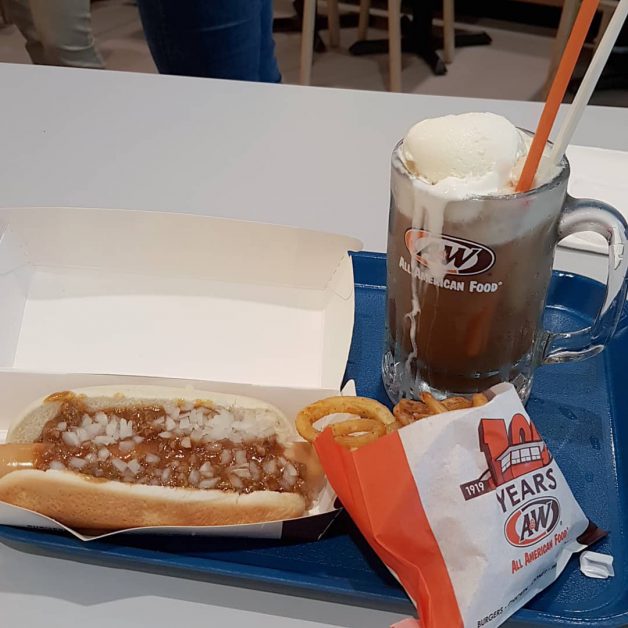
Last but not the least is the ultimate throwback F&B opening of A&W Restaurant in Jewel Changi Airport. It is operating for 24 hours daily and is Halal-certified. Many are thrilled to taste the Root Beer Float, Coney Dogs, Curly Fries, and Waffle Ice Cream once more. This all-American restaurant will welcome long queues for sure!

Image Credits:greatdeals.com.sg

Oh! The Jewel houses a Pokemon center too. Certainly, the nation is shaken by the opening of the Jewel! Wait and see for more.

Sources: 1 & 2

Read More...

Best Places To Withdraw Cash Overseas

Armed with five currencies in our arsenal, my friends and I decided to go to an Indochina trip. We foresaw great expenditures ahead! This is why we decided to divide the expenses throughout the months leading up to our trip. Our airline tickets and accommodations were all taken cared of. However, there were hidden expenses that we overlooked. This burnout my cash.

Now, I turned to the local ATM to replenish my funds. My friends, on the other hand, used credit cards and exchanged their American dollars. Which of us got the better deal? Well, this has been an ongoing debate ever since.

MONEY REMITTANCES

Say that you have an emergency and you do not carry extra cash or plastic cards. How will you solve the immediate situation? For starters, you may have someone from home wire money to you.

Within a day, you can get money from well-known international companies such as Western Union or MoneyGram. These two charge variable fees depending on how much money you are sending, how the recipient will access the money, and where it will be sent. The most economical price entails the slowest service.

The only downside is that remittance fees can run from 1 to more than 10 percent! Generally speaking, faster services entail more expensive fees.

CREDIT CARDS

What will you when your hotel bills skyrocketed without warning? You may consider using credit cards for large purchases like this. I am referring to airline tickets, car rentals, and fancy meals too.

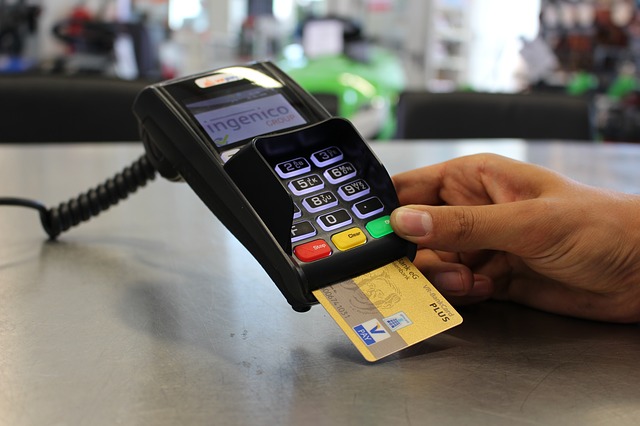
The most attractive advantage to using credit cards while traveling overseas is that purchases are exchanged at the interbank exchange rate. Usually, this is the best rate you can get for a currency exchange. While most credit card issuers ask for conversion fees, these fees are usually lower than what you must pay in currency exchange counters. Furthermore, there are a few cards that do not charge for foreign transactions!

The only downside is the idea of paying hefty late payment charges when the credit card bill arrives earlier than you. So, make advance payment arrangements.

DEBIT AND ATM CARDS

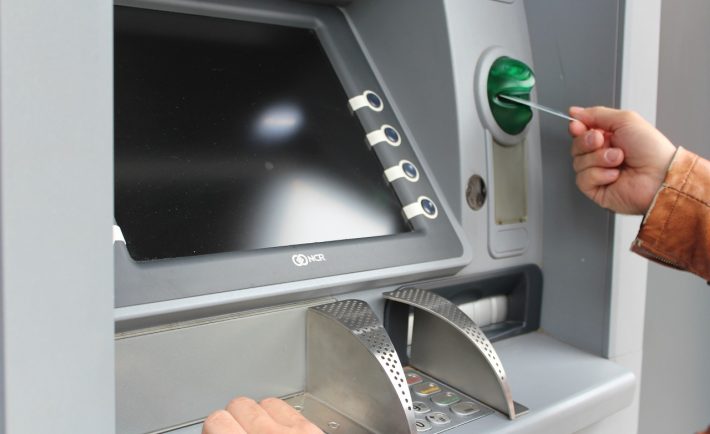
Debit card was my weapon of choice when we went to Thailand. It is a quick way to get cash exchanged in the local currency. I stress on its convenience as major cities and airports have ATMs available everywhere. Moreover, you will get the same interbank exchange rate when you withdraw with your debit or ATM card as you do with your credit card.

The only downside is that you will be charged a service or conversion fee for every withdrawal you make. Fortunately for me, there are several UOB ATMs in Thailand!

JUST A RECAP!!!

Image Credits:pixabay.com

The best ways to exchange currency include using your credit, debit, or ATM cards. As much as possible, use your financial institution’s ATMs to get lesser conversion fees. Before leaving for your travels, ensure that you have your money exchanged in at least two different currencies. When you are back home, see if your bank will buy back your foreign currencies.

Source: smartertravel.com

Read More...

Ninja Ways To Earn Money While Vacationing

Taking a much-deserved vacation is supposed to be relaxing. However, traveling on a tight budget can reduce the excitement. It does not matter if you get paid vacation leaves! Planning for a trip is an expensive undertaking. Money should be placed in a practical position whereby you can still pay for your bills when you come back home. Earning money while on a vacation can be a simple solution to your financial woes.

Ninjas are warriors known for their speedy and sneaky attacks. Much like a ninja, you may earn money in the fastest way possible by following these tips.

SELL YOUR PHOTOGRAPHS

The Internet has a plethora of websites that buy and sell stock images from public users. Fotolia is one of the websites where you can make money by selling your digital photographs. Simply upload your best photos for the approval of the website’s administrators. Once your photos have been approved, it will be added to the marketplace where individuals or businesses can buy them.

You earn royalties which can vary from a few cents to a couple of dollars every time your photos are downloaded. Please be warned that Fotolia is closing on November 2019. Use it will you still can!

CLEAN YOUR CLOSET

While I was packing for my Bangkok getaway, I noticed how much clothes I should clear out. I remember the sleeveless tops and jeans that I no longer wear. Instead of tossing these, I can donate or sell some on Carousell. Carousell is an app that will enable you to connect to many local buyers. It can provide you a venue to negotiate with your potential buyer to get the best deal.

You will not have to worry about it while you are away. When you come back, you will be able to cash in on all of your offers and send all of your items.

SIGN-UP FOR REWARDS

Before jetting off to your dream destination, consider making an appointment to your nearest credit card issuer. Sign-up for travel-driven credit cards to reap its benefits. Some cards, like Citi PremierMiles Visa Credit Card,
will give you sign-up bonuses and points for every travel (e.g., 2 Citi Miles per S$1 on overseas travels).

Continue using said card to accumulate more points leading up to a better cash back experience. Who knows? Your next trip might be free!

Image Credits: pixabay.com

There are many ways to earn money with little to no effort at all. Do your research and stick to what you are good at. Have fun on your exciting trip!

Source: popsugar

Read More...

How To Fuel Up Your Money After Vacation

With a burnout heart, my friends and I decided to go on a week-long vacation to Bangkok. We have been working so hard for the past months that our bodies craved for a break. There is nothing wrong with giving yourself a reward from time to time. We all need and deserve it.

However, you may hit a financial iceberg when you go overboard. This happens to many Singaporeans who are on a vacation. They think that they can throw caution out of the window and spend like there is no tomorrow!

During our trip, we maximized each day by going to several tourist attractions from day to night. We spent more money than our perceived expenses. After our week-long sabbatical, I decided to fuel up my funds.

STEP # 1 – EXAMINE THE DAMAGE

As with everything, the first step is awareness. Find how much your vacation has cost you. Accept the fact that you cannot undo the expenses you have drained while you were on a vacation. You cannot bring back the time you bought a new sarong to comply with the temple’s dress code! While you cannot take back the S$200 you spent in a posh bar, you must still know how much you spent during your trip.

Ask yourself the following questions:

a. How much did I spend on a daily basis?
b. How much is my credit card bill?
c. Can I afford to pay in full?
d. When will my next paycheck arrive?
e. Will I need to take some money from my emergency fund?

You may not realize how overwhelming your financial state is while you were on a vacation. So, now is the time to see the total damage. Knowing where you stand financially can help you to recover with ease.

STEP # 2 – TAKE NECESSARY ACTION

After identifying the financial holes, it is time to take action. Rewrite your budget in accordance to your current financial situation. Allot a portion of your funds to repayment of your credit card bills or lost savings. Make things easier by downloading budgeting apps such as Mint.

During the recovery period, you must do your best to tone down your spending. Eliminate or cut down optional expenses for the next few months. Dine out less and take fewer trips to the shopping malls. Minimize your spending by steering away from temptations! Do not worry about bending down as your financial diet will not last forever.

You may also earn money by taking up a part-time job. Get extra money without sacrificing your main source of income.

STEP # 3 – LEARN FROM MISTAKES

You have learned your lesson by facing its consequences. The next time you go on a vacation, you will know better. Use what you have learned to strategize your itinerary. Perhaps you can dwell on experiences rather than buying too many souvenirs for your family. In Bangkok alone, souvenirs start at S$5. Besides, these souvenirs may end up as clutter in someone else’s home. Do not get me started with the overpriced food in tourist spots!

Before going on a vacation, you can start writing down a budget that will include your expenses and a cushion (i.e., emergency funds). I remember when we were shocked by the S$215 boat ride in the Floating Market. I had to withdrew more money on that day. Providing a travel cushion can prevent this. Stick to the budget as much as you can!

Image Credits: pixabay.com

There are many ways to fuel up your overused wallet such as creating a new budget or eliminating optional expenses. Follow these tips to recover financially from your vacation splurge! Ensure that going overboard does not happen again.

Read More...