Weighing the benefits of infant care/playgroup vs. parenting at home before nursery

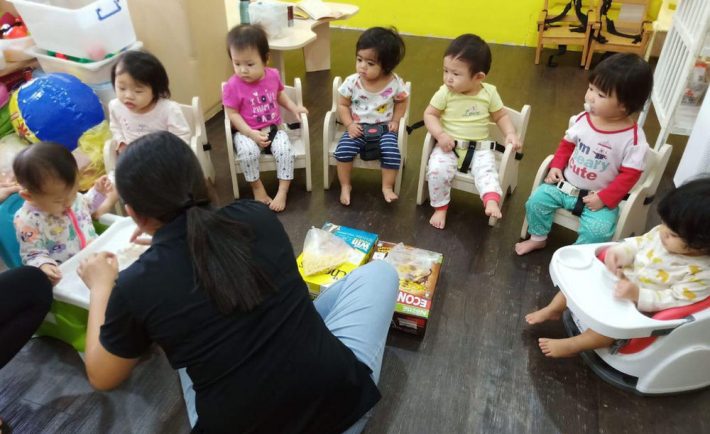
infants having a lesson

When it comes to deciding whether or not to send your child to an infant care/playgroup, the options can feel endless. 

Hopefully, this article will help you make an informed decision that works best for your family.

Benefits of infant care/playgroup

Spending time in a preschool allows your little ones to interact with adults and peers, which helps to increase their social skills.

Kindergartens also offer a structured environment that helps children learn and grow. They provide a safe place for kids to explore and learn about the world around them.

In addition, children who attend school have stronger immune systems, which makes infant care/playgroup an attractive option for parents who are looking for a place to care for their kids while they work.

Caregiver-child ratio in infant care/playgroup

One of the most crucial factors to consider is the caregiver-child ratio. This is the number of children each caregiver is responsible for.

Ideally, the caregiver-child ratio in infant care should be 1:5 and 1:8 for playgroups. This allows for enough one-on-one time with each child and ensures that they’re getting the attention they need.

However, some facilities may have a higher or lower ratio. Make sure to ask about this before you enroll your child.

Common concerns about infant care/playgroup

an infant care facility

Image Credits: bykido.com

Is sending your child to an infant care/playgroup the right decision for your family? Here are some questions to consider:

  • What are the daycare hours like?
  • Do the facilities look safe for children?
  • How often are meals and snacks provided?
  • What is the cost of care, and are there any discounts for siblings?
  • Are parents allowed to visit at any time, or is there a specific window during which visits are welcome?
  • How often do parents receive updates about their child’s day, and what methods are used to send these updates (app, website, emails, or a handbook)?
Importance of bonding with parents in early childhood

You might be wondering about the significance of bonding with your child in their early life.

And it’s a valid question—after all, you’re considering sending them to infant care, so it’s natural to want to know if there are any benefits to being around them more often during this crucial time.

Bonding with your child releases hormones and chemicals that foster brain growth. So yes, bonding with your child is important for their development. But that doesn’t mean you have to be with them 24/7.

So, what’s the verdict? Is infant care/playgroup necessary or can parents care for their child at home effectively? Well, it depends. Some parents feel they need a break from the constant caregiving that infant care/playgroup provides, and others find that the arrangement allows them to get work done during the day. Some parents find that infant care provides their child with a wealth of social opportunities, while others find that their child thrives best when they are at home. Ultimately, the decision comes down to what works best for the individual family and your financial leeway.


Read More...

The Real Cost of Infidelity

Infidelity is defined as the act of having a romantic, emotional, or sexual relationship with someone other than one’s wife, husband, or partner. Extramarital affairs are complex! Its relationship dynamics, emotional investments, logistics, and explosive fallout are far from simple. More importantly, it is expensive!

According to Dr. Ramani Durvasala, a Los Angeles-based clinical psychologist: “Some people get an additional cell phone; a whole additional cell phone plan or a burner [phone] or something like that; they may travel; they may get hotel rooms; they may purchase gifts for this new person.”

The costs of maintaining two relationships add up. In fact, a study showed that expenses associated with an extramarital affair are typical and can cost nearly US$450 (S$601) per month. New flames can intoxicate your brain and push you to spend more. People spend money on event tickets, meals out, bar tabs, air fares, and hotel rooms. Covering one’s tracks can be expensive too. Some people are willing to pay more to ensure secrecy.

People have hired assistants whose sole responsibility was to manage the logistics of the affair or lawyers to draft the NDAs. “They get somebody, and they pay them double to shut them up, and they make that person sign an NDA,” said Dr. Ramina.

Paying an extra S$50 to S$100 a week on dating when you do not have that money can burn you quickly. Not to mention, the effects of infidelity can open a door to larger costs such as marriage counselling and divorce proceedings. Did you know that a 60-minute marriage counselling session can cost you around S$100 or more?

Apart from these costs, you must keep in mind the following elements.

#1: CHILD MAINTENANCE

The Court can order payment of child maintenance in the form of a monthly allowance or a lump sum. In Singapore, children are entitled to child maintenance from their biological parents until the age of 21. However, this order may be extended for certain circumstances such as undergoing national service.

#2: MEDICAL FEES

If you have been infected with STD due to your spouse’s infidelity, you are entitled to sue. You might be able to receive financial compensation on the grounds of “marital tort” (i.e., misconduct) providing medical evidence such as a doctor’s testimony. Moreover, if you were infected with HIV due to your spouse’s affairs, your partner can be found guilty of an offense.

#3: LOSS OF TRUST

The most obvious price of infidelity is loss of trust. Trust is not won back easily. The damage created by unfaithfulness can leave a lasting emotional wound. The slightest word or thought can trigger a person’s distrust from others. Both parties suffer an inability to share their lives with others without fear of betrayal. Marriage counselling can help mediate the situation.

#4: ACT OF FORGIVENESS

Following an act of unfaithfulness, a couple can move forward when forgiveness is present. Forgiveness is complicated, especially when you are breaking a vow. Forgetfulness will likely never occur, which makes forgiveness much harder. Healing takes time and effort.

Image Credits: pixabay.com

Whether infidelity has taken place in the form of physical or emotional affair, the price is high.

Sources: 1,2,3,4, & 5

Read More...

Don’t do it alone: Tips for battling loneliness as a parent

lonely woman with a baby

You’re not alone.

That’s a message we need to hear more often, especially when it comes to parenting. As if the job wasn’t hard enough, feeling lonely can make parenting feel impossible.

But it doesn’t have to be that way. You can get through this, and we’re here to help. Below are some tips for battling loneliness as a parent. We hope they can help you find your tribe and feel less alone.

Nurture relationships outside of parenting

Reconnect with old friends, or make some new ones.

The more people you have in your life who you can rely on and talk to, the less lonely you will feel.

And don’t forget to take some time for yourself. Make time for the things you enjoy, even if they don’t involve other people.

Spend time in nature, read a book, and take a warm bath. Relaxing and rejuvenating activities like these will help you recharge so you can face the challenges of parenting with fresh energy.

Get involved in online communities

There are communities for parents of all ages, stages, and backgrounds.

You can find groups for parents who are just starting, for parents of kids with special needs, for stay-at-home parents, for working parents, and more.

The great thing about online communities is that you can be as involved as you want to be. You can read posts and stories, or you can jump in and start participating in discussions.

You can also find communities that match your interests—for example, if you love to cook, there are probably online groups for self-made chefs who are also parents. Spending time in these online communities can help you feel connected to other people who understand what you’re going through. And it can also give you ideas and support for dealing with the challenges of parenting.

Talk to family and friends
woman talking to elderly parents

Image Credits: americareinfo.com

Loved ones may be able to offer help and support, and relate to what you’re going through.

Of course, it’s not always easy to reach out and ask for help. You might feel like you’re supposed to be able to do everything on your own, but that’s simply not true. Asking for help is a sign of strength, not weakness. So if you’re feeling lonely, pick up the phone or send a text to a friend or family member today.

Find joy in group activities

It may feel daunting to put yourself out there, but know that you are not alone in your feelings of loneliness.

Finding a group to join can be one way to ease these feelings and provide some much-needed companionship. There are groups for just about everything these days, so there is one sure to fit your interests.

Joining a group can also help you find new hobbies. If you want to try something new or get back into an old hobby, joining a group is a wonderful way to get started. Not only will you have others to help support and encourage you, but you will also likely make some new friends along the way.

When you’re parenting on your own, it can be tough to deal with feelings of loneliness. But you’re not alone in this as there are plenty of other parents out there who are feeling the same way. And don’t neglect taking care of yourself. Make sure to exercise, get enough sleep, and maintain a healthy diet. This will help to enhance your mood and drive you to feel more optimistic about running the parenting race.

Read More...

5 Marriage-Killing Money Habits

Marriage beats having a partner on a long-term basis. I am no expert on love, but my goal is to make sure that you understand the financial obligations that you each bring to the table. Otherwise, arguments can occur. Arguments about money hamper many marriages. Do not let it happen to you!

#1: FIGHTING OVER WHAT’S MINE AND YOURS

Sometimes, couples split the bills or allocate a fair amount of cash and settle everything in an equitable manner. Each spouse can spend what they have left as they see fit when the bills have been covered. This process of splitting what’s mine from what’s yours can often build resentment. It also divides the spending power, which eliminates the financial value of marriage.

#2: COLLECTING DEBTS

From student loans to credit card bills, many people come to the altar with financial baggage. If one partner has a habit of incurring debt, the other can feel the burden. People in such situations may take some solace in knowing that debts brought into a marriage stay with the person who incurred them.

#3: PLAYING WITH POWER

Power plays occur in many ways such as controlling the allowance of the unemployed spouse and comparing oneself from a spouse who came from money. It is important that both partners cooperate as a team. Joint account offers greater access and transparency, which can aid the unbalanced power dynamic in your marriage.

#4: SPENDING HABITS

Personality can play a crucial role in discussions and habits about money. The age-old conflict between spenders and savers can play out in many ways. Many of us may display more than one of these characteristics at a given time but will typically revert to one main category. Know your spouse’s money personality and discuss your differences openly. Recognize bad spending habits and address them.

#5: LOANING YOUR FAMILY MEMBERS

Do you have a habit of loaning money to your friends and family members? Respecting each other’s goals, needs, and expectations can be especially tricky. For instance, your partner’s mom may need money because of a serious illness, or your sister just gave birth. You need to allocate your travel fund to the medical expenses instead.

Image Credits: pixabay.com

The joys (and sorrows) of having a bigger family often extend to your wallet.

Sources: 1 & 2

Read More...

Comparison trap: How to avoid comparing your child with others

upset mum and daughter

It’s hard not to compare our children, especially when we’re constantly bombarded with images of “perfect” kids out there.

But is the comparison fair to our children—or ourselves? We can’t expect them to be exactly like their friends, or even their siblings. So why do we compare them?

There are a lot of reasons why the comparison is harmful to both parents and children. Below, we will explore some of the ways comparison can damage our relationships with our kids.

Why comparison steals joy from parenting

When you’re out and about with your child and you see another parent with a kid that’s a little “better behaved”, it’s natural to compare.

You may not even realize you’re doing it, but if you’re not careful, the comparison trap can steal your joy from parenting. The thing is, every child is unique. They grow and develop at their own pace, and there’s no magic age that makes a child “good.”

Why comparing your child with others is dangerous

You might be tempted to compare your child with other kids at school, or with the neighbor’s toddler who can already speak. But doing this is dangerous, and can have long-term effects on your child’s self-esteem.

Here’s why: when you compare your child to others, you’re telling them that they’re not good enough. You’re implying that someone else is better than them, and that’s a hard thing for a child to hear.

It can make them feel like they’re never going to be good enough, no matter what they do. This can lead to a lot of insecurity and self-doubt in your child, which can stay with them for years to come.

How to focus on the process instead of the outcome
praising a child with a hi-five

Image Credits: raisingchildren.net.au

When you focus on the process instead of the outcome, you’re able to see your child’s development more clearly.

This is because you’re not constantly comparing them to other children and looking for ways to prove that they don’t measure up.

Instead, you’re able to appreciate the small steps that they’re taking and the progress that they’re making. And when you can do this, it’s much easier to enjoy the journey instead of always feeling like you’re coming up short.

So how can you focus on the process instead? One way is to set goals for your child that are based on their age and development level. This way, you’re not comparing them to other children who might be ahead of them.

Another way is to celebrate their accomplishments, no matter how small. This will help you see their progress and appreciate all that they’re doing instead of always focusing on what they haven’t done yet.

Embracing and celebrating individual differences

When you stop comparing your child to others, you make space to celebrate their unique talents and quirks.

You see them for who they are, not who you want them to be. And guess what? When you do that, they blossom.

They become more confident and secure in themselves, and that allows them to take risks and explore the world in their way. So instead of comparing your child to others, take a step back and embrace their differences.

It’s hard not to compare our children to others. We see other children excelling in one area or another and we can’t help but wonder why our child is not as good. We start to question ourselves as parents and wonder what we are doing wrong. But the comparison trap can make our kids feel like they are not good enough and that can lead to low self-esteem. It can also cause them to compare themselves to others, which can lead to envy and resentment. Be proud of your children for who they are and not for what they can do. Encouragement far exceeds criticisms.

Read More...