Why quitting your stable but stagnant job might be the best thing for you

happy resignation

You’re stuck in a job you don’t love, but it’s stable. And that’s the problem.

You want to make a change, but you’re afraid of leaving your current position. You might be worried about the unknown or what others will think. But what if quitting is the best thing for you? What if it opens up new opportunities that you never would have had otherwise?

In this post, we will explore why quitting your stable but stagnant job might be the best thing for you. We will also provide tips for making the transition easier.

Let’s start with the fear

You go to work, do the same thing day in and day out, and come home feeling unfulfilled. You know you need a change, but you’re scared to leap.

We get it. Quitting your stable job can feel like a huge risk, especially if you’re not sure what you will do next. But here’s the thing: staying in a job that’s no longer right for you is even riskier. You’re not growing, you’re not learning, and you’re not happy.

Think about it this way: by quitting your stable but stagnant job, you’re opening yourself up to new possibilities. You might find a position that’s a better fit for you, or maybe you can work towards starting your own business. The world is your oyster!

Dealing with the fear of quitting
unhappy with work

Image Credits: unsplash.com

Lately, you’ve been feeling like you’re in a rut. You know you’re capable of more, but you’re afraid of leaving your stable job position. Here are some practical tips for dealing with the fear of quitting:

  • Do some research on the industry you’re interested in
  • Talk to people who have made the switch to a new career
  • Practice speaking about your career goals with confidence
  • Make a list of your skills, ambitions, and accomplishments
Why quitting your stable but stagnant job can be sensible

It can be tough to decide to leave a stable job position, especially if you’ve been at the same job for a while and can navigate through your routine work tasks with your eyes half-closed.

However, if you’re not learning or growing anymore, then what’s the point of dragging yourself to work every day to go through the motion? Folks who find themselves not pleased, fulfilled, and challenged enough at their jobs should reconsider their career status. The fear of quitting might be daunting, but remember that you’re not alone in this journey. And the payoff could be well worth it in the end.

It can be hard to leave a stable job position, but if you’re feeling stagnant or unhappy in your current role, it might be time to take the plunge. Folks who are feeling hesitant about quitting their stable job position can start by brainstorming ways they can make the switch less risky. For example, start by applying for jobs that are in the same industry but offer a more challenging and exciting work environment. And most notably, remember that it’s normal to be intimidated – but it’s also brave to take the leap and chase after a better tomorrow.

Read More...

How to score a remote job without having much experience

virtual job interview

You’ve been eyeing those remote job postings, but you’re not sure whether to apply for them since you somehow lack substantial remote working background. Don’t worry, we’re here to help.

In this post, we will give you some tips on how to land a remote job position without having much experience.

Be clear on your skillsets

When you’re applying for remote jobs, it’s crucial to be clear on your skillsets. What can you do? What are you good at? The smartest way to do this is to make a list of your skills and then rank them from most to least important. This will help you when crafting your resume and cover letter.

If you don’t have a lot of experience working remotely, that’s okay. You can highlight the times you have worked from home, or even list the skills you’ve learned from previous jobs that will help you in a remote environment. The most significant thing is to be confident in your abilities, and show the hiring manager that you have what it takes to succeed in the role.

Showcase your “soft” skills

When it comes to landing a remote job, your experience is important, but your “soft” skills are just as critical. What are “soft” skills? They’re the personal qualities that make you the best possible employee, regardless of your job title.

Things like communication, problem-solving, and time management are all essential for remote work. So how do you showcase these skills? Well, by giving specific examples from your past work experiences.

For example, if you’ve been a team leader in the past, talk about how you successfully managed projects and communicated with your team members. Or if you’re superb at managing your time, talk about a time when you had to meet a tight deadline. The key is to be specific and to show that you have the necessary skills to excel in a remote working environment.

Practice your video interviewing skills
video interview

Image Credits: forbes.com

When it comes to video interviews, practice makes perfect. Most remote job openings’ interviews will be conducted via video chat, so you want to make sure you’re prepared for anything. That means practicing your interview skills ahead of time.

Send a friend or family member a list of questions and have them interview you via Zoom, Skype, or Google Meet. This will help you get comfortable with the process and make you more confident in your answers. Remember, the more confident you appear, the more likely you are to get the job. So take the time to practice and put your best foot forward.

Highlight your effort in connecting with remote workers

You’ve been actively seeking out advice from people who have been working remotely for years. You’ve emailed them, connected with them on LinkedIn, and even spoken to some of them face-to-face. In short, you’ve done everything you can to learn from their experience.

Why? Because you want to make sure that you’re as prepared as possible for your upcoming remote job interview and beyond. And you’re confident that your efforts will pay off. After all, your interviewer will see that you’re serious about the job and that you’re willing to go the extra mile to ensure you’re a good fit.

It can be tough to break into the world of remote work, especially if you don’t have a lot of experience. But follow the abovementioned tips and you will be on your way to scoring a remote job in no time. And for some bonus tips before we go, remember to tailor your applications to match the job. Next, make sure your portfolio is up to date. And finally, don’t be afraid to reach out to current or past employees of the company you’re applying to for advice. They may be able to put in a good word for you or even help you land an interview.

Read More...

How to job hunt when you’re feeling burnt out

stressed woman in front of her laptop

When you’re feeling burnt out, it’s tough to think straight.

You might feel like you can’t do anything right and giving up seems like the only option. But it’s important to remember that this is just a phase. You will get through it.

Read on for tips on how to job hunt when you’re feeling at your worst.

Define your goals

Take some time to define your goals. What do you want from your next job? What are your priorities? Are you looking for something that’s going to challenge you or are you looking for a job that’s going to be more relaxing? Once you have a better idea of what you’re looking for, it will be easier to start targeting.

Simplify your search

When you’re feeling burnt out, the last thing you want to do is spend hours scanning through job listings and writing cover letters. So how can you simplify your job search?

One way is to focus on jobs that are a good fit for your skills and interests. Don’t waste your time applying for jobs that are a poor match—you’re only going to get frustrated and feel burnt out even more.

Another way to simplify your search is to target companies that you want to work for. Do some research online and see if they have any openings. If they don’t, send them an email anyway and introduce yourself. You never know, they might be in the market for new talents.

Consider a different path
adult classes

Image Credits: juniorchamps.my

The industry you’ve been working in for the past few years has lost its luster, and you’re not sure what to do next. Well, maybe it’s time to consider a different path.

There are plenty of other jobs out there that may be a better fit for you. Maybe you want to try something new and explore your creative side. Or maybe you want to go back to school and get your certification in a field that you’re passionate about.

Whatever it is, we urge you to go after what you want. And don’t hesitate to take some time to figure out what that is. The job market is competitive, but don’t let that discourage you. You have the power to create the life you want—and the job you want—if you’re willing to put in the work.

Don’t be afraid to take a break

It can be challenging to keep going when you’re feeling burnt out. You don’t want to spend the little energy you have on job hunting, but you also don’t want to stay stuck in your current status.

So what can you do? Take a short break. It’s not the advice most people want to hear, but it’s crucial to give yourself some time to recharge. Maybe take a few days off, or even a week if you can manage it. During that time, focus on getting your mental and physical energy back.

And when you’re ready, start job hunting again. This time, be more selective about the jobs you apply for and the companies you interview with. Make sure the position and the company are a good fit for you—you don’t want to end up in the same situation as before.

The best thing you can do when you’re feeling burnt out is to take some time for yourself. Get some support from your friends and family, and take care of yourself in whatever way you need to. Maybe that means taking a break from job hunting and focusing on something else for a while. Or maybe it means taking the full weekend off to recharge your batteries. Whatever it looks like for you, make sure to give yourself the time and space you need to heal. You will be in a much better position to start job hunting again when you’re feeling more rested and relaxed.

Read More...

The benefits of taking career breaks and how to explain them in an interview

in an interview

You’re interviewing for a job that you want and you know that your career gap will come up in the conversation.

You’re not sure how to explain it and you’re worried it will hurt your chances of getting the job. Don’t worry, you’re not alone. A lot of people have taken career breaks for one reason or another, and many of them are successful professionals. The key is to be prepared and know how to spin your career break in a positive light.

In this article, we will discuss the benefits of taking career breaks and how to explain them in an interview. Let’s roll!

What is a career break?

A career break is a time when you took a breather from your career, for whatever reason. It could be a substantially longer period when you traveled, volunteered, or just took some time to relax and refresh.

The benefits of taking career breaks

There are a lot of benefits to taking career breaks. For starters, it gives you a chance to recharge and explore other interests. Career breaks can also be a great opportunity to network and build your professional contacts. By staying connected and keeping your skills sharp, you will be in a better position to re-enter the workforce when you’re ready.

And finally, don’t forget that your time away from work can be seen as a strength rather than a weakness. Employers respect dedication and commitment, but they also understand that everyone needs a break sometimes. So don’t be afraid to talk about your career breaks during an interview—in fact, it could be the thing that sets you apart from the other candidates.

How to frame your career break on your application
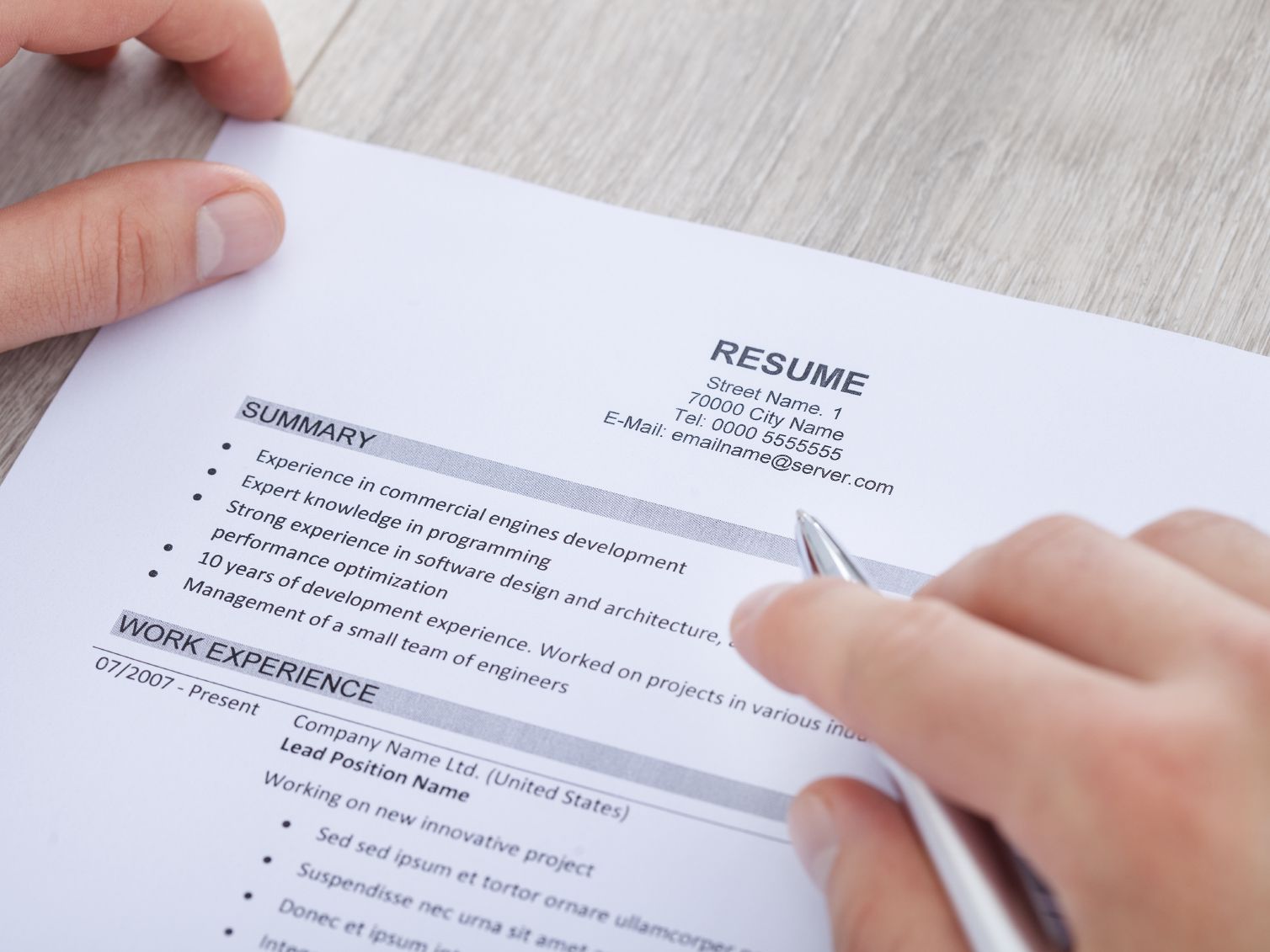
sample resume

Image Credits: thebalancecareers.com

Your resume is your first opportunity to make a great impression on a potential employer, and it’s also your chance to explain why you took a break from your career. Here are a few tips for framing your career break in the best possible light:

  • Keep your resume concise and focus on the most relevant information.
  • Be clear about the reason for your break and how you’ve been preparing for a return to the workforce.
  • Emphasize the skills and experiences you gained during your time away from work in your cover letter.

Remember, you want to put your best foot forward, so make sure you take the time to polish up your resume and practice answering common interview questions. By framing your career break in a favorable light, you will be able to show potential employers that you’re ready to take on the challenge of returning to work.

How to talk about your career break in an interview

First of all, be honest. Don’t try to sugarcoat it or make up some story about why you had to take a break. If you’re asked why you were out of the workforce for a while, just tell the interviewer the truth—you took some time off to travel, care for a family member, or do something else.

Next, talk about the skills you developed during your time off. Maybe you learned how to cook, build something from scratch, or speak a foreign language. No matter what it is, be sure to mention it. This shows the interviewer that you weren’t just sitting on the couch watching Netflix for a full year—you were doing something constructive.

Finally, stress the fact that you’re ready to jump back into your career. You might have taken a break, but that doesn’t mean you’ve stopped learning or growing. You’ve still got all the skills and knowledge you need to succeed in today’s workforce, and you’re excited to use them to scale the company to greater heights.

As we come to a close, be comforted knowing that you’re not the only person with career breaks. If you’re applying for a job and feel like your breaks are a liability, don’t worry. There are ways to spin them in your favor as we’ve mentioned earlier. Pen down the benefits they’ve brought you and don’t forget to practice discussing them before your scheduled interview. Best of luck to you!

Read More...

Feeling inferior at work? Here’s what you can do

inferiority complex

It’s easy to feel inferior when you’re constantly in cutthroat competition, aren’t getting the recognition you deserve, or feel like you’re not good enough.

The good news is that there are plenty of things you can do to start feeling better about yourself and your work. In this article, we will discuss a few methods for stopping those negative thoughts and defeating your inferiority complex.

Understand that feeling inferior sometimes is normal

You’re not alone if you sometimes feel inferior at work. It’s natural to feel this way when you’re constantly being compared to your colleagues. But the key is to understand that feeling inferior is normal—it doesn’t mean that you don’t deserve to be where you are. What’s noteworthy is what you do with those feelings. You can either let them drag you down, or you can use them to motivate you to work harder and be better.

Create a list of your accomplishments

Write down everything you’ve achieved over your career—big or small, it doesn’t matter. The goal is to remind yourself of all the great things you’ve done. It can be helpful to read through your list every other morning or evening, or whenever you start to feel down about yourself. Just seeing your accomplishments in black and white can help give you the boost of confidence you need to continue succeeding at work.

Don’t compare yourself to others
colleagues looking at a laptop

Image Credits: unsplash.com

Comparing yourself to others is a trap that will only make you feel worse. When you’re constantly comparing yourself to others, you’re setting yourself up for disappointment. You’re never going to be as good as they are, and you will always feel like you’re coming up short.

So, don’t do it. Instead, focus on being the best version of yourself. Work on your strengths and weaknesses, and don’t worry about what everyone else is doing. Comparison is the thief of joy, and it will only make you unhappy and dissatisfied in the long run.

Focus on your strengths

You’ve probably been there before. You walk into a meeting and feel like everyone in the room is more experienced and knowledgeable than you are. You sit down at your desk and feel like you can’t do anything right.

It’s natural to feel inferior at work from time to time, but it’s vital to remember that these feelings are usually based on our self-doubt and insecurity. The key to overcoming them is to focus on your strengths and remind yourself that you’re capable and talented to land yourself your current position.

Find a mentor
colleagues talking while walking

Image Credits: transfersmagazine.org

When you feel like you’re not good enough, it can be tough to stay motivated and focused at work. You may start to question your abilities and feel like you’re not up to the task.

But don’t give up. There are things you can do to help boost your confidence and stop feeling inferior. One of the best ways is to find a mentor, someone who can help guide you and give you advice when you need it.

Mentors don’t have to be someone at work—they can be a friend, family member, or even a business contact from another company. The crucial thing is that you have someone who you can rely on for support, someone who will make you feel accountable and push you to be better.

Nobody is perfect, and everybody feels inferior from time to time. Aim not to dwell on your feelings, but to take action and do something about them. If you’re feeling inferior because of someone else’s accomplishments, try to be inspired by them instead of feeling intimidated. Remember that nobody was born perfect, and everybody has to start from somewhere. Never let your feelings of inferiority hold you back from achieving your objectives. Stay positive, focus on your strengths, and take steps to overcome your feelings of insecurity.

Read More...