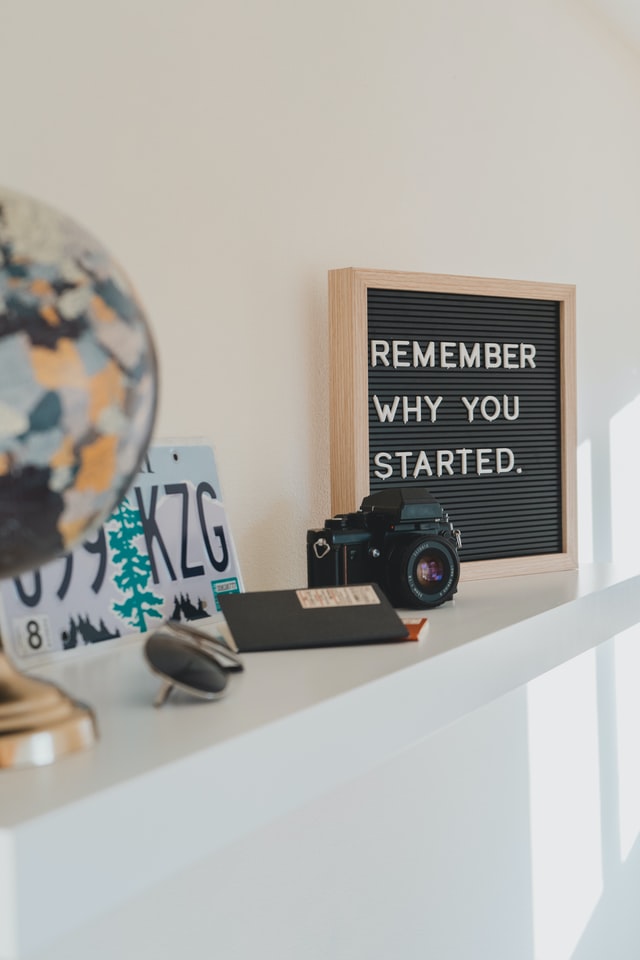


How To Master The Art Of Giving Speeches

For some people, merely thinking about public speaking can cause their palms to sweat. It is one of the most common fears out there. However, there are many ways to overcome your fear and deliver a memorable speech. Here are some useful tips.

#1: DO YOU KNOW YOUR AUDIENCE?

Know the reason why you are asked to talk in a room full of people. Identify your audience. It is important to identify your audience to know what they want or need to take away from your speech. If you are speaking in front of your friends at a wedding, entertain them. If you are speaking in front of your co-workers, inspire them.

#2: HAVE YOU REHEARSED?

Make time to practice your speech. Write down your goals and the content of your speech ahead of time. This will ensure that your muscle memory will work while you deliver your speech. Try practicing despite having different distractions to mimic real-life situations.

#3: WHICH STYLE WORKS FOR YOU?

While others may benefit from having their script memorized, some may perform better with a few notes on a paper. Different events will usually require a different style. Know which style works for you.

#4: HAVE YOU TESTED ALL THE EQUIPMENT?

Nothing is more frustrating than last-minute technical difficulties. Avoid adding more stress to your day by testing all the equipment and audio visual presentations ahead of time. It is best to have backups too.

#5: HOW DID YOU USE YOUR BODY LANGUAGE?

The right physical or non-verbal communication can have a profound impact on how your message is interpreted and received. Be aware of your body language! For instance, you must make eye contact. Face your audience and stand straight. Avoid crossing your arms or putting your hands in your pockets.

#6: DID YOU GRAB ATTENTION?

Grab attention by refraining from starting a speech with what today’s talk is about. Instead, use an interesting anecdote or a shocking statistic to kick things off. Conclude your speech with a summary and a strong statement that your audience will remember.

#7: HAVE YOU TRIED ENJOYING THE EXPERIENCE?

Image credits: unsplash.com

Fake it until you make it. If you look bored, then the audience will think that you not interesting. Exude confidence by adding a little humor (i.e., as long as it is appropriate) and interesting anecdotes. This will help you and your audience relax. Remember to eliminate sentences that does not clearly support your purpose. Remember that it is not about you, it is about your audience.


Sources: 1 & 2


Read More...

Holiday Shopping Safety Tips During Pandemic

Stating that this year has been filled with surprises is an understatement. As 2020 ends, our Yuletide experience is expected to look different. Online shopping has been more popular than ever. Furthermore, more and more shops have imposed strict COVID-19 guidelines.

Whether you are purchasing your holiday gifts online or offline, it is important to stick to a strict budget. We are all experiencing financial set-backs during these uncertain times. On that note, here are some holiday shopping tips to keep you safe during the pandemic.

#1: CHOOSE A STORE WITH FREE RETURNS

Shopping online is challenging because you cannot see the items in person. To make things easier for you and its recipient, choose stores that offer free online returns. This will allow you to avoid wasteful purchases.

#2: OPT FOR USEFUL GIFTS

Many people find value in receiving gifts that meet their current needs. People are spending most of their time at home. Think about the gifts that can help your friends and relatives relax. You can search for silk pillowcases, fancy candles, and a fragrant bath bomb set. Treat your loved ones to something that makes their home feel peaceful and bright.

#3: DO NOT SKIP ON THE PACKAGING

My mother recently bought ribbons and paper bags from Daiso. She does not want to forget about the gift’s packaging and presentation. The exterior packaging of a gift is usually the first thing they will see. Choose a fun packaging that will make the recipient feel special.

#4: ADD MEANING TO YOUR GIFTS

Buy a gift that makes the person hope and plan for the future. For instance, a 2021 goal planner has been popular among my circle of friends. Pair a meaningful gift with a heartwarming card. Even a classic tie can be more personal when paired with a fancy dinner date. Take time to think about a gift that can add meaning to the recipient’s life.

#5: SIGN-UP FOR SALE ALERTS

Snag the best deals by signing up for sale alerts from popular retailers. Many shoppers go back to a store to reap the benefits of deals on kitchen appliances, home décor, furniture, and more.

#6: GET CASH BACK FOR PURCHASES

Some credit cards have a higher percentage of cash-back rewards than others. Be mindful of that. You will find great deals at popular retailers when you pay with the right card. Shop and save this holiday season!

#7: SHOP LOCALLY

You will be able to save more money and help more people when you shop at small, local stores. Support small businesses. You can tailor your gift to the person’s personality. It is another way of making your gift personal and special.

Source: Business Insider


Read More...

Is Jewelry A Wise Investment?

It is Christmastime and people are more eager to purchase gifts that have lasting value. For some people, that timeless gift often turns out to be an heirloom piece of jewelry. Grandparents often pass down their jewelry in the hopes that their grandchildren can “sell it one day” when the need arises. I cannot say that it has not crossed my mind. Then again, I find it difficult to sell the ring that my late grandparents have given me.

Buying an original piece of jewelry with a rich history from a family member or a friend can be the middle ground when it comes to heirloom pieces. Nonetheless, jewelry and gold can be a wise investment.

BUY SOMETHING TIMELESS

If you are going to buy jewelry as an investment, ensure that it is something you enjoy keeping and wearing. I recently bought a Nina Ricci necklace, which I plan to pass down to my future daughter. It is delicate, romantic, and simple. She may not be able to sell it, but it can be a part of her beautiful collection.

Avoid overpaying for a piece of jewelry as commissions and fees can be high. It will be difficult for you to break-even, if that happens.

CONSIDER THE VALUE AND PRICE

There are companies willing to buy back your jewelry at the real-time value, less its 10% buyback fee as they will melt it and transform it into a new jewelry. Other companies are willing to offer a price close to the value of the pure metal in your jewelry. Do your research.

There are laws regulating the purity stamp on the metal. It is best to get an appraisal from a reputable jeweler to examine the quality and the design of your gems and precious metals.

ACKNOWLEDGE THE POSITIVE HISTORICAL TREND

Unlike coins and paper currency, gold has managed to increase its value over time. Its price has consistently risen every year since 2001. While gold prices do not shoot up dramatically, the general trends remains to be upward. Hence, have a long-term investment mindset.

KNOW THAT PRICES CAN BE VOLATILE

Much like any other investments, the jewelry’s value can fluctuate wildly. The most obvious difference between a pair of gold earrings and gold bullion is that you cannot wear the latter. Treating jewelry as an investment can get tricky. Profits on the sale of gold and jewelry are taxed.

You might pay a premium for buying jewelry made of pure gold. You see, some buyers prefer if they can wear their gold.

DIVERSIFY YOUR PORTFOLIO

The key to diversification is to find investments that do not closely match each other. History has proven that gold is negatively correlated with stocks and other investment instruments. For instance, stocks boomed in the 1990s, but gold faltered. In 2008, investors migrated to gold while the stocks dropped substantially in value.

Image Credits: unsplash.com

Proper diversification entails combining stocks, bonds, golds, jewelry, and other assets. Producing a diverse portfolio can reduce the overall volatility and risks.

Sources: 1 & 2

Read More...

How To Increase Motivation At Work

With the multitude of global issues that we are facing right now, it is normal to experience burnout. Motivation is the drive that conquers burnout. Self-motivation is having the initiative to do a task without being supervised or being told to do it.

Think of two things you like doing and two things you do not like doing. From this simple exercise, you will realize which activities motivate you. Motivation drives our behaviors and there are two primary types of it. These are external and internal motivation.

With external motivation, you are doing something because the activity will bring some reward or benefit at the end of it.

For instance, you may visualize the act of job hunting. It is not something you do to pastime. People job hunt because they want an outcome – a job. The motivation for actually working is also usually external. We are motivated to go to work because we are paid to do so.

In contrast, internal motivation entails doing something purely because you love doing it. The more internally motivated an action is, the more enjoyable it usually is. So from the point of view of happiness, it makes sense to have more internally motivated activities in your life. People who are internally motivated show more interest and excitement over what they do. You are usually better at internally motivated actions too. You show more persistence and creativity. You are likely to have increased happiness and self-esteem by pursuing what internally motivates you.

Think about some of the things you do on a regular basis. Are you mostly externally motivated, acting in for the rewards? Or are you mostly internally motivated? It is important to know which type of motivation is strongest for you. If you follow this, your performance will likely improve and you will generally be happier.

DEVELOPING INTERNAL MOTIVATION

With the bulk of tasks we have to finish in a day, do not expect everything to be internally motivated. Internal motivation is developed and maintained when we are autonomous, competent, and supported.

We feel autonomous when we can make our own choices and decisions.
We feel competent when we know that we can do things.
We feel supported when we are connected to others.

BECOMING MORE COMPETENT

1. Practice what you need to do or perform beforehand.

2. Look for positive feedback, but value constructive criticisms. Your motivation will become stronger if you can find some way of getting positive feedback on your progress.

3. Break down your tasks and goals. If a task is very complex and challenging, breaking it down can help you stay motivated. It makes things more sustainable and attainable.

4. Make sure the difficulty level matches your ability. You want your goals and activities to be reasonable. It should not be too easy, because you will get bored. It should not be too difficult, because you will get frustrated.

KNOWING THE PITFALL OF EXCUSES

Unsuccessful people often have good reasons for not hitting their goals. Successful people use those same reasons as their motivation. Practice transforming your excuses into motivations. Here are some examples:

1. I can not give up. I have to do this for my children.

2. I have to study harder, so that I can properly teach my students.

Image Credits: unsplash.com

What are you hustling for? Motivation is strongest when it comes from within. Let me close by highlighting what Don Wilder once said: “Excuses are the nails used to build a house of failure.” Build a house that you deserve.

Read More...

10 Powerful Micro Habits That Can Change Your Life

Habits are powerful. From cycling every morning to praying every night, habits are frequent patterns of behaviors that reflect who we are. It is the selective repetition of activities that shapes our lives. Inevitably, our habits become significant parts of our lifestyles.

We often fail at building habits by setting unrealistic and unsustainable goals. Starting small makes habit building more manageable. Benjamin Hardy compares this concept (micro habits) to compounding interest. When given choice, people would opt to take a million dollars in the bank as opposed to a cent that doubles in value over the course of the month. What most people do not realize is that they will get more payout by taking the second option.

He said: “The doubling penny actually ends up being $10.7 million dollars. Yet, the majority of the growth happens at the very end, and most people aren’t patient enough for the big return. The live for the moment culture of today stops people from investing.”

Micro habits can change your life. It is up to you to strategize which habits you are willing to integrate in your routine. Here are some of the examples.

#1: WRITE A PARAGRAPH

Whether you are building a robust business plan or a non-fiction book, start by writing a few sentences each day. Make it a goal to write a paragraph by the end of the week. The momentum will build on its own and you will find yourself effortlessly writing more and more as the days go by. In fact, I have written my second book in less than two months. Beginnings are always the hardest.

#2: LISTEN TO UPLIFTING PODCASTS OR SONGS

Open your Spotify or music app and listen to podcasts and songs that inspire you. Children typically benefit from having background music while they learn. You may consider listening to a financial podcast as you travel to work. Great music can put you in an energized working state.

#3: RESPOND TO TEXTS AND EMAILS

As much as possible, respond to important emails and texts as they come in. This way, you will not be left with a backlog of tasks to attend to.

#4: BE LESS REACTIVE

Train your mind to be calmer. When you see or hear something that immediately frustrates or upsets you, avoid reacting first. Analyze your thoughts and take a deep breath. Learning to take small pauses will help you figure out where your emotions come from and what your next action should be.

#5: PREPARE FOR YOUR NEXT DAY

Always come to work or school prepared. Prepare for the next day by allotting a few minutes of your night routine to preparation. Make a simple list of the things you need to bring or tasks that you need to accomplish tomorrow. Then, plan your attire. This can take you about 5 to 10 minutes.

#6: TAKE A POWER NAP

A power nap that can span for 15 minutes is all you need to get back to your optimum performance. It is a skill that you can master for a period of time. You will find yourself accomplishing more by napping once or twice a day.

#7: PRACTICE SAYING “NO”

Our energy levels are limited per day. More often than not, you will come across some of the most demanding people. Ensure that you spend your energy to the things and people that you truly care about. Do not feel bad for saying “no”. Ultimately, it is a means of self-preservation.

#8: DRINK MORE WATER

It is recommended to drink about 8 cups of water a day. Just focus on drinking one more glass a day. Then, it will become a part of your routine.

#9: EAT ONE LESS UNHEALTHY SNACK A DAY

It is easier to skip one unhealthy snack a day than to overhaul one’s entire diet. Focus on one unhealthy item that you can live without that day. Just one!

#10: CELEBRATE SMALL WINS

This year has been all about counting our blessings. Big wins do not come by often. Boost your morale by celebrating small wins. There is a reason why people rush to go to the game’s “boss level”. We constantly want to be rewarded. So, every time a small positive event happens in your life, consider it a “win”. You may treat yourself to a hearty lunch or write it down in your “success journal”.

Image Credits: unsplash.com

Celebrate small wins. You deserve it!

Sources: 1 & 2

Read More...