
How To Showcase Your Achievements Without Being A Jerk

In an effort to avoid sounding like a braggart, many people become overly modest. Keeping mum about your success and minimizing your achievements can be a problem too. You worked so hard to accomplish your book, brand, and so on. Perhaps, you just had a promotion that you do not want to tell anyone. Consequently, they miss out on celebrating an important milestone alongside you.

There are other ways to showcase your achievements without coming off as a jerk. Consider the following tips.

#1: EXPRESS GRATITUDE

Showing gratitude is one of the ways you can celebrate your achievement gloating. Make it clear that you do not think you deserve prosperity merely because you are a great person. Be truthful when it comes to thanking the people who helped you along the way or the company that gave you the opportunity to grow.

#2: EMPHASIZE ON HARD WORK

People rarely talk about the sacrifices that come with success. Life is not always filled with rainbows and butterflies. Saying “I barely tried” makes you sound arrogant. When you accomplish something, emphasize on your efforts by saying: “I worked really hard to make this happen”. Listeners will respect your achievements when they know the struggles behind them. Furthermore, they will be able to relate to your stories.

#3: AVOID BELITTLING OTHERS

There is no need to belittle others to showcase your status! Leave out the comparisons, as much as possible. Saying statements like: “no one else has made this much sales” or “no one else has achieved this quota” will not elevate your status. Instead, you will just sound arrogant or mean.

If you crossed the marathon and finished in first place, it is alright to say that you came first. However, it is another story if you add things to belittle the second or third placer.

#4: GIVE CREDIT WHERE IT IS DUE

Remember to acknowledge your support system or the team behind your success. Similar to the contents of the acknowledgments in a book, you are not solely responsible for your success. People are more receptive to hearing success stories when credit is given where it is due.

#5: DO NOT PRACTICE FALSE HUMILITY

Avoid statements like “I hate to brag…” as it comes off as false humility. Sticking to the facts or being direct is a better way to get your point across.

Image credits: pixabay.com

Although it can be challenging to truly honor your wins without sounding like a braggart, these tips will help you deliver the facts to your co-workers and your clients without going overboard.


Sources: 1 & 2

Read More...

Follow These Steps To Acquire Stocks In Singapore

With an abundance of low-cost investment brokerages and a wide range of investment products, we believe that anyone can get started on investing. Unless your ambition is to become a day trader, you do not need to master technical analysis or complex charting techniques.

Simply carve out your path by following these steps.

#1: OPEN AN INVESTMENT BROKERAGE ACCOUNT

Unlike your comfort food, stocks cannot be bought at a store and taken home in a paper bag. You need to go through an account with an investment brokerage. A brokerage is a company or firm that acts as the middleman to connect you to the stock exchange.

Brokerage companies usually receive compensation by means of commissions or fees that are charged once the transaction has been completed. Brokerage accounts charge through minimum fees (i.e., to pay on each trade) or trading fees (i.e., percentage of each trade). These fees will affect your profits, so ensure that you do your research.

#2: FUND YOUR ACCOUNT

It is necessary to transfer money to your account to begin trading. Take note of the brokerage company’s requirements such as the minimum fee.

These companies generally accept multiple funding methods such as PayNow transfer, FAST transfer via online banking, or overseas remittance. Use a method that suits you best.

#3: DETERMINE WHICH STOCKS TO INVEST IN

Do your research, ask financial questions, and compare the facts to determine which stocks to invest in. There are different types of investment products such as Blue chip stocks and Real Estate Investment Trusts (REITs).

Blue chip stocks are the stocks of well-known, high-quality companies that are leaders in their industries. Investors usually hang on to these stocks for long periods and collect its dividends. Local “blue chips” include Singtel, DBS, and ComfortDelGro. Many Singaporean investors prefer to invest in blue chip stocks because of its perceived certainty and stability. Local blue chips are deemed to be less risky and are often common household names that most Singaporean investors can relate to.

Real Estate Investment Trusts (REITs) allow you to buy shares in a variety of properties. For instance, CapitaLand and Ascendas gives you access to purchase shares in commercial properties such as shopping malls and office buildings. It is one of the most popular options for investors seeking regular income.

#4: ACQUIRE YOUR FIRST SHARES/STOCKS

Once your funds have been sorted out, you can buy your first shares/stocks using your brokerage’s online platform. As a beginner, you may make investing a regular habit by spending a fixed amount every month on generic Exchange Trade Fund. The Exchange Trade Funds (ETFs) are similar to mutual funds in many ways. Although, ETFs are bought and sold throughout the day on stock exchanges.

Image Credits: unsplash.com

The idea is that over the long term, the ETFs will rise. By buying a fixed sum every month, you will be able to spread out your risk through ups and downs. Consistently funding your account is key.

Sources: 1 & 2

Read More...

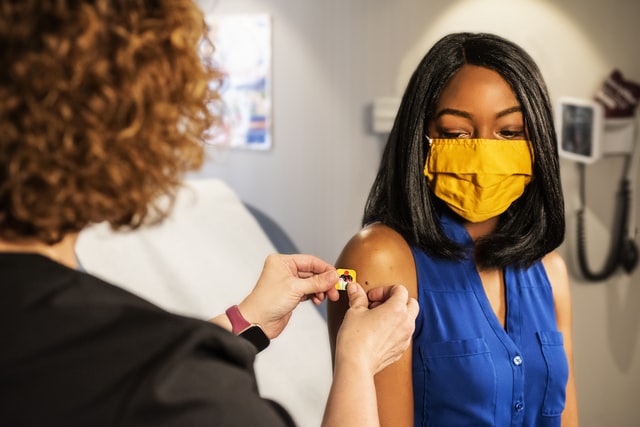
Vaccination Aftercare: 4 Don’ts After Getting Your COVID-19 Shot

It is normal to feel nervous or worried about getting your COVID-19 shots. However, public health officials regard these COVID-19 vaccines as safe and as a means to end the novel coronavirus pandemic.

Reduce your worries by being prepared. Start by reading through the following vaccination aftercare tips.

#1: DO NOT GET A TATTOO RIGHT AWAY

A tattoo is a form of body art where the design is created by inserting ink, dyes, or pigments into a person’s skin. Because your body does not want these foreign pigments, it initiates an immune response by sending off specialized cells to the tattoo site. COVID-19 shots also trigger an immune response. Moreover, similar side effects such as arm soreness, pain, and redness can be felt soon after getting vaccinated or tattooed.

Dr. Abisola Olulade, a San-Diego based physician, recommends waiting at least a few days between your vaccination and tattoo to rule out any possible side effects. She adds that some people may find it challenging to manage “two different areas of the body that are painful at the same time”. Consult your doctor if you are planning to get your tattoo after getting your COVID-19 jab.

#2: DO NOT PUSH YOURSELF TO EXERCISE

Forcing yourself to workout after getting vaccinated will likely make you feel worse. Recently, there was a 16-year-old male who suffered a suspected cardiac arrest after getting his COVID-19 shot. He performed strenuous activity such as carrying heavy weights above his own body weight, days after getting the vaccine.

According to the expert committee, people should avoid strenuous activity after either the first or second dose of mRNA vaccines. The committee advised against strenuous activities for a week after each dose.

#3: DO NOT HESITATE TO REPORT THE VACCINE ADVERSE EVENTS

Like all drugs, no vaccine is 100% effective. Vaccines are generally given to healthy people for disease prevention. Thus, the tolerance to vaccine adverse events is substantially lower than that for the drugs for disease management. It is vital that the country has a robust vaccine safety monitoring system that can effectively detect early safety signals of concerns and mitigate them.

Healthcare professionals are encouraged to report serious adverse events suspected to be associated with vaccines. They need to report it to the Health Sciences Authority.

If you experience symptoms after getting jabbed, do not hesitate to report them. This information helps them to track side effects and monitor severe adverse events. Tracking these side effects or adverse events will also help with future vaccine development.

#4: DO NOT FORGET TO DRINK PLENTY OF WATER

Stay hydrated after getting your vaccine. Water aids your body process its immune response to the vaccine. If you experience fever as a result of the vaccine, staying hydrated can help your body to fight it off. Aside from fever, there are other side effects that you can expect.

Image credits: unsplash.com

Common side effects observed with the COVID-19 vaccines include:

a. Pain, swelling, and redness on the arm where you received the vaccine
b. Chills or fever
c. Tiredness
d. Headaches
e. Joint pain or muscle ache

Experts stated that these side effects typically go away within a few days. Continue to stay vigilant!

Sources: 1, 2, & 3

Read More...

Listen To These Motivating Podcasts To Brighten Your Day

We all deserve a little boost to help us get through the day. With a myriad of ways to feel motivated, you can try listening to podcasts. Whether you are enjoying a nice bath or cooking a hearty breakfast, tune in to these inspiring and informative podcasts to keep you energized.

#1: THE HARDCORE SELF HELP PODCAST

Amidst the chaos brought by the pandemic, people became more aware of their mental wellness. Know more about mental health by listening to The Hardcore Self Help podcast! It is a weekly podcast that answers your queries about mental health such as getting more information about dealing with anxiety, depression, relationships, addiction, and more.

Hosted by Psychologist and author Robert Duff, each episode invites other professionals to voice out their expert opinions on various mental health issues and related topics.

#2: TED HEALTH

The TED Health podcast, much like the TED Talks, provide the best educational talks from their conferences and events. Get your daily dose of innovative and significant health-related contents to uplift your spirits. For instance, one episode showcases a program that trains grandmothers in Zimbabwe to treat depression.

Hosted by Dr. Shoshana Ungerleider, the TED Health podcast covers everything from smart daily habits to new medical breakthroughs. It can answer some pressing questions you never knew you had and share ideas that you won’t hear anywhere else.

#3: GOOD LIFE PROJECT

What does it mean to have a good life? What is the role of happiness, love, kindness, and friendship to our lives? How does race, identity, gender, and economical status influence our lives? All these questions and other topics are explored every week in the stimulating conversations of the Good Life Project.

Thought-provoking, educational, and relatable, the “Good Life Project” exists to empower people to take action in important areas of their lives. Each episode features inspiring people including research professor Dr. Brené Brown, Bishop Michael Curry, activist Glennon Doyle, actor Matthew McConaughey, and many more.

#4: OPTIMAL HEALTH DAILY

As the name suggests, Optimal Health Daily is a podcast crafted for people who are looking for ways to improve their lives one step at a time. Let this podcast accompany you to your commute, workout, or regular routines. Each episode brings realistic and practical information about various topics such as activated charcoal, exercise, and dieting.

Image Credits: pixabay.com

What’s more? Each episode is under 15 minutes, with an average running time of 10 minutes. You do not have to read lengthy academic journals or blog entries; all you need to do is to listen and learn.

Sources: 1 & 2

Read More...

Get Better Sleep To Function Better At Work

Many people sleep less than the recommended hours and are under-performing at work due to sleep deprivation. A good night’s sleep includes both the quantity and quality of your slumber.

Pulling an all-nighter may provide short-term results, but regularly skipping sleep can be detrimental to your ability to focus and to perform higher-level brain functions for the days to come.

It is essential to give your body the restorative rest it deserves. Here are four ways to improve your sleep.

#1: REDUCE YOUR EXPOSURE TO LED LIGHTS

Exposure to LED lights inhibits the increase in sleepiness during nighttime. Aside from watching television, using your hand phones and tablets before you go to sleep can suppress melatonin levels. Melatonin is a hormone primarily released by the pineal gland at night. It has long been associated with the control of the sleep–wake cycle. Thus, having a lamp with a lower color temperature is recommended at night.

#2: AVOID DRINKING CAFFEINE

Caffeine is a strong stimulant that can interfere sleep. It can increase your adrenaline production and block sleep-inducing chemicals in the brain. Get better sleep at night by avoiding the consumption of caffeine. The National Sleep Foundation recommends avoiding coffee, tea, chocolate, and soft drinks before bedtime.

Apart from coffee and tea, chocolate contains caffeine in varying degrees. A dark chocolate bar may have about 30 milligrams of caffeine. This is equivalent to the caffeine content in a cup of instant tea.

Chocolate has other stimulants too! One of its stimulants is theobromine. Theobromine is the compound that makes chocolates dangerous for cats and dogs. Theobromine, found in small amounts in chocolate, increases heart rate and causes sleeplessness.

#3: HAVE A CONDUCIVE SLEEPING ENVIRONMENT

Ensure that your bedroom is welcoming and relaxing. Remove unnecessary distractions like the television and other devices with blue light. Moreover, you must keep the room temperature cool and use curtains to block the natural light. Natural light can keep you awake, while blue light will disrupt your sleep.

#4: CREATE A SLEEPING ROUTINE

Sleeping routines can improve the length and quality of sleep. Getting a good night’s sleep is vital to maintaining long-term healthy habits. Enjoying a quality slumber is free and is perhaps the most budget-friendly step you can take towards wellness.

At least 6 to 8 hours of sleep is ideal for teens and adults. Learn how much sleep you really need and maintain a consistent sleep schedule. Then, set up a conducive sleeping environment without distractions. You can also develop a curfew for your electronics usage.

Image Credits: unsplash.com

Please reduce the intake of caffeine and avoid physical activity before you go to bed.  Practice calming activities such as taking a warm bath or listening to relaxing music instead.

Have a wonderful rest!

Read More...