Signs that you are overfeeding your baby

a baby drinking milk

We spend far too much time worrying about whether or not our newborns are getting sufficient, and as new parents, it can be difficult to know when enough is enough.

Many parents may try to get their newborn to finish their formula or fret that their child isn’t eating enough when, in fact, the child has reached their limit. So, could all that fretting contribute to overfeeding?

It’s important to remember that the indicators of a healthy newborn can vary depending on the culture. Varied cultures have different views on how much a baby should eat, how frequently they should eat, and how they should appear. A chubby infant can be regarded as a job well done by some grandparents, while a roly-poly newborn conjures up images of a grossly overweight toddler in the minds of others.

While cultural views of a healthy baby may differ, there are several factors to take into account when it comes to feeding. Read on to learn the signs that you are overfeeding your baby.

Sleep issues

First up, it’s probably not a surprise that when a baby’s belly is extended far beyond normal, or that his or her intestinal tract is working continuously to deal with excessive nutritional ingestion, they become restless and have trouble falling asleep.

Runny poops

Examining the look of your baby’s poo is an important part of determining their health. Formula-fed babies, for example, have peanut butter-like excrement that ranges in hue from yellow to greenish-brown. Your formula-fed kid may be getting more milk than they should if you notice regular, watery poop.

Spits or vomits

an infant vomiting

Image Credits: parenting.firstcry.com

As a newborn eats, his or her tummy expands and contracts as the food passes through the intestines. There are, nonetheless, limitations to how far it can extend. If the baby’s stomach membrane stretches beyond its typical range, reflux may occur, which can result from little spit-ups to huge forceful vomits, either during or immediately after the meal.

Drinking more than 1000ml/day

Even one-year-old infants don’t need more than 900ml of formula milk or breast milk every day. A newborn requiring over 1000ml in a day is uncommon, according to specialists, and should be evaluated by a professional. These are the typical indicators of overfeeding, which can be seen during mealtimes. Overlooking them can lead to a variety of issues in the long run.

Overfeeding a newborn is unlikely, but it does happen. Babies self-regulate their eating and give hints when they are full or hungry, and you must be able to recognize and interpret these indicators to know when to stop feeding them. Keep in mind some of the warning flags highlighted in this post and all should be well.


Read More...

Why is brand loyalty important and how to build it for your business

a woman swiping her credit card in-store

When a person continues to buy from your business, it’s not because you’re the only one available, but because they acknowledge your presence.

Anyone can acquire products from all over the world and stick a label on them in the era of e-commerce, undermining the identity of the original manufacturer in operation. But with that said, some brands have managed to develop huge fan followings over time.

The basic argument for brand loyalty’s importance in terms of profitability is simple. Most businesses rely on returning customers for more than half of their earnings. Not only do current customers who are loyal to a brand purchase much more consistently than new customers, but retaining the brand-loyal part is also considerably cheaper than attracting new customers through marketing efforts.

Keep reading if you want to learn ways to build it for your business.

Analyze data

When it comes to increasing brand loyalty, gathering and analyzing reliable data is critical. Your retargeting advertisements will be more effective if you have more data on your previous buyers. In turn, this will enable you to craft highly tailored offers to them, which are likely to entice them to buy from you again.

Be consistent

When it comes to developing loyalty, regularity is crucial. Customers should have the same experience with your brand each moment they connect with it. Most folks want to know that you will keep your commitments all of the time, not just when it’s advantageous for you. Even logos and graphic components should be consistent across all operating systems. You would be shocked at how much that goes wrong if you observe how other brands run their business.

Gather feedback
a business man on a call

Image Credits: unsplash.com

Speaking with your consumers regularly helps to develop the relationship between your business and consumers. Inform your customers about changes at your company and get their opinions on your progress or an upcoming initiative. Hear and act on the feedback you receive to show them you value their comments. This can be accomplished through a variety of channels, including regular calls and messages, as well as alternative ways like networking sites and handwritten letters.

Draw up a loyalty program

Only a handful can honestly claim to be loyal to a single brand, which is logical given how fickle-minded humans are. Before buying something, everyone performs their online searches, and they will always come across flash promotions, which encourage readily shifting consumer behavioral patterns.

To get those clients out of a never-ending special offer cycle, lure them to your site with an irresistible offer and start establishing a rewards-based loyalty scheme. Think about giving your consumers unique treatment and other non-monetary incentives to keep them coming back. To put it another way, get them to reconsider what actual worth means to them.

Developing brand loyalty is your insurance policy for keeping your company moving and flourishing. Or maybe it’s easier to phrase it this way: if your company can’t keep its consumers, you will find yourself back at zero, spending money to gain more customers just to remain sustainable. And now that you know how important brand loyalty is, try putting some of the aforementioned methods to practical use for your company.

Read More...

What is a sabbatical and why should you take one?

an empty chair in the office due to sabbatical leave

Have you ever come across the term “sabbatical” but never tried to look it up?

Well, a sabbatical is usually three to 12 months of unpaid leave from work, while some employers offer compensated breaks from work as recognition for a specific length of service. Because they are a workplace incentive rather than a legal right in most regions, offering one is not guaranteed.

But we’ve researched and realized its benefits. Here’s why you should take one.

Mental break

If you devote your sabbaticals away from your typical working and living setting, whether touring or staying with relatives in a place far away, the detachment might operate as a mental respite from your current stressful setting, allowing you to disengage and contemplate.

Return rejuvenated

Individuals often experience stress after holding the same position for a long period and no longer feel inspired or energized to go to the office. But research has shown that employees who take prolonged leave from work are better able to recharge and resume work with renewed energy.

Fresh perspectives
Asian family spending time together

Image Credits: nxtmag.tech

Time away from the workplace might give some people a fresh outlook on the value of job and career advancement when compared to more meaningful time spent alone or with loved ones. Such folks may thus opt for a vocation that requires less of their time and attention, even if it implies a lower salary.

Independent teams

In an absolute sense, no work should grind to a halt due to dependency difficulties. In some ways, sabbatical aids teams in becoming self-sufficient. During your leave, other employees take over and dive into the responsibilities, meeting the workload and performance expectations. When you return, your coworkers should have picked up new skills for a more efficient work relationship.

Fine-tuning your health

Able to take time off during a particularly stressful moment in your life might have significant health advantages. Whether you were aware of it or not, your professional work life has brought about a significant amount of stress, which may have presented itself in a variety of ways.

Getting rid of anxiety can have some very real daily rewards, such as bettering your sleep routines, controlling your dietary patterns, and giving you more time for the gym. Furthermore, those of us who spend a significant amount of time slumped over a computer are more likely to suffer postural problems. A year away from the stresses of the workplace can provide considerable mental and positional alleviation.

Sabbatical years, which have traditionally been reserved for academics, were created to allow professors to take a rest from lecturing. They were usually granted leave every five years or more to pursue research or simply relax. However, allowing employees from diverse professions to leave for a certain period appears to be the most effective strategy to rejuvenate tired minds and increase overall employee retention. Why not suggest to the HR department a sabbatical leave policy if your company doesn’t have one yet?

Read More...

These are the downsides of traveling you should be aware of

Man holding his head on the plane

You can retreat through travel.

Occasionally, you just need to go away, whether it’s from a toxic relationship, a job you despise, or simply a monotonous, inactive lifestyle.

Yes, a change of environment can help you get over fatigue or melancholy, and being far away from the mess or stress factor might help you see it from a different perspective. But there’s no disputing that a coin always has two sides.

As the world opens up and people are packing their suitcases, these are the downsides of traveling you should be aware of.

Costly

Flights and accommodation can be costly unless you are willing to compromise with your trip dates and sacrifice your schedule and convenience. Another factor to bear in mind is that pricing for essential items like food, lodging, and transportation can change significantly from what we’re used to in sunny Singapore.

Jet lags

While many individuals mistake jet lag for just being extremely sleepy, it is a condition that occurs when your innate body clock becomes out of rhythm as a result of traveling across time differences. Jet lag can cause sleepiness or irritability, as well as difficulty resting sufficiently for some folks. Your body system may experience upsets as a result of this.

Health issues
a woman with a flu

Image Credits: theprofessionalmassageacademy.com

Though it can occur anywhere else in the universe, it occurs far more frequently when abroad. The explanation for this is that we are constantly confronted with new stimuli, which weakens our resistance to infection. Traveling exposes us to germs and viruses from all over the world, some of which are not exactly pleasant.

Disrupted routines

When you’re at home, your day has a set schedule and direction. You know what to anticipate and appreciate consistency. Traveling, unfortunately, is a fantastic way to disrupt this. And perhaps that’s a beneficial move… after all, we could do with a little spice now and then, yeah?

But what if you have strict dietary restrictions to keep up with? Or perhaps require certain hours of snooze to perform adequately? Norms and behavioral patterns can be beneficial at times, though we easily take them for granted. But because of the volatility and uncertainty of travel, comforting routines can be tough to maintain.

Traveling, without a doubt, aids in the expansion of perspectives while also allowing people to understand more about diverse cultures. We recognize, nevertheless, that travel, with its various uncontrollable circumstances, may sometimes be somewhat of a headache for some. If you’re still excited to plan that forthcoming trip, despite the drawbacks we’ve discussed in this article, go ahead! Just be sure to research in-depth before stepping into foreign lands. COVID-19 has changed the world very much, so unless you tread with an open mind, you might be rudely shocked to see the changes.

Read More...

Why content is important for SEO and how to optimize it

content for SEO

Content is crucial for SEO; without it, search engines will be unable to properly crawl your pages and assist you in ranking. In other words, it means your website’s content will never be discovered or circulated.

SEO material cannot just be any information; it must be of good quality and beneficial to the reader. The user experience is a big aspect of how Google selects which material should be at the top of the search results. To produce SEO content, you will need to understand a few basics.

Thus, let’s jump right into how to optimize it.

Target audience

Identify and communicate to the key audience that will be viewing your articles, regardless of what sector your website tackles. Identifying who your readers are and what you expect them to do after reading your article will aid in the development of your website approach.

Keyword research

Before you start writing blog posts, perform some keyword analysis on your offerings to see what your clients are looking for and what queries they have. Make sure you write content that revolves around those keyword phrases, and that the content is optimized for specific terms and expressions. You can achieve this by including the specific keywords in your article’s title, headings, meta description, and throughout the text.

Internal backlinking

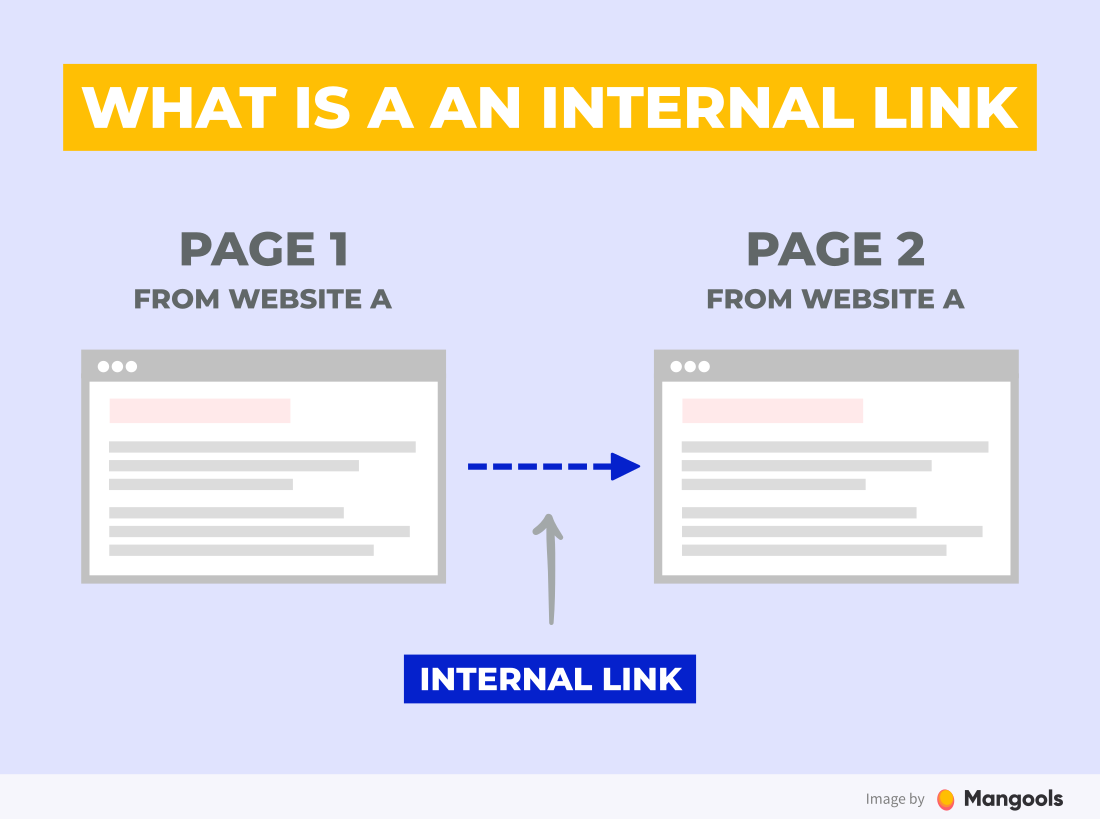
what-is-an-internal-link

One of the most significant SEO tactics is internal linking. It makes it easier for search bots to identify and evaluate your websites and allows human visitors to maneuver through your website, which improves retention and online experience.

Compile a list of similar content you already have for each new piece that could help you reinforce your thoughts or allow your viewers to investigate further. For example, if you already have an article about managing a monthly budget, linking it to another personal finance piece would be a sensible move.

Create high-quality content

The era of keyword stuffing helping you to rank well on Google’s first results page is pretty much gone. Nowadays, creative content is key, and if you want to reach your SEO objectives, you must publish high-quality entries.

The real concern now is how to continue producing high-quality content day after day. If you adopt the optimization concepts we outlined earlier, the process should be smoother, but there is still a bunch of work to be done. In essence, you should make sure that each piece helps your readers fix issues and is engaging overall.

All in all, if you want your site to show in search rankings and have more incoming traffic, you will need to ensure highly optimized material is published. Search engines don’t have enough data to effectively index and position your website pages if you don’t have enough proper content. So if you want your material to be seen online, have an SEO content plan in place.

Read More...