Why we should engage in traditional hobbies in the era of technology

Analog Hobbies

We live in a highly developed era of technology and that’s not something bad.

Thanks to our devices, we are continually connected with our loved ones, and the internet makes it simple to find solutions within a few clicks.

Aside from the fact that this level of technology has practically taken over every aspect of our lives, sometimes, it’s not necessarily a good thing. If we don’t do anything about our overreliance on technology, we run the risk of losing touch with the real world and ourselves.

What are some analog hobbies to try?

There are many analog hobbies out there, depending on your strengths and interests.

For instance, you can try your hand at woodworking or painting. I was online yesterday and came across an ad run by a graffiti warehouse in Singapore—Heaven Spot. 


View this post on Instagram


A post shared by HeavenSpot (@heavenspotsg)

Each session is an hour long and packages start from S$45. I’ve yet to try them out but it does look intriguing.

Have you had a session with them before? Would you recommend it?

Whatever your interests are, there are a ton of activities that you can do to keep your mind active. You don’t need a ton of expensive materials to get started either. With a few basic tools and materials, anyone can practice any art, from calligraphy to pottery making.

Why is going analog necessary in the digital age?

You might be wondering why we should look to the past for hobbies like knitting or making model airplanes when we live in the era of digital technology with its seductive array of devices.

Well, the obvious answer is that it offers something that modern technology cannot. Yes, I know how much technology has enriched our daily lives. But, a crucial component—the bodily experience—is also being rapidly replaced by technology.

Tactile experiences, such as handling something small and delicate like a tiny brush tip, are ones that a fully digital world cannot offer. Other examples include feeling the weight and texture of clay while you sculpt with it. Also, working with your hands on something tangible can give you a sense of fulfillment that typing on a computer screen just can’t quite match.

The advantages of analog hobbies for the body and mind

Finding an analog hobby can be just what you need to concentrate on when you’re feeling drowned by all the digital noise.

The development of creativity as well as stress reduction and enhanced mental health, are just a few of the significant advantages that an analog hobby can provide.

  • Reducing stress

Gardening, drawing, or playing an instrument are examples of analog activities that focus you on the work at hand rather than being constantly barraged by notifications from email or social media accounts. By doing this, you can stay right in the moment.

  • Fostering creativity

By engaging in creative hobbies like painting, sculpture, or writing poetry (on paper), you can foster your creativity and improve your well-being. Moreover, self-expression and overall mental health can also be supported through artistic creations.

  • A sense of ownership

Arts and music-related analog activities can promote a sense of accomplishment and aid in the management of mental health issues including anxiety. Working on something tangible gives us a sense of accomplishment that is sometimes challenging to achieve through digital activities.

How to work a traditional hobby into your everyday life

So are you convinced to put down your devices, and set aside time for analog hobbies?

Lovely.

We have a few ideas to get you moving:

  • Start journaling

Journaling in a diary is a great way to reflect on your day’s highs and lows as well as any interesting occurrences. If you’re not sure where to start, why not try a guided journal?

Chai Sunrise has this 3 Questions a Day Journal to help you start penning.


View this post on Instagram


A post shared by Chai Sunrise (@chaisunrise)

It’s pretty pricey for a logbook but I’ll give it credit because it’s not just a blank one; there are daily positive reminders for your soul!

  • Choose a long-term hobby you can sustain

There are lots of activities available that exclude screens. For instance, start experimenting with film cameras.

If it sounds too expensive, though, you can start with watercolor paintings or drawings. There are affordable options available on Shopee! For example, this Singapore-based shop called ArtFarm Singapore has a decent range of art supplies, including ‘Paint by Numbers Art Canvases’ for beginners. Click through the links to find out more.

Finding the right balance between digital and analog

Finding the right balance between analog and digital interactions can be difficult, but maintaining an analog way of life in the digital era is not impossible.

One way to achieve this is to set time limits for your digital devices, such as refraining from accessing social media after a specific time you set. Keeping track of how much time you spend in front of a screen is another option. If you set a goal to spend more time offline than online, you will be surprised at how much spare time you have.

So why not give some traditional pastimes a try in this digital age? Along with making you happier, more at peace, and less stressed, it may even help you reach peak levels of productivity as you train yourself on how to focus.

It’s easy to forget that conventional hobbies were once our forefathers’ pleasures in a world dominated by screens and media. Also, concentrating on an analog task can aid in the practice of mindfulness and keep us present at the moment. It doesn’t even have to be a big shift. Traditional hobbies can be quite beneficial, whether you decide to start painting, woodworking, or simply cuddling up in bed with a nice book. Disconnecting from technology can have a variety of benefits, from better mental health to strengthened relationships. So why not go analog and limit the cord on technology as we start the 2nd quarter of 2023?


Read More...

The journey of love: Why finding love starts with you

self-love written on the wall

It’s easier said than done, but it’s true: The journey of love starts with you. That’s because finding true love starts with cultivating self-love and self-acceptance.

It’s time to break free from seeking validation from others—whether it comes in the form of romantic relationships, friendships, or something else entirely. To tap into that self-love and find the courage for growth, you will have to understand what lies at its root: compassion for yourself.

What does it mean to love yourself?

Loving yourself first involves recognizing that you are valuable and worthy of respect.

It means having high self-esteem and constantly striving to improve yourself and your outlook. It means that you know what you need and want out of life, even if those things are difficult to achieve. It means embracing who you are and taking the necessary steps to become the person you want to be.

Ultimately, learning how to love yourself first helps foster a greater sense of self-confidence, worthiness, and positivity. With a stronger foundation, you can feel at peace with yourself—and that feeling radiates outward into your relationships with others.

Learning to set boundaries in relationships
a couple chilling by the beach with a bonfire

Image Credits: unsplash.com

Learning to set boundaries in a relationship is not only key to establishing a healthy connection but also a crucial step in learning how to love yourself. It’s not always easy to know when you’re giving too much, or when it’s time to take some space for yourself.

But clear boundaries form the foundation of healthy relationships by allowing you to have a better understanding of yourself; who you are and what you need. When you understand what your limits are, you can help ensure that your emotional needs are being met in the relationship.

It is also important to remember that putting yourself first in a relationship is essential for both your physical health and mental well-being. Take the time for yourself and practice saying “no” every once in a while. Remember that making self-care a priority helps establish healthy boundaries and gives the relationship room to grow.

How to stop seeking validation from others

Learning to love yourself first before searching for validation from your partner starts with understanding why you have been seeking external validation in the first place.

To understand this, consider the relationship you had with your parents or caregivers when you were a child. How did they respond to your needs or show their affection? In what ways did they express their love towards you? Have they ever rejected your emotional needs, leaving you feeling invalidated and unworthy of love?

When you find yourself getting caught up in obsessing over what your significant other thinks of you, remember to take a step back and check in with yourself. Take some time for self-reflection, and ask yourself what is it that you’re looking for and why? Doing this will help build trust within yourself and make decisions based on how to best care for your own heart and soul.

Drown out the negativity with acts of self-love: practice self-care, do things that make you feel good about yourself, start healing old patterns of behavior, be gentle on yourself; focus on the goodness from the inside out. By doing so, the external validation becomes unnecessary because now instead of seeking approval from a partner, you are validating everything that lies within—you become the source of validation.

Moving forward with a healthy sense of self-worth
woman forming a heart with her hands

Image Credits: unsplash.com

When you take the time to reflect and look inside yourself, it becomes clear that to find true love, you must first learn to love yourself.

  • Self-love and self-compassion

As a recap, self-love is concerned with understanding and appreciating yourself as you are and developing inner strength. You must be brave enough to accept what makes you unique, good and bad, and build on these insights. Self-compassion involves being kinder to yourself when things don’t go quite as planned or when things that are beyond your control don’t go your way.

  • Understanding people pleasing is a losing battle

Rather than focusing your energy on seeking external validation by pleasing other people, recognize what it means to love yourself, and value who you are as a person despite any perceived shortcomings or failures. That’s when you will authentically attract real love into your life. You will realize that people-pleasing was just a losing battle all along, but now you have the power of true self-love instead!

Ultimately, the journey of love starts with you. Whether we realize it or not, our expectations for relationships are largely set by our capacity for self-love. If we’re looking externally for validation, acceptance, and love, likely, we haven’t found true love within ourselves. True love starts with you. When the love and acceptance within you are stronger than its external counterpart, the journey of love will be nothing short of extraordinary. Learning how to love yourself is a process, but by taking the steps necessary to prioritize self-love, you can find yourself experiencing a happier, more balanced, and more meaningful journey of love.

Read More...

An unconventional asset: The reasons why you should hire a highly sensitive person

two men shaking hands

Why on earth would you even consider hiring a highly sensitive person for your team? Are they worth the “trouble”?

Let us take a moment to tell you why you should seriously consider hiring such people. Hiring the right person for a job can have a huge impact on your team and organization, and hiring someone with a high sensitivity level can open up new areas of possibilities and benefits that other candidates simply can’t offer.

From their sensitiveness to their motivation and dedication, these people have much more to offer than what meets the eye. Let’s dive in!

What is a highly sensitive person (HSP)?

Are you an employer in need of an unconventional human asset?

One who understands the subtleties of any working environment and can connect to the feelings of those around them? Consider hiring a highly sensitive person (HSP).

What is a highly sensitive person? They are individuals who tend to be deeply moved by the emotions around them and are more aware of subtleties than others. HSPs can often sense what’s going on with people before they even speak up.

This awareness allows them to be sensitized to how their team members or customers may be feeling, and therefore able to make better decisions. In addition, HSPs are highly adept at noticing patterns in data and then connecting that data to what they pick up emotionally. Their decisions come from a deeper place of understanding and empathy.

Benefits of having an HSP on your team
listening to a coworker

Image Credits: unsplash.com

When it comes to hiring, it pays to consider people with a little something extra.

HSPs bring some unique advantages to the table that can make them the highest performers on your team.

Just think of all the benefits you will get with an HSP on board:

  • They have sophisticated people skills—they intuitively understand how to make individuals feel heard and cared for, so interpersonal relationships can develop more easily.
  • They are empathetic—they take into account other people’s feelings and use those insights when communicating with others.
  • They bring a creative, curious mindset to their work—HSPs have an eye for detail and think outside the box when it comes to problem-solving.
  • They are highly tuned into their environment—paying close attention to changes in atmosphere, mood, and culture to create a better working environment for everyone.

By considering highly sensitive candidates as part of your recruitment process, you will be able to benefit from these qualities and gain a valuable asset for your team.

Challenges when managing highly sensitive people

You may find yourself wondering—are highly sensitive people tough to handle? That’s a fair question.

The fact of the matter is, managing and working with highly sensitive people can be challenging if you’re not prepared.

For one, highly sensitive people tend to be overwhelmed by too much stimulation in the workplace. Too much sound, smell, or intensity of interaction can lead to stress and ultimately result in decreased performance. HR managers and bosses need to take this into account when managing HSPs.

Strategies to assist HSPs in the workplace
an open office space

Image Credits: unsplash.com

When you hire an HSP for your team, you needn’t worry—there are a few strategies that are easy to implement to help them succeed and boost morale in the workplace.

  • Abort your open office plan

The first step is to consider whether an open office plan is the best fit for the workplace.

While it may be the norm, it can be difficult for HSPs to thrive in this kind of environment since too much noise and too many distractions can cause them to become overwhelmed or anxious.

When considering hiring an HSP, make sure you have safe, quiet spaces away from the noise for them to work.

  • Don’t criticize them upfront

HSPs may take feedback differently than what you expect from someone else on your team because they tend to process information deeply and intensely.

Whenever you provide feedback on their work, be mindful of their needs and make sure they understand it’s just constructive criticism—not a personal attack.

This will help prevent feelings of hurt or resentment that could stem from bluntness or misunderstanding later down the line.

  • Look for opportunities to help HSP employees apply their empathy skills

One thing HSPs are often great at is empathizing with people—so look for opportunities where they can bring it into the workplace and apply it in useful ways.

For example, having conversations with customers or meeting with vendors for project management roles are great ways for HSP employees to demonstrate their empathy skills while also proving themselves valuable within your organization.

As we close, know that while there may be challenges in managing highly sensitive individuals, they also come with significant benefits. Not only are they able to pick up on subtleties and nuances that other people might miss, but they are also able to bring a creative, open-minded, and emotionally aware approach to your team. Highly sensitive people can be a valuable asset to any organization and should not be discounted.

Read More...

Thinking of migrating? Here’s what you need to consider first

passport and boarding pass

There are many factors to consider when deciding if and where to migrate.

Can you get a valid visa? Are there job opportunities in your new country? Will you have access to quality healthcare? How long will it take for you to adjust to a new culture?

The answers to these questions will help you make the right decision for yourself and your family. In this article, we will explore some of the key issues you will need to think about before taking the plunge and moving abroad.

Understand the cost of living in your destination country

You may have already decided on a list of countries to migrate to—but now it’s time to figure out if you can live there comfortably.

The cost of living varies greatly from place to place, and before you can judge if you will be able to afford to move abroad, you need to understand it.

You can start by researching online and reading up on what the cost of food, transportation, rent, and other essentials may look like in your destination country.

Once you have an idea of what your expenditure level could look like, create a mock budget for yourself to get a better idea of how much money you’d need to survive in the country—and whether or not it’s doable for the lifestyle you want.

You want to avoid any unpleasant surprises after relocating, so a better understanding of expenses is crucial here. Put in the extra effort now and save yourself from unwanted disasters later!

Connect with other immigrants or locals
woman having a video call

Image Credits: unsplash.com

Talking with others who have gone through the process of migrating, or those who live in the country you’re considering can go a long way in helping you gain clarity and peace of mind.

It’s best to connect with several people and seek opinions from different angles. This will help you get a better sense of the daily life in your desired city or country and what to expect, such as job opportunities, cost of living, etc.

You may be surprised at how many helpful and supportive people are out there. Reaching out is an essential step as it allows you to hear about their experiences directly and ask specific questions that give you a more realistic view before taking any next steps.

Consider language & cultural differences

Migrating to a new country is more than just packing up your bags and finding a place to stay. 

After all, you will be living in a completely different place, with a different culture, possibly different language, and customs.

To have the best possible experience and make sure that you will feel at home in your new country, it’s important to do some reading beforehand.

  • Knowing the local language

One of the first things you should consider when preparing for your move is learning the language of the country you’re moving to.

Knowing at least basic phrases will help you settle into your new life more easily, helping you with day-to-day tasks like shopping or getting around. Having an understanding of the local language will also help with networking and making friends who can help you along each step of the journey.

  • Learning about the culture

Another meaningful thing to keep in mind when planning your move is learning about—and respecting—local customs and traditions.

Doing some research before your move will not only help you fit into this new social landscape but also avoid any cultural missteps that could embarrass or offend someone else.

Finding a job and accommodation
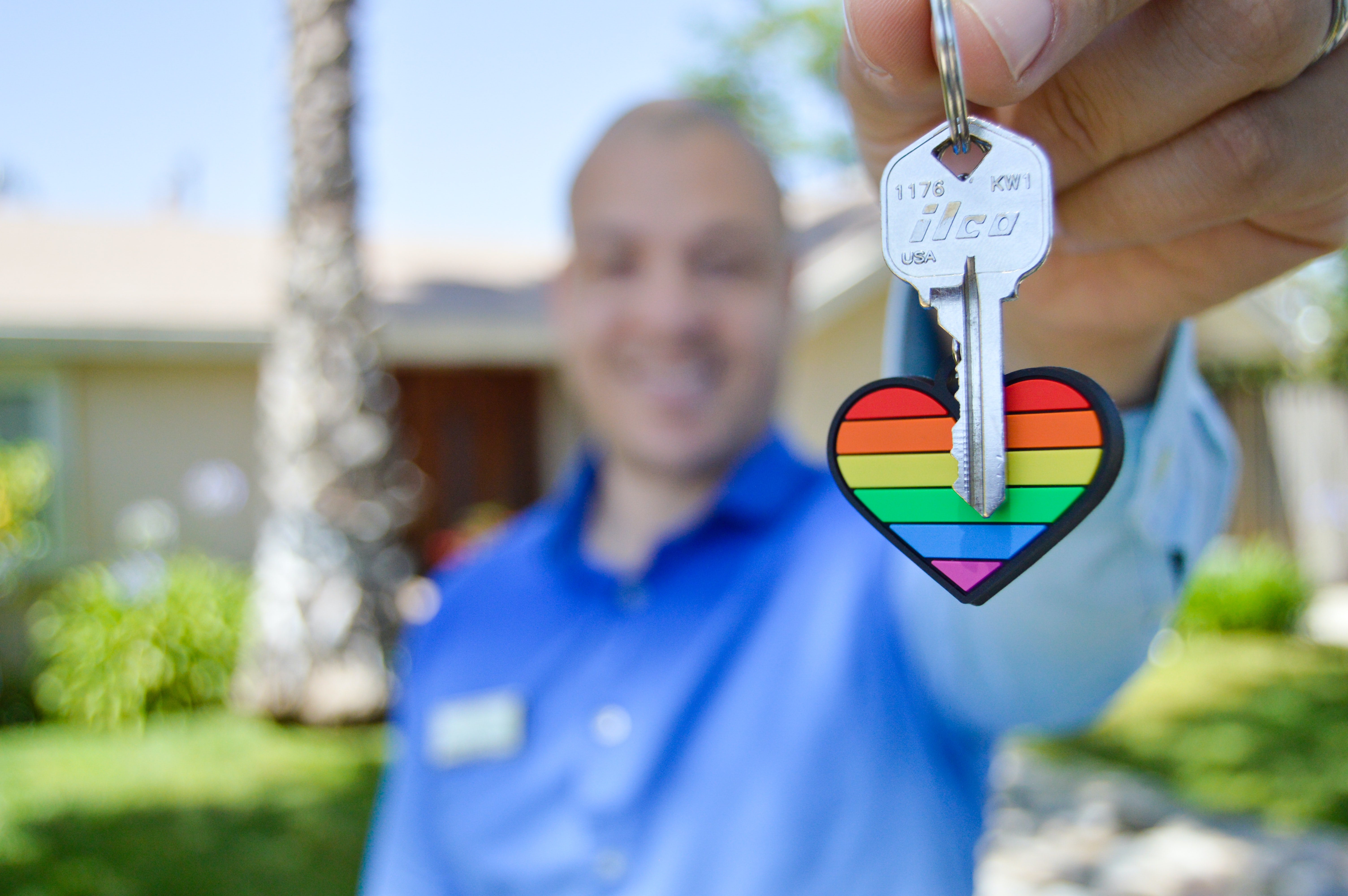
person holding a house key

Image Credits: unsplash.com

Once you’ve considered the immediate and long-term consequences of your move to a new country, it’s time to think about how you’re going to make a living and live there. This can be either exciting or daunting depending on your perspective, but it is an essential component of the migration process.

  • Finding a job

Your first task is to research the job market in your chosen destination.

A good place to start is by understanding which industries are growing, what skill sets are in demand, and whether any incentives exist for businesses to hire foreign workers.

Additionally, if you don’t already have an offer from an employer in your desired country, it might be worth looking at job search websites for opportunities that fit your skill sets.

  • Accommodation

Before leaving your home country, think about where you’re going to live.

In some cases, this could be provided as part of an employment package. However, if you don’t have that option available, make sure you research homes that fit within your budget before committing to move.

What’s clear is that the decision to move to a different country is not one to be taken lightly, and the impact on your life, well-being, and financial situation can be significant. The best way to approach migrating is to consider the opportunity and potential available to you, thoroughly research your options and develop an action plan with realistic goals to achieve your objectives. Above all, make sure you have a solid understanding of the laws, regulations, and cultural norms of the country you are planning to move to, so you can make an informed decision about what will be the best for you (and your family) in the long term.

Read More...

Make the most of your newsletter: Monetizing strategies that work

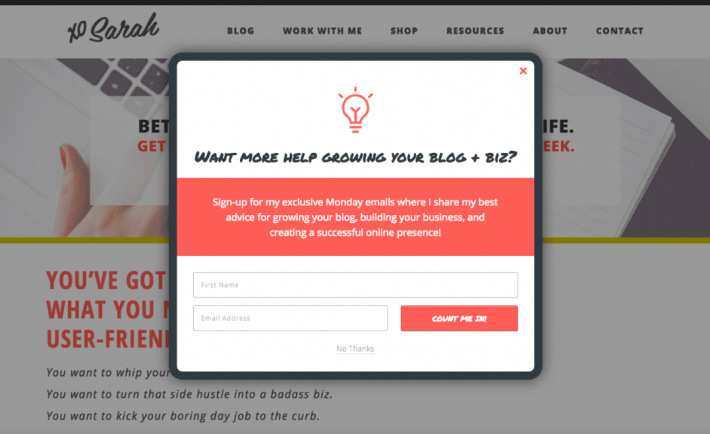
popup newsletter sign up

Would you like to make some extra cash without the extra effort?

Well, if you have a newsletter, you’re already halfway there. Since you’ve already built an audience who knows and trust you, now’s the time to make the most of that relationship and monetize it.

There are dozens of ways to monetize a newsletter, from selling digital and physical products to sponsored content and affiliate marketing. But the even better news is that you don’t have to do them all—just pick the strategy that works best for your target audience.

Offer exclusive content to subscribers

If you’re considering monetizing your newsletter, one of the best ways to start is by offering exclusive content for a small fee.

Paid newsletters provide subscribers with access to content that isn’t available to the general public—and depending on the content, it can be very attractive to potential subscribers.

You can start small by making some of your content exclusive. Choose articles or topics that you feel are of special interest and create a few premium newsletters on those topics each month.

In addition to offering exclusive content, you could include behind-the-scenes videos or podcasts, special discounts on products or services, or even amplify the credibility of your brand or business through interviews with industry experts. Whatever you choose as an incentive should be seen as a bonus that offers extra value for what your subscribers are getting.

Leverage affiliate marketing

First, find an affiliate program associated with products or services related to the content of your newsletter.

Once you become an affiliate partner, you can add corresponding links to your newsletter. When your readers click on these links and buy something, you get a commission as a reward for helping them out!

You can also introduce readers to new services and products by mentioning relevant companies in your content and including appropriate affiliate links. Furthermore, if you have any special discounts or offers from vendors, don’t forget to promote them! Affiliate marketing will let you maximize the earning potential of your newsletter.

Engage in sponsored content partnerships
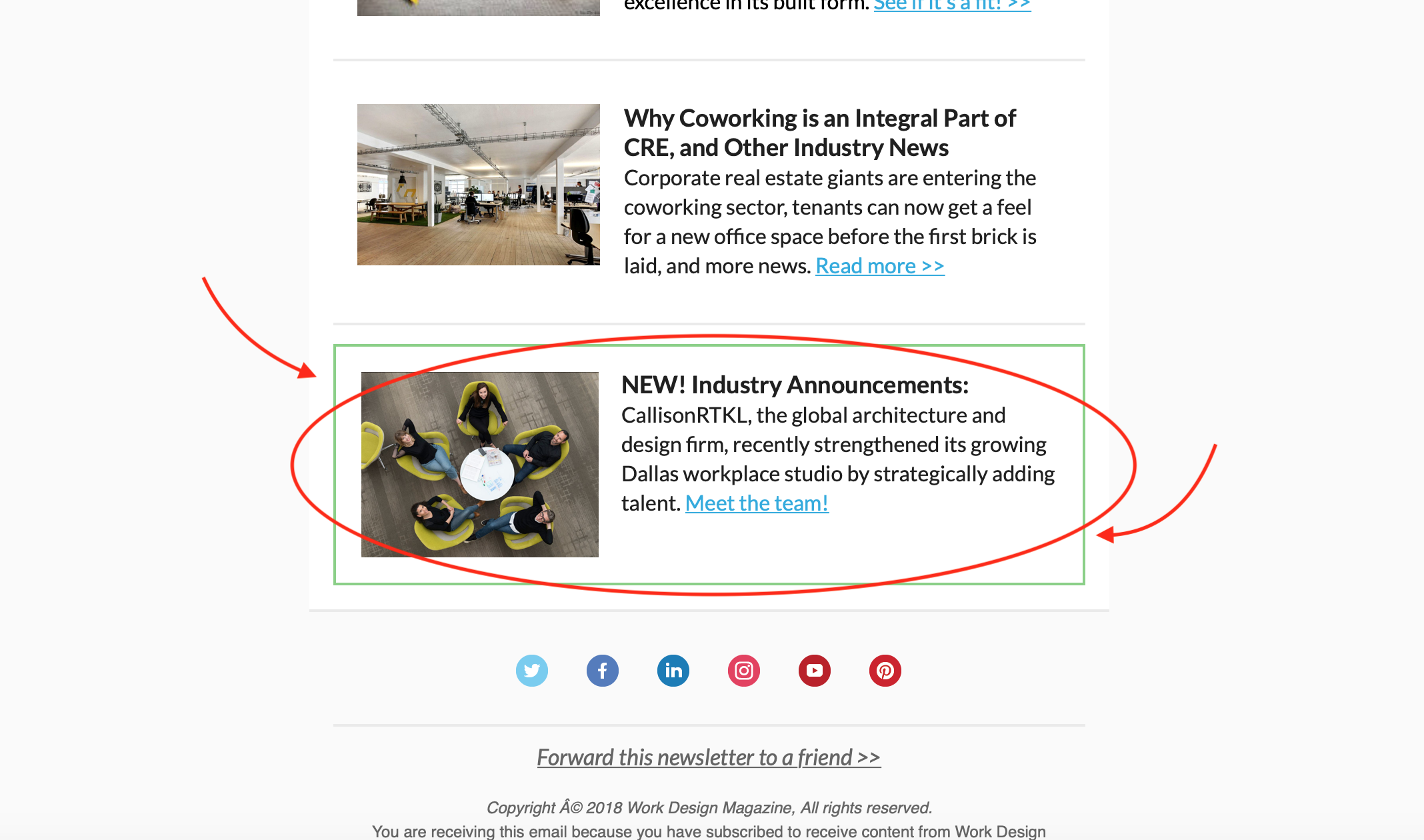
sponsored newsletter sample

Image Credits: workdesign.com

Offer your readers exciting, quality content from sponsors that aligns with your newsletter’s theme.

This can be in the form of articles, podcasts, videos—whatever you choose! And don’t forget to include the link where readers can find out more about the sponsors and whatever product or service they are offering.

But how do you go about finding sponsors? Well, having a media kit will help you start the conversation! Your media kit should include things like:

  • Your newsletter’s demographic information
  • Your readers’ interests
  • The frequency of your emails
  • An overview of what topics you cover
  • Your newsletter’s reach and engagement rate from past campaigns

With an impressive media kit that shows off just how amazing and engaged your community is, you will be able to grab the attention of potential sponsors easily.

How to increase your subscribers

You want to reach as many people as possible, and there are a few simple strategies that can help you do this.

  • Run contests

If you run contests or giveaways in your newsletter, it can help drive people to subscribe.

Not only is it a great incentive for readers, but it can also help promote brand awareness and loyalty. Also, if you offer something FREE, more people will likely sign up for your newsletter—after all, who doesn’t like free stuff?

  • Use exit intent popup offers

Having an exit intent popup offer (when viewers are about to leave your page) is another powerful way to increase subscribers.

If someone is about to abandon your page without subscribing, offering them a discount or other incentive may encourage them to stay and join your list.

You can also provide info about the benefits of signing up for the newsletter—special coupons or discounts offered exclusively to subscribers, access to exclusive content, and more—so they know what they’re signing up for before they commit.

Taking people’s time and attention is a precious commodity—so make sure you’re treating it as such. By monetizing your newsletter, you can increase your revenue streams, build a slower, sustainable form of income, create multiple entry points for customers into your funnel, and most importantly, continue to bring value to your readers. Whether you’re looking to make the most of your newsletter or just trying to find new revenue streams for your business, email monetization is a great way to get more out of your newsletter. With the right strategies in place, you can take your newsletter from a passive income stream to a powerhouse for your business.

Read More...