Korea’s Underground Shopping Malls That Locals Love


For many Singaporean travelers, Korea’s headline shopping districts are enough to fill a suitcase. Yet some of the country’s most fascinating retail experiences are not above ground. They sit quietly beneath the city, where small businesses thrive, and treasures hide behind modest storefronts. These underground malls are more than shopping conveniences. They are economic ecosystems shaped by foot traffic and the purchasing power of a generation that prioritizes value and discovery.

Image Credits: unsplash.com

Beneath the busy arteries of Myeongdong lies an underground complex that feels almost like a parallel world. Here, beauty products, streetwear, accessories, and home goods come together in a maze of bright stalls. The pricing is competitive, the inventory changes quickly, and the atmosphere feels both youthful and relentless. We even managed to buy a brand-new watch for under S$9 and some K-Pop Super Junior stickers for S$2 each.

Further along the city’s retail undercurrents sits Hoehyeon Underground Shopping Center, a favorite among collectors and long time hobbyists. Tucked between Namdaemun Market and Myeongdong, this labyrinth reveals a quieter world of antiques, stamps, vinyl records, currency notes, and artworks. For Singaporean buyers interested in vintage markets and alternative assets, the center offers a window into Korea’s thriving collector culture.

Across the river, GOTO Mall stretches beneath the express bus terminal like a city of its own. Rows of boutiques sell everything from apparel to beauty products to tech accessories. Some stalls specialize in bedding and homeware, drawing homeowners who appreciate well made goods at competitive prices. Others cater to students and young professionals building their wardrobes on a budget. In between, tarot readers add a touch of mystique to the steady flow of commerce. It is a place where practicality and impulse buying exist side by side.

To complete the underground journey, Dongdaemun’s subterranean shopping center offers a vivid mix of fashion wholesale culture and late night gastronomy. Built under the landmark Dongdaemun Design Plaza, the complex carries clothing, accessories, home items, and cosmetics at prices that reward bulk buying. It functions as a hidden extension of the city’s fashion engine, where trends are born, copied, reinvented, and sold before sunrise. As the evening deepens, the surroundings come alive with night snacks that keep both tourists and traders fueled. Don’t forget to haggle for better prices!

Across all these destinations, one rule remains constant. Cash is king! Most vendors accept only Korean won and many operate with thin margins that favor quick transactions. Visitors should come prepared with comfortable shoes as these centers sprawl across long corridors and can become crowded during peak hours. A weekday visit outside of the lunch rush offers the best chance of moving at your own pace.

Image Credits: unsplash.com

Underground shopping in Korea is more than an inexpensive alternative to its glossy malls. For the budget-conscious traveler, these spaces blend affordability and discovery into the beating heart of the Korean consumer economy.

Sources: 1 & 2


Read More...

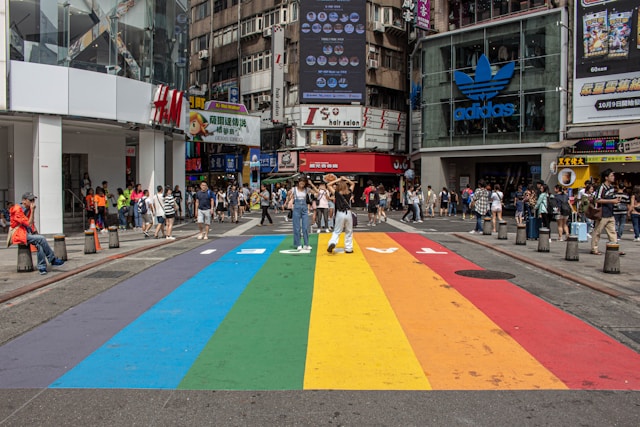
Taiwan Shopping Guide You’ll Actually Use

Taipei has a way of turning even casual visitors into devoted shoppers. My husband and I went for the food, but we quickly discovered how enjoyable it is to shop in the city, especially with the kindness of the people you meet at every turn. At the time of writing, one New Taiwan Dollar is roughly equivalent to 0.042 Singapore Dollar, which makes Taipei’s wide range of shopping choices friendly to all budgets. The city is more than a retail destination. It is a lively blend of culture, warmth, and irresistible finds.

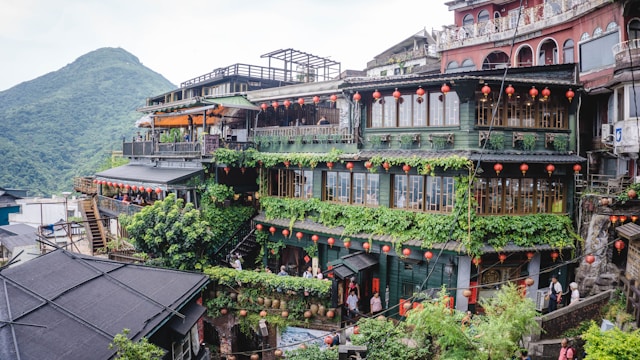
One of the most charming ways to experience Taiwan is through its souvenirs and snacks. Pineapple cakes remain the country’s most iconic gift, and visiting specialty bakeries such as Chia Te Bakery or Taipei LeeChi feels like walking into a gallery of beautifully crafted pastries. Their pineapple and winter melon varieties are packaged elegantly, making them perfect to bring home. Tea lovers can enjoy the refined selections at Jing Sheng Yu on Yongkang Street, while Jiufen Old Street offers tea experiences in a setting that feels lifted from the world of Spirited Away. Its lantern-lined alleys and traditional structures create an atmosphere that is both nostalgic and cinematic.

Image Credits: unsplash.com

For anyone who loves characters and collectibles, Taipei feels like one big playground. Donguri Republic at Shin Kong Mitsukoshi in Xinyi brings Studio Ghibli favorites to life with shelves filled with Totoro and other well loved figures. Pokémon Center Taipei adds another layer of excitement with plush toys, trading cards, and exclusive items. The city is also famous for gashapon machines. Ximending alone features more than 500 of them, offering everything from anime figurines to cute and calming collectibles. Shilin Night Market has its own growing collection, while the malls in Xinyi scatter machines across several floors, turning an ordinary shopping trip into a series of small surprises.

Blind box collectors often gravitate toward Ximending, although some resellers charge two or three times the original price. Pop Mart Ximen is a better choice if you want to go straight to the source. The four storey space includes exhibition areas, a VIP lounge, and larger than life displays of Molly and other popular characters. Crowds tend to build during weekends, yet the experience is worth every moment. Nearby, the Wan Nian Building offers an entire structure dedicated to anime lovers. We found shops selling everything from Voltes V and Dragon Ball to Sakamoto Days and Spy x Family. The Taipei Animate Store is also in the area, with its own entrance tucked below street level and a nearby café that adds to the fun.

Image Credits: unsplash.com

Taipei’s markets reveal a different side of the city. Nanmen Market near the Chiang Kai Shek Memorial Hall focuses on traditional ingredients such as dried goods and fresh local produce. The Taipei Expo Farmer’s Market at Yuanshan MRT brightens weekends with honey, tea, fruits, vegetables, and small batch artisanal items. Red House Craft Market in Ximending highlights the creativity of local artists. The prices can be higher compared to other markets, but the atmosphere is enjoyable and supports independent makers.

Beauty and fashion are part of the city’s everyday charm. Pharmacy chains like Watsons and Cosmed carry cosmetics and skincare that suit a wide range of preferences, and Watsons often offers attractive discounts. For affordable fashion, Wufenpu near Raohe Night Market is a reliable stop. Its narrow lanes are filled with shops carrying clothes, sunglasses, accessories, and children’s items. Trendy and mid range boutiques are scattered throughout Ximending, Yongkang, Shida, and Gongguan, while NET provides a local version of GAP style basics. For a premium experience, Taipei 101 offers luxury brands and an observatory that makes the visit feel even more memorable.

Image Credits: unsplash.com

Shopping in Taipei never feels like a simple transaction. It feels like an invitation to explore the city’s creativity, history, and personality through the things you bring home. Whether it is tea from Jiufen, a blind box from Ximending, or a handmade craft from Red House, every purchase becomes part of your travel story.

Sources: 1 & 2


Read More...

A Week as a Tourist in Singapore

Last week, my family and I took some time off to rediscover Singapore through the eyes of tourists. With my uncle visiting, it was the perfect chance to revisit old favorites and explore new attractions, from the Singapore Oceanarium and Rainforest Wild Asia to Gardens by the Bay and Chinatown. What followed was a week filled with wonder and reflection on what makes the Lion City so remarkable.

Our first stop was Gardens by the Bay (18 Marina Gardens Dr, Singapore 018953), one of Singapore’s most beloved landmarks. We had lunch at Hortus, located inside the Flower Dome. The greenhouse-like atmosphere surrounded by greenery was beautiful, although seating was limited and filled up quickly when we visited on a Sunday afternoon. Mains start at about SGD 30, and while prices were high, the desserts made it worthwhile. My favorite was the vanilla gelato, smooth and refreshing at around SGD 18.

Image Credits: facebook.com/gardensbythebay

A short walk away, the Cloud Forest continues to captivate visitors. Its newest feature, inspired by Jurassic World, transforms the misty dome into a prehistoric scene with life-like dinosaurs among lush vertical gardens. The experience felt cinematic and surreal, especially with cool mist drifting through the walkways. My father had fun posing beside the roaring T-Rex, while my mother could not stop talking about the Raptor Blue. The Flower Dome felt less impressive this time. Though still colorful, some blooms were wilting, softening its usual visual charm.

Image Credits: instagram.com/agoncilloanna

At the National Museum of Singapore (93 Stamford Road, Singapore 178897), we discovered something truly unique called Singapore Odyssea: A Journey Through Time. This interactive exhibit combines art and storytelling through technology. Visitors receive an RFID wristband that activates a personal magical companion inspired by local wildlife. Mine was an orange butterfly and my sister’s was a green turtle. Guided by these digital companions, we explored Singapore’s changing seascape through animated dioramas and met legendary figures from local folklore. At one point, our creatures appeared after a giant crab fell asleep, which made us laugh. The concept was imaginative and beautifully executed. Best of all? Tickets are free for Singapore Citizens and Permanent Residents.

Image Credits:facebook.com/National.Museum.of.Singapore/photos

Our visit to the Singapore Oceanarium at 24 Sentosa Gateway, Sentosa Island, Singapore 098137 was equally memorable. Tickets start at SGD 42 for adults on non-peak days and SGD 49 during peak periods. The expanded marine zones now showcase a wider range of species, with dynamic lighting and a marine research area that adds an educational touch. Watching manta rays and schools of fish glide through the glowing blue tunnels was mesmerizing. We even saw some divers as they cleaned the tanks. I searched for the elusive sea cow, but it seemed to be missing this time. Even so, the Oceanarium’s transformation was impressive and worth experiencing.

Image Credits: facebook.com/RWSSGO

Next, we explored Rainforest Wild Asia at 20 Mandai Lake Rd, Singapore 729825. Expectations were high, but the experience was underwhelming. The idea of letting animals roam freely was exciting, yet we did not see as many as we hoped. The narrow bridge walk added a sense of adventure and we got to experience eating inside a cave. We had lunch at the Cavern Restaurant. Prices averaged SGD 34 per person for our family of five. The food was presented beautifully, and the staff were attentive, though the portions were small for the price. It was a nice treat for a special occasion rather than a casual meal.

Image Credits: instagram.com/agoncilloanna

Our only real complaint was the quality of the souvenir photos here, which turned out blurry. With better-trained photographers and a few adjustments, our experience could be much better. Tickets for adults start at SGD 36 on non-peak days and SGD 40.50 during peak periods.

We ended our week in Chinatown on a lively Friday evening. The streets were alive with both locals and tourists browsing for snacks, souvenirs, and traditional crafts. Amid the colorful lanterns and chatter, we found a small stall selling local-inspired paintings with two canvases featuring Gardens by the Bay and the Merlion for SGD 48. Nearby, a pottery shop caught my attention with its beautifully crafted plates and bowls, starting at only SGD 5.

Image Credits: facebook.com/chinatownsg

Singapore continues to reinvent itself in ways both subtle and bold. Some attractions shine with modern innovation, while others remain rooted in nostalgia. Experiencing the city again as a visitor reminded me that Singapore’s greatest charm lies in its constant ability to improve itself.

Disclaimer: The views expressed are based on our personal experiences during a recent family trip and may not represent those of all visitors.

Read More...

Why Bencoolen Is Officially One of the World’s Coolest Neighborhoods

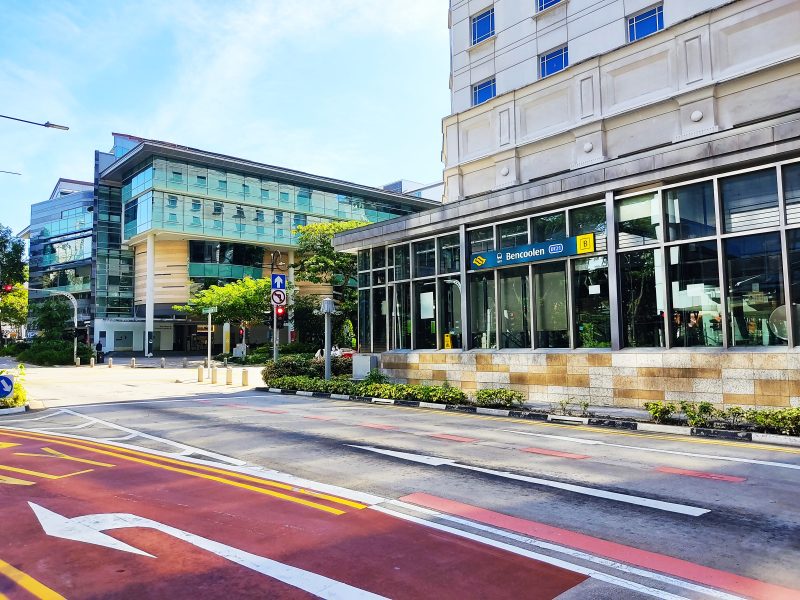
Tucked between the vibrant streets of Bugis and the cultural charm of Bras Basah, Bencoolen has long been one of Singapore’s most overlooked districts. Often passed by on the way to bigger attractions, this neighborhood is finally stepping into the global spotlight after being named one of the World’s 39 Coolest Neighborhoods by Time Out in 2025. Once you take the time to explore it, you’ll see why it deserves the attention.

Image Credits: zhenkang (CC BY-SA 4.0) via commons.wikimedia.org

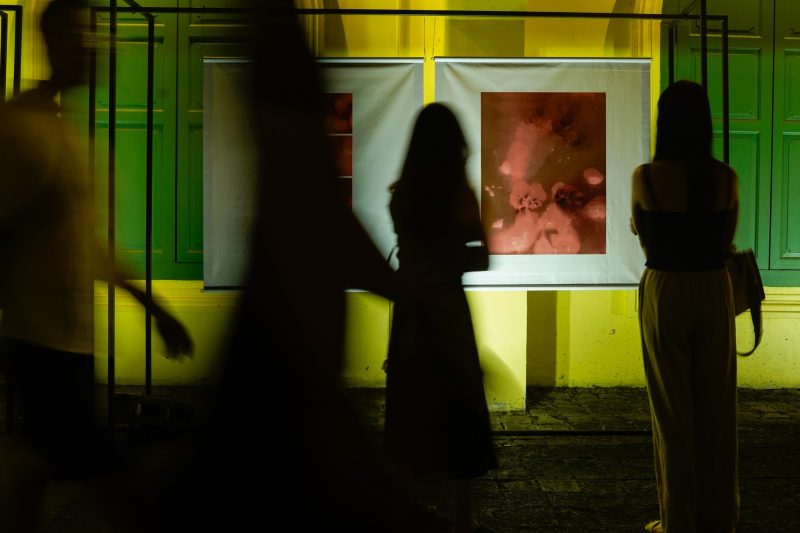
Bencoolen has a creative heartbeat that’s impossible to miss. Students from NAFA and Lasalle bring the streets to life, filling the area with sketches, ideas, and youthful energy. Galleries run by these schools open doors to works from emerging artists, while Objectifs showcases bold voices in photography and film from across Southeast Asia. Along Stamford Road, the National Museum of Singapore offers a journey through history, while the Stamford Arts Centre keeps traditional arts alive with performances and showcases that connect the past with the present.

obj: Image Credits: facebook.com/objectifscentre

Food is another reason Bencoolen is earning its cool status. Fortune Centre has become a landmark for affordable and unforgettable eats, from the irresistible salted egg yolk chicken rice at New Station to hearty vegan meals at Bodhi Deli and nostalgic desserts at Yat Ka Yan. Beyond its famous food court, Bencoolen is home to cozy spots that feel like secrets waiting to be discovered, including a tiny eight-seat grill house where the chef cooks right in front of you, a playful umeshu bar, and a relaxed natural wine spot where conversations flow as easily as the drinks.

The neighborhood’s charm lies in its contrasts. Masjid Bencoolen, a historic mosque, stands alongside a modern serviced apartment tower, while Sim Lim Square buzzes with tech enthusiasts in search of bargains. These juxtapositions create a district that feels both rooted in heritage and alive with modern energy.

Image Credits: Muhammad Adrian via flickr.com/photos/198561627@N08/54579780000

Bencoolen doesn’t compete with Singapore’s flashier districts, and that’s exactly why it stands out. It’s a neighborhood full of surprises for those willing to slow down and wander. Now that the world has taken notice, perhaps it’s time you did too.

Source: 1

Read More...

6 Ways to See New York Without the Tourist Traps

New York City (NYC) has never been shy about putting on a show. While tourists flock to the same photo spots, the city reveals its real magic when you know where to look. From sky-high thrills to world-class art, here are 6 ways to experience the Big Apple without feeling like just another face in the crowd.

Start with the city’s eternal icon: the Statue of Liberty. Standing 93 meters tall on Liberty Island, Lady Liberty is more than a monument. It is a statement of freedom that greets millions who arrive by sea and sky. Whether you cruise past her at golden hour, circle overhead in a helicopter, or stand beneath her towering presence, the encounter is unforgettable. A tour starts at about S$37 on Klook.com.

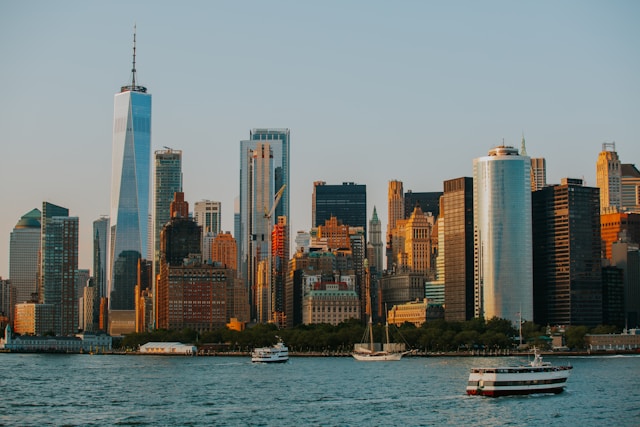
For a more atmospheric view, trade the sidewalks for the Hudson River. A sunset cruise sets the stage for New York’s nightly transformation, with the city’s icons such as the One World Trade Center, Empire State Building, Ellis Island, and the Brooklyn Bridge glowing as day dissolves into night. The experience distills the skyline into pure theatre and proves why New York is the city that never sleeps.

Image Credits: unsplash.com

No trip to New York feels complete without Broadway. I, for one, am in love with the theatre! With more than 40 stages showcasing everything from The Lion King to Moulin Rouge and Wicked, Broadway remains an institution of spectacle. Ticket prices typically start from S$78 to S$152, an investment in memories that last longer than any souvenir.

If you prefer being inside the show instead of watching it, The Edge delivers an adrenaline rush with a view. Suspended 100 stories in the air, this glass-floored observation deck dares you to look straight down while floating above Manhattan’s grid. Frameless glass walls tilt you outward into the skyline, offering a panorama that feels surreal. Tickets start at S$43, and for many, the thrill is worth every cent.

Image Credits: facebook.com/EdgeNYC

When the noise of the city grows too loud, Central Park offers its counterpoint. This sprawling oasis in the heart of Manhattan invites you to slow down, whether with a guided audio tour for about S$19 or by simply wandering its winding paths for free. The park’s bridges, sculptures, and lakes tell stories of a city constantly reinventing itself and walking through it feels like breathing in New York’s softer side.

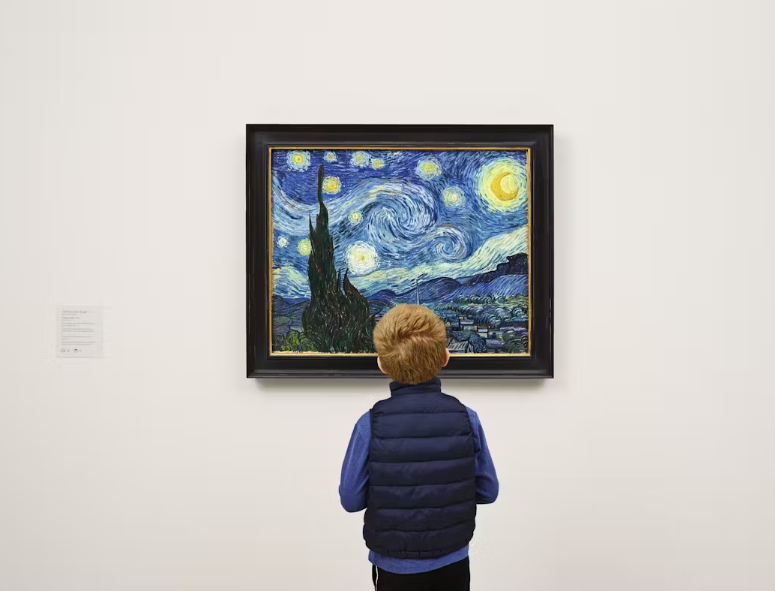
Finally, step indoors at the Museum of Modern Art, where art history lives and breathes. Nearly 200,000 works line its walls, from van Gogh’s The Starry Night to Warhol’s Campbell’s Soup Cans. Each masterpiece feels intimate, almost defiant, in a city built on movement. Admission starts at S$38.

Image Credits: musement.com

From the grandeur of Liberty to the intimacy of brushstrokes, the NYC proves that its best attractions do not just live up to the hype as they redefine it.

Read More...