7 Financial Commandments for Your Thirties

Hitting your thirties signify that you are halfway to retirement. After establishing a financial foundation in your twenties, it is up to you to use the following decade of your life to build and protect your wealth.

Whether you want to purchase a flat or to travel the world, these seven financial commandments can help you stretch your dollar.

#1: YOU SHALL LEARN SELF-CONTROL

Throughout your childhood, your parents or teachers taught you to practice self-control. The sooner you learn the importance of delayed gratification, the better off you will be. Applying self-control makes it easier to stay on top of your finances.

Select consciously spending cash rather than swiping your credit cards. Credit cards are convenient, but you must pay your bills on tip to maintain a good credit score. Do you really want to pay interest on a pair of jeans or a box of cereal? Think about it.

#2: YOU SHALL GET YOUR INSURANCE IN ORDER

Let us face it! You are not getting any younger. You need to sort out your health insurance, life insurance, and other policies. Considering a life insurance is prudent, especially if you have people depending on you.

#3: KEEP ADVANCING IN YOUR CAREER PATH

Developing your skill set occurs in your twenties. In your thirties, you will need to apply these skills to increase your earnings. Start by researching potential career paths and identifying companies where you can fit in. If you have the resources, you can go back to school to further your studies. Alternatively, you can take free online courses to boost your career.

Related Post: 5 Websites Where You Can Learn For Free

#4: YOU SHALL INCREASE YOUR EMERGENCY FUND

The pandemic highlighted the importance of keeping an emergency fund. Having an emergency fund can help cushion the financial blow of unexpected events. If you started an emergency fund in your twenties, you followed the standard rule of keeping at least six months’ worth of your expenses.

Image credits: unsplash.com

As your income increases in your thirties, you should also boost the balance in your emergency fund and take your family in consideration. Make it a habit to save money and to pay yourself first!

#5: HONOR YOUR PAYCHECK

Stop spending your entire paycheck in less than a month! Live within your means and do your best to save a portion of your paycheck to propel your future. Gradually increase the amount you save while decreasing the amount from which you live off.

Use the 60-80% of your income to fulfill your needs and allocate the remaining 20-40% of it to your savings and investments. Transferring the money automatically to your savings ensures that you will not be tempted to use it.

#6: YOU SHALL WRITE YOUR WILL

Do you still think that you are invincible? Try waking up in your thirties after a night of heavy partying! Protect the people you love by writing a will. Without one, others will have the power to decide how to split up your estate and how to raise your children.

#7: YOU SHALL NOT COVET THEY NEIGHBOR’S THINGS

As you reach your thirties, you may find yourself in a place where you tend to compare your accomplishments to your peers. Scrolling through your feed can highlight the milestones that your friends have reached such as purchasing a flat or getting married. You can admire your neighbors’ new car or new job. However, you do not need to stretch your budget to keep up with them. Doing so will ruin your finances.

Focus on your financial goals, live within your means, increase your savings, and do your best to be content. Acknowledge your inner strengths and use it to succeed!
Sources: 1 & 2

Read More...

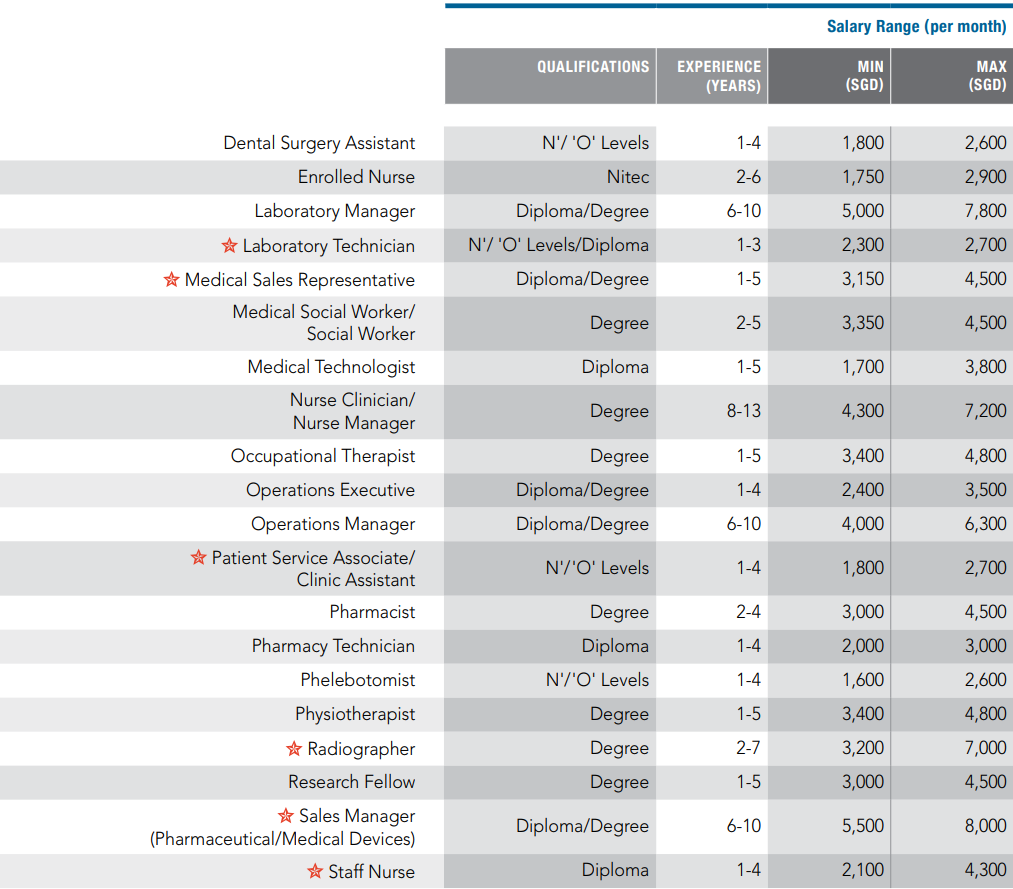
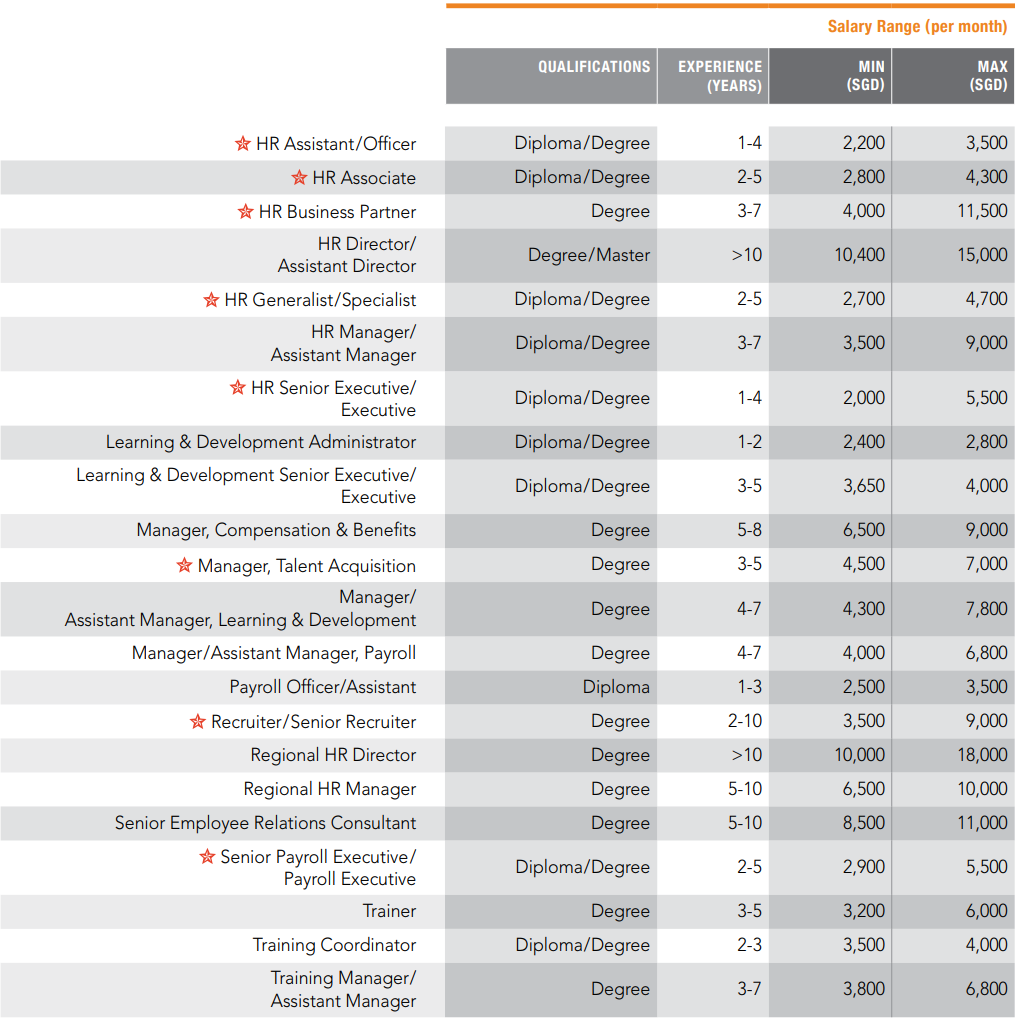
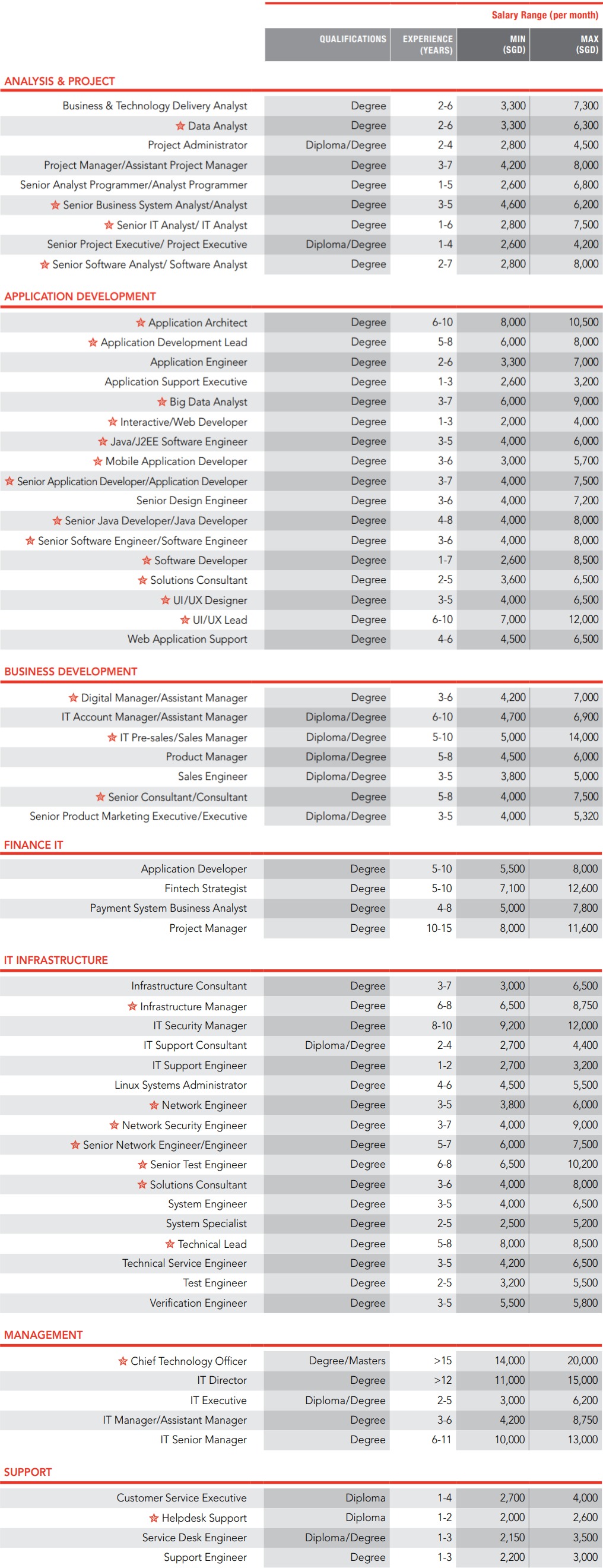
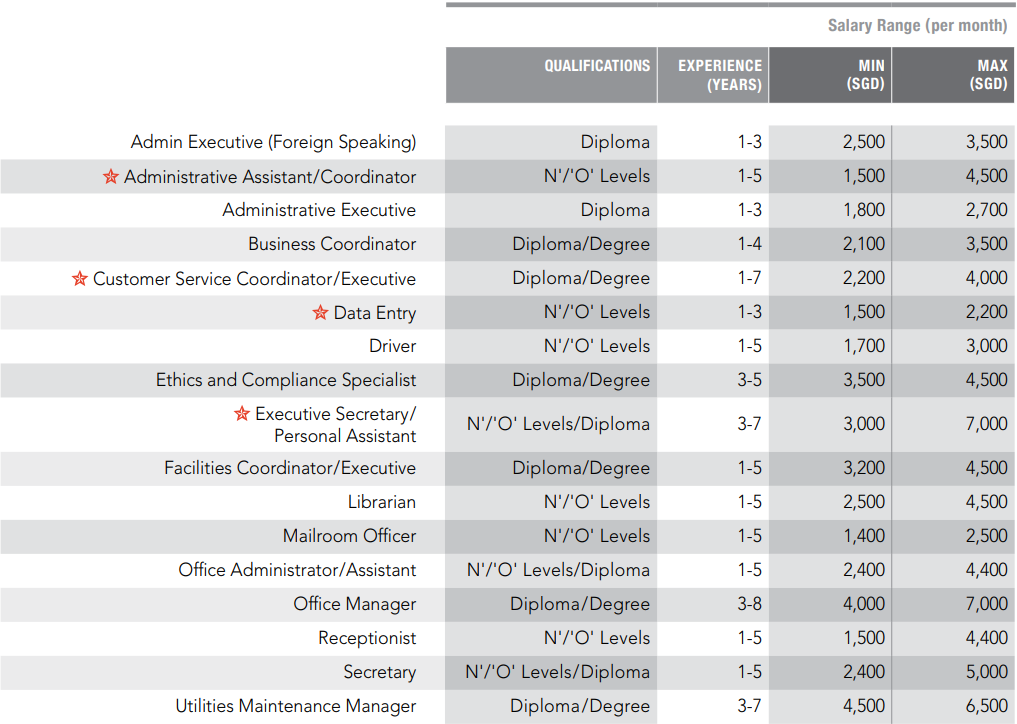
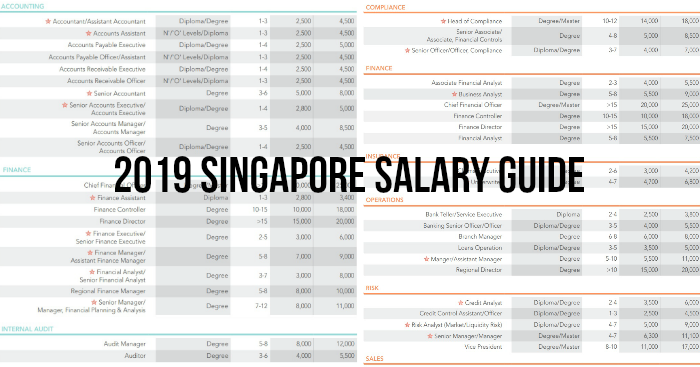
Salary Guide 2019: This is what you should be paid in Singapore

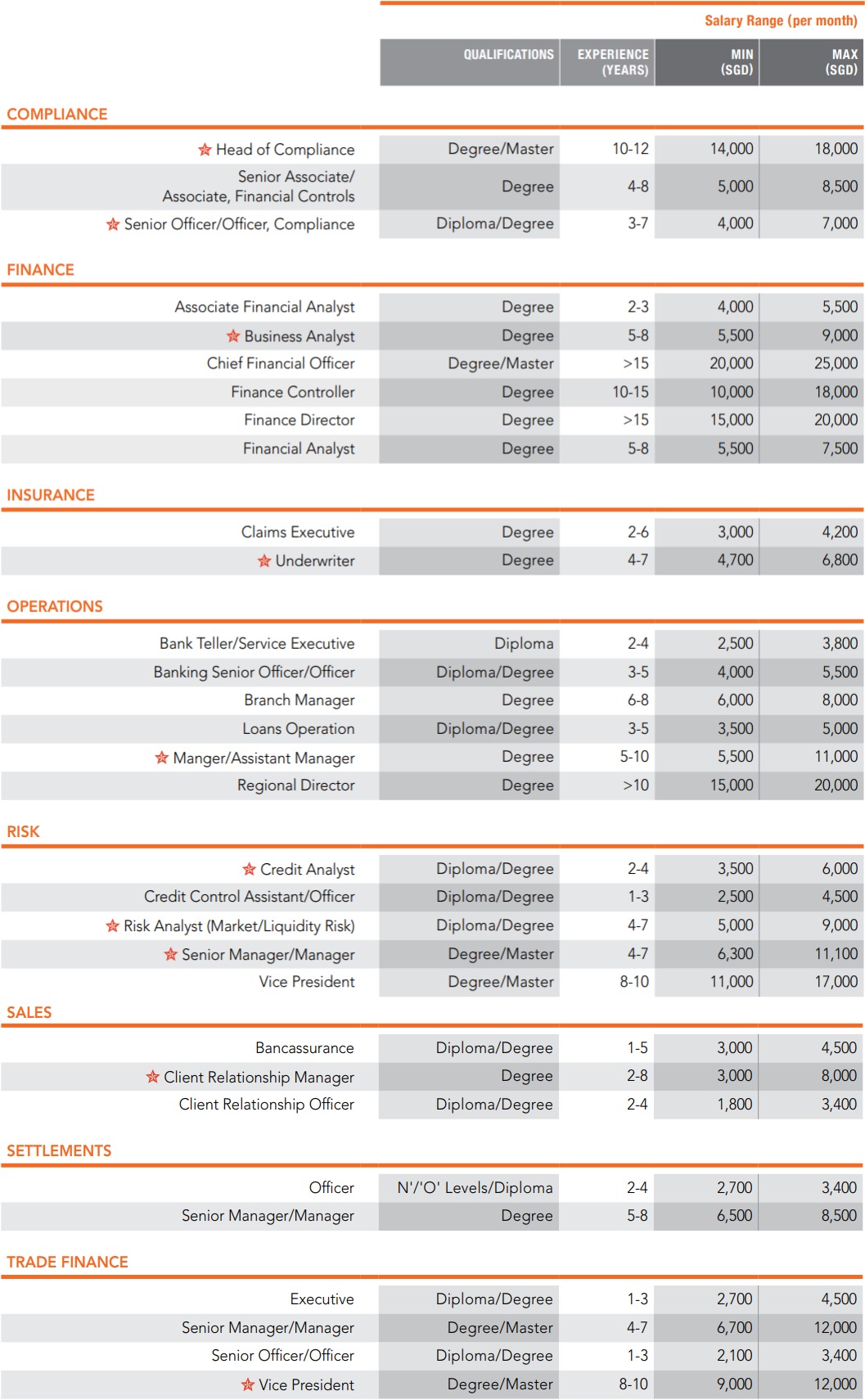
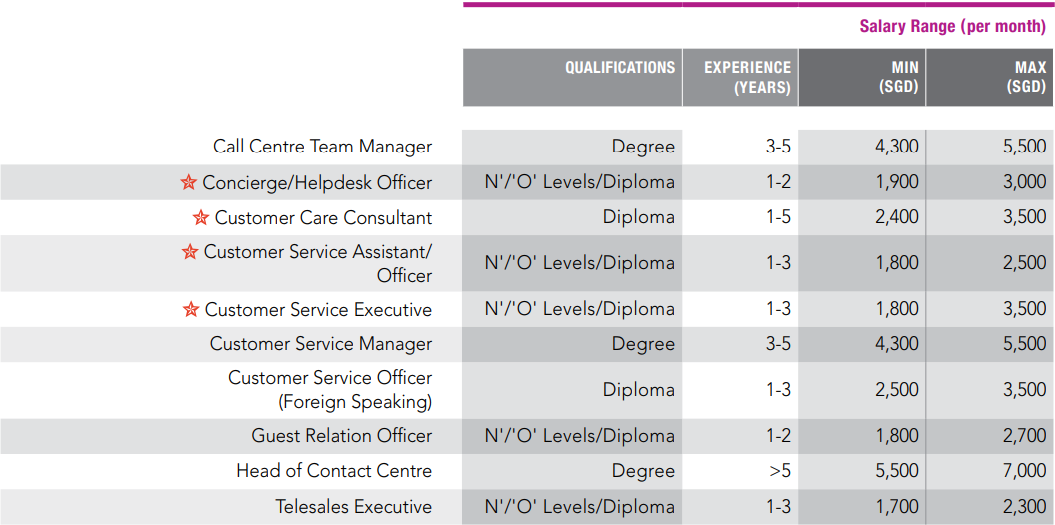
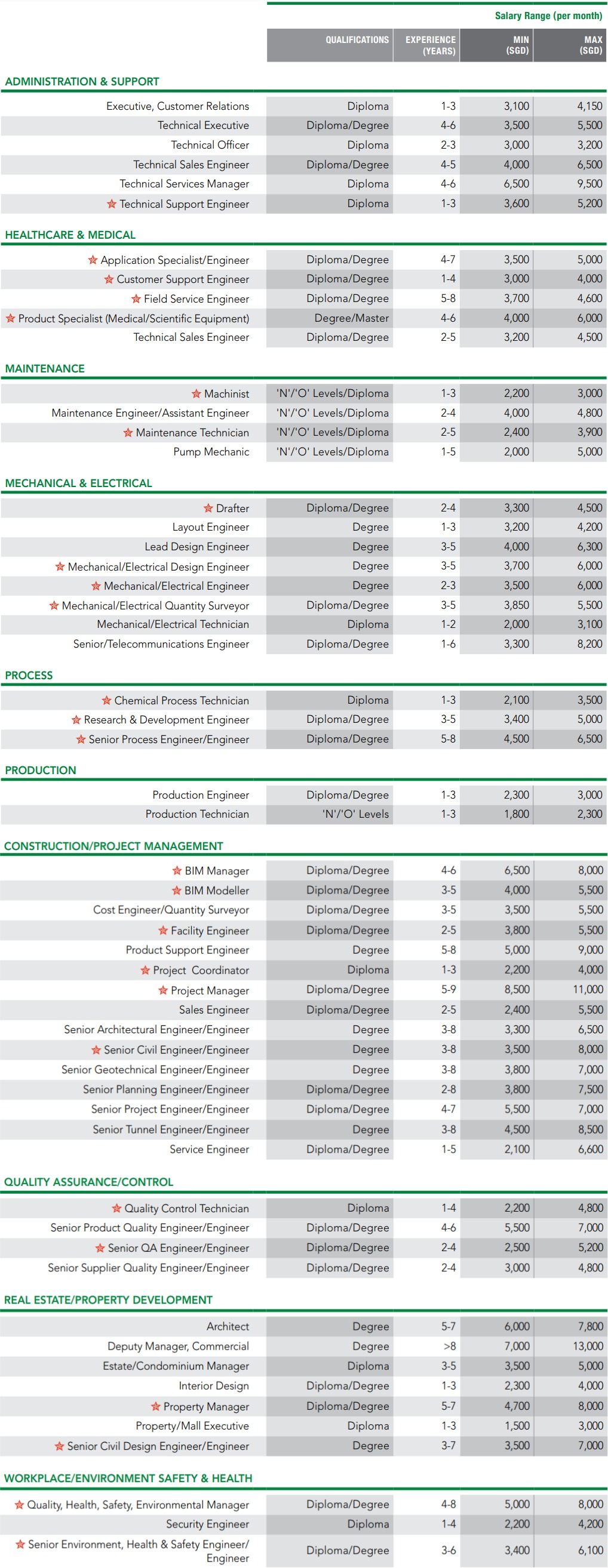
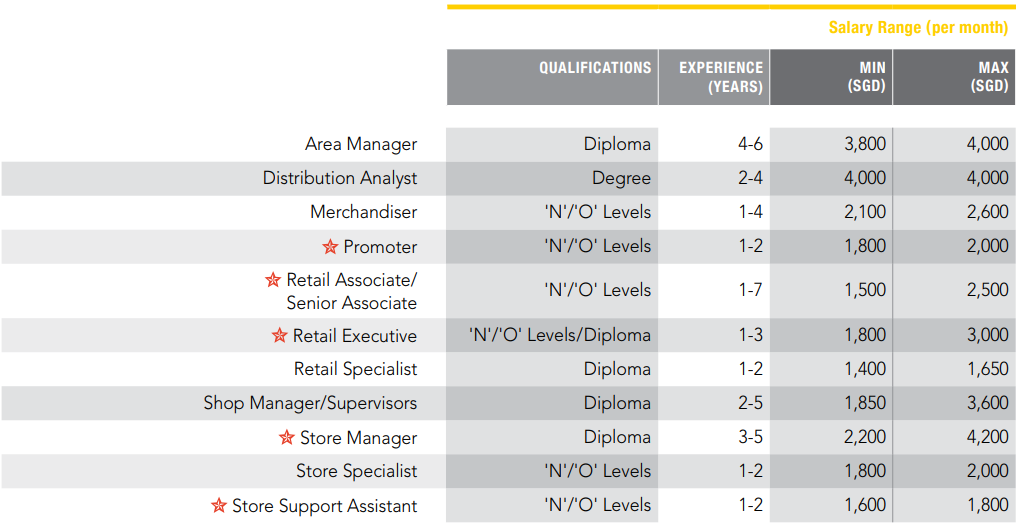
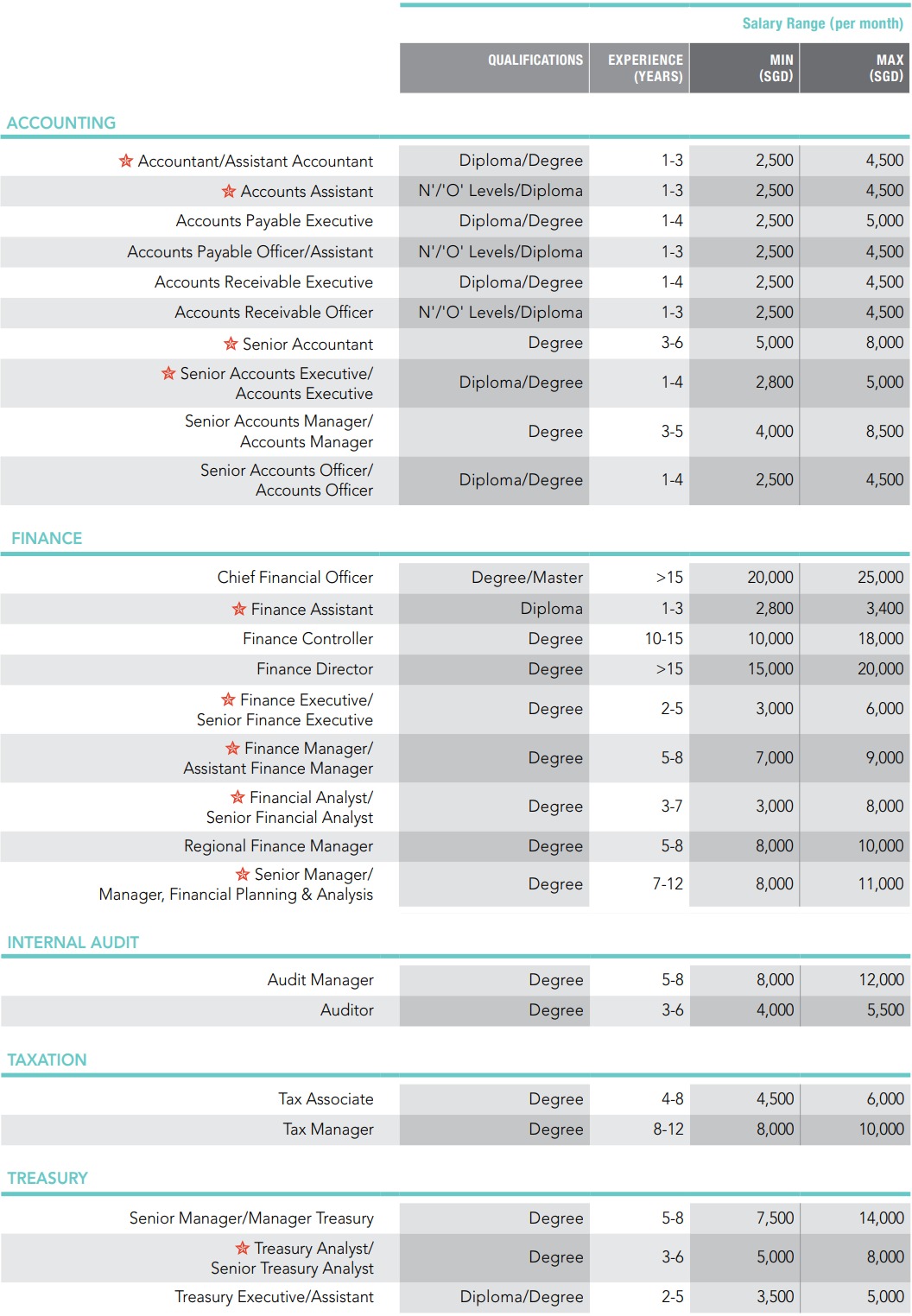
Want to see how you compare amongst your peers, check out this salary guide by Kelly Services.

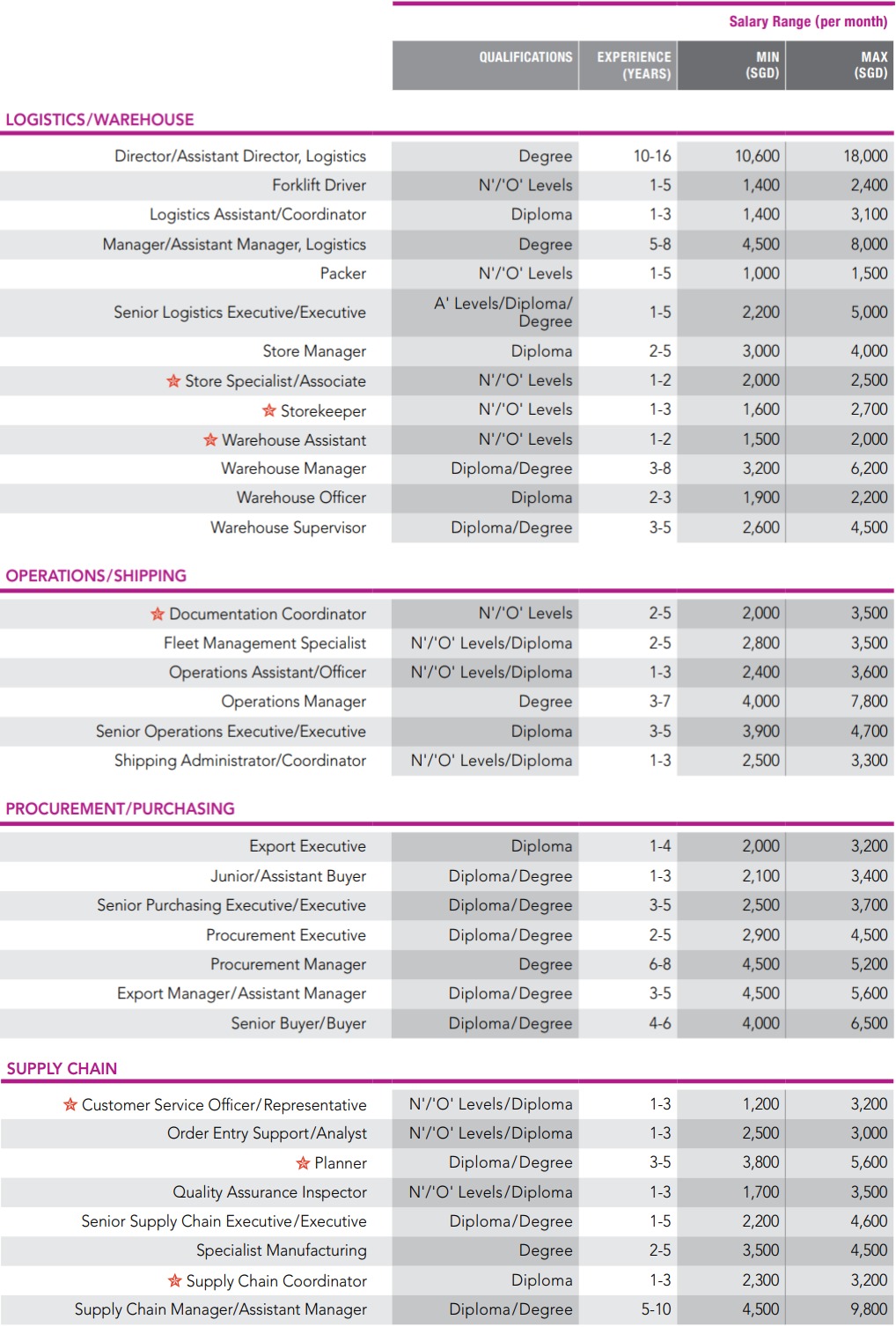
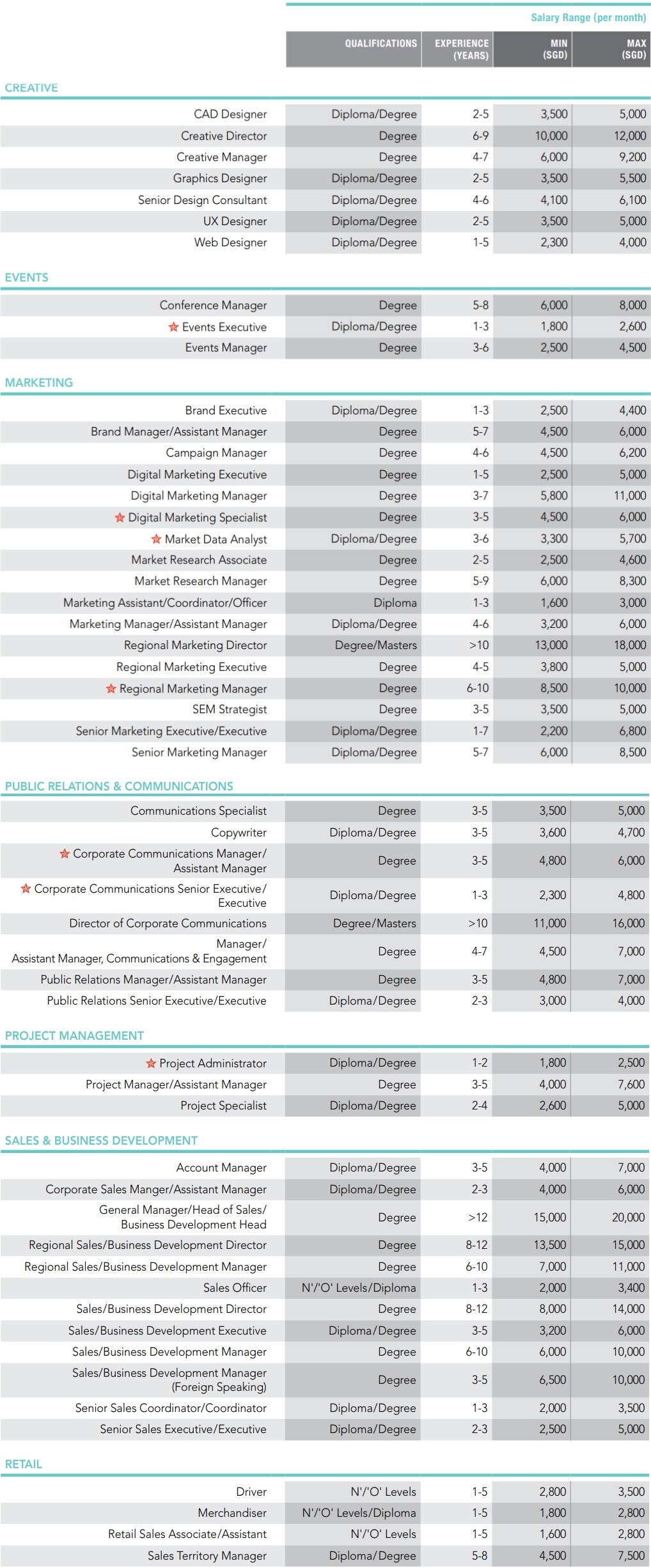
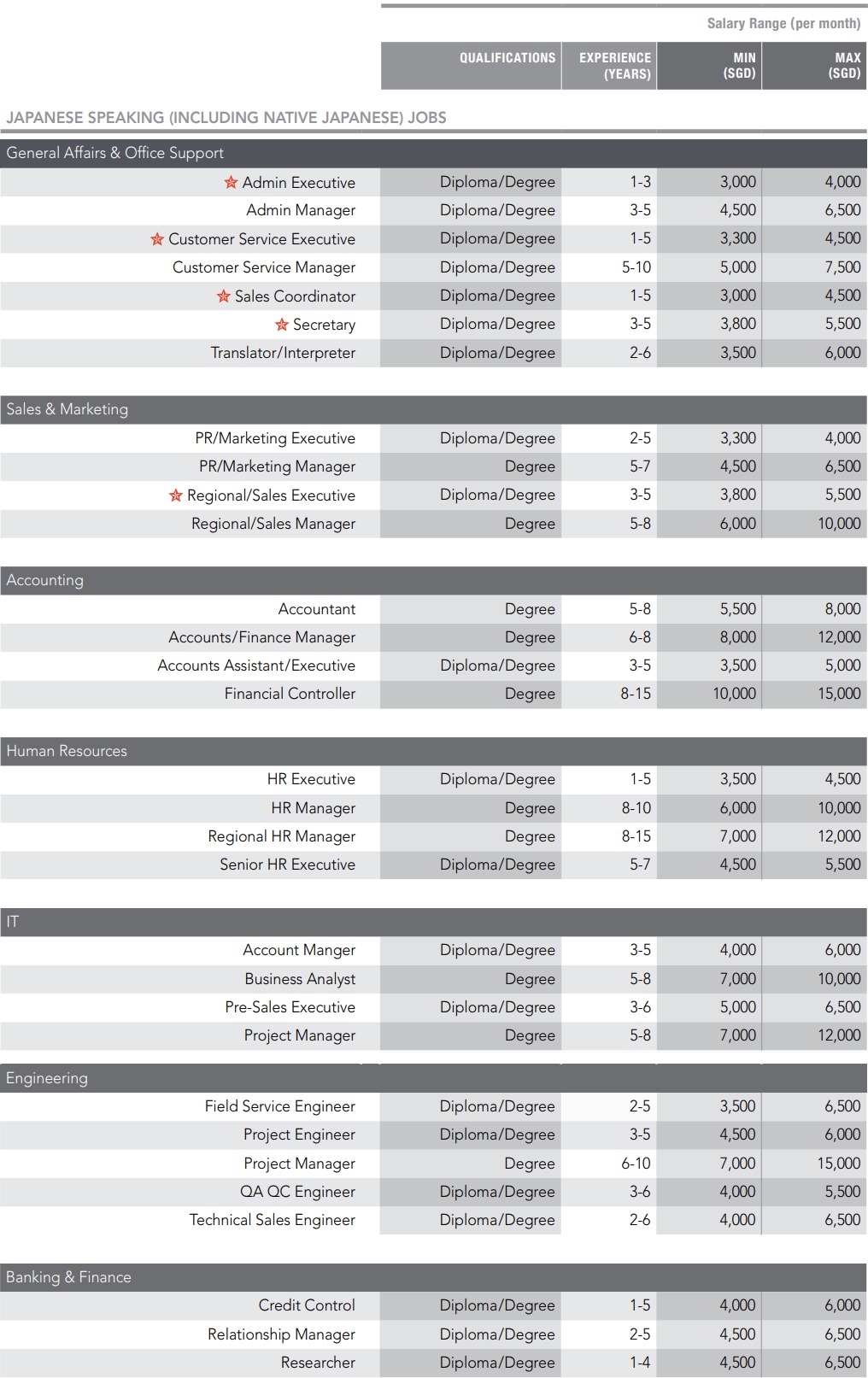
This guide is a comprehensive reference tool which provides an insight into the latest salary trends for various positions across industries in Singapore. The data presented in this guide is derived from the careful compilation and analysis of thousands of placements Kelly Services performs every year, supplemented by the expert market knowledge of senior recruitment professionals and meticulous industry market research.

Accounting

Banking & Finance

Customer Service

Engineering & Technical

Fast-Moving Consumer Goods (FMCG) & Retail

Healthcare & Life Sciences

Human Resources

Information Technology

Office Support

Procurement, Supply Chain & Logistics

Sales & Marketing

Japan Desk


Download the full 2019 Singapore Salary Guide by clicking here now.

Read More...

How To Avoid Spending All Your Paycheck Right Away

When you are working around the clock, the end of June signifies one important thing. And that is? Payday is fast approaching! You can either stretch every cent you receive or waste it all in one day. The choice is yours.

A particular story comes into my mind when I dwell upon this topic. You see, I decided to reward myself after receiving my paycheck for the month of May. Do not worry about finances just yet! I allocated 10-15% of my salary for leisure and relaxation purposes.

I waited until the next day to stroll in the nearby shopping centre to avoid the massive crowd. I chanced upon a relatively vacant fitting room with merely 5 people (including the staff). With no intention of eavesdropping, I listened to the playful exchange between the two saleswomen. I was trying several looks on and it took me a while to change into them. To my surprise, the playful exchange got really deep! One lady elaborated how she blew her salary right away. She loaned the money to her family member. Not to mention, she partied the other night with some friends. She was upset to be trapped in a financial dilemma. Who wouldn’t be?

Image Credits: pixabay.com

Image Credits: pixabay.com

Yes! It is not nice to eavesdrop on someone even by accident (sorry about that), but her situation can enlighten you. It made me realize that some people are struggling to control their money after receiving it. If you are caught in this situation, here are some things that you can do to turn things around.

TRY STICKING TO A BUDGET

This may sound utterly obvious and totally uncool, but you need to craft a realistic budget and stick to it. Planning how you will spend your paycheck allows you to prioritize your bills and schedule other expenses. It lets you account for your hard-earned money. If you cannot establish a budget with a paper, you can always use a free budgeting app.

Weigh between your needs and wants. While it is cool to have the latest gadget in the market, it may not be necessary. Stick to your budget! Remember that it is better to own items than to owe them.

GET YOUR PRIORITIES STRAIGHT

How many times have you heard the advice to “keep your priorities in place”? Do you follow it yourself? Keeping your priorities intact allows you to secure your financial future. One of my top priorities is growing my savings. I am gradually fulfilling this by accounting for every dollar I make.

Accounting for every dollar you earn takes budgeting to the next level! It assigns a label for every chunk you make. I found that “Envelope Budgeting” was helpful for this task. With envelope budgeting, I can easily allocate a specific percentage for my expense categories. It is alright to place a responsible amount for splurging. You deserve it!

AUTOMATE YOUR SAVINGS

Did you know that it is possible to sock away your income as soon as you get it? You can achieve this by automatically depositing your salary into your savings account. Award-winning finance journalist Jean Chatzky is an advocate of this. “Automating savings is the first thing everyone should do with their paychecks,” she said. She went on by saying that you cannot spend the money you do not see. I certainly agree! It is easier to save money without the tangible temptations.

In Singapore, there are institutions which allow you to automate your money such as the POSB eMySavings Account. This automatic monthly savings account allows you to keep S$50 to S$3,000 during each “savings date”. You are free to choose a schedule that works best for you.

Image Credits: pixabay.com

Image Credits: pixabay.com

From building an emergency fund to gaining self-control, there are other ways to avoid spending all your paycheck immediately. You just have to be creative!

Sources: 1 & 2

Read More...

What Not To Do When Requesting For A Raise

Your heart is racing fast and thoughts continue to run into your head. You are about to ask for a pay raise. The best outcome that you can imagine is getting more than what you requested. However, you will be happy to see a small bump up your monthly salary.

Let us face it! When requesting for a raise, there are only a few ways to get it right and many ways to get it wrong. Here are just some scenarios that pertain to the latter:

A STORM OF ULTIMATUMS

Roger came into the room equipped with his egotistical tone. He said: “If I do not get a 20% raise, I am quitting today.” Like Roger, it is natural to crave for fair compensation. Our employers need to see how valuable we are. But, you do not have to waltz in the room with your ultimatums. You may end up quitting abruptly just to save face!

Treat the act of requesting for a raise as a business negotiation. Psychological strategies and conversation tools can sway the opinion of another through a pleasant exchange.

A PERSONAL TURMOIL

Your personal problems including the monetary ones are your problems alone. You took the coveted job and accepted the employer’s offer. I know that emotions can run through the roof when you feel like you are getting duped. However, it is not professional to blame your boss or unload your emotional turmoil onto him or her.

Image Credits: pixabay.com

Image Credits: pixabay.com

Calm down and clear your inner conflicts before you discuss about your pay.

A COMPLAIN MENTALITY

In a 2015 interview, local comedian Hossan Leong highlighted that we live in a society driven by the “complain mentality”. He proved this by saying: “One complaint and everyone is up-in-arms. There is a knee-jerk reaction.” Do not let this mentality affect your actions when asking for a raise!

Image Credits: pixabay.com

Image Credits: pixabay.com

Your argument should not be based on what your co-workers have that you do not. Instead, it should be based on your accomplishment and performance. Find out the average salary ranges for your position by visiting informative websites such as Payscale.com and by asking credible resources.

Sources: 1 & 2

Read More...

When Is It Okay To Sacrifice A Bigger Paycheck?

Congratulations! You have been offered the position that you have been pining for. During your final interview, you realized that the starting salary is less than what you expected. It is completely normal to feel disappointed at first. But, you must not dismiss a job offer because of the relatively lower paycheck.

Do not get me wrong! I am not advocating the acceptance of an utterly ridiculous offer. All that I am sayings is that there are some scenarios where a lower paying position can pay off in the long run. Here are just some of them:

#1: WHEN THERE ARE OPPORTUNITIES TO GROW

Just because your current position pays lower than expected, does not mean that you are going to be stuck in a low paying role for a lifetime. A low paying position may be used as a stepping stone for something much brighter. For instance, many bank employees agree to contract roles for a chance to be converted into permanent staff.

Other institutions provide opportunities to jump to different departments as they do not want their employees to be stagnant. Alternatively, you may use your acquired skills and experience as a leverage for the next company that you will apply for. You can get paid more as an “experienced” candidate.

#2: WHEN YOU WANT A CREDIT BOOST

there are two ways to boost your credibility without having to accept a bigger paycheck. One way is to apply for a recognized company and the other is to take on an impressive job title. Let us start with the former.

Notice how employable a person is when he or she comes from a multinational corporation such as Microsoft, Adidas, and Kia Motors. It is usually a good idea to accept a relatively lower pay to reap the benefits of a company name in your CV. But, be sure to move on to the next company when the right time comes.

The latter involves a flashy new title. Say you have been a sales associate for several years. Becoming an administrative officer for the same company seems like a breathe of fresh air. Although you will get paid similarly (or even less), you prefer a new title to gain more respect within the company. To other people, this compensation is enough.

#3: WHEN YOU ARE MAKING A CAREER SHIFT

A friend of mine has been in the retail industry since she graduated from a local university. In her early 30’s, she began to seek fulfillment beyond raising a brand’s sales. She became a preschool teacher. The starting pay was lower than what she expected, but she accepted it. You see, one of the major reasons why employees settle for less pay is because they are switching into different industries.

As the founder of an HR company called T.R. Ellis Group once said: “It’s unreasonable to expect to receive top dollar when you move into a role where you have little to no experience.” Think about the training expenses the company has to shell out just to broaden your skill set!

#4: WHEN THE BENEFITS ARE BETTER

I will let you join my trip down the memory lane. My first job did not include dental or medical benefits. I had to tap into my savings whenever I get sick just to get a medical certificate from the family doctor. To my delight, all these benefits were wrapped around the bow of my succeeding positions.

Perhaps you have to sacrifice a bigger paycheck for a job that covers your graduate studies or your travel expenses (e.g., flying overseas once a month). Workplace benefits may not appear as cash sometimes. This is why you have to look at the entire picture.

Image Credits: pixabay.com

Image Credits: pixabay.com

Sources:  1 &2

Read More...