Micro-investing: Small Money Big Momentum

Micro-investing has emerged as one of the most accessible ways for Singaporeans to enter the financial markets without the stress of committing large sums. The idea is straightforward. You invest small amounts at regular intervals, often through mobile apps that automate everything from deposits to portfolio allocation. With fractional shares and exchange traded funds available for as little as S$1, even the smallest contributions begin to take shape as a genuine portfolio over time.

Its appeal lies in simplicity and confidence building. Micro-investing eliminates the belief that serious investing requires substantial capital. User friendly apps guide beginners at their own pace and budget, making the learning curve far less intimidating. The automated nature of these platforms also encourages discipline. When contributions occur quietly in the background, saving becomes habitual rather than aspirational. Over time, these habits compound and can meaningfully influence long term financial health. Even with limited funds, investors can achieve diversification by spreading small amounts across sectors, markets, and asset classes.

However, micro-investing is not without its drawbacks, particularly when it comes to cost. Round up apps may be convenient, but they often charge a flat fee regardless of account size. Some popular platforms start at about S$4 per month, which translates to roughly S$37 per year. This may not seem significant, but if you are investing only S$7 to S$13 a month, the fees can quickly outweigh your early returns. Many platforms operate on similar fixed fee structures, which can erode gains until the portfolio grows large enough to absorb these charges. Growth potential also remains modest unless contributions increase steadily. Small amounts will yield small results in the early years, which means micro-investing alone might not support major long term goals such as retirement or home purchases. Volatile markets can also feel more discouraging when account values are still small, as fluctuations appear more pronounced.

Image Credits: unsplash.com

Despite these limitations, the true value of micro-investing lies in habit formation and long term discipline. Small recurring contributions serve as early training for future investment behavior. They introduce new investors to market movements while reinforcing consistency. A simple projection illustrates the impact. Investing S$27 per month at a ten percent annual return grows to about S$339 after one year from S$324 in contributions. After ten years, it becomes roughly S$5,531. After thirty years, it surpasses S$61,033 from just S$9,720 in total contributions. These figures show how time and compound interest can turn modest amounts into meaningful progress. Micro-investing may start small, but it builds momentum. As contributions rise alongside income and confidence, it can become the gateway to a stronger, more resilient investment journey.

Sources: 1 & 2


Read More...

How To Manage Your Trading Portfolio


If you want to manage your trading portfolio better, here are some tips that would be beneficial.

Knowing how to manage a trading portfolio is critical if you want to stamp your footprint into the world of trading, and it’s a crucial skill that many day-to-day traders need more time to understand fully. It doesn’t matter whether you’re a seasoned trader with years of experience or a newbie who’s trying to find what works for them; the key to being successful is being able to manage a portfolio and be able to assess risks, get the best returns for your investment, and stick to the goals you set.

In this article, we’ll look at how you can manage your trading portfolio and share some tips to help you trade smarter.

Define Your Investment Objectives

If you want to be a successful trader, having a sole idea of your end goal will be pivotal and will significantly impact your trading behavior and future success. Setting goals will help you decide what you get from trading, whether long-term growth, short-term gains that can be quickly turned around, or a mix of both. Once you’ve decided on a trading strategy that you want to use moving forward, it’ll be a lot easier to find a pattern that works for you and is sustainable long-term, which is where tools like TradingView can come in very helpful.

Diversify Your Portfolio

Being overly leveraged in a particular direction could spell disaster for your future in trading, ending it before it’s had a chance to begin. Diversifying your portfolio is a term used to describe traders making sure to have investments in various sectors or industries, some of which may compete with one another. This means that should one of your investments go badly wrong, you’ll be able to survive because you have investments elsewhere that can prop up your portfolio as a whole.

Monitor and Act Accordingly

https://pixabay.com/photos/startup-business-people-students-849804/

Your portfolio could easily become unbalanced, affected by market conditions beyond your control. This is why monitoring your assets and being able to act decisively is essential, but this isn’t an easy skill to master, and it will take time to get this right. Rebalancing involves selling stocks that have outlived their usefulness or maxed out, freeing up capital that can be used to invest in other stocks that are undervalued and have high-growth potential.

Set Stop-Loss Orders

While this may seem like a no-brainer when it comes to acting sensibly and with a clear sense of direction, many traders neglect this aspect of trading because they don’t think the unthinkable could happen. Stop-loss orders will help you offload assets that suffer from a sudden drop in value, helping protect your portfolio by ensuring that it doesn’t become flooded with low-value assets that will be much harder to liquidate. It might take time to research, but it’s certainly worthwhile.

Stay Informed and Analyse Data

It’s been said before that knowledge is power, which is more accurate than ever in the world of high-stakes trading. It’s easy to stay informed about the latest trends and developments in trading. Still, the real skill is knowing where to look to get the most effective information before anybody else. Make sure to use social media to find out about the latest developments in real-time and follow people who are most likely to have exclusive track news that could have a considerable impact.

Avoid Emotional Trading

https://pixabay.com/photos/minimalism-emotions-feelings-joy-4846000/

The worst thing you can do is act impulsively when trading, so if you’re ever feeling upset and overwhelmed, it might be a good idea to step away from the computer and give yourself a break. As well as not trading when you’re overcome with emotion, it’s also important not to let fear and greed influence your behavior, as this will often result in you making decisions that you would not typically do. Staying disciplined and in control is one of the best things you can do to be a successful trader.

Keep a Trading Journal

Organisation is crucial, and keeping track of your activity is a surefire way to make decisions that will have a much better impact on your trades in the long term. Many seasoned traders use their trading journey to keep track of the trades they make and note the circumstances around them so they can reflect on these and analyze them later. Self-reflection is a compelling trait for traders, and if you can do this successfully, you’ll be able to make much smarter decisions moving forward.

Knowing how to manage a portfolio will put you in excellent stead, as it’ll help you remain disciplined and develop the ability to make smarter decisions in the long term. There are many different skills that you can sharpen to become a better trader, but by making these small changes, you should see an increase in the profitability of the trades you place.


Read More...

Importance Of Gold In Your Portfolio And How You Can Trade Gold With No Transaction Fee

There’s probably never a better time than now to invest in gold. Gold price has been on a steady growth path not just in the past 5 years. This year alone, price of gold has increased 25% from US$1,520 to US$1,900 beginning October (Source: Goldprice.org). This shows that the average man is capable of growing their wealth by investing in gold. How gold has performed recently underlies the importance of having gold in your investment portfolio.

Portfolio Diversification

Countless academics and investment gurus have reiterated the importance of portfolio diversification. Gold serves this purpose very well as it has a historical negative correlation to stocks and other financial instruments. As recent as the last economic crisis, equities fell across the board while gold performed strongly as investors flock to safe-haven assets. Gold as an investment is not closely correlated to other financial instruments and having gold in your investment portfolio reduces overall volatility and risk.

Hedge Against Inflation

While the price of gold may be volatile in the short term, it has always maintained its value over the long term. This underlies its utility as a good store of value. Gold price tends to rise when the cost of living increases. Therefore, gold serves as a very useful hedge against inflation and erosion of major currencies. This advantage of gold is so ingrained that it is very common for gold to be passed on and wealth preserved from one generation to the next.

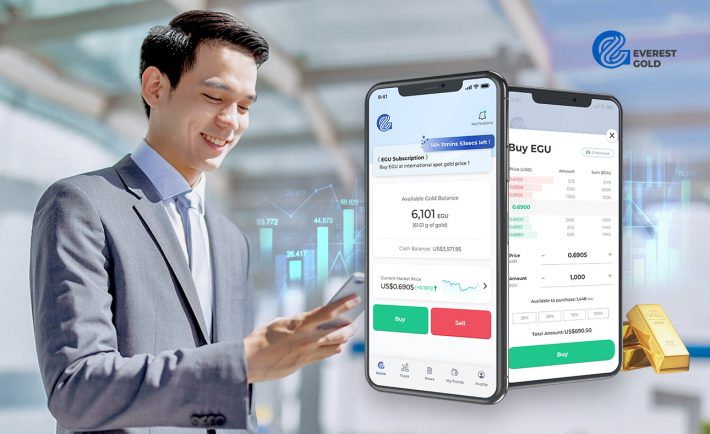
Buy and Sell Gold With Just A Few Clicks on Everest Gold

Image credits: Everest Gold

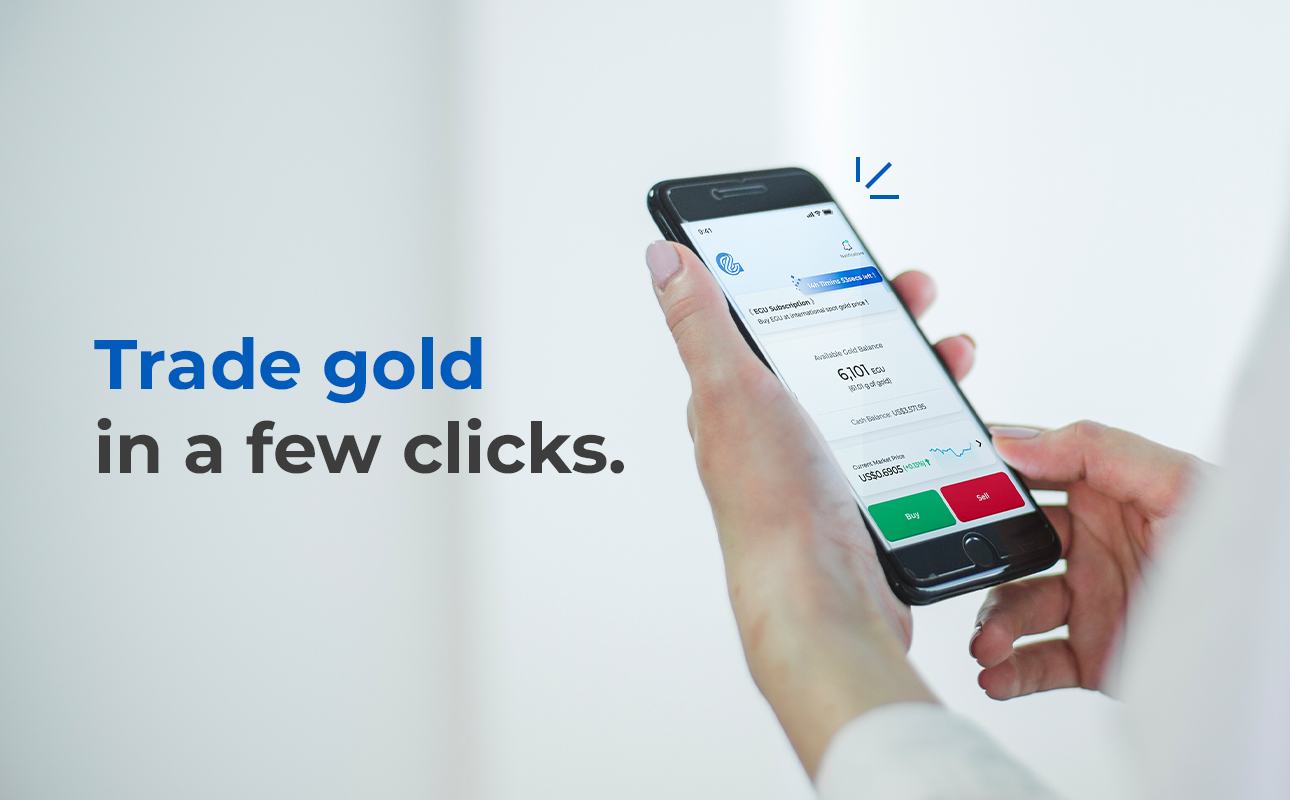
Having outlined the importance of having gold in your investment portfolio, you can actually start buying and selling gold with just a few clicks on Everest Gold app—a digital gold trading platform in Asia that is backed by 100% real gold. It is a ‘first-of-its-kind’ trading platform that allows retail investors to safely buy and sell gold online. Here are some of the advantages of trading gold on the Everest Gold platform:

  • Hassle-free trading. Trade anytime, anywhere at your convenience.
  • Highly accessible. The minimum to trade at only 0.01 gram.
  • Highly affordable. Investors enjoy fairer prices than gold traded in banks without paying high premiums.
  • Zero transaction fee. No hidden costs.

With no transaction fees payable and a higher buy-in price, you can massively improve your investment returns simply by trading gold on the Everest Gold platform today.

Moreover, test your skills at Everest Gold’s trading competitions and stand to win prizes worth a total of more than $37,000 CapitaVouchers! The next round of competition will be held on 23-29 October 2020. More information can be found here.

Everest Gold is available for download on Android, iOS and desktop.

For more information, visit www.everestgold.sg .

Everest Gold will be giving 300,000 reward points (worth S$40) for every new sign-up upon successful account verification. Reward points can be exchanged for gold during Gold Subscription Events. Enter referral code “EGGOLD” when you register for your Everest Gold account. Promotion valid till 31 October 2020.


Read More...

Advantages of Forex Trading for SMEs

The forex market is the largest and most liquid in the world, with around $5.3 trillion traded every day on average. This makes it highly attractive for individuals to begin trading in an attempt to make a good profit, yet trading forex also holds many advantages for small businesses. There is an element of risk involved, and many companies won’t want to put some of their profits on the line, yet if your businesses does and has worked out how much it can afford to trade, there are various reasons for doing so.

Flexible Ways to Profit

There are many different ways to trade on the forex market, meaning you can make a profit whether a currency is rising or falling, depending on the type of trades your business makes. With much more flexible ways to trade than other markets, such as the stock market where you can only profit if they increase in value, it provides more opportunities to be successful. As a highly volatile market it can therefore be better to place trades on the assumption of some currencies weakening.

Simplified Choice

For beginners, the forex market appeals due to its more simplified nature and lack of choice compared to others. There are around seven major currency pairs that provide a good starting place, with a lot of information, news and analysis surrounding all of them to keep you well informed when making trades. Then it is simply the decision of whether you think a currency will increase or decrease in value.

Diversified and Expanded Portfolio

Trading forex with Oanda offers the opportunity to diversify the company’s existing portfolio. All SMEs need to expand and grow to be a success, and widening forex trading capabilities is a good start. Spreading your small company’s investments into more places reduces volatility and means if something goes wrong in one area, it may hopefully be offset by successes in another.

Tax Incentives

The first 40% of profits made from forex trading are taxed at short-term capital gains rates, whether they are made in the first minute or month after you enter a trade. The remaining 60% is then taxed at long-term capital gains rates, but this is still a lot better for SMEs than other options available. There are also no commissions involved either, offering more financial advantages. Consider these points before your SME begins trading forex.

(This post is brought to you by Oanda Europe Limited.)

Read More...

New to investing? 5 tips and tricks to get you started

Investment

If you’re the sort of person who stays up at night worrying about the price of milk, or who would rather hide cash under the mattress than open an account, investing might not be for you. For the rest of us, though, the sensible, well-researched use of investing can be a way to maximise your money. If you are keen to make your money work harder and have long-term/short-term goals than need funding, it might be time to check out the IG glossary of trading terms and start making some well-informed decisions to grow your wealth.

Of course, if you’re new to world of investing it can all seem a little wild and confusing, but below are five essential tips and tricks to get you started.

  1. Do your research

While you might decide to contact a financial advisor or speak with numerous investment experts about what they think you should do with your money, ultimately it’s your decision. For this reason, it’s absolutely crucial to do your own research and ensure you know the difference between the many different kinds of investments from opening a savings account to buying stocks and shares. Whatever you do, don’t start investing without reading up on the jargon (much of which will sound complicated but is actually rather straight forward, see the glossary linked to above) and make sure you weigh up your options.

Moreover, before investing in any particular company, always do your homework so you know what you’re getting into.

  1. Think about your goals

When it comes to investing, thinking about your personal goals will help you to decide how risky you want to be with your hard-earned cash. If you have a little spare money and are willing to take a gamble in a bid to get high returns, you may decide to act on an exciting trade signal or market boom. If, however, you are looking to prepare for retirement, you might prefer to make a longer-term investment such as buying bonds or property that could bring high returns down the line. You may even decide not to put all your eggs in one basket, making numerous investments to avoid a complete gain or loss. Your investment plan should reflect your personal circumstances and outlook.

  1. Know your limits

Investing can be addictive, particularly if you get hooked on watching the fluctuating currency on the foreign exchange or are continuously being sent signals from brokers telling you now is the perfect time to act based on the current price of gold. That’s why it’s essential to have a budget. You must know exactly what you want to do with your money before you make a move and stick to the plan to avoid doing something you later regret.

  1. Keep an eye out for investment fees

If you’re an investment novice, choosing a fund manager may be the easiest option. After all they’ll help develop and manage a portfolio on your behalf and help guide you in the right direction with regards to making sensible financial decisions. That said, fund managers almost always charge more fees than an account you manage yourself and this will, of course, eat into any profits you may make. Similarly, if you’re buying individual entities such as stocks, you may be charged per order, so keep a look out for sneaky fees and try to keep your outgoings down.

  1. Consider exchange-traded funds

The markets change at such a rapid rate that, unless you have copious amounts of free time to analyse what’s happening in the business and financial world second by second, it’s probably best to consider exchange-traded funds (which follow a wide range of stock, or sometimes then entire market). As a rule, this type of investment tends to be less volatile than individual stocks as they tend to grow over the years and reduce the risk of you losing out should a singular company crash and burn.

Investing may seem like a brave new world if you’ve never done it before, but with plenty of research and guidance it can be productive – just take it slowly and don’t make any moves without having all the facts to hand.

Read More...