
Spending Less and Living More in Singapore

I once stumbled upon a small shop that sold pre-loved books and a title caught my eye. It read “Live More, Spend Less”, and it made me reflect on how people in Singapore can stretch every dollar without giving up comfort or joy. In a city where the cost of living can feel overwhelming, it becomes even more important to be conscious of how we live and what we value. Living well does not need to mean spending freely. Sometimes it means being intentional with daily choices.

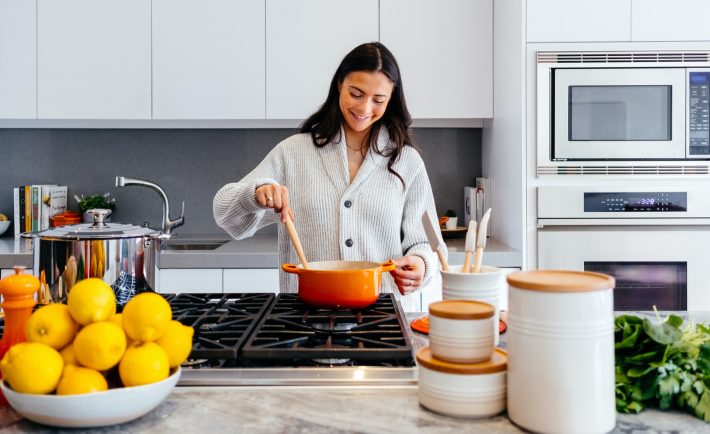
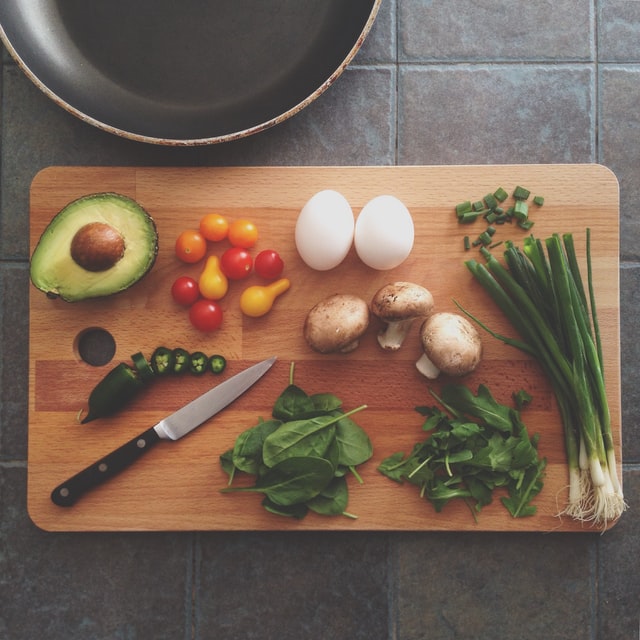
One of the most practical ways to save is by rethinking everyday habits. Cooking at home can make a big difference. If you have access to a kitchen, preparing meals in advance can cut food expenses dramatically while also giving you control over what goes into your meals. Even something as simple as drinking water from a reusable bottle can save money that often gets spent on beverages throughout the day. And of course, we are blessed with its famous hawker culture. For less than S$10, you can enjoy hearty meals and local favorites. If you want a more comfortable setting, food courts offer air conditioned spaces, although they come at a slightly higher cost.

Image Credits: unsplash.com

Living better also means spending with awareness. Tracking expenses through a simple app or spreadsheet helps reveal patterns that are easy to miss. Paying yourself first by setting aside savings before spending anything else builds financial discipline. But saving money should not mean giving up the things that make life meaningful. A thoughtful splurge on an experience with loved ones or a purchase that enhances your life is more rewarding than spending without thinking. Planning ahead also goes a long way. Booking tickets for activities through platforms like Klook or Agoda often comes with discounts that free up more room in the budget.

Furthermore, the beauty of Singapore is that you do not always need to spend to enjoy it. The city offers many free attractions that showcase what makes it unique. Walking trails at the Singapore Botanic Gardens are a refreshing escape in the middle of the city, while neighborhoods such as Little India and Chinatown offer vibrant streets filled with culture and food. A hike up Mount Faber rewards you with a sweeping view of the skyline and sea. Visit at sunset and you will be treated to one of the most beautiful sights in the city. From there, the cable car to Sentosa awaits if you choose to continue the adventure.

Image Credits: unsplash.com

Living more while spending less is not about deprivation. It is about being mindful, embracing resourcefulness, and finding joy in what already exists around us. Sometimes we just need to pause long enough to see them.
Sources: 1 & 2


Read More...

Beginner’s Guide To Cooking Your Own Meals

Nothing screams “labor of love” louder than preparing a homecooked meal for your family. Apart from showing your affection, cooking your own meals can help you save a lot of money. With the wealth of information available online, where do you begin?

KEY BENEFITS OF COOKING AT HOME

1. Cooking at home can help you save money. In most cases, cooking your own means are cheaper than eating out. There are several factors contributing to the reduced price of your meal. For starters, cooking at home enables you to opt for affordable ingredients. Moreover, you will have the power to create your own meal plans and shopping lists. Lastly, you can reheat your leftovers when you do not have time to cook.

2. Cooking at home allows you to connect with those around you. You do not have to be a distinguished chef to prepare delicious meals with your loved ones. Spend quality time together by allowing your kids decorate the desserts you have baked or by preparing a romantic dinner with your partner.

“Cooking is all about people. Food is maybe the only universal thing that really has the power to bring everyone together. No matter what culture, everywhere around the world, people eat together.” ~ Guy Fieri

3. Cooking at home encourages control in food portions, especially for people with dietary restrictions. Restaurants do not rely on your preferred food portions. They serve you plates based on their standard portions instead. To get the most out of your money, you will likely finish the entire plate. In contrast, preparing your meals allows you to be more intentional with food servings. Filling your plate with what you can finish aids in reducing waste.

4. Cooking at home enables you to choose healthier options. Fast food typically glistens with high chemical additives, sugar, sodium, and so on. Eating fast food regularly can negatively affect your weight and mood. Eat fresh and wholesome meals by making your own food. Eating healthy meals can make you feel energized on the inside and out.

TIPS ON GETTING STARTED

1. Ask a friend to teach you the basics. Do you know someone who is kitchen savvy? Perhaps, he or she can teach you some of the cooking basics (e.g., steam, fry, and sauté). You can even invite your closest friends for a private “cooking tutorial” via Skype or Zoom.

2. Learn from a local cooking class. Many affordable culinary programs are offered at CCs islandwide. The prices of these classes start from S$16.66. Choose wisely as some of these classes are merely demonstrations with food tasting. Check out the class descriptions and book a slot in the OnePA portal.

3. Keep things simple! Start with the easy recipes and work your way from there. Learn how to sauté veggies, boil egg, and steam chicken. Add herbs, spices, or your secret sauce. Look for quick and tasty dishes online.

4. Give yourself a room for improvement. It is alright to burn the rice or overcook the noodles in your first cooking sessions. After several attempts, things will get easier and tastier. Continue practicing at home.

Image Credits: unsplash.com

As time passes, cooking will no longer become a chore. Do not give up!

Sources: 1 & 2

Read More...