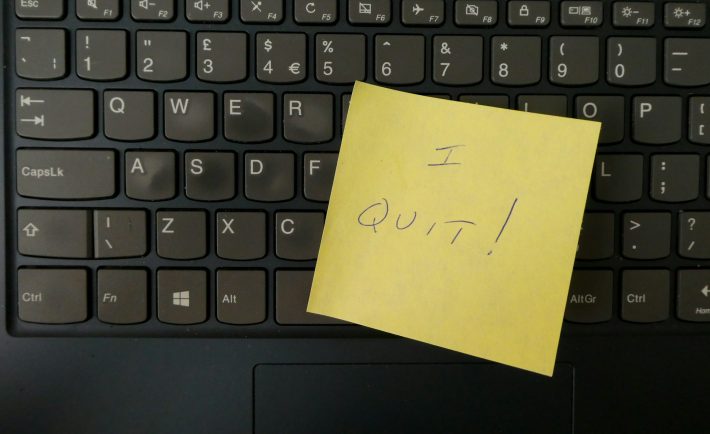
Financial Resilience After Job Loss in Singapore

Few sentences hit harder than “I got retrenched.” In Singapore’s costly and fast-paced economy, losing a steady paycheck can feel as if the ground has shifted beneath you. Yet, with the right strategy, what initially feels like a crisis can become a powerful opportunity for growth and resilience.

Recent trends in the labor market reflect this growing pressure. According to data from the Ministry of Manpower, the seasonally adjusted unemployment rate rose from 1.9 percent in the fourth quarter of 2024 to 2.1 percent in the first quarter of 2025. While this increase may appear modest, it underscores the rising vulnerability in sectors undergoing restructuring, such as technology and finance.

At the same time, the cost of living remains a significant concern. SingStat’s latest Household Expenditure Survey shows that the average household in Singapore spends approximately S$4,906 per month. This level of spending highlights how quickly financial strain can follow a job loss, particularly if emergency savings are limited.

To help ease this burden, government support mechanisms are in place. The SkillsFuture Jobseeker Support scheme offers up to S$6,000 over six months to eligible Singaporeans aged 21 and above who were involuntarily unemployed and earned no more than S$5,000 monthly. To qualify, applicants must have worked at least six of the past twelve months and demonstrate active participation in job search or training activities. This temporary assistance provides a crucial financial cushion during periods of transition.

With that support in place, budgeting becomes the next priority. A clear financial plan (i.e., one that tracks recurring expenses, eliminates unnecessary fees, and uses digital tools like budgeting apps or calendar alerts) can prevent small leaks from draining your savings. Staying organized is more than a habit; it is a way to regain control when the future feels uncertain.

Equally important is tapping into your existing network. In Singapore’s close-knit professional landscape, many opportunities arise not from job listings but from personal connections. LinkedIn reports that nearly 80 percent of professionals in Asia found jobs through referrals. Reconnecting with former colleagues, mentors, and online communities can open doors that might otherwise remain closed.

At the same time, managing debt requires thoughtful attention. With credit card interest rates averaging over 25 percent, even small unpaid balances can escalate quickly. Fortunately, banks such as DBS, UOB, and OCBC continue to provide relief measures like loan restructuring and repayment extensions, in line with guidance from the Monetary Authority of Singapore. Exploring these options can help preserve cash flow without compromising long-term financial health.

Looking ahead, Singapore continues to invest in workforce resilience. Budget 2024 allocated S$1.9 billion toward cost-of-living relief and skill development, with programs like the SkillsFuture Level-Up Programme offering additional support for mid-career workers. This means that those who lose their jobs today can also build new skills for tomorrow, positioning themselves for stronger re-entry into the workforce.

Image Credits: unsplash.com

Retrenchment is undeniably a setback, but it is not the end. Recovery is not only possible…it is likely. With discipline, resourcefulness, and the right tools, this chapter can mark the beginning of something even more secure, more resilient, and more aligned with long-term financial goals.


Sources: 1,2, 3, 4 & 5

Read More...

How to Maximize Your 2026 Long Weekends

Get ready to mark your calendars because 2026 is shaping up to be a good year for long weekends in Singapore. With 11 public holidays on the official calendar and 6 of them falling on either a Friday or Sunday, there’s no better time to start planning your leave days strategically.

Three public holidays land on a Friday, automatically giving you a three-day weekend:

a. Good Friday (Apr 3)

b. Labour Day (May 1)

c. Christmas Day (Dec 25)

Another three fall on a Sunday, which means the following Monday will be a public holiday:

c. Vesak Day (May 31) – Mon, Jun 1 off

b. National Day (Aug 9) – Mon, Aug 10 off

c. Deepavali (Nov 8) – Mon, Nov 9 off

That’s 6 long weekends to look forward to, and that’s not even counting the possibility of extending your break with just one or two leave days in between. Think staycations, regional travel, or simply recharging at home.

WHAT IF YOU HAVE TO WORK ON A PUBLIC HOLIDAY?

For those in essential services or industries that never sleep, the Ministry of Manpower (MOM) has clear guidelines. Employees required to work on a public holiday are entitled to an extra day’s salary at their basic rate, on top of their usual pay.

Alternatively, employers and employees can mutually agree to swap the public holiday for another working day. Time-off-in-lieu is also an option, but this only applies to certain employees including:

a. Workmen earning more than S$4,500 per month

b. Non-workmen earning more than S$2,600 per month

c. All managers and executives

Image Credits: unsplash.com

TIME TO PLAN AHEAD

Whether you’re dreaming of a beach getaway, aiming to reconnect with loved ones, or simply resting at home, 2026’s long weekends give you the perfect excuse.

So get that calendar out and plan around those golden dates. A little foresight now could mean a lot more freedom and fun later.

Sources: 1 & 2

Read More...

7 Sanity Saving Habits for Busy Workweeks

In Singapore’s fast paced work life where MRT rides are used to clear emails and coffee breaks barely last ten minutes, it’s easy to forget one important thing: mental health isn’t a luxury, but a necessity.

Modern workplaces are increasingly recognizing that psychological well-being is just as important as physical safety. After all, a healthy mind is not just good for the individual, it is good for business. Productivity dips, absenteeism increases, and morale suffers when stress levels rise.

On that note, the following are seven powerful ways to protect your sanity when the workweek starts to feel overwhelming.

#1: LISTEN TO YOUR BODY

Your body often knows you are burning out before your brain catches on. Pay attention to physical cues. They could be warning signs of stress.

Ask yourself these:

a. Are you tossing and turning at night?

b. Feeling exhausted by midday despite a full night’s rest?

c. Noticing sudden changes in appetite or digestion?

d. Finding it hard to concentrate or stay focused?

e. Reaching for more caffeine, alcohol, or cigarettes than usual?

These are not just random changes. They are your body’s way of asking for help. Start by noticing these patterns. You could even use a journal or a mental health tracking app to gain more clarity. Awareness is the first step toward regaining control.

#2: TAKE 10 MINUTES OF MINDFULNESS

If your mind feels like a browser with too many tabs open, meditation can help you reset.

Research shows that mindfulness can reduce stress, improve focus, enhance emotional regulation, and even help you sleep better. Just 10 to 15 minutes a day can make a meaningful difference.

Morning is ideal because it is often the only time you can fully control. But any time that works for you is good. The key is consistency, not the hour of the day.

#3: CONNECT WITH YOUR SOCIAL CIRCLE

Humans are wired for connection. Having strong and meaningful relationships helps buffer against stress.

Image Credits: unsplash.com

Make time to reach out, even if it is just a quick message or a short coffee meetup. You can also join group activities like fitness classes, volunteering, or weekend walks to stay engaged. A laugh with a friend can sometimes be the best therapy.

#4: TALK ABOUT HOW YOU FEEL

Bottling up emotions is like shaking a soda can. Eventually, it bursts.

Talking about your feelings is not a sign of weakness. It is a step toward emotional strength and clarity. Opening up can help lighten the emotional load.

#5: CHALLENGE NEGATIVE THOUGHTS

Long term stress can distort how you see things. You may start jumping to conclusions or assuming the worst in every situation.

For example, if your manager walks past without greeting you, you might think, “They are upset with me.” Before reacting, take a step back.

Instead of assuming the worst, observe your thoughts and ask if there might be another explanation. Practicing this can help you stay calm and balanced when emotions run high.

#6: AVOID OFFICE GOSSIP

Workplace drama can quietly drain your emotional energy. Getting involved in gossip not only fuels conflict, it adds unnecessary stress to your day.

If a coworker often pulls you into drama, gently change the topic or excuse yourself from the conversation. Protecting your peace sometimes means stepping away from those who disrupt it.

#7: ASK FOR HELP WHEN NEEDED

You are not expected to handle everything on your own. No one is.

If you are feeling overwhelmed, reach out. Some companies in Singapore offer Employee Assistance Programs, confidential counseling, or mental wellness resources. These services are private, free of judgment, and there for your benefit. You can also speak with your HR team or manager for support options.

IN A NUTSHELL

In the midst of chasing deadlines and hitting targets, remember this: you matter.

Image Credits: unsplash.com

Taking care of your mental health is not selfish. It is a smart investment in your long term well-being, relationships, and career. So next time the workweek feels like too much, turn to these tips.

Sources: 1,2, & 3

Read More...

Gracious Exit: How to Quit Your Job Professionally

It’s been over a decade since I submitted my first resignation letter, and I’ve written a few more since then. As I transitioned between roles and even shifted careers, one lesson became clear: how you leave a job matters just as much as how you start one.

Maintaining a good relationship with former colleagues and employers can open doors down the line. Whether you’re seeking references, networking, or even returning to a company in the future, your professional relationships can have a lasting impact. So how do you quit gracefully, without creating rifts or awkward goodbyes? Consider this practical guide to leaving on a positive note.

#1: HAVE A FACE-TO-FACE CONVERSATION

If possible, request a meeting with your manager to share the news directly. A personal conversation, whether in the office or via video call if you’re remote, shows respect and professionalism. It gives both of you a chance to talk openly about your departure and ensure a smooth transition.

If you already have a timeline in mind, schedule the meeting at least two to four weeks before your intended last day to give your team ample time to prepare.

#2: BE CLEAR & HONEST

Start the conversation by clearly stating your decision to resign. Don’t beat around the bush. Your manager will appreciate your directness.

You don’t have to share every detail behind your decision, but it’s helpful to offer a general reason. For example, you might be pursuing a new opportunity or changing career paths. Emphasize what you’ve learned in your current role and how it’s helped shape your next steps.

#3: RESPECT THE NOTICE PERIOD

Check your employment contract for your required notice period. Usually, it is two weeks, though some roles may ask for a month.

Clearly state your intended last day in both the conversation and your written resignation letter. Providing adequate notice gives your employer time to plan for your departure and shows your professionalism.

#4: OFFER TO HELP

Once you’ve shared your plans, show that you’re committed to a smooth exit. Offer to help train your replacement, document processes, or wrap up any outstanding projects.

Image Credits: unsplash.com

If you’re unable to complete certain tasks before you leave, outline the next steps and key contacts so your team isn’t left guessing.

#5: EXPRESS GRATITUDE

Before you walk away, take time to thank your manager and team for the opportunity and experience. Reflect on the highlights. These could include a meaningful project, strong mentorship, or skills you developed along the way.

Ending on a grateful note reinforces goodwill and helps ensure your last impression is a positive one.

#6: SEND A FORMAL RESIGNATION

After your conversation, send a formal resignation letter to your manager and HR. This letter should confirm your intention to resign, your last working day, and your commitment to fulfilling your notice period. Keep it concise, polite, and professional.

#7: PREPARE FOR QUESTIONS/EXIT INTERVIEW

Your manager may have follow-up questions about your departure, especially if it’s unexpected. Be honest yet tactful in your responses.

If your company conducts exit interviews, participate in good faith. These are often used to gather feedback and improve the workplace for others. Your constructive input could make a difference.

#8: TRUST YOURSELF

Quitting can be nerve-wracking, especially when you value your team or fear the unknown. But remember, growth often starts with discomfort. This decision likely stems from your desire to challenge yourself, learn more, or reach a new milestone in your career.

Image Credits: unsplash.com

Friendly reminder: take pride in the courage it took to make this move. Lean into your growth mindset and trust that you’re stepping into something better, even if it feels uncertain now. With the right approach, you’ll leave behind not just a job but a strong, respectful connection.

Sources: 1 & 2

Read More...

Why Perseverance Matters in Your Career & Life

Giving up? It’s tempting. Trust me, nobody’s immune. Failure stings! Although we know setbacks happen to everyone, when it hits us, it still feels like a shock.

We hear “never give up” everywhere, from motivational talks to social media quotes, but it’s more than just a cliché. In today’s fast-paced world, especially in Singapore’s competitive work culture, this mindset is crucial. Because success? It rarely happens overnight. It’s a marathon, not a sprint.

Take it from me. I started chasing my MA degree back in 2021. What a rollercoaster. I didn’t just breeze through it. I actually failed my thesis the first time. Ouch. But quitting? Not an option. I realized that if I wanted better results, I had to push harder, learn from mistakes, and keep going. Failure is part of the journey, not the end. No matter how talented or hardworking you are, setbacks will come. What defines you is how you bounce back. The folks who keep trying, even when the going gets tough, are the ones who eventually win.

And you don’t have to do it alone. For me, my husband and family’s support made all the difference during those late-night study sessions. If you’re chasing a tough goal, find someone who shares your passion because it helps keep you going when motivation dips.

Image Credits: unsplash.com

Need some practical tips to keep your perseverance on point? Try these:

1. Dedicate a fixed amount of time every day to work on your goal, whether it’s studying, practicing, or hustling. Consistency is king.

2. Think of people who inspire you. Their stories can fuel your own drive.

3. Treat yourself. Reward your persistence with something simple, like your favorite ice cream or a Netflix episode.

4. Create a vision board. Put up images or quotes representing your dream where you see them daily. It keeps your eyes on the prize.

5. To keep you inspired, here are some timeless quotes to carry with you:

“Courage doesn’t always roar. Sometimes courage is the quiet voice at the end of the day saying I will try again tomorrow.”
Mary Anne Radmacher

“It’s not that I’m so smart, it’s just that I stay with problems longer.”
Albert Einstein

“Ask yourself this question: Will this matter a year from now?”
Richard Carlson

“Success is the sum of small efforts, repeated day in and day out.”
Robert Collier

“It does not matter how slowly you go so long as you do not stop.”
Confucius

“Never confuse a single defeat with a final defeat.”
F. Scott Fitzgerald

So, the next time you’re ready to throw in the towel, remember, the difference between where you are and where you want to be is often just one more try.

Sources: 1,2, & 3

Read More...