Why I Failed At Budgeting

Making New Year’s Resolution is synonymous to crafting a new budget plan. Creating these two signifies an act of self-improvement. However, no plan is entirely foolproof!

These are just some of the reasons why I previously failed at budgeting:

I FOCUSED HEAVILY ON THE PRICE

Before purchasing a new laptop for work, I inspected some of the contenders from the well-known brands. My new laptop must not only fit my physical preferences, but also my financial limit of up to S$1,000. I searched vigilantly through the store and found a 14-inch HP laptop as well as a 14-inch Dell laptop. These two devices have the same processors and operating system. However, the main memory of the former is 8GB and the latter is 4GB. An important fact is that only the Dell laptop was within my budget.

Which one did I chose? The one with better specifications. Although it retailed for S$1,099, I still taught that it was a smarter investment.

According to a 2012 study published in the pages of the “Journal of Marketing Research”, people fail to follow their budget because they are more likely to spend more than they planned. You must not always beam too much focus on the price. Instead, compare the value (e.g., which has laptop optimal screen size and RAM) of what you are getting before committing to a sale.

MY BUDGET WAS TOO STRICT

Upon getting my first full-time job, I started to restrict myself. My goal was to make enough money to save up for my graduate studies and to help my parents in the household expenses. I did so. I gave about 10% of my salary to my parents and 50% would go to my savings account. I removed my trips to the spa and the cinema. A hefty savings greeted me at the end of every month. But, I felt burnout as there was no room for pleasure. This is when my budget failed me.

To turn things around, I started to make money on the side. I became a blogger that solicits money for endorsements. Eliminating unnecessary expenses is a good idea, but you must reward yourself (from time to time).

I FELT EXHAUSTED WHILE TRACKING MY SPENDING

You need discipline to track your own spending. I realized this firsthand. I used to compile all my receipts and banks statements. But, it got too exhausting! I started with a willpower to succeed until the constant vigilance took a toll on me.

A study supports my statement as it was found that self-control and intelligent decision making involves one’s energy supply. Once this energy runs out, you are more likely to go on a spree.

Image Credits: pixabay.com

Image Credits: pixabay.com

Get things by following thru your plan. Practice is the key! Improved decision making and control will become second nature to you as time passes.


Sources: 1, 2, & 3

Read More...

How To Get Your Finances In Order After Bankruptcy

While experiencing bankruptcy is tragic and bouncing back is challenging, there are some strategies to get your monetary train on track.

1. COMMIT TO CHANGE

You are feeling isolated and helpless due to the recent loss of your assets, bank accounts, and primary source of income. Declaring bankruptcy can shake one’s confidence in many ways. However, you need to be reminded about the brighter things ahead. Is there any place to go to than up? The best thing that you can do now is to pick up the pieces and put them back together.

The first step is to make a strong commitment. Change your financial habits and be ready to perpetually follow through a plan.

2. ANALYZE THE CIRCUMSTANCE

You must analyze the overall financial circumstance that you are in, especially the events that led up to your downfall. Figure out the financial mistakes you made in the past and avoid repeating it in the future.

I have to admit that some setbacks are due to factors that are beyond your control (e.g., layoffs due to recession). While others are due to poor financial decisions. For instance, you became addicted to retail therapy and exhausted all your income on designer goods. You skipped out on emergency fund in favor of your fashion sprees. This is why you must come up with a plan to dig yourself out of the financial trap.

Image Credits: pixabay.com

Image Credits: pixabay.com

3. FIX YOUR BUDGET

A new budget will help you rebuild your wealth by placing some constraints on your spending. Treat this as a map that will guide you to your financial goals. Now, let us start with the income. It is most likely that you are left with a single source of income that pays a minimum amount. Search for other part-time jobs or additional streams of income that can aid your journey. Face the uphill battle with a realistic budget.

Find ways to ensure that you are spending less than you are earning. I know it is not easy at first but, you have to endure the tides. Cut the unnecessary spending that you can spot in your previous budget. Rather than purchasing a smaller flat, ask your friends or family if you can crash their homes and pay a “rent” for the meantime. Lastly, sell your mint condition items to earn more money on the side.

4. PAY OUTSTANDING DEBTS

Contrary to popular belief, bankruptcy will not dissolve all your debts. You are not entirely safe yet! Although many of your unsecured debts were discharged, other forms of debts may still be on hold. This includes child support and student debt.

This is why you must gather and organize your financial documents. Determine all your obligations and list them down. Then, figure out various arrangements to pay off each one.

5. KEEP THE FAITH

The graceful bamboo stands firm in a beautiful sunny day. But, it is not always sunshine and rainbows. As strong winds gush through the forest, the graceful bamboo sways with the breeze. Be pliant like a bamboo. Embrace the strong winds of life much like this graceful creature does!

Image Credits: pixabay.com

Image Credits: pixabay.com

No plan is entirely perfect and roadblocks are inevitable. Do your hardest to rebound from every setback and reverse the financial situation. The worst thing that you can do right now is to give up!

Sources: 1 & 2

Read More...

Why Budgeting Is Beneficial To Your Financial Health

Budgeting is a quantitative plan to manage your money. It has various benefits such as tracking your cash flow, controlling your expenses, and reaching your goals!

Be motivated to start budgeting by reading through its financial advantages:

1. TRACKS YOUR CASH FLOW

With budgeting, you can easily track how much you are earning and how much you are spending. It prevents you from wondering where your cash actually goes. Being aware of your cash flow enables you to know what you can realistically afford. With this purchasing power comes great responsibility, which is why you must aligh your cash flow to your financial goals.

2. HELPS REACH YOUR GOALS

A friend of mine was at a Tokyo flea market and she saw this beautiful Beige suede boots and tried it on. Her husband warned her that she probably would not wear it because she always goes for comfortable ballerina flats. She did not listen! She ended up donating the underused boots. This unnecessary item is an example of a purchase that is not in-lined with one’s financial goals.

If you are disorganized with your finances, there is tendency for you to spend your cash on unnecessary products and services. Budgeting helps you to reach and focus on your financial goals. It works especially if you have limited resources or live from paycheck to paycheck.

3. CONTROLS YOUR EXPENSES

When your budget is working efficiently, you are able to recognize how much you are spending in a month or a week. It requires you to refer to your existing bank statements and outgoings. This means that you will be able to see whether there are some expenses that need to be altered.

If you need to cut down on your spending, you can create a proper budget to make this financial activity easier.

4. IDENTIFIES POTENTIAL ISSUES

Aside from identifying the unnecessary expenses that you need to reduce or eliminate, budgeting enables you to identify the potential problems that can affect your financial health. Budgeting gives you the “bird’s eye view” of your current situation and enables you to make adjustments before issues appear.

5. ALLOWS YOU TO SAVE EXTRA MONEY

Budgeting goes beyond helping you with identifying and eliminating non-essential spending as it prevents you from penalties or late fees. By organizing your finances and allocating budget before the bill arrives, you are able pay your commitments on time. This will create more room for savings.

Not to mention, budgeting opens opportunities for investment. Passive income may grow your wealth even more.

Image Credits: pixabay.com

Image Credits: pixabay.com

Despite all these benefits, budgeting has one huge drawback. It needs conscious effort for it to work! Are you ready to commit to a healthier financial life?

Sources: 1,2, & 3

Read More...

Brilliant Ways To Simplify Your Finances

1. UNTANGLE YOUR STREAMS OF INCOME

If you are juggling through your day job, online business, personal blog, and weekend side-job…take a breather!

Multiple sources of income sounds great in theory but it can be very challenging at times. I can attest to this statement as I am freelancer. When new opportunities are handed to you, analyze if you (and your schedule) can handle another weight. You do not want to waste your precious time on things that are not necessary.

2. ALLOT MONEY USING LAST MONTH’S INCOME

Budgeting your money is efficient for two reasons. It brings you a sufficient cushion as you are a month ahead of your bills. Also, it is very helpful for people with irregular income.

Image Credits: wikihow.com/Do-Envelope-Budgeting

Image Credits: wikihow.com/Do-Envelope-Budgeting

3. CUT DOWN YOUR BANK ACCOUNTS

In a world filled with choices, most people have several number of financial accounts. You may have an account that brings highest interest or another that brings the highest shopping rebates. More than being complicated, the constant shuffling between these accounts can get messy. This is why you must narrow down the number of your accounts.

4. REDUCE YOUR JUNK

Reduce your physical and virtual junk authorizing creditors or vendors to issue bills using one method. If you want to go paperless, keep digital copies of your important documents on the “cloud” or on an external hard drive. If you are old-fashioned, organize all your documents in labeled folders or boxes.

5. SET SMART FINANCIAL GOALS

Develop a habit of financial goal setting to know where you are going and to plan how you can get there. Write down your financial goals with a trusted witness and contemplate the monetary milestone you would like to accomplish in the next 2 to 5 years. Track down your monthly progress.

6. CONSOLIDATE YOUR BILLS

Are you tired of receiving 3 separate bills for your landline, hand phone, and internet services? Consider consolidating all of them in a single bill by signing on bundled services. For example, Singtel’s Fibre Home Bundle (1 Gbps) offers the following:

a. Fibre Broadband,
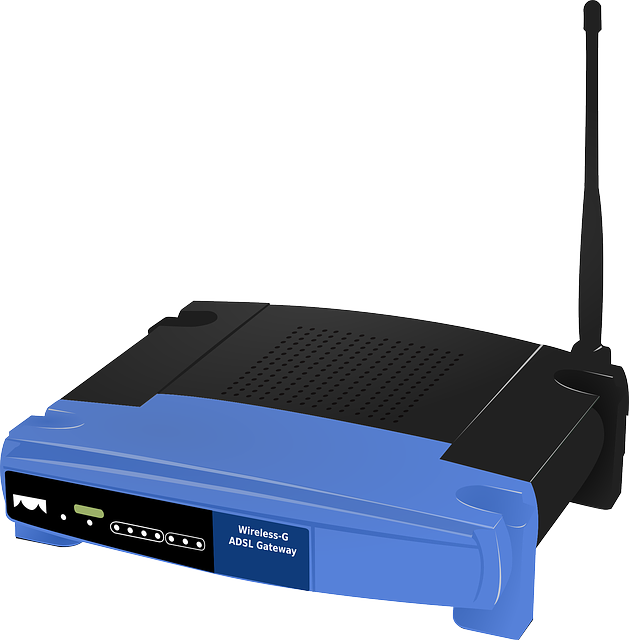
b. Wireless Dual-band Router
c. 4G Mobile Broadband Plan, and
d. Home Digital Line with free unlimited local calls.

This plan costs S$59.90/month with a contract of 2 years. What is nice about this plan is that it offers an additional “10% off monthly Mobile subscription” (T&C apply).

Image Credits: pixabay.com

Image Credits: pixabay.com

By bundling these services together, you just eliminated 2 monthly bills!

Sources: 1, 2, & 3

Read More...

Stop Worrying About Making Ends Meet, Know Where Your Money Goes

Living barely within your income is not a laughing matter! When you are living from paycheck to paycheck, your life is filled with constant stress, worry, and dread. It is a struggle to gain control of your money and your commitments.

How did you end up like this?

For starters, you not be planning for your future and only thinking about the current situation. With this attitude, do not be surprised if you will be working beyond the retirement age! Another reason maybe due to your history of overspending. Perhaps you were spending too much before that you fell into an avalanche of debt and can never move pass it.

In order to cease your worries, a huge turnover can be money flow management. You must give conscious effort to know about where your money flows in and out. Once you have control over your money flow. Then, you will be able to create a systematic financial operating system that consists of: money flow management and budgeting.

Start by identifying your fixed expenses (essentials), variable expenses (non-essentials), and savings (investments) first. Organize these items in a physical ledger or a budgeting App such as EXPENSIFY, MONEYWISE, POCKET EXPENSE PERSONAL FINANCE, and MINT.

Allocating your money to fixed expenses shall be your top priority. Fixed expenses include the goods and services that you cannot live without. Your rent, utility bills, school fees, and transportation costs fall under this category. Since our spending habits and personal needs are different, you must include the categories that are relevant to you. For example, a hand phone is a necessary means of communication. However, the type of hand phone that you bought makes all the difference.

Do you really need the latest Smartphone released by Apple when your current hand phone is working just fine? If you are purchasing it for vanity’s sake then it becomes a non-essential.

Non-essentials or variable expenses include the goods and services that do not compromise your survival. This category includes your clubbing costs, shopping sprees, and overseas vacations. Always save your non-essentials fund for last to prevent becoming broke.

The last category is your savings. Your savings not only protect you from unwanted events but it also prepares you for the future. It includes your investments in stocks, bonds, properties, or mutual funds (items that generate profit). Once your done with your fixed expenses, come up with a well-thought-off amount for your savings that you can consistently maintain.

Some people believe that purchasing a car is considered as investment but in respect to the categories of the “money flow management”, it is not. You see, every time you drive your new vehicle, its value depreciates. It is more of an asset that can sometimes be used as a collateral when you take out a loan.

Image Credits: www.pixabay.com

Image Credits: www.pixabay.com

Always ensure that pay your bills on time, otherwise it will defeat the purpose of the above system. With a smart way of prioritizing your expenses and budgeting your money, you will find yourself in a more stable position in no time!

Read More...