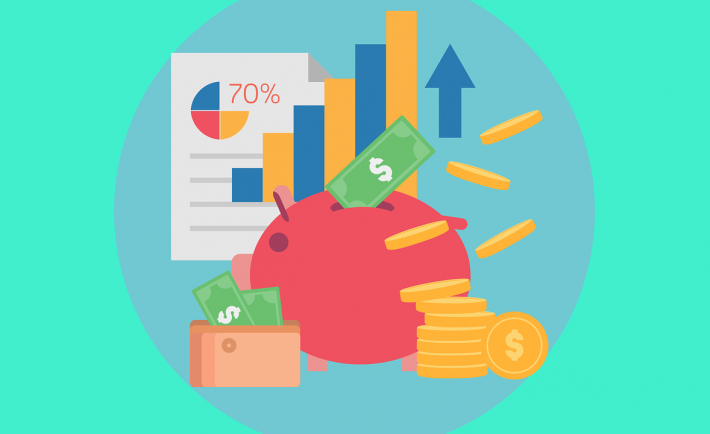
Creating A Budget During Extraordinary Times

With non-essential establishments on closure and the economic crisis we are under, how can you employ a system to arrange your cash-flow better? The answer is strict BUDGETING.

A budget estimates your revenue and expenses over a period of time. By listing your sources of income beside your monthly expenditures, you will get an idea on where your money goes. This way, you can make smart financial choices and prioritize your obligations to reach your financial goals.

Creating a budget for the first time is like learning how to ride a bike. At first you are scared to ride the bike without training wheels. Eventually, you will be able to ride a bike on your own without qualms. Although you know cycling is healthy for you, you cannot just ride and go! You must learn about the basics of coordination and road safety. Creating a budget during a pandemic involves steps too. Here are the vital steps to create a working budget:

1. COLLECT YOUR DATA

Gather all the previous salary invoices, credit card statements, utility bills, bank statements, and receipts. Estimate how much you make and spend each month by using these necessary resources. Take note of the changes in the expenses due to the Circuit Breaker (CB) period and allow yourself to incorporate Government allowances too.

Start your budget by calculating your revenue since the CB. Add all your sources of income both from your part-time and full-time jobs (if any). Use your minimum monthly wage as a basis for your budget.

2. SET YOUR GOALS

Set S.M.A.R.T. goals and examine how you will be able to achieve each one. This acronym stands for Specific, Measurable, Attainable, Realistic, and Timely. I want to highlight that you must not make unrealistic and unattainable goals at this time. After satisfying S-R goals, you must budget according to your time-frame. List all your financial goals and divide them into short-term and long-term goals.

For goals to be specific and measurable, you must quantify what you want. For example, your goal is to increase the number of clients that will view your website. You may allot money to Facebook promotion or to hire a freelancer that will create your web design. I suggest that you focus on Marketing as it is more feasible given the limited physical movements that you can make during CB.

3. IDENTIFY YOUR FIXED EXPENSES

For many of us, lessors have postponed the payment of the April rent. You can only imagine the increase in your utility bills as you are mainly staying at home. These essential expenditures are called fixed expenses. Come May, you are looking at a wider range of fixed expenses.

Fixed expenses include rent, utility bill, and insurance. As they are stable each month, allocate a portion of your income to this category first.

4. ALLOT MONEY FOR EMERGENCIES

There should always be a budget for savings, especially for your emergency fund. Savings are your gateway to long-term financial goals and your safeguard against unforeseen events such as COVID-19. Set aside at a certain percentage of your revenue each month to help build a nice nest for your future. I personally recommend at least 10% but you have to give a percentage that you can maintain for the months to come.

5. USE A CLEAR SYSTEM

Help yourself navigate through the waves of budgeting by keeping a money journal or by downloading a digital budgeting tool. Supplement your budget with a calculator that enables you to know your cash-flow. It is called the Budget Calculator.

Then, download free apps that enable you to track your spending. Some of these apps are Mint and Spendee.
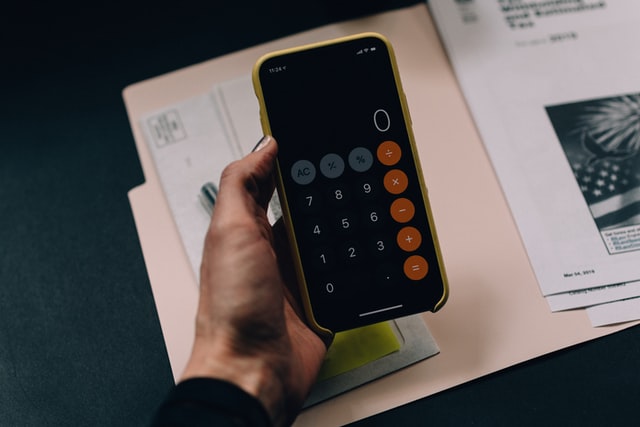
Image Credits: unsplash.com

No one knows how long this pandemic will last. Hence, you must be frugal with your expenses and eliminate unnecessary luxuries. Moreover, you may look for other ways to expand your income!


Read More...

How To Budget Your Money Through Tough Times

Let us admit it! One of the biggest challenges that governments are facing right now is how to allocate their budget efficiently in order to fight the COVID-19. While some countries have pledged money to developing testing kits, some have spent money for community disinfecting drones.

The measures that need to be taken in order to stop the spread of the virus such as closing offices and schools or shutting down factories and airlines can lead to some companies going out of business.

Fortunately, Singapore set aside 5.6 billion Singapore dollars in the coming year financial year (April 2020 to March 2021) to help businesses and households tide through the ongoing coronavirus outbreak. This is according to the Minister of Finance, Mr. Heng Swee Keat.

For individuals, this tough situation is what Emergency Funds are for! Budgeting your spending can help you find a balance between spending and saving money throughout this period.

CONTROL YOUR SPENDING

The rise of credit cards and online banking apps paved the way for better shopping experiences. The extent to which we fall trap to these temptations boils down to our willpower. During these times of scarcity, you need to focus on the things you want rather than what you need. It is easier said than done as self-control is like a muscle that gets strained due to overuse.

It is the willpower of those who face repeated difficult financial situations that tends to deplete the most. Hence, it is important to seek the help of someone who cares. Seek professional advise, if necessary.

PLAN YOUR MEALS

One of the easiest ways to control your spending is to plan ahead. Meal planning can help you stay within the budget and control your visits to the grocery. For those who are practicing social distancing and are opting to stay at home, a meal plan is your best-friend!

If you know what you are going to consume for a week or a month and have shopped accordingly, there will be no need for extra store visits that will lead to more spending and more food wastage. Allot a specific portion of your budget for weekly meal plans.

PRIORITIZE YOUR SPENDING

Each of your expenses should be placed in appropriate budget categories such as food, toiletries, and utilities. When faced with a decision to see what gets paid this month and what gets the least portion of the budget, it is important to prioritize. Essentials go up the ladder! These are followed by your creditors and your non-essentials.

You need to accept the situation you are in. Expenses that are core to your survival should be prioritized. The rest can wait.

CUT DOWN YOUR SPENDING

One of the major things you can do to help yourself and your budget during these tough times is to figure out what you are currently spending on and what you can live without. Whether you are cutting down your monthly cable bill or reducing your trips to Starbucks, there are various ways to reduce your expenses. I am referring to little unnecessary expenses that tend to pile up.

It is best to know where your money goes. If you are using a debit card, keep track of the payments. If you are using cash, keep the receipts and review them. Watch out where your money goes and adjust accordingly.

STAY POSITIVE

In times like this, all we can do is to hope for a better future. Staying positive can help lift your mood throughout a bad situation. As bills come in and your debt continues to increase, keeping a positive mindset with a strategic plan can help you.

Image Credits: unsplash.com

Remember that what you are going through is temporary and will not last forever. We can get through the setbacks brought by COVID-19!

Sources: 1 & 2

Read More...

10 Greatest Songs Ever Written Surrounding Money

Many musicians did not start out with huge paychecks, lavish cars, and bling on their necks. They have gone through the tribulations of life and paid their dues. Believe it or not, some of the greatest songs ever written surround interesting perspectives about money. Moreover, you can apply these songs to your own finances. This is when art imitates life.

So, sit back and relax. Turn your speakers on and immerse yourself in the “10 Greatest Songs Ever Written About Money”!

ABBA: “MONEY, MONEY, MONEY”

“I work all night, I work all day to pay the bills I have to pay. Ain’t it sad. And still there never seems to be a single penny left for me.”

It is troubling to listen to someone go through this situation. If you are living off from paycheck to paycheck, it is time to take a closer look at your finances. Are you saving a portion of your money for yourself? Consider asking for a pay raise or reducing your expenses to avoid letting your bills take up all of your wages.

BARRETT STRONG: MONEY (THAT’S WHAT I WANT)

“Money don’t get everything it’s true. What it don’t get. I can’t use.”

It goes without saying that this is one of the famous money songs out there. It is a classic and rightly so! The first lyric is “the best things in life are free”. I agree! Money cannot buy everything such as lasting relationships and happiness. It is all about striking a balance between your financial goals and your personal life.

THE NOTORIOUS B.I.G.: MO’ MONEY, MO’ PROBLEMS

“It’s like the more money we come across, the more problems we see.”

As I said, money cannot buy everything. Getting richer will not necessarily enrich your life. Money can become an instrument to reaching your financial goals. However, it is up to you to use it responsibly in order to help yourself and others around you. Remember that it is easy to be blinded by power and greed.

DESTINY’S CHILD: INDEPENDENT WOMEN

“All the women who independent, throw your hands up at me! All the honeys who makin’ money, throw your hands up at me.”

The late 90s and early 2000s brought-forth the age of women empowerment through girl bands such as Destiny’s Child and Spice Girls. This song is all about financial independence and not relying on someone else to succeed. You can relate this message to Singaporeans of all genders and all ages.

THE BEATLES: CAN’T BUY ME LOVE

“I may not have a lot to give, but what I got I’ll give to you. I don’t care too much for money, money can’t buy me love.”

The Beatles are iconic for fusing important experiences and fantastic tunes. This song is a good reminder that you are not defined by how much you make. No matter how much you earn or how much you strive to earn, always remember the important things in life. Prioritize your “own currencies” and work towards these.

Image Credits: pixabay.com

PITBULL FEAT. NE-YO: TIME OF OUR LIVES

“I know my rent was gon’ be late about a week ago. I worked my ass off, but I still can’t pay it though. But I got just enough to get off in this club.”

Yes! It is tempting to give in to the YOLO movement. However, you must be realistic. If your finances are suffering due to your entertainment costs such as going to the clubs or casinos regularly then, you should stop. Take care of your responsibilities first!

CEE-LO GREEN: FORGET YOU

“Yeah I’m sorry I can’t afford a Ferrari. But that don’t mean I can’t get you there.”

Many people fall into a trap by keeping up with their neighbors. You do not have to waste your money to impress someone. Otherwise, you will end up poking a hole in your wallet and having a relationship with someone that is superficial. Invest on things that will benefit you in the long run!

THE BEATLES: FIXING A HOLE

“I’m fixing a hole where the rain gets in, to stop my mind from wandering.”

This band is making another exposure in this list as this song highlights the simple solutions in life. Whenever I am faced with a problem, I always focus on the solution. Solutions do not have to be expensive. It pays to learn to do small improvements on your own than hiring a professional to do it for you.

ROLLING STONES: CAN’T ALWAYS GET WHAT YOU WANT

“You can’t always get what you want,
But if you try sometimes,
You just might find.
You get what you need.”

One of the biggest issues in trying to save funds is determining the difference between needs and wants. The essentials must come first while saving up for your wants. Over time with hard-work, you will be able to get both your needs and wants.

<MACKLEMORE AND RYAN LEWIS: THRIFT SHOP

“I am stunting and flossing and saving my money”

Take it from Macklemore and Ryan! You do not have to break the bank to look good or feel good. Singapore has tons of flea markets, thrift shops, and charity shops that can help you grow your wardrobe without spending too much.

Moreover, saving money on clothes can help you focus on more important financial goals!

Sources: 1 & 2

Read More...

Simple Acronyms That Can Help You Save Money

Stuck in a rot? Consider imbibing some or all of these four acronyms to maximize your daily savings!

1: BYOB – Bring Your Own Beverage

Bid farewell to your endless Starbucks trips and say hello to BYOB. Bringing your own beverage and food to school or work has many benefits. For starters, you can choose what you eat for the rest of the day. This is especially helpful to the people who vowed to lose weight or to eat healthier meals this year. Lastly, bringing your own beverage and food lessens your chances of dining out. BYOB prevents you from mindlessly breaking the bank on food expenses.

2: PIYS- Put In Your Savings

Aside from having a physically fit body, you must strive to have a financially fit account. Luckily for you, you can just PIYS. Whether you have accumulated loose change or have work incentives, you can PIYS. Do not spend your extra money! Put it in your savings account instead. You may also enroll your account to an institution’s automatic savings program to ensure that you do not touch your money.

3: YODA – You Overspent Days Ago

If you need a reminder on why you need to save, just think of Baby YODA. This adorable Star Wars character cannot only charm your heart, but also give you a potent reminder. “You Overspent Days Ago or You Overspent Decades Ago” is something that resonates many Singaporeans. If you are bound to repeat the same financial mistakes you have done in the past then, what does that make you? It is time to learn from the past and focus on your needs.

Image Credits: pixabay.com

Start building a future that you will be proud of. When faced with another temptation to spend, simply evoke the name of YODA. May the force be with you!

4: ABC – Allocate, Budget, and Cut

Did you know that budgeting is as easy as ABCs? Simply start with Allocation, proceed to Budgeting, and apply the Cut. Allocation is the processes of listing down your expenses and identifying which ones are important. Allocate the right amount of money per expense category.

Image Credits: pixabay.com

Then, maintain a budget that you will keep track of. Monitor your progress and the money you are currently saving. Lastly, apply cost-cutting when your savings remain too low. Cut down unnecessary expenses and focus on expenses that will help you survive.

Read More...

Are You On The Same Page About Money As Your Partner?

As a couple, discussing about finances can be a hard pill to swallow. After all, money is a common source of issue in martial relationships. It is not something you discuss casually without emotional attachments.

Whether you like it or not, being transparent about your finances is essential in building a strong relationship. Talking about money increases understanding and facilitates cooperation as you work on the same financial goals.

You and your partner probably would not get too in-depth about your finances in the early stages of the relationship. As your relationship gets serious, so does your conversations.

Conversations about money often takes places when a couple moves in together. When this happens, do tap the fundamental elements such as your income and debt.

The next step is to decide how you are going to manage your finances as a couple and as individuals. Decide whether you will combine all your finances or keep them separate. The decision depends on your preferences and spending habits.

If you decide not to combine your finances, you need to discuss how you are going to divide the household expenses. Usually, couples prefer to either split things down the middle or to divide the expenses based on their incomes.

You will realize how different it is to be completely on your own financially and to have somebody to help you. Discussing money with your partner will significantly reduce the likelihood of relationship issues cause by finances. Furthermore, you will be able to work out on your financial goals.

Common example of financial goals include paying off debt, saving up for a flat, and being able to retire at a certain age. Goals will depend heavily on where you are at financially.

WORKING OUT THE DIFFERENCES

Handling your financial differences starts with determining what you can agree on (e.g., setting aside some money for travel or paying household bills on time). Let me illustrate it for you as a spender and as a saver. The spender should be allowed some leeway while following a specific budget for disposable income. On the other hand, the saver should be allowed to satisfy his or her needs by putting away some money to his or her own account. Compromise is the key!

Image Credits: pixabay.com

At the end of the day, mutual respect can helps overcome any disagreements about money. You might not be on the same page all the time, but being able to honor each other’s individual needs can sustain your loving relationship.

Sources: 1 & 2


Read More...