Procrastination Costs You Money! Here’s How You Can Stop It.

You probably know how procrastination impacts some areas of your life such as being late for a reunion or getting scolded by your boss because you missed the deadline – again. However, you might not realize that constantly avoiding responsibilities can cost you not only with opportunities but also with money.

There are various reasons why people procrastinate with money and one of them is fear – fear of getting stuck or lost in the path. Then, the “avoider” in you will just make excuses in order to delay the tasks for a while or for a lifetime.

To illustrate how procrastination cause money loss, here are some examples:

1. WHEN PENALTIES PILE UP

Late payment fees, late return fees, reconnection fees, and other penalty charges may seem small at the moment but these things add up. For instance, if you borrowed a book in your school’s library and you failed to return it 1 month after the deadline then, the price you paid for late fees might be more costly than the book in the first place.

Also, being late in paying your credit card can cost you each day. Add that to the interest!

2. NOT TAKING PREVENTIVE ACTIONS

Preventive actions such as regularly going for health screening especially when you are in your 40s, can help detect or treat serious diseases. Waiting will do nothing but cost you for medical bills later. Some expensive repairs that can also be prevented by check-ups are: air conditioner’s filter maintenance and car’s tires maintenance.

3. LAST MINUTE SHOPPING

People are often to be less conscious of the price tag if they are shopping under pressure. Waiting the last-minute to purchase for anniversary gifts or weekend travel tickets can make you opt for the high-priced ones just to get it over and done with!

These examples are just some of the reasons why it is important to beat procrastination with all strength! Do it by following these tips:

1. AWARENESS

Constantly remind yourself that there are tasks to be accomplished and determine what phase you are on. It is easier to track your tasks by making a simple “to-do list” that even includes the tasks you are avoiding to pursue. Then, write the deadlines together with every task.

2. REMOVE THE DISTRACTIONS

The quickest way to stop procrastinating is by eliminating the possible distractions. Learning to reduce, ignore, and remove the unnecessary choices can be beneficial as you are able to make better choices.

For example: if you want others to read your blog, stop distracting them with buttons and ads. Also, if you want stronger arms, stop wasting your energy on Single-Leg Glute Bridge or other exercises that are not in lined with your goals.

3. REWARDS AND PUNISHMENTS

Create a reward and punishment system. Rewards (e.g., eating your favorite dessert) should only be given if you finished a task while consequences (e.g., no access to ice cream for a week) should be given whenever you avoid your task.

4. GET SERIOUS

Ask a your friend or your partner to help you complete the task. They should guide you and warn you when you deter form the task at hand. Focus on the success and happiness you will achieve after you finished your “to-do list”.

Image Credits: pixabay.com (CC0 Public Domain)

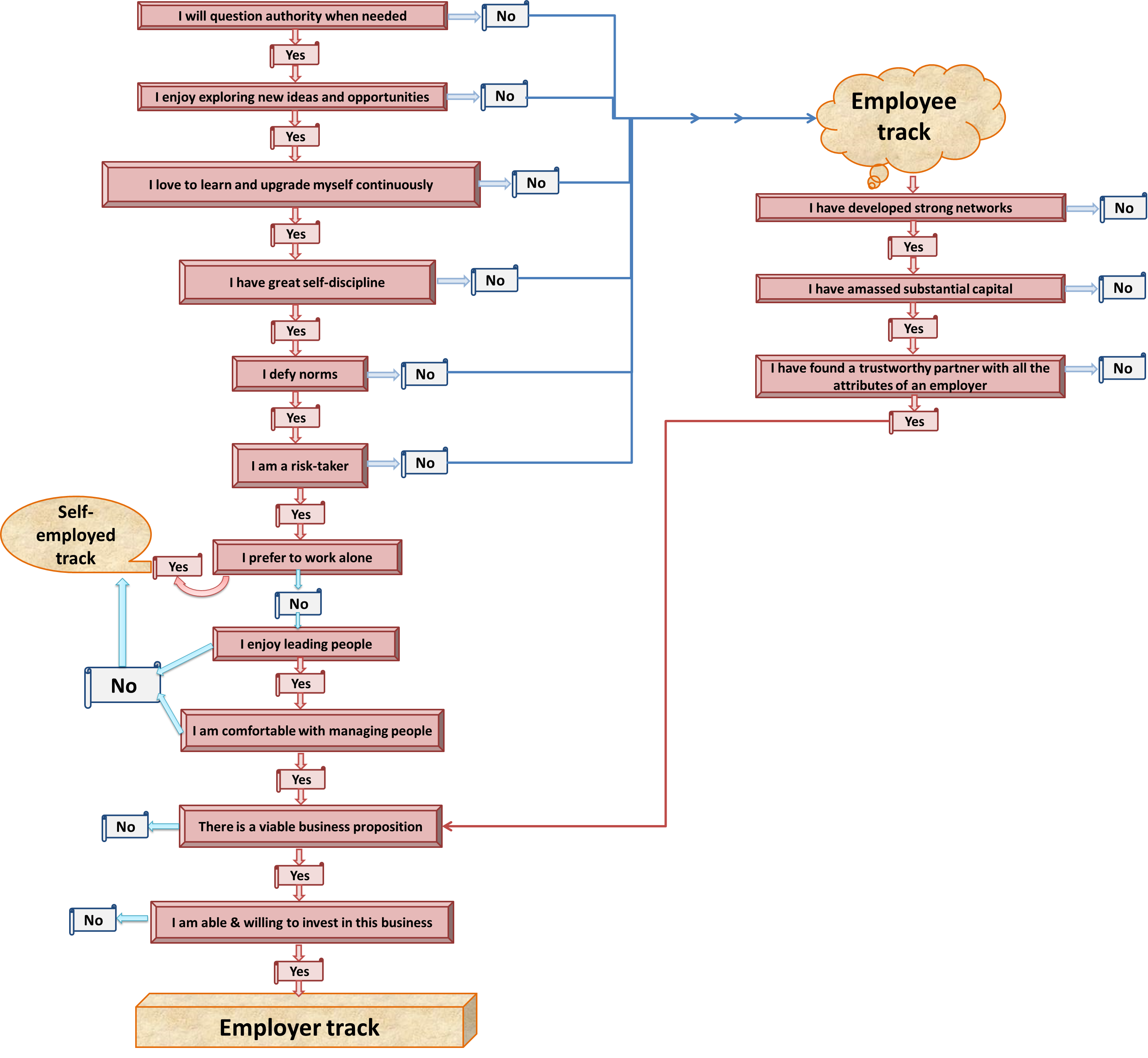
Image Credits: pixabay.com (CC0 Public Domain)

Sources:1 & 2

Read More...

Should I be an employee, a self-employed or an employer?

Many people aspire to be an employer as it entails freedom, independence and wealth. However, the path to entrepreneurship is hardly a bed of roses. In fact, a successful entrepreneur has to possess great fortitude and foresight in order to overcome all the uninvited obstacles coming his/her way. On the contrary, while employees generally do not enjoy as much flexibility as the company owners, they actually face significantly lower (downside) income risks. In addition, employees are often relieved of the heavy emotional and psychological burden that is tied to the complexity of overall business management.

Therefore, whether you are an employee, a self-employed or an employer, there are always pros and cons for any track you choose. At the end of the day, it boils down to what truly defines you and the resources you wield. The approach to searching for your personal identity (and supposed employment status) has thus been highly condensed into the diagram shown below.  

Click to enlarge:

employerDisclaimer: This is just for easy reference.

Read More...

Free Investment Resources Singaporeans Can Benefit From

1. BORROW BOOKS FROM THE PUBLIC LIBRARIES

The best way to fish in an unfamiliar territory is to research about it first. Know the basics in investing and trading by visiting your local or regional public library and borrowing their books. A few examples of the books you may find are “The Resilient Investor”, “Trading Options for Dummies”, and “7 Simple Strategies of Highly Effective Traders”.

The National Library Board (NLB) ensures that the information given in the public libraries are trusted, accessible, and comprehensive. Their genuine aim is to build a knowledgeable nation with generations of readers.

What is great about NLB’s website is that you can browse the availability of the book as well as find the list of libraries where it is located. This way, you do not have to go to a nearby library only to find out that what you are looking for is not there. For instance, you can find the 7 Simple Strategies of Highly Effective Traders book in 12 public libraries including Toa Payoh Public Library – our nearby library. Start searching by yourself, here.

2. ATTEND A NO-COST WORKSHOP ABOUT INCOME INVESTING

Last Tuesday, I had an opportunity to attend a workshop named: “Get Rich Slowly, The Income Investing Way”. Terence Tan led it. Terence Tan is the creator of the first Income Investing Programme in Asia-Pacific called Income Mastery Programme (IMP). Also, he is the chief investment strategist in Giants Learning Technologies as well as the founder of First Traders Network.

With a guy whose experience in stocks spans over 16 years, I thought to myself that I could certainly learn a thing or two. To get things straightened out, if you are looking for a method to get rich quickly through investing, this talk is not for you. Instead, this is for people who seek financial freedom by patiently and diligently pouring their resources for years on end.

Image Credits: facebook.com/IncomeMasteryProgramme

Image Credits: facebook.com/IncomeMasteryProgramme

What you can expect from this free 2-hour workshop is to gain a glimpse of the mindsets of some investors such as the renowned Warren Edward Buffett, to uncover the principles of income investing, and to determine the right stocks in 15 minutes or less. Furthermore, he will introduce you to his own methodology called the Income Mastery Programme. My impression of IMP after the workshop was it was a feasible yet gradual way to generate profits while in the midst of low-risk trades. By lowering down the risk, you will be confident that the stocks make money over time. If you are interested to know more, you can register for their upcoming talk on August 18, here.

3. TAKE PART IN A HUGE INVESTMENT FAIR – FOR FREE

Dating back from 2007, Invest Fair Singapore is ShareInvestor’s annual event for investors and traders alike. Enjoy the presence of world-class speakers, key stakeholders, and other experts in the financial industry by registering here.

The list of featured speakers include Marc Faber (Investment Expert and Best-Selling Author), Kathy Lien (World-renowned Currency Strategist and Best-Selling Author), Roger Monthomery (Chairman and CIO of Montgomery Investment Management), and one of Forbes’ 2014 list of Singapore’s 50 Richest men – John Lim.

The seminars start with “Simple Trading Strategies for Fast Profits” on August 15 and ends with “Portfolio Allocation” on August 16. Best of all? You can get exclusive promotions from their exhibitors and stand a chance to win prizes at their lucky draw.

Image Credits: facebook.com/ShareInvestorSG

Image Credits: facebook.com/ShareInvestorSG


Read More...

Easy Ways You Can Save Over S$3,000 A Year

Life is unexpected; you will never know when an emergency or financial crisis will hit. With that constant reminder, who does not want to save over S$3,000 a year? That said, here are the Easy Ways You Can Save Over S$3,000 A Year:

1. WATER SELECTION

If you are purchasing bottled water from the stores that are priced at S$1/1.5L bottle then, a family of four goes through at least 20 bottles a week. This is why it is best to drink from the safe tap. Filling up your reusable water bottle or jug only takes seconds and only costs S$0! With the tap water, you save about S$960 annually!

2. POWER STRIPS OFF

Power strips or otherwise known as power bar, trailer lead, or extension block, can spike your electric costs even if you turn it off.

Image Credits: US-power-strip-rotated via Wikimedia Commons (Licensed under CC BY-SA 3.0)

Image Credits: US-power-strip-rotated via Wikimedia Commons (Licensed under CC BY-SA 3.0)

Accounting for about 5-10% of your home’s energy bill, the best way to save from this is to unplug it completely. Unplugging your power strips can save you approximately S$70-330 per annum.

3. LIMITING AIR CONDITIONER USAGE

At 900 watts or more, your air conditioner (AC) is one of the major appliances that contribute to a huge chunk of your energy bill. So, if it is running for 8 hours a night for 365 days then, your medium-sized AC unit will cost you about S$600 annually. A good way to save about 50% is to time your AC to shut down after 4 hours. Then, save about S$25 on AC – a month!

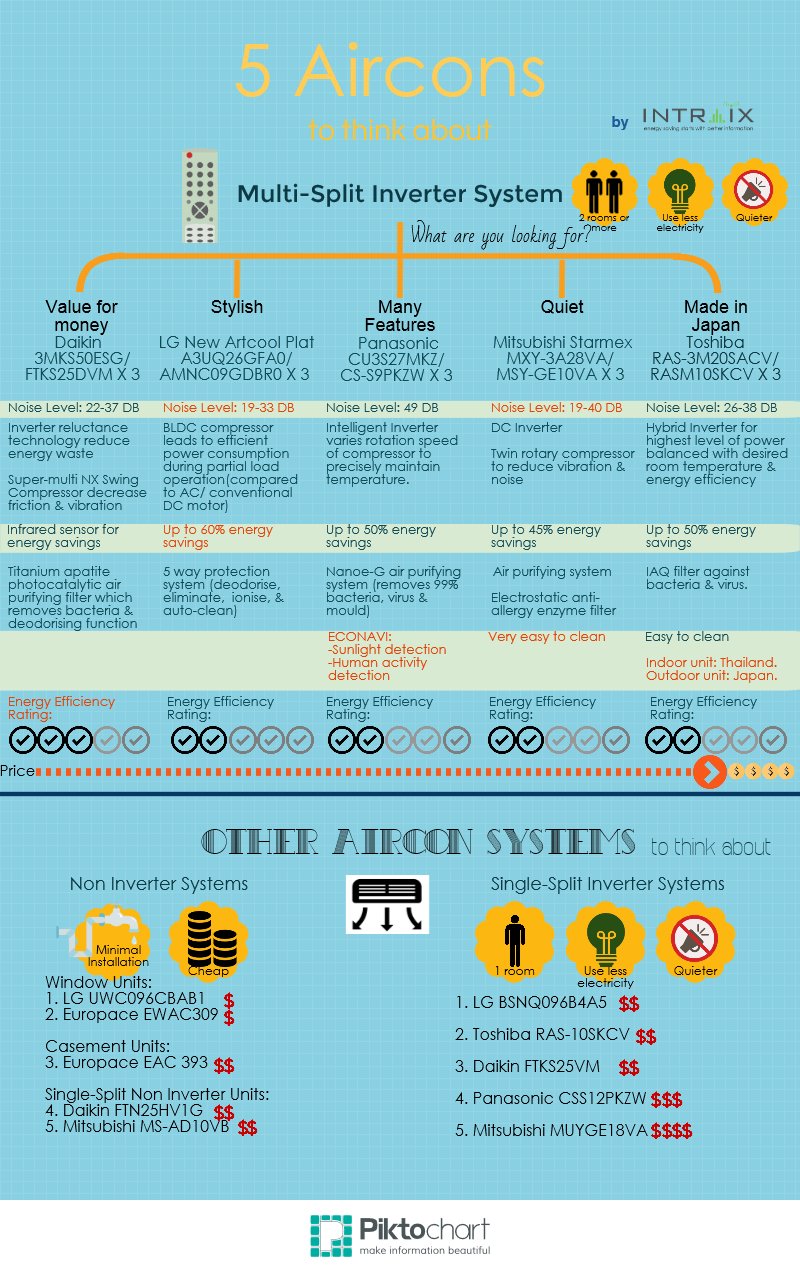
Furthermore, here are the 5 Cost Saving and Energy Saving Air conditioners For your HDB:

Image Credits: home.intraix.com/5-aircons-to-buy

Image Credits: home.intraix.com/5-aircons-to-buy

4. ELIMINATE THE DRYER

Instead of constantly putting your clothes in the dryer, hang it in properly in a clothesline. The dryer, like the AC, is contributing to a huge chunk of your energy bill. It feeds on energy and a lot of it. So, by letting your dryer rest, you can save about S$103 a year. That is if you regularly have 6 loads per week and take 20 minutes per load.

5. HAVE HOME COOKED MEALS FOR DINNER

Aside from packing lunch at work, cooking at home every dinner will cut your costs effectively and immensely. The cost of the meat, vegetables, and spices are lesser at the grocery than at the restaurants outside. This is why you must limit your restaurant trips or take-out meals to at least once a week.

For instance, you are going out for dinner at an average restaurant for 3 times a week then, it can cost you S$240 a month or S$2,880 a year. So if you limit your outside dinner trips to once every week then you can save up to S$1,920 a year!

SUMMARY (M-1 month & Y-1 year):

A. Water: S$80/M , S$960/Y

B. Power Strips: S$5.8-27.5/M, S$70-330/Y

C. Air Conditioner: S$25/M, S$300/Y

D. Dryer: S$8.6/M, S$103/Y

E. Dinner: S$160/M, S$1,920/Y

Image Credits: pixabay.com (CC0 Public Domain)
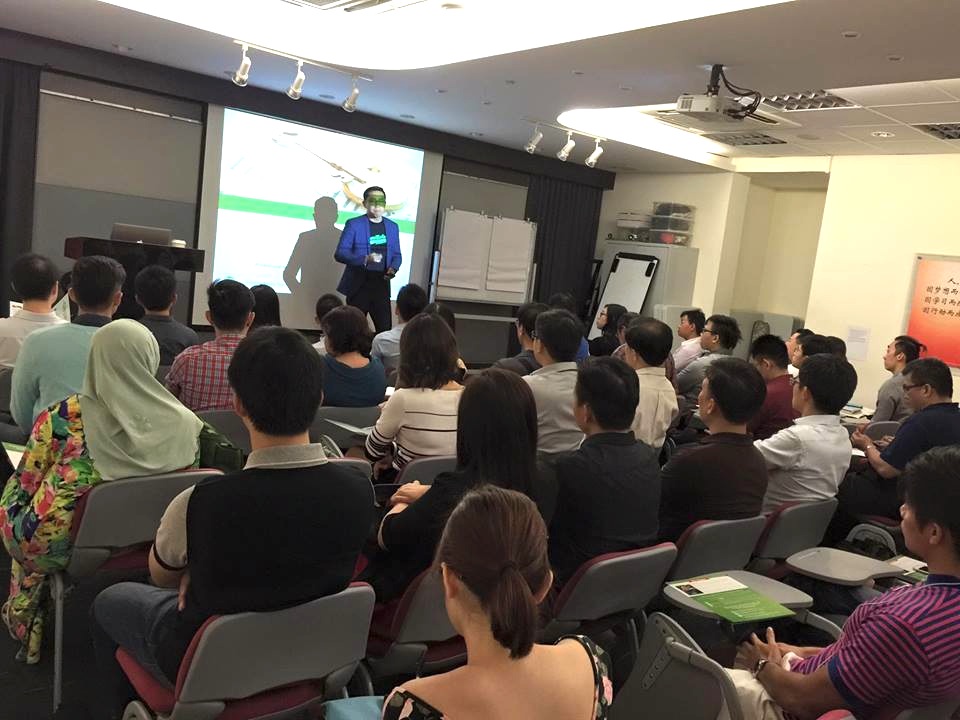
Image Credits: pixabay.com (CC0 Public Domain)

Thus, the total can go up to S$3,613 worth of savings in just 12 months! 🙂

Sources: 1,2,3 & 4

Read More...

Am I ready to invest in a child?

There are countless joys in welcoming a new member to the family. A child’s cheery smile and mesmerising gaze have miraculous effects: they melt hearts and boil away the remnants of worry and misery.

However, raising a kid in Singapore is increasingly an uphill task. Singapore is known for its soaring cost of living and having one more mouth to feed does not make living in this overcrowded city any much easier.

In addition to the financial strain, parenthood also poses another competing use for time. Not surprisingly, it remains a constant struggle for dual-income households to balance work and family life.

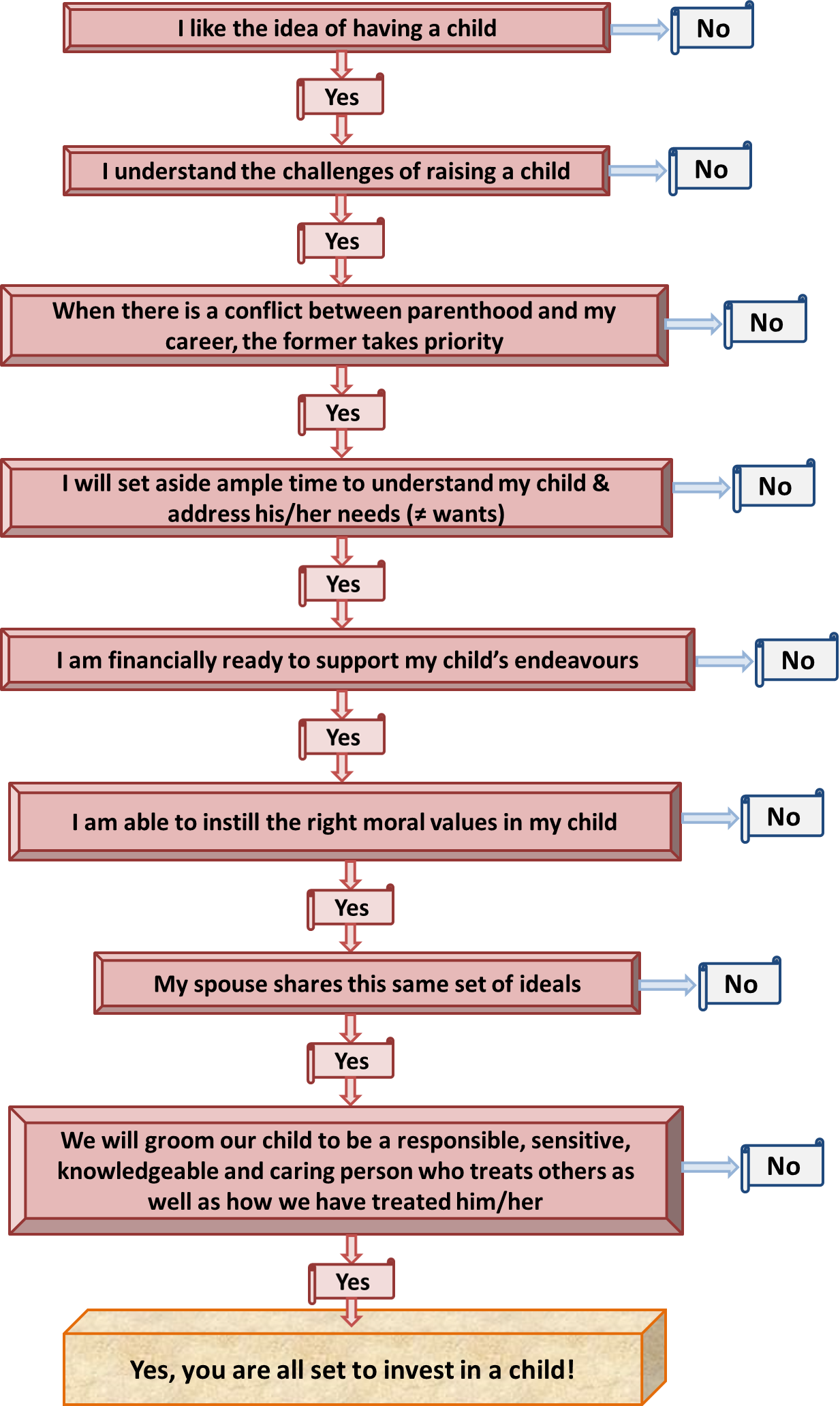
Therefore, there lies no simple answer to the question of whether one should bear a child and, by extension, invest significant amount of resources, time and effort in the process of raising the child. Nonetheless, the flowchart below aims to delineate the emotional and financial considerations involved in parenting, though they are by no means prescriptive.

Havingachild

Read More...