How to talk sense into a spouse who wants to retire early but is not financially ready

couple in disagreement

So your spouse wants to retire early and you’re scratching your head until botak now trying to talk sense into them, worrying about how to pay bills if no more salary’s coming in?

Well, this one sure ain’t easy.

Your spouse is already excited at the thought of waking up late, going on long teh/kopi dates every day, and playing mahjong with the kakis. How to tell them that money is not yet enough for this kind of lifestyle?

Should you be the bad guy and pour cold water on their retirement dreams? Or let them retire and struggle together if the money isn’t enough? This is one big headache for you we know so let’s try tackling this together.

Signs your spouse may not be financially ready for early retirement

car loan approved

Image Credits: ichoose.ph

If your spouse wants to retire early but you have doubts about whether you have enough money, take these signs as a guide:

  • He/she still has outstanding loans or mortgages to pay. If one hasn’t cleared their housing loan or has other big loans like car loans, retiring early means less income to service the debt.
  • No proper plan or budget for how to spend money during retirement. If your spouse cannot show how much he/she needs to spend each month and where the money will come from, it’s likely they will end up withdrawing too much from savings.
  • Not enough savings or investments to last in retirement. Most financial experts recommend having at least 10x of your annual income (if you’re in your 60s) in retirement savings these days. If savings are nowhere near that, the answer is clear.
  • No idea how to pay for healthcare or insurance after retirement. Healthcare costs are one of the biggest expenses during retirement. If your better half has yet to think about how to pay premiums or out-of-pocket costs, retiring early is a recipe for disaster.
How to approach your spouse about financial readiness
  • Have a heart-to-heart

Explain your concerns sincerely but with respect. Say how you want the best for both of you, but early retirement may be too risky if not ready financially. Listen also to their reasons for wanting this. Compromise and find common ground.

  • Check your numbers

Suggest doing a “financial health check-up” with a professional advisor. See how much you’ve saved, how long it may last, investment returns needed, healthcare, and living costs. This can give a better picture to your spouse also on what’s needed to retire comfortably.

  • Consider the risks

Early retirement often means less time for savings to grow and more years of expenses to fund. Inflation, healthcare costs, and unexpected emergencies can impact your nest egg. Discuss the potential downsides and have contingency plans.

Strategies to help your spouse prepare financially for retirement

Check CPF and savings.

If it’s not enough to generate a steady income for potentially 20-30 years of retirement, your spouse may end up going back to work out of necessity, whether they want to or not.

what-is-the-cpf-retirement-sum

Image Credits: cpf.gov.sg

Look into ways to earn passive income, like investing in stocks or real estate. Meet with a financial advisor to develop an investment plan. The sooner you start, the more time for the money to grow.

Discuss a realistic timeline for retirement that factors in your financial situation. Maybe your spouse retires partially by going part-time first before fully retiring. Or retire from their current career but start another, more flexible job.

Retiring early is a big life decision that requires careful planning. Help your spouse face the financial realities now so they can actually achieve their goal of a comfortable retirement, rather than struggling to make ends meet. With time and the right strategy, their nest egg can grow into something that can support him/her for life after work.

So if your spouse is insisting on retiring early when you are both not ready, don’t panic. Sit down, have a heart-to-heart talk, and explain how rushing into retirement when the money is not enough will only lead to more headaches and stress down the road. Show them the numbers, and let them see for themselves how waiting a few more years means a bigger nest egg and fewer worries. Early retirement is shiok but must do it right, not jump the gun. Take it slow, and plan properly. When the time is right, you both can retire comfortably without regrets, and start this new chapter of life on the right foot.


Read More...

5 Proven Ways to Save Money

While you may not have control over the economy, you do possess the power to influence your financial destiny through deliberate actions. With that in mind, here are five effective strategies for managing your finances:

1. EMBRACE THE POWER OF YOUR CHANGE

Begin a nightly ritual of counting your coins and bills, setting aside your loose change with dedication. As these seemingly insignificant amounts accumulate, deposit them into your savings account. Witness the gradual growth of your savings, knowing that these seemingly trivial contributions will amass into a substantial sum over time. Moreover, utilizing cash for daily expenses can foster mindful spending habits, making it more challenging to part with physical currency. While this method won’t yield instant savings, it represents a steady and reliable approach to financial growth.

2. PREPARE OF GROCERY SHOPPING

Achieving substantial savings at the grocery store requires a bit of proactive planning. Prior to your shopping expedition, assess your pantry and create a well-thought-out shopping list to fend off impulsive purchases. Learn the art of coupon hunting and enroll in loyalty programs at your local store to maximize your cost-cutting potential. Many stores offer additional discounts in exchange for contact information through their loyalty programs.

Image Credits: unsplash.com

If you possess a cash-back credit card, you could earn extra cash back on your grocery purchases. Some cards offer generous cash-back percentages, ranging from 5% to 8%. However, it’s imperative to pay off your credit card bill in full each month to avoid incurring interest and fees. Noteworthy credit cards for this purpose include the Citi Cash Back Card (providing 8% cashback at all supermarkets), HSBC Visa Platinum Credit Card (offering 5% cashback at all supermarkets), and DBS Live Fresh Card (delivering 5% cashback for online and payWave transactions).

3. IMPLEMENT THE 30-DAY RULE

Guard against impulse spending by introducing a cooling-off period between the moment you desire an item and the point at which you actually make the purchase. If you find yourself shopping online, consider placing the desired item in your cart and stepping away for an extended period, allowing time for thoughtful consideration.

If waiting for 30 days feels impractical, experiment with shorter intervals like 24 or 48 hours for smaller purchases. I, for one, have an online cart filled with 5 items that I am contemplating on buying. I will give myself a month before I start to remove items from the cart.

4. OPTIMIZE YOUR CABLE AND TELECOM SERVICES

Explore cost-effective alternatives for your cable and telecom services. This might entail downgrading your cable package or opting for a more affordable telecom plan. Additionally, consider eliminating your landline or trimming down on excess streaming services and premium subscriptions to curtail unnecessary expenses.

5. CONQUER HIGH-INTEREST DEBTS

Liberating yourself from the shackles of high-interest debts can significantly relieve financial strain. Expedite your debt repayment process by adopting the snowball or avalanche methods, enabling you to minimize the total interest accrued and free yourself from debt’s burden sooner.

Image Credits: unsplash.com

Once you’ve conquered your debts, redirect the money you would have allocated to debt payments into your savings. If your disposable income doesn’t permit extra debt payments, contemplate engaging in a side hustle to generate additional income that can be channeled toward debt reduction.

Sources: 1 & 2

Read More...

Reasons why you should never share your salary with a love interest at the workplace

asian colleagues chatting over coffee

So you’ve been asked how much you earn from your office crush?

Well, don’t take this lightly. If they think you earn peanuts, they will probably lose interest in you faster than the time it takes to queue up for cai fan during lunch hour.

But if they realize you’re earning way much more, they may start seeing you as their ATM. Before you know it, you might be paying for everything from kopi to karaoke sessions and more.

Keep that info to yourself if you want your initial relationship stage to be based on genuine feelings and not how much dough you’re raking in each month.

The complexity of mixing love and money
  • Money always complicates things

When it comes to relationships (honestly, not just romantic ones), money is a sensitive topic. The more you disclose about your pay or finances early on, the more complicated things can become.

Your date may develop certain expectations about how much you should spend on dates, gifts, or the lifestyle you both can afford. This can breed resentment if those expectations aren’t met. 

So if I were you, I would rather focus on connecting emotionally first before bringing money into the equation. You’re not getting married immediately, aren’t you?

  • Office gossip spreads like wildfire

If the two of you work together, sharing your salary info is asking for trouble. Once you reveal that detail, it’s out there and you can’t take it back.

Your love interest may let it slip to others without meaning to. Before you know it, the whole office will be speculating about why you’re paid what you are, and comparing salaries. This kind of talk often leads to hurt feelings, damaged work relationships, and a toxic culture.

office gossip

Image Credits: inc.com

Best to avoid the drama and keep your pay private, especially in the early days of dating a colleague. Let your connection develop based on mutual care, trust, and respect – not numbers. 

Potential for awkwardness

Same company, similar work tasks, but different salary, how do you compare?

If you earn more, your new sweetheart may feel inadequate or taken advantage of. If they earn more, you may feel jealous and wonder why the company values them more.

Rather than risk an awkward salary standoff that threatens your budding romance, don’t even bring it up. Keep things light and focus on getting to know each other outside of work. If things get serious down the road, you will have built up enough goodwill to have an honest chat about finances. For now, zip it and enjoy the mystery!

The workplace is complicated enough without adding salary and relationship angst into the mix. Keep your pay private to avoid potential discomfort, hurt feelings, or damaged egos. What you earn doesn’t define your worth, so don’t let salary differences get in the way of finding love. For now, keep things fun and salary-stress-free.

Privacy concerns

Your salary is personal info that should stay between you and your boss. No need to share with everyone, especially a new relationship.

I don’t want to be a wet blanket but If the relationship doesn’t work out, that person now knows exactly how much you earn. And if they have a big mouth, the whole office might find out too. Then how? The awkwardness and potential office gossip can cause a lot of stress.

And looking at it in a positive light, keeping your salary private shows you value your financial independence and privacy. It’s not that you don’t trust the other person, but that you want to build trust slowly over time before sharing sensitive details about income or finances.

If the relationship gets serious, there will be plenty of time to have an open discussion about earnings, budgets, financial goals, and the like. But hold off on that conversation until you’ve properly assessed if this person can truly keep discreet with private information.

Overall, there are good reasons to avoid blurting out your salary to a new love interest at work, especially in the early stages of dating. Keep things light and casual, build a genuine emotional connection first before divulging the dollars and cents.

woman smiling at man in the office

Image Credits: cnbc.com

As we come to a close, I hope I’ve given you some solid reasons why you should keep your paycheck figures confidential when chatting with that cute colleague you’ve been eyeing. Sure, salary sharing seems harmless at first, especially when those lovey-dovey feelings start bubbling. But once those numbers are out, there’s no taking them back. And when the relationship goes south, which romances often do, you will be left with an office ex who knows exactly how much you make and can use it against you. Why give them that power over you? Keep your salary details to yourself because some things are better left unsaid when you’re mixing business with pleasure.

Read More...

How to tactfully deal with a boss who keeps contacting you for work after official work hours

boss' message after work hours featured banner

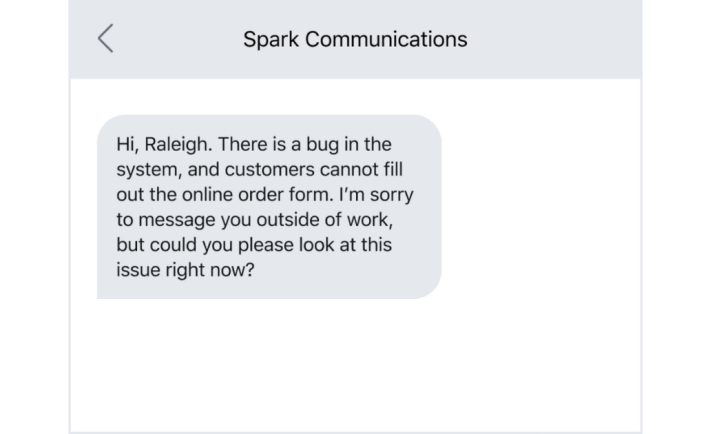
Got a boss who keeps emailing and calling you after work hours? Someone who seems like they don’t have a life outside the office and think you should not have one too?

Weekends are supposed to be rest days, not extensions of work weeks. But how do you speak to your boss about it without kena marked?

This one’s quite tricky.

If you keep mum, your boss will happily continue with his routine. But if you’re too direct, you might be labeled as not “hardworking”.

Well, allow us to share with you some tips, and hopefully, your boss will understand and give you more breathing space. If not, at least you know you’ve tried your best to improve the situation.

Understanding your rights and personal time

Having a boss who keeps contacting you after work hours can zap your time and energy, especially if it happens often.

As much as you want to be a team player, you need to stand up for your rights to rest and have a life outside of work.

Your mental health and work-life balance are important. Having downtime to rest, connect with loved ones, and recharge will make you even more productive and engaged during work hours. 

No one, not even the most work-centric boss, has the right to intrude into your personal time regularly. Don’t feel guilty about standing up for your needs. A good company and manager should respect work-life boundaries. If yours don’t, you deserve to be in a healthier environment.

Strategies to tactfully deal with your boss

Being direct but polite is important.

Tell your boss politely but firmly that you have personal commitments after work and would appreciate not being contacted during those hours unless absolutely necessary.

Say something like:

“Hi X, I hope you understand, but I need to spend time with my loved ones after work hours. I’ll attend to the issue first thing when I’m back in the office.”

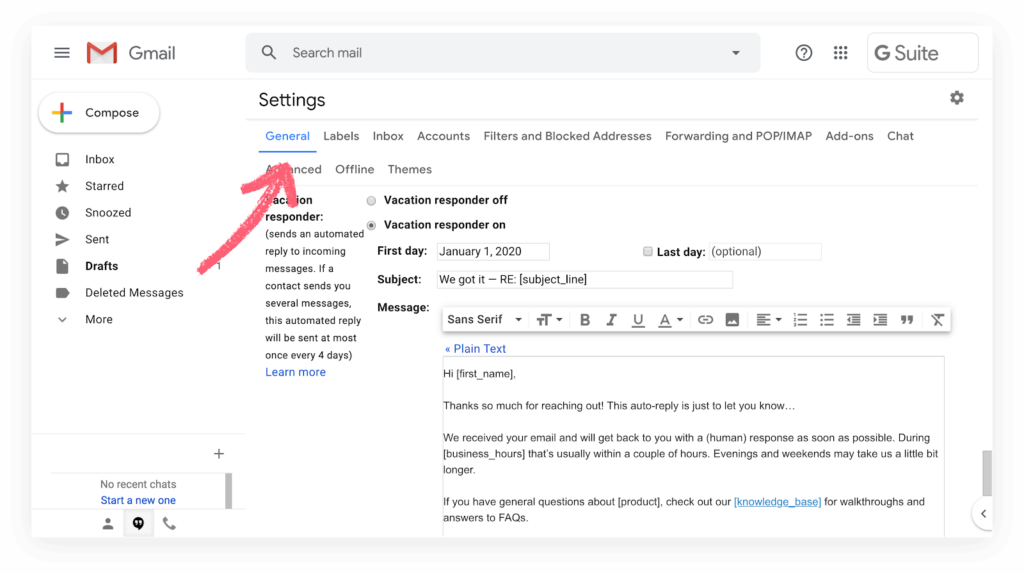
You can also set up auto-responders for work emails that will send an out-of-office message after hours.

The message can be along the lines of:

“I have left the office for the day. I will respond to your email as soon as possible during working hours. Thank you for your understanding.”

auto-responders for work emails

Image Credits: groovehq.com

Make sure you finish all important tasks within official work hours. Don’t leave things until the end of the day that may require input from your boss. Get things done early so they don’t have a reason to call you after!

Use “do not disturb” settings on your work devices to avoid notifications after work hours. You can also consider using separate devices for work and personal use so you can truly disconnect when you’re off.

Depending on the job nature, you may want to propose a solution, like a roster for someone to be on-call each night to handle any urgent queries. Compromise and understanding from both sides (and your teammates) will help make the situation better in the long run.

With open communication and some strategic actions, you can get your after-work life back while maintaining a good working relationship with your boss. No more going cuckoo from constant calls.

Sounds good?

Propose alternative solutions

Consider proposing flexi-work arrangements, like coming in early and leaving early. Maybe something like, those who start work at 7 am can knock off at 4 pm? This kind of staggered work hours may suit those with family commitments.

Or some teammates don’t mind starting work a little later and knocking off in the evening to avoid rush hour—10 am to 7 pm. Use everyone’s preferences to your advantage so that your boss has at least someone “on duty” between 7 am to 7 pm.

So there you have it, folks, some ways to handle that boss of yours who just doesn’t seem to respect work-life boundaries. Don’t let their behavior stress you out or make you dread checking your phone after leaving work. You have the power to stand up for yourself in a professional, constructive way. Be firm but tactful, and suggest compromises and solutions rather than just complaining over lunchtime. And if all else fails, set those boundaries yourself by not engaging with work matters after you’ve left the office. Your time outside of work is precious, and you deserve to enjoy it fully. Now go forth and slay that work-life balance dragon once and for all. The weekend is calling your name! 😉

Read More...