
6 Major Reasons Why Young Working Adults Are Not Saving Enough

1. MINIMUM WAGE

As fresh graduates enter the workplace with little to no experience, some are forced to settle for entry-level jobs with minimum wages. Whether you are a secretary at a recruitment firm or a personal assistant at an advertising company, the relatively low salary you earn every month makes it difficult to save money.

2. RECURRENT RENT EXPENSE

Some young adults move out once they start earning a decent amount of money. The independence, freedom, privacy, and convenience can be attractive but the reality of the rent expenses can hit you hard.

In the city centre, it will cost you at least S$500/month to live in a single room and at least S$1,500 to live in a small apartment by yourself. It makes more economic sense to stay at your family home and set aside the hundreds of dollars per month to your savings or investments.

3. INDULGING ON DESIGNER LABELS

Most young working adults spend their fortune on designer labels such as Prada and Louis Vuitton as well as other artisan brands. You may think that you are standing out from the crowd by carrying your S$2,000 Prada tote bag and your S$300 artisanal fragrance but you are simply creating holes in your pocket.

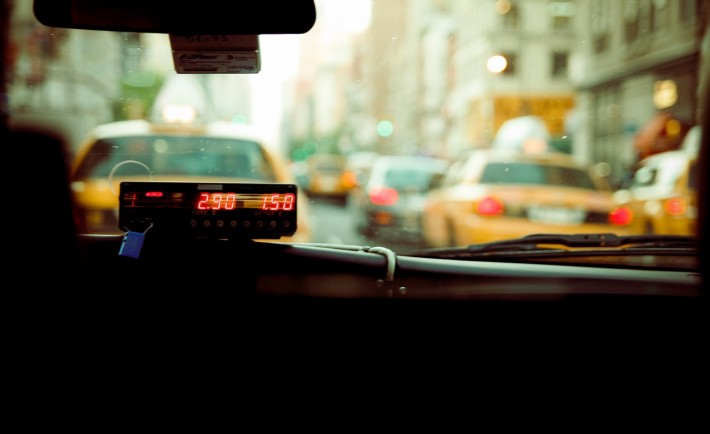
4. CABBING EVERYWHERE

Heading to work late? Hail a taxi.

Coming home after a crazy night out? Hail a taxi.

Aside from designer and artisan goods, you are preventing your savings from growing by cabbing everywhere. Five late night taxi rides can cost you at least S$100 and that equates to about 10 lunches at the nearby food court. This is why you must set aside an “emergency taxi fund” with a maximum of S$60 per month. You must not ride a taxi beyond your intended budget.

5. TECHNOLOGY AS NECESSITY

Technology is so pervasive in a young adult’s life that its costs are virtually inescapable. Interacting through social media is not just a culture but also a necessity. But staying connected comes with costly price tags as having the latest gadgets and paying for the monthly broadband fees can affect how much you can save.

6. EASY ACCESS TO SAVINGS

Most of us struggle with keeping our hands off our savings accounts. With the easy access of Internet banking, credit cards and multiple ATM machines, it is more convenient to spend cash than to save it. For young adults with this dilemma, make spending a chore by converting some of your money to US dollars. The thought of having to go for and pay for the currency exchange will likely to dissuade you from spending!

Image Credits: pixabay.com (CC0 Public Domain)


Image Credits: pixabay.com (CC0 Public Domain)

Sources: 1 & 2

Read More...

8 Money-Saving Tips That Every Singaporean Should Know

1. CREDIT YOUR SALARY

Get your salary credited into your bank account to dismiss the lure of spending your it right away. Update your bank account details with your employer and follow the terms and conditions of your bank so that your income gets credited correctly. In Singapore, these two savings account will give you the best interest rates per month: OCBC 360 Account and DBS Multiplier Account.

2. CONVERT YOUR CASH

According to the Economist Intelligence Unit, the US dollar has been stronger while the Euro weakens. If the above hack does not work, try converting some of your money to US dollars. This way, it is more inconvenient to spend. The thought of having to go for and pay for the currency exchange will likely to dissuade you from spending!

3. LEARN TO COOK

If you want to save money on food, it is best to learn how to cook. Start cooking simple meals with ingredients that are easy to obtain such as Omelet, Scrambled Eggs, Fried Rice, and Chicken Rice. Consider going to the wet market as items are sold for a cheaper price there. Remember that aside from rent, your food expenses make the largest impact on your budget.

4. READ BOOKS FOR FREE

To satisfy your bookworm urges, visit the nearest public library and rent a series of books – for free! While you are there, you can catch the free financial talk entitled “MoneySense@The LLiBrary: Understanding Loans & Credit” on April 14, 2016. Go to nlb.gov.sg or more details.

5. GET THE CHEAPEST GYM MEMBERSHIPS

It is no secret that Singapore’s fitness centers are expensive. And let us face it, most of you will not even use your membership perks to its fullest! Thus, it is best to go for the most affordable gym memberships such as the ones on this list. Alternatively, you can make use of your school’s facilities as most universities are fully equipped with gyms and other facilities.

6. EXERCISE FOR FREE

Aside from sweating at the gym, get fit by exercising outdoors. Satisfy your weekly dose of exercise by running in the nearby pavements, park or park connectors. You can also cycle around if that is your cup of tea.

7. GO FOR THE LAST YEAR’S MODEL

To save money on your next smartphone, consider purchasing the last year’s high-end phones such as the Samsung Galaxy S6 (the Samsung Galaxy S7 has been released last month). To save even more, you can review the well-designed phones offered by “less popular” brands such as Xiaomi.

8. DON’T FALL FOR THESE TRAPS

Aside from the diversity of eateries, Singapore is known for the diversity of shopping centers. Naturally, tourists fall prey for the huge “SALE” sign on the window of most shops. However, if you lived here long enough, you will realize that sales happen all year round. As long as there is a public holiday coming up, sale signs will be up too! So only buy an item if you really need it!

Image Credits: pixabay.com (CC0 Public Domain)
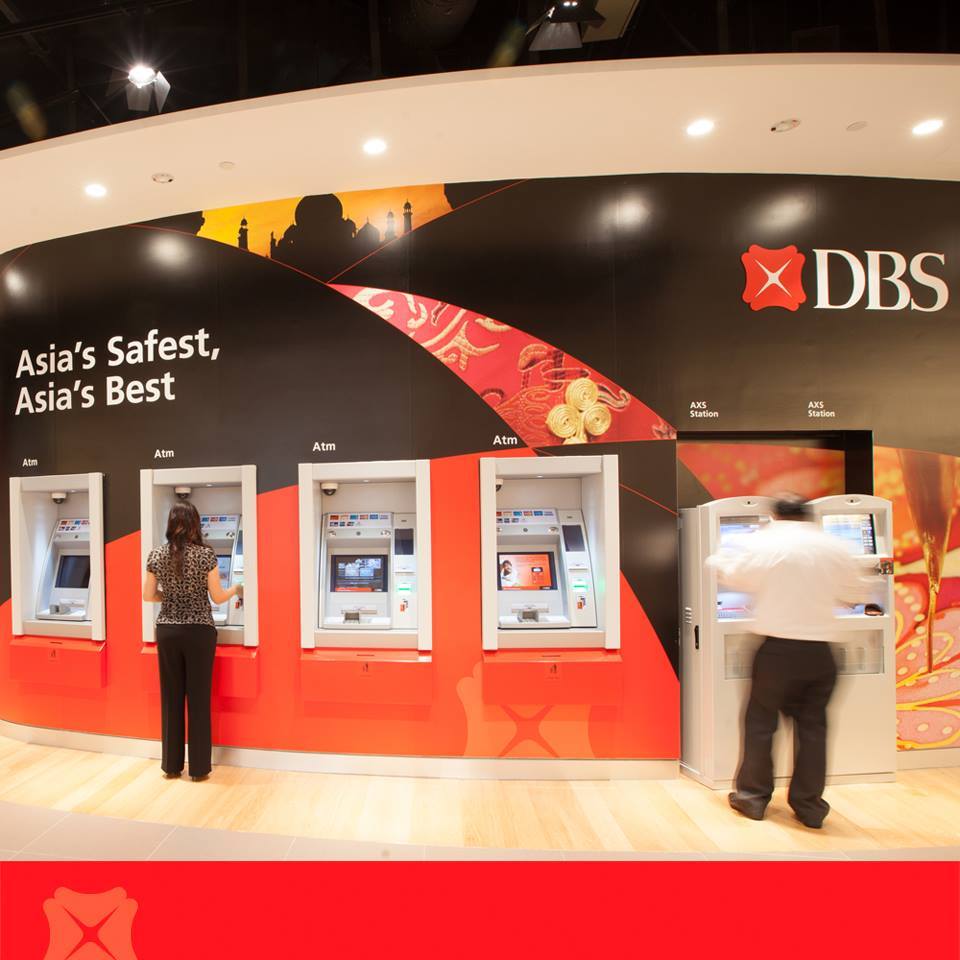
Image Credits: pixabay.com (CC0 Public Domain)

Sources: 1, 2, & 3

Read More...

How to Thrive in the World’s Most Expensive City

Singapore CBD Merlion

It’s common for Singaporeans to complain about the rising costs in this country, especially when Singapore has stayed on the charts for world’s most expensive city two years in a row. You can even call it a favourite pastime of residents and foreigners living here.

While it’s amazing how we’ve growth so much in a short span of time, it’s also taking a toll on us mere mortals, who can only dream about being one of the countless millionaires choosing to live here. We work hard, but it seems like we’re not going to see much increase in salary or bonuses in the year to come.

Still, it’s not impossible to save money in Singapore. The SingSaver team recently pulled together tips that have worked for us and published them in a free eBook, “100 Ways to Save Money in Singapore”. From shopping to dining out to general tips, we’ve covered every aspect of typical expenses the average Singaporean has.

Here’s an excerpt from their eBook:

  1. Know Where to Save

Stuffing your money in a pillow is as good as losing it. Due to the inflation rate (about 3% per annum in Singapore), your cash is worth less each year.

Always compare the different rates between fixed deposits, or products such as Singapore Savings Bonds (SSBs), before deciding where to store your money. You will want the highest interest possible for your deposit. Speak to a financial advisor about the best options, as they change on an almost weekly basis.

  1. Keep the Expense Ratio Below 40%

Your expense ratio is your necessary expenditures compared to your monthly income.

For example: say you earn S$3,000 a month. You have to pay at least S$300 a month toward utility bills, your phone line, loan repayments, etc. Your expense ratio is thus 10% (S$300 / S$3,000).

You should put a freeze on expenditures that raise your expense ratio above 40%.

  1. Pay with an Optimised Credit Card

Dining with friends? Pick a credit card with the best rewards or cashback for the restaurant, then place the entire bill on it. After that, collect your friends’ shares in cash. Because the card is giving you a discount in some form (cashback, more reward points, vouchers, etc.), you will usually save money.


***

There’s a lot more where that came from. If you want to save more or just want to cut down on your expenses, this guide will help you. Well, it’s definitely helped us.

Download your free copy of “100 Ways to Save Money in Singapore” here.

(This is a guest post by SingSaver.)

Read More...

Creating A Budget Is Like Learning How To Ride A Bike

Creating a budget for the first time is like learning how to ride a bicycle. At first you were scared to mount up those two-wheelers like how scared you were to conquer those mountain of debts. Even though you know these are healthy for you and your finances, you just cannot hop around and go!

That fear of yours consumed you. You never learned how to ride a bike gracefully. You never learned how to implement a budget efficiently.

Don’t you think it is the right time to change? For a brighter future ahead, I think it is!

Let me carefully take you to step 1…

Step 1: LOOK FOR A SAFE PLACE TO PRACTICE

When you are riding a bike for the first few times, it is better to find a place that will cushion your potential falls. Find a grassy field with short grasses so that it does not drag the wheels too much.

Likewise, you must find safe place to practice budgeting. That safe place is inside your head! Visualize your financial goals and examine how you are going to achieve them. Make it feasible and smart so you would not have too much unrealistic expectation. Then, list down your short-term and long-term financial goals.

Step 2: ENSURE THAT YOU HAVE ALL THE NECESSARY RESOURCES

After finding a “safe” place, the next things you have to gather are all the needed materials and information. For beginners in biking, consider strapping a helmet and kneepads. Tuck in your shoelaces while you are it. And avoid long pants, long skirts, and heavy clothing because the fabric can get caught in the gears or tires.

For beginners in budgeting, consider tracking your spending history (for the last two month). Gather all the past receipts, credit card statement, utilities bill, and bank statements. Estimate how much you make and spend each month.

Step 3: PRACTICE AND JUST DO IT

In order for you to practice riding or budgeting, you must push yourself to just do it. Mount the bike and get the feel of how it leans and steers. Notice how your body leans when you are going intro a curve. Instead of just using your hands to brave the curve, try letting your body turn and the bike will follow.

This will help you learn an important biking skill – balancing.

Now that you know your income and expenses per month, it is time to make a plan. Categorize your spending into 2-3 main categories namely: needs, savings, and wants. Learnvest suggests allocating 50% of your budget to your basic needs such as rent, food, transportation, and utilities. Secondly, 20% of your budget will go to your savings such as emergency fund. The last 30% of your budget will go to your wants such as mobile phone plans, gym memberships, and vacations.

This will help you learn an important budgeting skill – organizing.

Step 4: GET READY TO RIDE AND SAVE

From finding your safe place to pushing yourself to do it, the final step to take is to face your fears.

Ride that shiny bicycle! Follow that well-devised budgeting plan!

Raise the seat of your bike but keep it low enough so that you can touch the ground with your toes. Balance and steer along the flat surface. Glide along the gentle slopes. Allow yourself to go naturally with the flow of the road.

On the other hand, you must follow your budgeting plan that you devised on spreadsheet file or budgeting software. Track your spending and eliminate at least two unnecessary expenses every month. By doing so, you are keeping things under control.

Image Credits: pixabay.com (License: CC0 Public Domain)

Image Credits: pixabay.com (License: CC0 Public Domain)

Over the course of the month, you will encounter slopes and obstacles but you have to persevere on. It will all be worth it in the end!

Sources: 1, 2, & 3

Read More...