Commutes Adjust as Public Transport Costs Rise 5% From Dec 27

Starting December 27, public transport fares will rise by 5%, marking the third straight year of adjustments. Adult commuters will pay 9 or 10 cents more per trip depending on distance, while concessionary passengers such as seniors, students, and low-wage workers will see smaller increases of 3 or 4 cents.

The Public Transport Council (PTC) announced the revision on October 14, describing it as a careful response to rising energy and manpower costs while keeping fares affordable. Although this follows higher hikes of 6% in 2024 and 7% in 2023, the latest increase is viewed as a more measured step to balance cost pressures with public interest.

Image Credits: unsplash.com

To soften the impact on frequent riders, the PTC will lower monthly travel pass prices. From December 27, adults will pay S$122 instead of S$128, seniors and persons with disabilities S$55 instead of S$58, and low-wage workers S$92 instead of S$96. About 155,000 commuters are expected to benefit from these reductions, helping offset the fare increase for regular users.

Additional relief will come through S$60 public transport vouchers provided by the government to households earning up to S$1,800 per person monthly. Eligible households can redeem these vouchers via the SimplyGo app or at designated kiosks and service centers beginning December 29.
Image Credits: unsplash.com

Beyond fare changes, the PTC is also updating how future adjustments are calculated. Instead of relying on data from the previous calendar year, future reviews will assess energy prices, wages, and other cost factors from the 12 months leading up to June of the review year. This shift aims to make fare adjustments more responsive to real-time economic conditions and reduce delays between cost changes and fare updates.

Transport operators SBS Transit Rail and SMRT Trains had sought a 14.4% increase to cover rising maintenance and labor expenses. The PTC approved only a 5% adjustment but required both operators to contribute 20% of their additional fare revenue (i.e., about S$10.6 million combined) to the Public Transport Fund, which helps cushion fare hikes for lower-income households.

Image Credits: unsplash.com

Meanwhile, express bus fares will rise slightly to reflect higher operating costs, while short-distance concessionary trips of up to 3.2 kilometers will remain unchanged. This move benefits passengers who rely on short daily commutes to schools, workplaces, and community amenities.

The fare review highlights a recurring challenge of keeping the transport system financially sustainable while easing the burden on daily commuters. Though the increase may seem modest, it reflects a broader effort to sustain efficiency and affordability in one of the region’s most advanced public transport networks.

Sources: 1 & 2


Read More...

How a S$3 Billion Scandal Stalled Singapore’s Luxury Car Market

If you’ve been dreaming of cruising down Orchard Road in a sleek Ferrari or a posh Rolls-Royce, you might want to pump the brakes on those plans. Let’s talk about the S$3 billion scandal that took a toll on luxury car sales.

S$3 BILLION SCANDAL

Singapore’s luxury car sales have experienced a significant decline, directly linked to a large-scale S$3 billion money-laundering case. In response, the government has increased taxes on luxury vehicles and implemented stricter financial checks to prevent illicit funds from entering the market.

STRICTER REGULATIONS

In light of the scandal,  authorities have introduced more rigorous oversight. Luxury car dealerships and other sellers of high-value goods are now required to conduct deeper investigations into their clients’ financial backgrounds and report any suspicious activities.

SALES TAKE A SHARP DECLINE

Prestigious brands such as Bentley, Ferrari, Jaguar, and Rolls-Royce have seen sales plunge by up to 75% in 2024 compared to the previous year. A key factor is a shift in consumer behavior, with buyers opting for a more discreet approach to avoid regulatory scrutiny.

Image Credits: unsplash.com

Additionally, stricter due diligence checks and higher luxury car taxes further dampened sales. Meanwhile, the broader car market is moving in the opposite direction, with overall new registrations surging by 42% in 2024.

EVs GAIN TRACTION

As the luxury car segment slows, electric vehicles are gaining popularity. Chinese manufacturer BYD has reported increased sales as more consumers pivot toward eco-friendly and less ostentatious alternatives.

IN A NUTSHELL

For potential luxury car buyers, especially younger consumers, this may be a moment to reconsider their choices. As electric vehicles become more fashionable and practical, they may present a compelling alternative for those seeking both style and substance.

Sources: 1,2, & 3

Read More...

Punggol Coast MRT Station Opens December 10, Cutting Commute Times

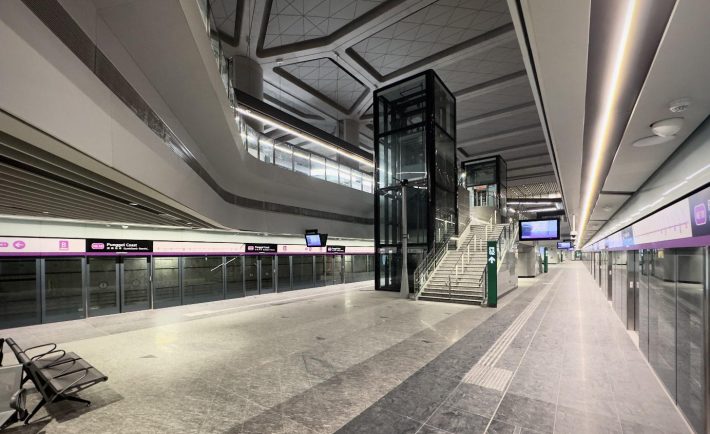
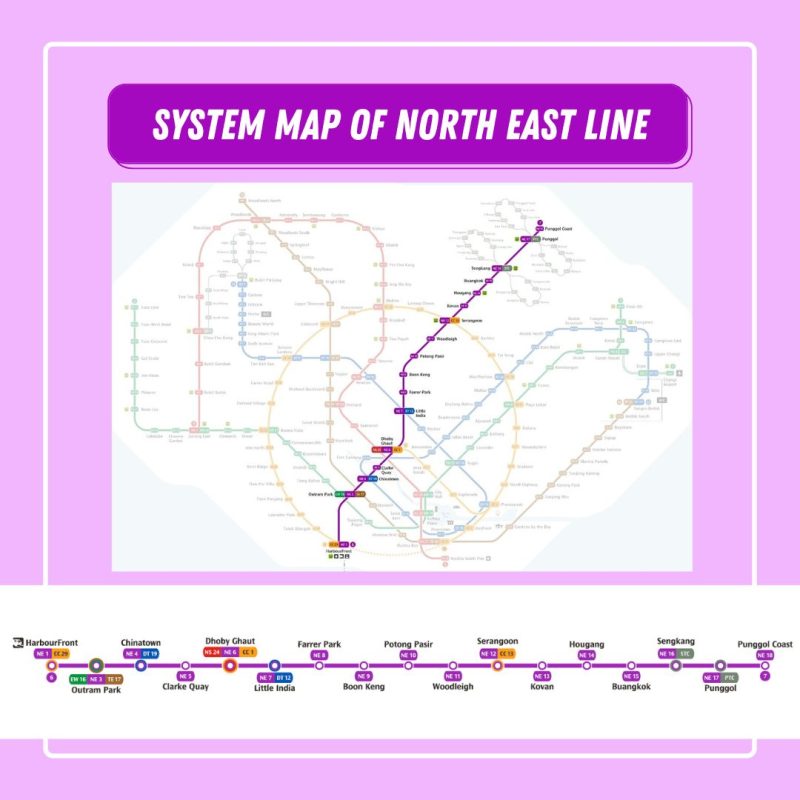
Mark your calendars! The long-awaited Punggol Coast MRT station is set to open on December 10, 2024, at 3:00 pm. As the newest terminal on the North East Line (NEL), this extension from Punggol station will bring the total number of NEL stations to 17 along its 22-kilometer route.

Strategically located in the heart of Punggol Digital District (PDD), Punggol Coast station will significantly enhance connectivity for the area’s growing community.

“Located within the Punggol Digital District, the station will enhance connectivity to existing and upcoming developments, including the JTC Business Park, the Singapore Institute of Technology (SIT) campus, and Punggol Coast Mall,” said Transport Minister Chee Hong Tat in a Facebook post last October 10.

With 28,000 employees in the JTC Business Park, 12,000 students at SIT, and the upcoming Punggol Coast Mall, the station is set to serve as a major transportation hub.

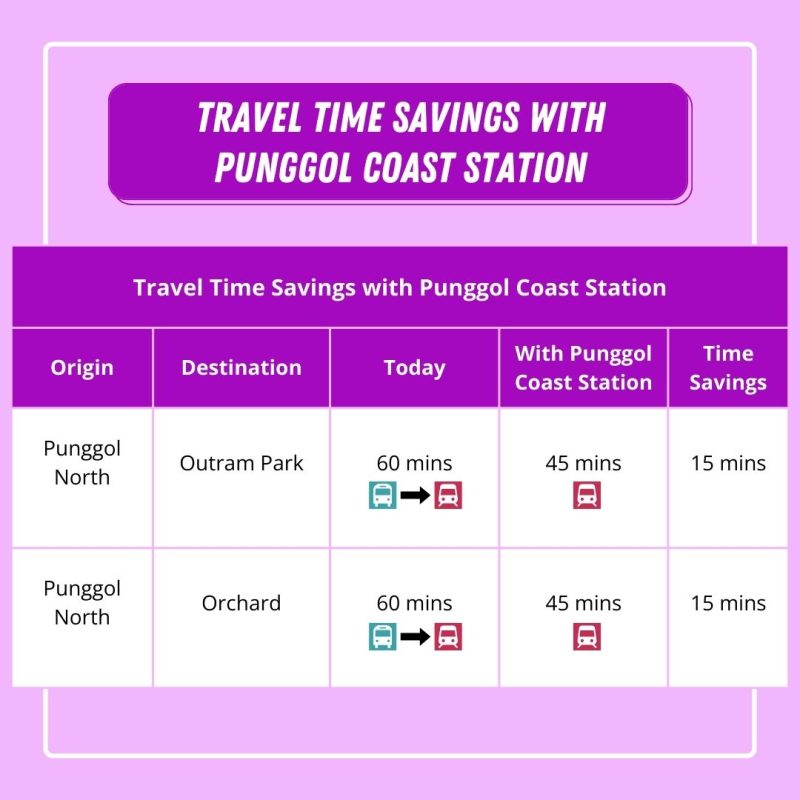
But what does this mean for commuters? Shorter travel times! Residents in Punggol North can now reach the city center in just 45 minutes via the NEL, a marked improvement from the previous 60-minute journey. In fact, over 200,000 households will benefit from being just a 10-minute walk away from an NEL station. Its close proximity to the bus interchange further enhances convenience for residents.

Image Credits: facebook.com/WeKeepYourWorldMoving

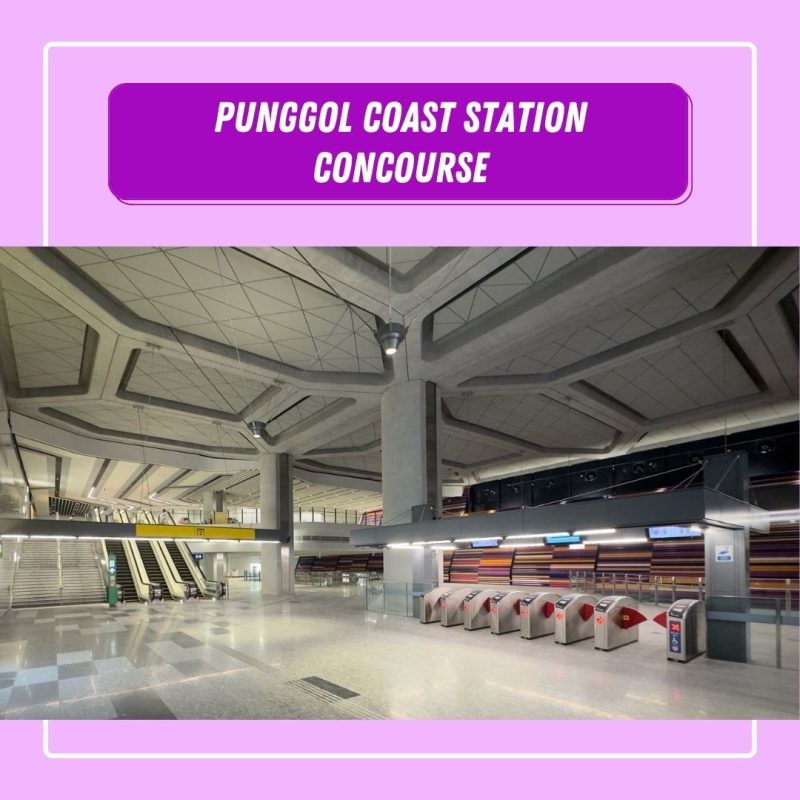
Construction for the station began in 2018, and after rigorous operational testing, it is ready for passengers. The station will feature two entrances including one along New Punggol Road and another within PDD. What’s more? It has more than 300 bicycle parking spaces to promote sustainable mobility.

Image Credits: facebook.com/WeKeepYourWorldMoving

From a financial perspective, the opening of Punggol Coast MRT station could drive property values up in the area, particularly with improved accessibility. For investors, now is a good time to consider properties or businesses in Punggol Digital District, as the enhanced transport links will attract more residents, students, and workers. With growing connectivity, retail and real estate investments in the vicinity may see healthy returns.

Image Credits: facebook.com/WeKeepYourWorldMoving

Sources: 1, 2, & 3

Read More...

East-West Line Back on Track After 6-Day Delay

After six days of delays, train services finally resumed between Jurong East and Buona Vista MRT stations along the East-West Line on the morning of October 1. The disruption, caused by extensive track damage, had left many commuters scrambling for alternative routes and dealing with longer travel times.

This return to normalcy brings a sigh of relief for many. However, westbound trains along the four-station stretch (i.e., between Dover and Clementi) are currently running slower at a temporary speed limit of 40km/h until October 3. This slower pace is part of a standard safety process following rail replacements, as trains typically travel at speeds of 60-80km/h.

COMMUTERS’ EXPERIENCE

During the disruption, the daily lives of more than 2.1 million passengers were affected with long waits and crowded platforms becoming the norm from September 25 to 29. The delays created challenges for those heading to work or school, requiring them to leave home earlier than usual.

Many commuters switched to alternative transport like buses, ride-hailing services, or taxis, which are typically more expensive than the MRT. You see, ride-hailing services also implemented surge pricing due to higher demand. These increased travel costs added up, especially for long-distance commuters.

ALTERNATIVE ROUTES

For six days, commuters took alternative routes, with many switching to the North-South Line or opting for the Thomson-East Coast and Downtown Lines. As a result, stations were packed, and transfer points became congested with passengers seeking faster routes to their destinations.

A common strategy involved transferring at Queenstown station to take the shuttle train to Buona Vista, or using Boon Lay station to transfer to Jurong East. While necessary, these options still extended travel times and complicated otherwise straightforward journeys.

REPAIR WORK

The damage affected the stretch between Clementi and Ulu Pandan Depot, requiring a full replacement of rail segments. On September 30, the Land Transport Authority (LTA) announced that the rail repairs been completed and the third rail had also been reinstated.

Before fully reopening the line, the LTA carried out a series of rigorous tests to ensure the tracks were safe. This included load tests using a locomotive to verify the rails were securely welded, followed by an endurance test involving a fully loaded train packed with sandbags to mimic real commuter conditions. Only after passing these assessments were trains allowed back on the line.

THE IMPACT

Commuters faced higher travel costs, missed appointments, and lost valuable time that could have been spent with family or at work. Many shared their frustrations of waking up earlier, enduring crowded buses, and dealing with extended travel times.

Image Credits: unsplash.com

For the millions affected, the six-day disruption felt like a marathon of endurance. With services now restored, they can finally return to their routines, though with a lingering sense of caution until the repairs are fully stabilized.

Sources: 1 & 2

Read More...

Public transport fares to increase in Singapore from 28 December 2024

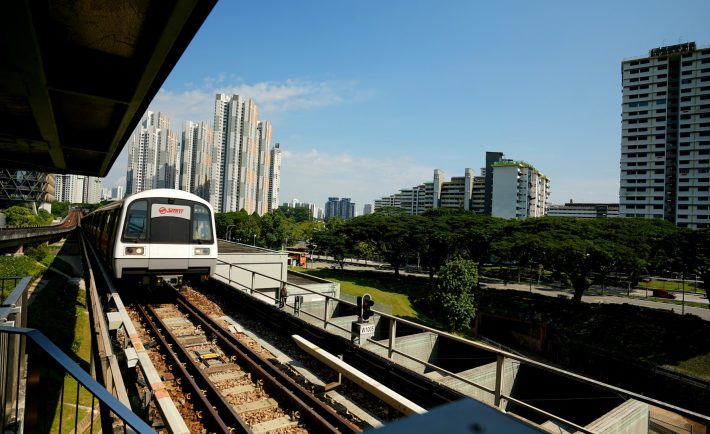
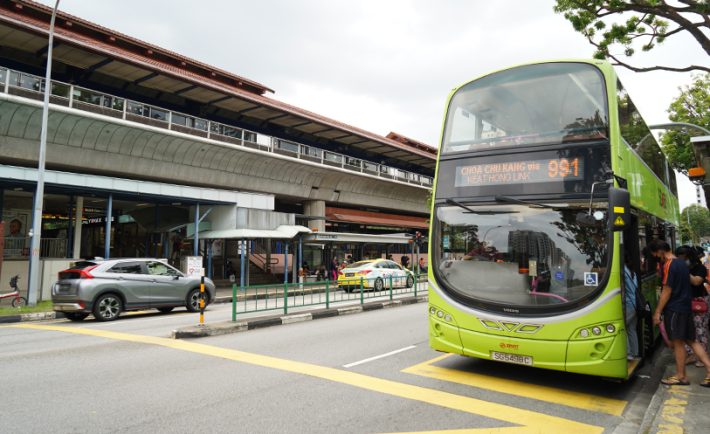
Singapore bus and tain track

Public transportation fares are set to increase in December, from the 28th.

Adult commuters will see a 10-cent hike per trip on buses and trains while students, seniors, and those with disabilities will pay 4 cents more per journey.

Monthly passes remain unchanged. 

Overall fares will rise 6%, down from 7% last year.

The good news is that lower-income households can get $60 transit vouchers, up from $50 last year.

More people now qualify for the vouchers, with the monthly income limit per person increasing to $1,800 from $1,600.

This means an additional 60,000 households will benefit from the vouchers.

Why the increase?

Regulator PTC cited inflation, wage growth, and past deferred increases as reasons for the hike.

While energy prices dropped from 2022 peaks, core inflation and strong wage growth factored into the 3.3% increase under PTC’s formula.

An additional 15.6% was deferred from prior years, allowing for up to 18.9% in total.

However, PTC chose a more modest 6% to cushion costs for commuters.

Chairperson Janet Ang noted the deferred amount accumulated due to spiking energy prices and inflation in 2021 to 2022.

This marks the second review under PTC’s new formula aimed at stabilizing fares.

The nitty gritty

Singapore’s public transport fare formula has five components: core consumer price index (cCPI), wage index (WI), energy index (EI), productivity, and network capacity. 

For 2023 to 2027, productivity and capacity factors now have fixed values for stability.

Productivity contribution is minus 0.1%, while network capacity is 1.1%.

This year, the indexes increased cCPI by 2.1%, WI by 2.1%, and EI dropped 1.9%.

With fixed productivity and capacity, fares can rise by 3.3%. 

Adding the 15.6% carried-over allows an 18.9% maximum increase.

However, the Public Transport Council approved only a 6% hike, leaving 12.9% for next year/future reviews.

Finding a win-win solution for all

The upcoming 6% fare increase will lower the deferred amount to 12.9% for the next review.

This helps narrow the gap between cost and fares, said Ms. Ang from the PTC, adding that the PTC will balance financial sustainability with affordability. 

Meanwhile, the PTC encourages monthly passes to cap expenses.

Extended concession fares for graduating students

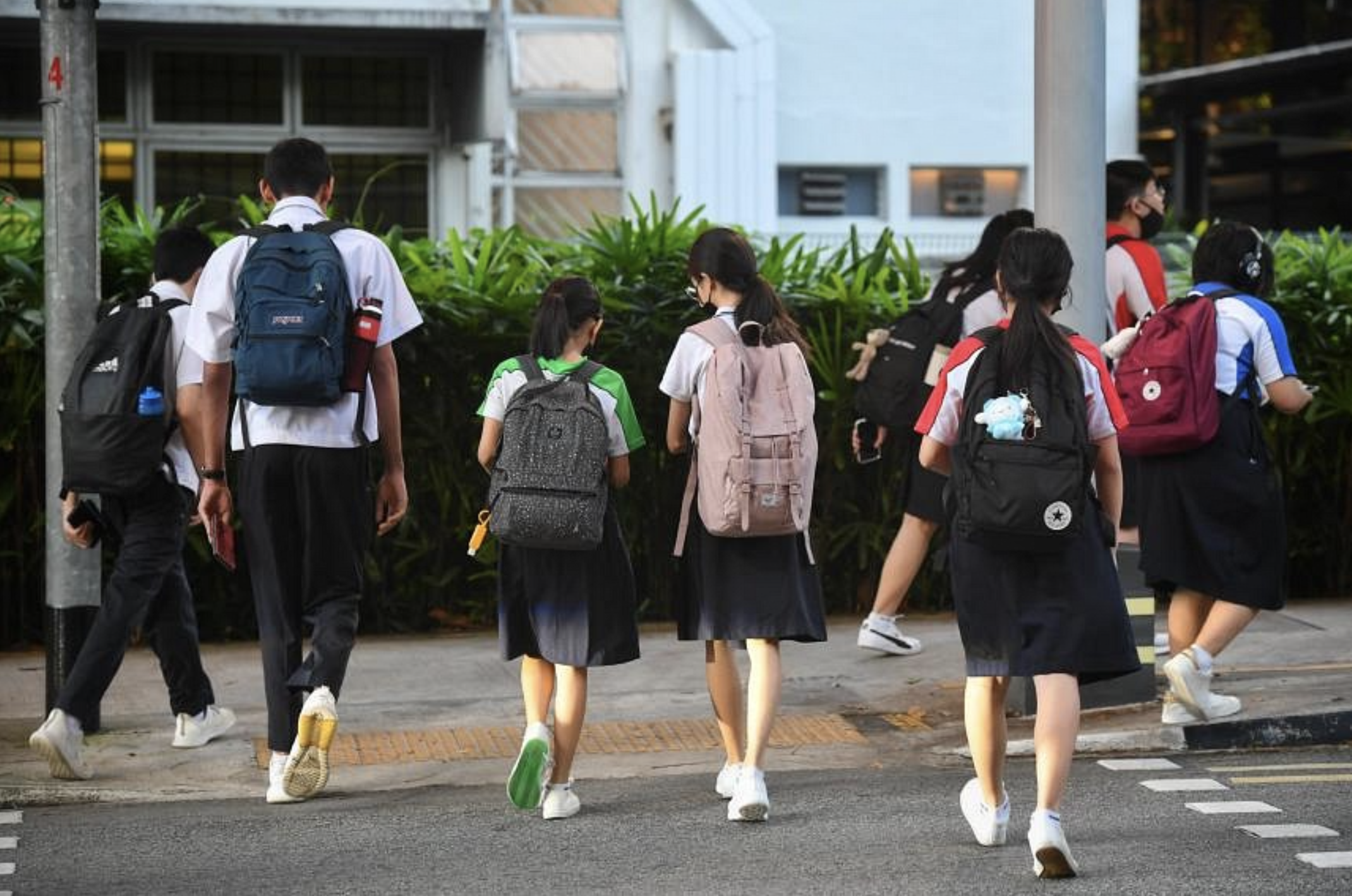
Singapore students crossing the road

In addition to the abovementioned news, starting 28 December 2024, graduating students in Singapore can continue enjoying discounted transit fares for four months after finishing school.

Currently, secondary and post-secondary students receive concession fares.

However, some faced paying full price before enrolling in another school.

In response to parent and student feedback, our Transport Minister requested the PTC to extend fares.

PTC agreed to the request, granting graduating students concessions for four months post-graduation, which will start this year.

Around 75,000 students annually will benefit.

To extend validations, this year’s graduates can tap cards at any ticketing machines located in MRT or bus stations from 1 October to 31 December 2024.

They can also visit a ticketing counter for more assistance.

Future graduating classes will get extension details from their schools.

Read More...