Reclaiming your pre-pregnancy body: Tips to safely lose pregnancy weight

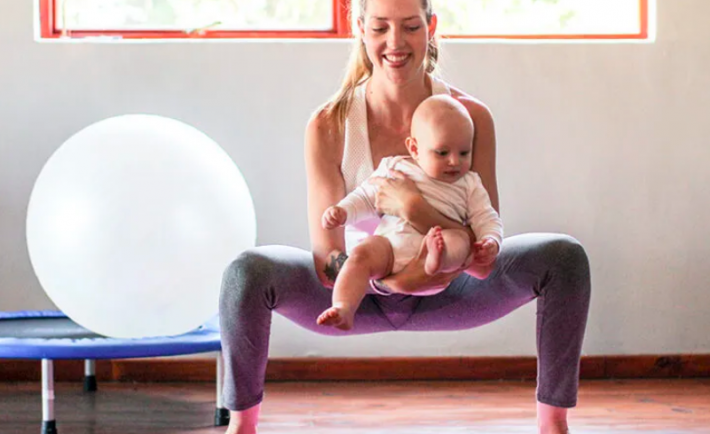
mother doing postnatal yoga with baby

You’ve just welcomed your little one into the world, and now you’re looking to reclaim your pre-pregnancy body.

Losing weight after having a baby can be a challenge, but it’s not impossible. There are lots of conflicting messages out there about how to safely lose pregnancy weight, but we’re here to help.

In this article, we will share some tips on healthily losing weight. So read on, and start planning your strategy for shedding those extra pounds. You can do this!

Make smart dietary choices for post-pregnancy weight loss

This means eating well-balanced meals and controlling your portion sizes.

It’s also good to monitor your calorie intake, so you’re not eating more than you should be.

Another key component of safe weight loss is eating high-fiber foods. Fiber helps keep you feeling full longer, so you’re not tempted to overeat. It also helps your digestive system function properly, preventing constipation and other stomach problems.

Working with a healthcare provider for safe weight loss

talking with a dietician

Image Credits: thisislivingwithcancer.com

You don’t have to do it alone when you’re trying to lose pregnancy weight.

In fact, it’s actually a good idea to work with your dietician to come up with a safe plan.

A professional can help you come up with a calorie goal that’s appropriate for you, and can also offer suggestions on how to safely cut calories.

They can also help monitor your weight loss to make sure that you’re not losing too much, too quickly. Avoid drastic weight loss, as this can be harmful. So take things slow, and remember that healthy weight loss is a gradual process.

Know which exercise options are safe for a start

It’s essential to know which exercises are safe for you to do as you start to lose the baby weight. Some exercises, like crunches, can be dangerous if you’ve had a C-section.

That’s why it’s best to stick to low-impact exercises in the beginning. This includes pelvic tilts, bird dogs, walking, and Kegels. Just be sure to start slowly and work your way up to more strenuous activities as your body allows.

And whatever you do, please don’t try to lose weight too quickly. Remember that your body has just gone through a lot, and you need time to heal both physically and emotionally. Aim for about 30 minutes of exercise per day, and you will start seeing results in no time.

Before we go, we urge you to monitor your progress and stay motivated. Take photos and measurements so you can see the changes in your body over time. It’s also good to set practical goals. Losing too much weight too quickly can be deadly and is often not sustainable in the long term. Finally, remember that this is a journey and there will be ups and downs. Don’t be too hard on yourself if you have a setback—just pick yourself up and keep going!


Read More...

Is the time right? Questions to ask yourself when deciding if you’re ready for a baby

newborn baby lying on the bed

You and your partner have been married for a while now, and the topic of children has come up in conversations more than a few times.

You’re both on the same page about wanting kids—eventually—but you’re not quite sure if you’re ready yet. Deciding if you’re ready for a baby is a huge decision, and it’s not one to be taken lightly. There are a lot of factors to consider, both big and small.

Below, we’ve compiled a list of questions to help you make an informed decision.

Are you financially prepared?

One of the most important aspects of readiness is financial preparedness.

Take a good look at your current financial situation and determine if you’re able to handle the added expenses of a child.

This includes having a monthly budget to evaluate your available income, considering an emergency fund, and retirement savings, and how debt repayment will be affected. You should also think about any goal-related expenses you may have, like buying a car.

Are both partners ready to be parents?

Some couples feel a strong desire to be parents, and for them, the answer is easy.

Other couples have to weigh the pros and cons, and sometimes it’s not a clear-cut decision.

Some things to consider: Are you both ready to give up some of your time and freedom to care for a child? Are you prepared to handle the stress of parenting? These are just some of the questions you will need to ask yourselves.

It’s also necessary to talk with your partner about your readiness. Be honest with each other about your feelings and fears. This is a huge decision, and you need to make sure that both of you are on the same page before taking the next step.

What about support networks and help?
grandfather with his grandchild

Image Credits: zerotothree.org

You need a strong support network before you even think about having a child. This includes your parents, in-laws, and siblings if they’re close by, as well as relatives.

If you don’t have a good support network in place, now is the time to build one. This includes finding other couples who are also trying to conceive so you can swap advice and tips, attending parenting workshops, and reading up on everything you need to know about being a parent.

How will a baby fit into your career plans?

If you’re in the early stages of your career, you may be wondering if you can afford to take time off work or if you will have to put your career on hold for a while.

It’s worth finding out your company’s policies on maternity leave and childcare before you make any decisions. Some companies are very understanding and will allow you to take a few months off without having to worry about your job security.

Others might not be so understanding, and you may need to think about whether or not you’re prepared to take a step back in your career to start a family.

What lifestyle and hobbies will need to be adapted for a baby?

Having a baby will require you to make some changes to your lifestyle and hobbies.

For example, if you’re used to going out drinking every weekend, you might have to give that up once you become a parent.

And if you’re an avid traveler, you might have to put your travel plans on hold for a while. That’s not to say you won’t be able to travel with your baby, but it will be more challenging and you will have to plan your trips around your child’s needs.

So before you decide to have a baby, sit down and think about what lifestyle changes you will need to make. If you’re not ready to make those changes, then you might not be ready for parenthood just yet.

So, how do you know if you’re ready for a baby? Ultimately, only you can answer that question. However, asking yourself the questions in this article is a good starting point. If you can honestly say that you have stable financials and a supportive partner, and you’re both on the same page about wanting a child, then you’re likely ready to start trying for a baby. However, if you’re not quite there yet, that’s okay, too. Just make sure you’re honest with yourself and don’t try to have a baby just because you think it’s what you’re supposed to do.

Read More...

Raising grateful kids: Tips for teaching your child to receive gifts with gratitude

kid delighted with a Christmas gift

It’s the holidays, and that means one thing: your child is going to be getting a lot of gifts.

From friends and family to teachers and coaches, your child is probably going to be feeling pretty spoiled by the time Christmas morning arrives.

Introducing your child to the idea of gratitude can be a challenge, but it’s worth the time. Below are a few tips for teaching your kid to receive gifts with gratitude.

Talk about and discuss gratitude

Talking about gratitude is a great way to start teaching how to be grateful.

Invite them to share things they’re grateful for, big or small. You can also ask them how they think showing gratitude can make someone’s day better. This will help get your child thinking about gratitude in a positive light.

Another way to help your little one express gratitude is to encourage them to say thank you. Teach them to say it not just when they receive a gift, but also when someone does something nice for them. It’s a small gesture that can make a big difference in someone’s day.

Get creative with thank-you cards

Another way to get your child into the habit of thanking people for gifts is to get creative with thank-you cards.

Why not have your kid create a card or letter that is handwritten and uniquely designed for the person who gave them the gift? This will show them that it’s always nice to put thought and effort into expressing their gratitude.

Not only will this help your child learn how to be more appreciative, but it will also teach them to hone their writing skills and help them develop their literary style. Plus, it’s a fun way to get creative and express themselves through words!

Establishing gifting traditions to encourage appreciation of gifts
child decorating cookies

Image Credits: unsplash.com

One tradition you might want to try is the gift of giving.

Have your child pick out a toy or game they’re no longer interested in and give it to a younger child who will be excited to receive it. This teaches them two things: first, that it feels good to give to others, and second, that not everything they own needs to be kept.

Another tradition you can try is the gift of service.

Have your child do something nice for someone else in your family or community. Maybe they could bake cookies for their grandparents, write a thank-you card to their teacher, or strike up a conversation with the elderly neighbor next door. This teaches kids that there are ways to serve others that don’t involve lots of money or things.

Setting a good example: modeling gracious gift-receiving behavior

When you receive a gift, whether it’s from your friend, spouse, or family member, take a moment to express your appreciation.

You can say something like:

  • “Thank you so much for this lovely sweater. I can’t wait to wear it.”
  • “I’ve been wanting this book for a while. Thank you for thinking of me.”

Your child will be watching your reaction and taking cues from you on how to respond when they receive gifts. So make sure you set a good example!

When it comes to raising grateful kids, start early and be consistent. Explain the concept of gratitude, and model it yourself. You can also suggest writing thank you cards, letting your child experience giving gifts, or encouraging them to volunteer. When you look back, it’s going to be one of the best investments you’ve made in your parenting journey.

Read More...

When your spouse prefers spending the money dining out: What do you do?

Korean food and side dishes

You’ve just come home from a long day of work, and you’re starving.

You head into the kitchen to prepare dinner, but your spouse has other plans. They would rather go out to eat and spend the money. What do you do?

You have a few options. You can either compromise and go out to eat together, or you can cook dinner yourself and let them fend for themselves. Or, read on.

Consider cooking together to make it fun

Cooking together can be an entertaining way to spend time with your spouse.

Not only do you get to cook a meal, but you also get to chat and spend time together.

Set aside time each week to do that. It doesn’t have to be a lot of time, but it should be enough so that you can focus on cooking and not feel rushed.

Analyzing the financial impact of dining out

Dining out can be expensive, especially if you’re eating at restaurants full-time.

By understanding the financial influence of this decision and sharing it with your spouse, you will be better prepared to make an informed choice that makes sense for everyone.

Take advantage of food delivery promotions
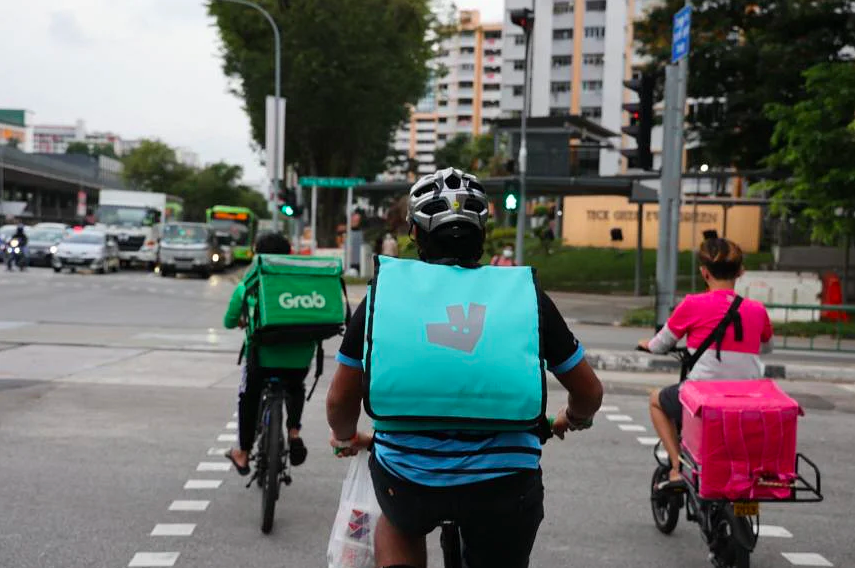
food delivery riders in Singapore

Image Credits: straitstimes.com.sg

If your spouse prefers to spend the money on convenience, take advantage of food delivery promotions instead.

This way, you can still enjoy a prepped meal without having to spend more. You might even be able to save some money.

Most food delivery services offer discounts for orders that are placed online. And if you order during off-peak hours, you can save even more. Plus, many food delivery services have loyalty programs that give you rewards for ordering from them often. So be sure to sign up for those.

Finding a compromise to keep both sides happy

Open up to the idea of compromise and try to come up with a plan that both of you are comfortable with. Perhaps you can allocate a certain amount of money each month that can be spent on dining out.

Or, maybe you can work out a plan where you cook at home more often and only go out to eat on special occasions. It’s good to understand each other’s values and spending habits so that you can find a midpoint that works for both of you.

Tips to have an enjoyable time eating out on a budget

Here are some tips:

  • If you want to save money, consider going to lunch or happy hour instead of dinner. Many restaurants offer great deals during these times.
  • When you do go out to eat, try splitting dishes with your spouse. This way, you can try more variety and save money at the same time.
  • Enjoy your time! Don’t be overly obsessed with how much money you are spending, but rather on quality time with your partner.

It can be challenging when your spouse prefers spending the money dining out over cooking at home. On the one hand, you may feel like you’re not getting your fair share of the budget when the other party spends more money on dining out than you would like. On the other hand, you may also feel like you’re not getting the healthy home-cooked meals you crave. No matter which side of the issue you’re on, have a conversation with your partner about how you feel. You may also want to consider compromises, such as cooking together or taking advantage of promotions. Ultimately, the most noteworthy thing is that both of you can come to a consensus about handling money when dining out.

Read More...

Reasons Why Couples Argue About Money

Money issues are some of the main reasons why people end up in divorce court. Money is a touching subject that plays a vital role in any household. If you have enough money, you will be able to meet your basic needs and have some measure of happiness.

There are many reasons why couples have trouble communicating about money. Here are some of them:

#1: DIVERSE MONEY EXPERIENCES

Some Singaporeans have opportunities to learn money management skills growing up; many did not. Money is tight for some, so as adults, people may take steps to avoid the consequences of not having enough money.

How money matters were discussed and handled in previous relationships will affect how people handle their money in their current relationship. Learning how to make wise choices is important.

#2: DISSIMILAR COMMUNICATION STYLES

There are different communication styles that people typically use. While some are passive, others are aggressive. Passive communicators avoid expressing their thoughts and feelings about money. They often feel resentful, anxious, or even hopeless. Aggressive communicators overly express themselves in a powerful manner. These people dominate money conversations.

Lastly, assertive communicators share their thoughts and feelings respectfully. These people know how to listen and reflect on what they are hearing from the other person. Aim for this type of communication style.

#3: DIFFERING MONEY VALUES

When it comes to finances, we tend to spend money on things we value. For instance, a person who values security spends his money on insurance. If someone values freedom, he may throw caution to the wind with their money and spend impulsively.

We decide what our values are through experience, which means they could change throughout our lives. Some factors that influence our values include our educational background, culture, age, gender, socio-economic conditions, marital status, and other expectations.

#4: NEED FOR CONTROL

If you are in a relationship where both people want to be the head of finances, problems can ensue. Different ideas of how control looks like affects how we see our financial futures. Some of us have more controlling personalities than others. However, what if both of you are controlling?

Image Credits: unsplash.com

#5: INCOMPATIBLE SPENDING HABITS

If she likes to eat out and you like to cook at home, the two of you do not see eye to eye about how to spend money on food. Discuss household responsibilities and learn how each other feels. Find a middle ground where you both compromise.

#6: COMPETING SAVING HABITS

A saver and a spender can have different dynamics at home. The saver needs to understand that the spender wants to live a comfortable life, while the spender needs to be more careful and realistic with money.

#7: DISPARITIES IN INCOME

It can be challenging to get along if one person earns substantially more than the other. One of the best solutions for this situation is to let each person pay for bills based on the percentage of total income they earn (per month).

Do not let these seven elements become obstacles that get in the way of your relationship. Create a schedule for regular money discussions.

Sources: 1 & 2


Read More...