Looking To Engage Audiences During The Coronavirus Pandemic: Try Influencer Marketing

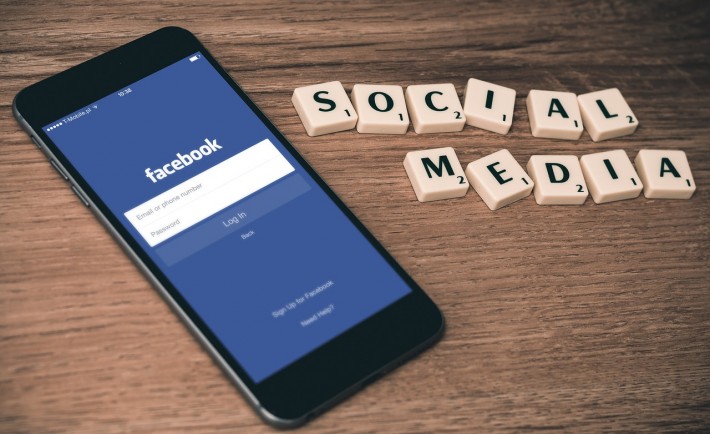
From a vibrant and fulfilling digital ecosystem to one that is evolving, adapting and changing to a new post-Coronavirus world, social media’s role in the crisis cannot be underestimated. If you had to pick one digital medium, which has evolved because of the Coronavirus, it has to be social media platforms.

All of us have been heavily dependent on social media for not only our entertainment needs, but also several different kinds of important needs.

We are talking about learning, fitness and health, news and information along with buying essential goods and services.

One way brands have been using social media successfully is by not pushing just products and services all the time. In this article, we are going to look at different ways brands are using the creative and exciting strategy of ‘Influencer Marketing’ during the Coronavirus crisis.

5 Ways Brands are using Social Media Influencers during the Coronavirus Pandemic

  1. Start Important and Engaging Conversations-

Some of the best brands are using Singapore influencers to start engagement with their target audiences on platforms like Facebook Live, Insta Live and Tik Tok. This can be anything from discussing problems being faced to offering solutions. For example, many skin care brands are working with influencers to have Q&A sessions Live on social media platforms.

  1. Sell Products and Services-

Do not think that selling products and services has taken a backseat during the Coronavirus. Influencers are working hard to align the products and services of a brand with how they can be helpful during such trying times. Many brands who are into supplying service people for repairing household appliances are demonstrating them through the homes of influencers.

  1. Improving Brand Building and Brand Recall-

Influencer driven campaigns are very good at improving brand recall and product placements at strategic places. If you see an Influencer go live always, look out for some of the products, which are occupying the frame. Most of these products are sponsored and advertised by brands.  They also end up getting many queries and sales query after the ‘Live’ session of the Influencer.

  1. Promoting Corporate Social Responsibility (CSR) and helping community-

Many brands are working on building their brand image by helping communities most affected by the Coronavirus pandemic. This involves distributing essentials like medicines, food items and clothing to people. Many brands are also using influencers and collaborating with them for increased publicity and general goodwill improvement.

  1. Future Product Launches and creating a Buzz for the same-

Many automobile manufacturers are collaborating with auto influencers and reviewers to create the right kind of noise about their new upcoming launches. Many manufacturers are also launching their new products on a purely digital level. We often find many influencers join the digital launch online and then share the same with their audiences on social media platforms.

How to choose the best Social Media Influencers for your Brand?

It is important to note that many brands go wrong at this precise juncture when it comes to selecting the right influencers to represent their brands. It is critical that brands look for influencers who share their virtues and ideals and appear to be an extension of the brand’s values on social media platforms.

When it comes to selecting influencers, it is best that a brand look at the percentage of engagement rates, which an influencer has, rather than look at mere number of followers. Some brands have also started experimenting with micro and nano influencers as they are credible and have higher engagement rates.

Price and affordability are also other things that a brand needs to pay attention to while selecting an influencer. However, what is certain is that a properly executed influencer marketing campaign during the Coronavirus pandemic can be really helpful and impactful for a brand.

Read More...

Surefire Ways To Maximize Working From Home

With the Circuit Breaker period put in place, work from home became the new normal. And while your co-worker diligently sends out emails at 8 am or messages some ideas to brainstorm on Monday, I can assure you that he or she would rather do something else at home.

This work from setup is not for everyone. It is harder from some people, and you may be suffering from anxiety already. For starters, there seems to be more work to be done as the company wants to ensure that you maximize your time. Secondly, there are constant distractions such as your clingy household pet or sister’s loud Kdrama show. Thirdly, your mother may be asking you to help around the house. Lastly, you may feel gloomy due to the uncertainty of the current pandemic.

While our tasks our different, one thing remains the same. We need to get our job done! We need to clock in at a certain time, check emails, attend Zoom meetings, and message our clients. While you have read almost all the tips surrounding the at-home office setup, each person’s experience will be completely different.

The struggle is real. The question is, what do you do about it? Here are five tips that can help you during the CB work-from-home period.

#1: TIDY UP YOUR SPACE

If you have been working in an open-space layout, then you know how it feels to not have a desk of your own. Well, now is the time to personalize your space and to get your interior design hats on. Brighten up your workspace by putting family pictures or indoor plants. Having a dedicated and decorated area makes it more inviting for you to work.

#2: TAKE BITE-SIZED BREAKS

One round of Design Home or Mobile Legends app did not hurt anyone. You may also indulge in an episode of Money Heist or take a 30-minute long nap. All of these mini-breaks enable you to work productively at home. No one is going to stop you, anyway! Ensure that you are following the deadlines and scheduled meetings set by your boss. Do not forget to provide the output that he or she needs. Get that all-important water break to nourish you throughout the day too!

#3: KNOW WHEN TO STOP

This tip goes hand-in-hand with the previous one. There must be clear boundaries set in place for all of us working from home. Because all communications are done through the email or through the phone, we tend to forget that we are already working beyond our working hours. Setting boundaries is not just for your boss. It is for your own mental and physical health too. Go offline when you are done for the day. Do a non-work related activity to ease your mind too. Take an hour of hot bath or yin yoga. Enjoy anything that will keep your mind and hands off your tools for work!

#4: DRESS COMFORTABLY

Find a style that works for you. If you find that you are more productive by wearing pajamas then, do that. Others may feel the need to get dressed in uniform to set the tone for their work day. It is all in the matter of preference. There is no pressure to dress nicely as you will only sit in your home office. However, you must dress appropriately for video conferences or online meetings.

#5: COMMUNICATE EFFECTIVELY

Communication is essential to help you survive this setup. Talk to your co-workers about the task at hand. Ensure that no details are wrong or misunderstood. Talk to your boss about the support you need to get for a particular project. Communicating what you need and how you feel will bridge the gap between the online and offline processes. It can also be a way for you to reduce your stress.

Image Credits: unsplash.com

At the end of the day, it is really up to you to find a flow that would help you stay productive and efficient while enjoying your work-from-home setup.

Read More...

Useful Tips To Pass Your IELTS Test

Singaporeans who are applying for a job overseas or are keen on taking on an opportunity to study in United Kingdom or Australia will have to pass the IELTS exam. IELTS stands for International English Language Testing System. It is one of the top examinations used to measure one’s English language proficiency. To be considered competent in the English language, the applicant must earn a score of 6 or above in each component.

The International English Language Testing System or IELTS is an international standardized examination that measures one’s English language proficiency, especially for non-native English speakers. Its results are accepted by numerous organizations and institutions worldwide. Institutions include universities, immigration departments, government agencies, and so on. Kick-start your career by taking this test.

While you are in the Circuit Breaker period, you may use the luxury of time to study for your IELTS exam. Here are some practical tips that you may start with.

#1: PRACTICE READING EFFICIENTLY

The reading assessment component typically lasts for 60 minutes. The more you read, the faster you become. To reach this point, you must practice diligently. Moreover, you must not forget the comprehension aspect of reading. Reading fast does not mean that you will be able to digest everything you read. Start with a small chunk of material at a given amount of time. Then, shorten that time-frame.

Allot time for both academic reading and leisure reading. You do not need to focus on IELTS review notes entirely. You may opt to read materials that are heavy by day and light by night. Do not overwork your brain.

#2: READ THE SUBTITLES

Practice reading fast and efficiently by activating the subtitles of the Korean dramas or the movies that you watch. According to a 2010 research entitled “The Cognitive Effectiveness of Subtitle Processing”, subtitles can enhance a child’s reading and literacy skills. Read the subtitles on Netflix as you binge watch. You get to indulge in your favorite pastime too!

#3: LEARN TO SKIM AND SCAN

Skimming is the manner of quickly moving your eyes over the material. This will give you a general overview of the entire content. Scanning, on the other hand, lets you go over a specific material to locate data. This will enable you to scan for the answers in an essay. Both reading techniques will help you save time.

#4: SPOT PARALLEL PHRASES

Many IELTS questions will assess your ability to match similar phrases or parallel phrases. These phrases have the same meaning, but are worded differently. A phrase such as “love to cook” and “cooking is my hobby” are parallel phrases.

#5: GROUND YOUR EXPECTATIONS

Gain confidence by knowing what to expect. This way, you will be able to take the exam without getting caught by surprise. For instance, you will have to take the oral component too whereby you have to speak out loud. Learn the exam’s format by searching free resources online or by purchasing practice materials from the bookstore.

#6: MANAGE YOUR TIME

Take practice tests before your IELTS exam. You need to pace yourself. To mimic the nature of the exam, you must be strict when it comes to the instructions and the time. Allow yourself to finish the reading practice tests in an hour, as officially stated.

Image Credits: unsplash.com

During the examination, you may skip the difficult questions first and move on to the easy ones. Tackle the gaps before proceeding to the next component or the next part of the exam. Good luck!

Read More...

Why Working From Home Mashes Dark And Light Sides

Ever wondered what it was like to work from home (WFH)? Wish granted! In line with the social distancing measures posed by the Government, most of the Singaporeans are now working from home. It allows you to earn Singaporean dollars despite being in your pajamas. However, what most people do not know is that this perk come with a price.

Your ability to glide through the setbacks of the home office depends on your personality. For instance, people who are disciplined or conscientious can easily work through the domestic tides. While, people who are procrastinators or crammers may have a hard time fighting the distractions at home. On that note, here are the light and dark sides of WFH.

LIGHT SIDE

It goes without saying that WFH enables you to become your own boss. Without a manager in sight, your deeply rooted passion will motivate you to be creative and productive. You make your own schedule and rules. To illustrate this, a 2014 Stanford University study allowed call-center employees to WFH.

Graduate student James Liang and his Economics professor allowed Ctrip’s employees the opportunity to work from home in a period of 9 months. Ctrip is a travel website owned by Liang himself. The study found that the remote employees had higher productivity levels (13.5%) and lower chances of quitting (50%) compared to their counterparts. Moreover, these remote employees reported that they are happier with their job. Imagine the output that satisfied employees produce!

According to Liang and his professor, the positive results may be attributed to the quieter space that the employees created for themselves. You are free to paint the walls blue or to have classical music on the background as you freshen up your own working environment.

Apart from that, setting your own work hours enables you to do more of the things you want such as baking or teaching your children how to read. You may also initiate a video conference with your workmates whom you miss.

DARK SIDE

As with everything, there are two sides of a coin. A pervasive drawback of WFH is the vulnerability to distractions such as noisy family members, accessible electronic devices, and abundant chores. Chores do not seem to end for some reason!

There is a considerable lack of separation between work and home during the initial stages of having a home office. Based on personal experience, there were days when I worked beyond my designated hours. The absence of a management enforcing strict working time may add to the pressure of grinding endlessly. Case and point, I work on weekends too.

Higher utility costs is inevitable if you barely leave your house. Lastly, you may experience negative states as you were plucked from the “interpersonal office environment”. I am referring to feelings of isolation, depression, and loneliness. This can be prevented if you stay in touch with your co-workers.

Image Credits: unsplash.com

The current situation opens our eyes to the wonders and the unpleasantness of working from home. Comparisons aside, accepting the reality and working with your at-home environment will enable you to embrace the work-from-home structure.

Read More...

How To Be More Productive During Quarantine

With the beaming light from my phone and a distinct “ding”, I received a message from my friend. She was up until the wee hours to finish her Interior Design plates. She asked my professional advice regarding the root of her need to procrastinate.

Productivity is premium at this time. It is usually expressed as a ratio of input to output. You may illustrate it as the number of products produced per working hour. Given the cost of the working hours, productivity can also measure the efficiency of a business.

Productivity matters because there is so much that needs to get done in a day. In most business models, profitability is a function of productivity, price, and volume. Interestingly, productivity can be seen as subjective. You define how productive you are. Often, there is a gap between reality and perceived productivity. Combat this by following these tips.

1. SET BITE-SIZED TASKS
2. FOCUS THEN PAUSE
3. KNOW WHY YOU PROCRASTINATE
4. BE PRESENT
5. ALLOW YOURSELF TO FAIL

#1: SET BITE-SIZED TASKS

You do not have to finish everything in one consumption. For instance, I have taken the Google Digital Garage Digital Marketing course for three days. Initially, I have the choice to finish everything in one day or to follow the rhythm of my pacing. I chose the latter. It is healthier that way!

Create a schedule for tasks that need to be completed and break these down into tiny parts. Segmentation allows you to celebrate the completion of each task. This boosts your confidence and helps increase your motivation to continue on.

#2: FOCUS THEN PAUSE

Create a schedule following a specific time-slot to guide your work from home. Focus for periods spanning from 90 to 120 minutes. Then, pause and walk within your flat or nearby. This will help you refresh your mind.

You may also indulge yourself in distractions. It does not hurt to play a game for 10 to 20 minutes. Do the things you were told not to do at the workplace. You deserve this short break. Afterwards, go back to the task at hand.

#3: KNOW WHY YOU PROCRASTINATE

Going back to my friend, I analyzed her need to procrastinate. In her case, it is because she is a perfectionist. She feels the pressure of designing her plates right to get the approval of her supervisor. People envision outcomes so outstanding that their expectations become more intimidating than inspirational.

“Perfectionists aren’t people who do something perfectly. Perfectionists are people who fantasize about doing something perfectly.” – Mr. John Perry, a Philosophy Professor at Stanford University

For entrepreneurs who hold accountability for everything, procrastination is a problem. It usually happens when they have no experience or are not familiar with the topic at hand. Knowing why you procrastinate is the first step!

#4: BE PRESENT

Oh, mindfulness! I have completed 11 days of my mindfulness meditation journey. In my path, I realized that being present is a great way to be productive.

A mindful person knows how to differentiate what is “important” and what is “urgent”. Knowing these labels can help you prioritize certain tasks. Moreover, you will be able to lessen the time spent on unimportant tasks.

#5: ALLOW YOURSELF TO FAIL

Productivity does not equate to perfection! Allow yourself to abandon the plan for the day. Sometimes, things do not go the way you want it to. With the uncertainty knocking in our doors, it is helpful to focus on the progress and allow yourself to fail once in a while.

Image Credits: unsplash.com

Technology can either help or distract you. Does it mean that you will quit using it entirely? Of course not! Allow your brain to move from one task to another whenever it pleases. After all, the circuit breaker period is teaching us the importance of slowing down and focusing on what is important.

Sources: 1 & 2

Read More...