Extremely Drained from Work? Here are 5 Ways to Feel Less Tired

There’s something about working eight hours a day that leaves us feeling exhausted. Whether you constantly deal with difficult clients or completing an important project, a day at work can leave you unmotivated to do anything else. How are you supposed to meet up with your friends or to teach your child how to accomplish his homework?

Feeling depleted or burnout due to work demands can manifest in a variety of ways such as:

a. having negative, cynical, or pessimistic feelings about your job,
b. finding it difficult to be productive, and
c. feeling less confident about your work.

If you experience any of these symptoms, it may be time to start identifying the triggers that may contribute to your fatigue and consider making changes to achieve a healthy work-life balance.

WHAT IS STRESS-RELATED FATIGUE?

When you are heavily suffocated with stress in the workplace, you can experience stress-related fatigue. Feeling emotionally and physically down can be due to being sedentary at work, consuming too much sugar and caffeine, not taking enough breaks, and being in a stressful work environment. You may deal with this type of fatigue because of heavy workload, job insecurity, or other life and work stressors.

#1: SKIP ON CAFFEINE

We cannot deny the stimulating effects of caffeine, but if you do not want to spend the entire night scrambling around, drinking espresso after work is probably not a good idea. Try munching a banana instead.

You will be surprised by how a banana boosts your productivity! Bananas are a fantastic source of carbohydrates, natural sugar, and vitamins. All of these helps increase your energy levels.

#2: TAKE A POWER NAP

During your lunch break or after work, you can consider taking a power nap. If you can find a quiet space to rest, napping earlier in the day is better to avoid ruining your nighttime routine.

Even a 20-minute nap will help revitalize your body and make you feel fresh. However, be sure to set your alarm to prevent oversleeping. Otherwise, you’ll wake up feeling groggy.

#3: EXERCISE REGULARLY

After an exhausting day at work, you might feel that exercise is the last thing on your mind. Believe it or not, regular exercise will make you feel less tired in the long haul. Walking and physical activity can help manage stress and increase your energy levels.

Do this gradually. Build up your stamina over time until you reach the recommended goal of 150 minutes of moderate-intensity aerobic exercise (e.g., cycling, doubles tennis, or brisk walking) as well as strength exercises on 2 or more days a week that work all the major muscles (i.e., legs, hips, back, abdomen, chest, shoulders, and arms).

#4: DRINK MORE WATER

You’ll likely notice a change in your mood, ability to concentrate, and energy level when you are dehydrated. In fact, studies have shown that being just half a liter dehydrated can elevate your cortisol levels. So, keep fatigue at bay by drinking water sufficiently. Drinking enough water can help reduce the negative psychological and physiological impacts of stress.

Image Credits: pixabay.com

#5: CONSIDER TALK THERAPY

Research shows that talking therapies such as counselling or Cognitive Behavioral Therapy (CBT) might help fight fatigue or tiredness, caused by stress, low mood, or anxiety. Ask for support from your trusted social circles or seek professional help.


Sources: 1, 2, 34, & 5

Read More...

An unconventional asset: The reasons why you should hire a highly sensitive person

two men shaking hands

Why on earth would you even consider hiring a highly sensitive person for your team? Are they worth the “trouble”?

Let us take a moment to tell you why you should seriously consider hiring such people. Hiring the right person for a job can have a huge impact on your team and organization, and hiring someone with a high sensitivity level can open up new areas of possibilities and benefits that other candidates simply can’t offer.

From their sensitiveness to their motivation and dedication, these people have much more to offer than what meets the eye. Let’s dive in!

What is a highly sensitive person (HSP)?

Are you an employer in need of an unconventional human asset?

One who understands the subtleties of any working environment and can connect to the feelings of those around them? Consider hiring a highly sensitive person (HSP).

What is a highly sensitive person? They are individuals who tend to be deeply moved by the emotions around them and are more aware of subtleties than others. HSPs can often sense what’s going on with people before they even speak up.

This awareness allows them to be sensitized to how their team members or customers may be feeling, and therefore able to make better decisions. In addition, HSPs are highly adept at noticing patterns in data and then connecting that data to what they pick up emotionally. Their decisions come from a deeper place of understanding and empathy.

Benefits of having an HSP on your team
listening to a coworker

Image Credits: unsplash.com

When it comes to hiring, it pays to consider people with a little something extra.

HSPs bring some unique advantages to the table that can make them the highest performers on your team.

Just think of all the benefits you will get with an HSP on board:

  • They have sophisticated people skills—they intuitively understand how to make individuals feel heard and cared for, so interpersonal relationships can develop more easily.
  • They are empathetic—they take into account other people’s feelings and use those insights when communicating with others.
  • They bring a creative, curious mindset to their work—HSPs have an eye for detail and think outside the box when it comes to problem-solving.
  • They are highly tuned into their environment—paying close attention to changes in atmosphere, mood, and culture to create a better working environment for everyone.

By considering highly sensitive candidates as part of your recruitment process, you will be able to benefit from these qualities and gain a valuable asset for your team.

Challenges when managing highly sensitive people

You may find yourself wondering—are highly sensitive people tough to handle? That’s a fair question.

The fact of the matter is, managing and working with highly sensitive people can be challenging if you’re not prepared.

For one, highly sensitive people tend to be overwhelmed by too much stimulation in the workplace. Too much sound, smell, or intensity of interaction can lead to stress and ultimately result in decreased performance. HR managers and bosses need to take this into account when managing HSPs.

Strategies to assist HSPs in the workplace
an open office space

Image Credits: unsplash.com

When you hire an HSP for your team, you needn’t worry—there are a few strategies that are easy to implement to help them succeed and boost morale in the workplace.

  • Abort your open office plan

The first step is to consider whether an open office plan is the best fit for the workplace.

While it may be the norm, it can be difficult for HSPs to thrive in this kind of environment since too much noise and too many distractions can cause them to become overwhelmed or anxious.

When considering hiring an HSP, make sure you have safe, quiet spaces away from the noise for them to work.

  • Don’t criticize them upfront

HSPs may take feedback differently than what you expect from someone else on your team because they tend to process information deeply and intensely.

Whenever you provide feedback on their work, be mindful of their needs and make sure they understand it’s just constructive criticism—not a personal attack.

This will help prevent feelings of hurt or resentment that could stem from bluntness or misunderstanding later down the line.

  • Look for opportunities to help HSP employees apply their empathy skills

One thing HSPs are often great at is empathizing with people—so look for opportunities where they can bring it into the workplace and apply it in useful ways.

For example, having conversations with customers or meeting with vendors for project management roles are great ways for HSP employees to demonstrate their empathy skills while also proving themselves valuable within your organization.

As we close, know that while there may be challenges in managing highly sensitive individuals, they also come with significant benefits. Not only are they able to pick up on subtleties and nuances that other people might miss, but they are also able to bring a creative, open-minded, and emotionally aware approach to your team. Highly sensitive people can be a valuable asset to any organization and should not be discounted.

Read More...

Make the most of your newsletter: Monetizing strategies that work

popup newsletter sign up

Would you like to make some extra cash without the extra effort?

Well, if you have a newsletter, you’re already halfway there. Since you’ve already built an audience who knows and trust you, now’s the time to make the most of that relationship and monetize it.

There are dozens of ways to monetize a newsletter, from selling digital and physical products to sponsored content and affiliate marketing. But the even better news is that you don’t have to do them all—just pick the strategy that works best for your target audience.

Offer exclusive content to subscribers

If you’re considering monetizing your newsletter, one of the best ways to start is by offering exclusive content for a small fee.

Paid newsletters provide subscribers with access to content that isn’t available to the general public—and depending on the content, it can be very attractive to potential subscribers.

You can start small by making some of your content exclusive. Choose articles or topics that you feel are of special interest and create a few premium newsletters on those topics each month.

In addition to offering exclusive content, you could include behind-the-scenes videos or podcasts, special discounts on products or services, or even amplify the credibility of your brand or business through interviews with industry experts. Whatever you choose as an incentive should be seen as a bonus that offers extra value for what your subscribers are getting.

Leverage affiliate marketing

First, find an affiliate program associated with products or services related to the content of your newsletter.

Once you become an affiliate partner, you can add corresponding links to your newsletter. When your readers click on these links and buy something, you get a commission as a reward for helping them out!

You can also introduce readers to new services and products by mentioning relevant companies in your content and including appropriate affiliate links. Furthermore, if you have any special discounts or offers from vendors, don’t forget to promote them! Affiliate marketing will let you maximize the earning potential of your newsletter.

Engage in sponsored content partnerships
sponsored newsletter sample

Image Credits: workdesign.com

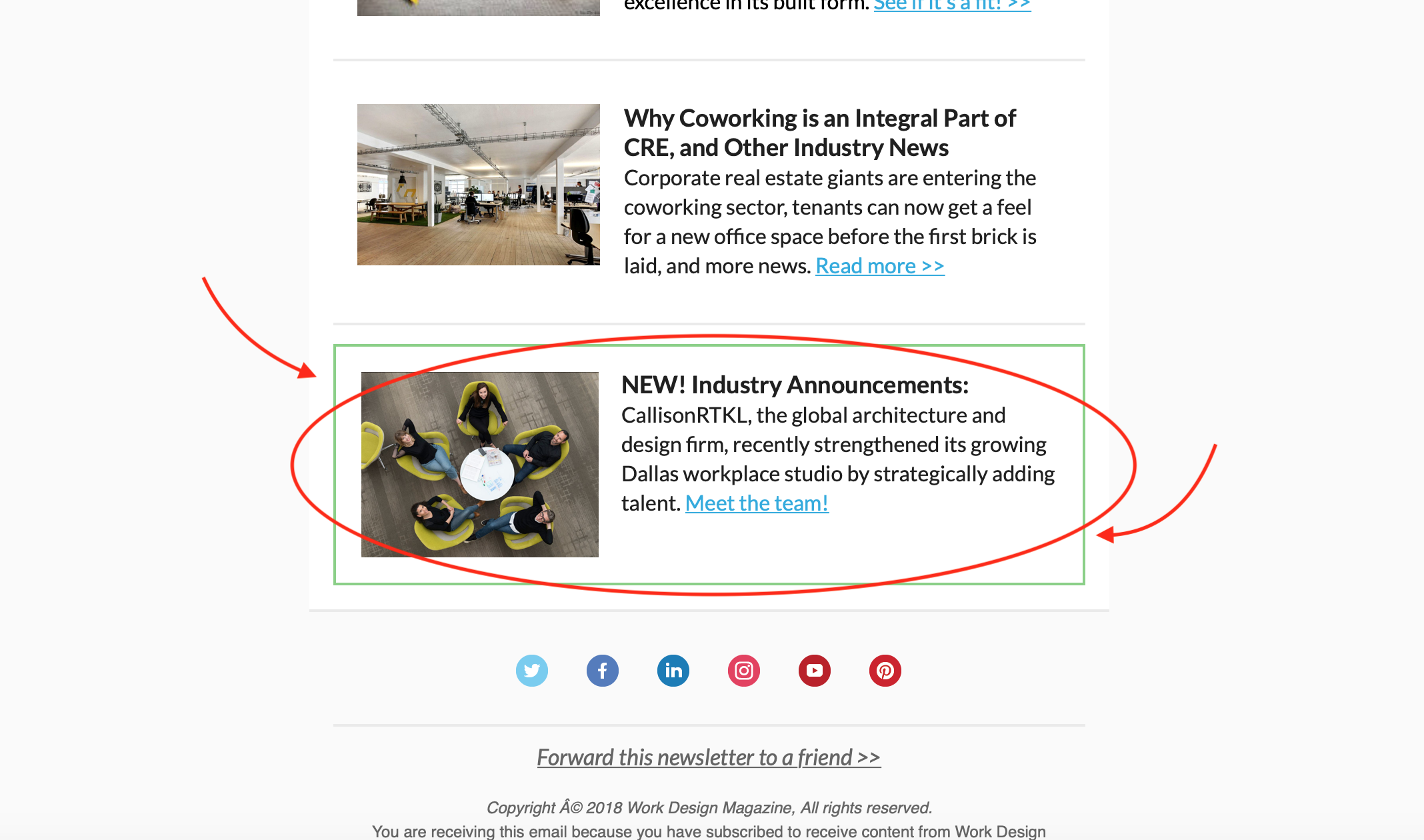
Offer your readers exciting, quality content from sponsors that aligns with your newsletter’s theme.

This can be in the form of articles, podcasts, videos—whatever you choose! And don’t forget to include the link where readers can find out more about the sponsors and whatever product or service they are offering.

But how do you go about finding sponsors? Well, having a media kit will help you start the conversation! Your media kit should include things like:

  • Your newsletter’s demographic information
  • Your readers’ interests
  • The frequency of your emails
  • An overview of what topics you cover
  • Your newsletter’s reach and engagement rate from past campaigns

With an impressive media kit that shows off just how amazing and engaged your community is, you will be able to grab the attention of potential sponsors easily.

How to increase your subscribers

You want to reach as many people as possible, and there are a few simple strategies that can help you do this.

  • Run contests

If you run contests or giveaways in your newsletter, it can help drive people to subscribe.

Not only is it a great incentive for readers, but it can also help promote brand awareness and loyalty. Also, if you offer something FREE, more people will likely sign up for your newsletter—after all, who doesn’t like free stuff?

  • Use exit intent popup offers

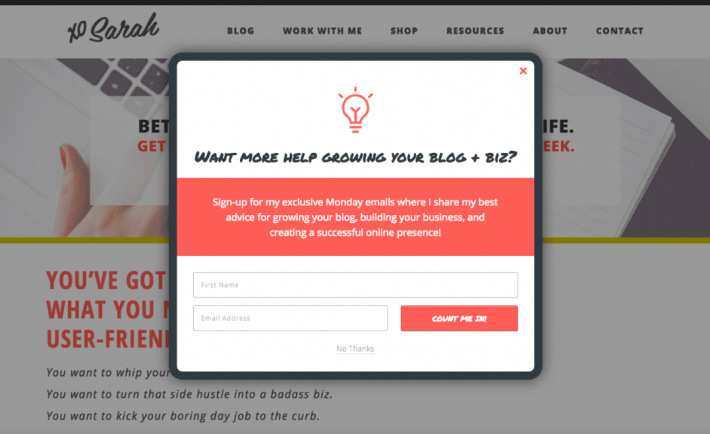
Having an exit intent popup offer (when viewers are about to leave your page) is another powerful way to increase subscribers.

If someone is about to abandon your page without subscribing, offering them a discount or other incentive may encourage them to stay and join your list.

You can also provide info about the benefits of signing up for the newsletter—special coupons or discounts offered exclusively to subscribers, access to exclusive content, and more—so they know what they’re signing up for before they commit.

Taking people’s time and attention is a precious commodity—so make sure you’re treating it as such. By monetizing your newsletter, you can increase your revenue streams, build a slower, sustainable form of income, create multiple entry points for customers into your funnel, and most importantly, continue to bring value to your readers. Whether you’re looking to make the most of your newsletter or just trying to find new revenue streams for your business, email monetization is a great way to get more out of your newsletter. With the right strategies in place, you can take your newsletter from a passive income stream to a powerhouse for your business.

Read More...

7 Simple Ways to Stay Positive at Work

Psychology defines attitude as a set of emotions, beliefs, and behaviors toward a particular object, person, or event. It involves a person’s perspective or mindset.

What does it mean to have a positive attitude at work?

There are times when it is crucial to have a positive mindset at work. Whether you are meeting with difficult clients or giving an important presentation to your supervisors, you need to solve problems with zestiness to arrive at a beneficial outcome.

Having and practicing a positive attitude is not about being blindly optimistic or avoiding negative scenarios. Instead, it means being realistic about people and situations at work, while acknowledging both failures and successes. With a positive attitude, setbacks are not interpreted as a sign to give up because they motivate the person to begin improvement and problem solving.

When you feel exhausted or disappointed because of constant work-related failures, it is harder to keep a positive attitude. Thus, you have to learn strategies to maintain a positive attitude at work. Maintaining this will enable you to stay productive, motivate others, and achieve your organization’s goals.

#1: INTERACT WITH POSITIVE PEOPLE

It only takes a few rotten apples to spoil the barrel. Surrounding yourself with co-workers who complain about everything can make you see the world in a different light. You might think that radiating your positivity can help change them, but that is not always the case. It is best to surround yourself with positive people.

Connect with people who ignite innovative ideas, enjoy their tasks, and who are interested in many things outside of work.

#2: ALTER YOUR VOCABULARY

Your overall work attitude can improve by adjusting your vocabulary. Consider replacing negative words with positive words in conversations and performance appraisals. Let your team members know what they are doing right and how they can improve in other areas rather than only focusing on what they are doing incorrectly.

#3: FOCUS ON THE SOLUTIONS

Focusing on the solutions will enable you to think of the best ways to address an issue. If you feel that a co-worker is not contributing to the team, consider assigning the person to a new task or offering one-on-one coaching.

#4: SMILE MORE

Smiling more often may improve your mood, according to studies. It can also help clients and co-workers feel more comfortable when interacting with you. Make an effort to smile several times throughout your workday.

#5: SHOW YOUR GRATITUDE

Appreciating others and extending your gratitude are priceless gestures that can impact a person. Selfless acts of kindness most often result in appreciation from your co-workers or your boss, which can make you both feel good. For instance, you can give a card or a simple gift to your co-worker who recently got married.

#6: REWARD YOURSELF

As much as you appreciate others, you must also reward yourself. Improve your attitude while at work by rewarding yourself when you attain milestones or small wins. For instance, you can take yourself out to your favorite restaurant after accomplishing a certain number of tasks throughout the week. Doing something you love can help motivate you to continue working.

#7: TAKE (MUCH NEEDED) BREAKS

Taking breaks during the day can help lessen stress and negativity. Go for a short walk during your lunch break or do some light stretches when you have time. To ensure that you have more time to slow down at the end of your shift, consider completing your complex tasks earlier in the day.

Image Credits: unsplash.com

If you are feeling immensely stressed, it may be beneficial to your mental health to take a day off work.

Sources: 1 & 2

Read More...

Writing winning marketing emails that increase your ROI

a person typing on a laptop

Are you spending time crafting marketing emails that just aren’t getting the results you want? If so, it may be time to add a few new elements to your writing strategy.

When it comes to crafting great marketing emails that convert, there’s more at play than just killer copy. There are certain design elements, psychology tactics, and even the timing of your send that can make or break your email’s success.

In this article, we will show you how to write winning marketing emails that guarantee increased returns on investment (ROI). We will share our best tips for constructing marketing emails that engage readers and entice them to click on your call-to-actions (CTAs).

Writing an effective subject line for marketing emails
email subject line

Image Credits: online.berklee.edu

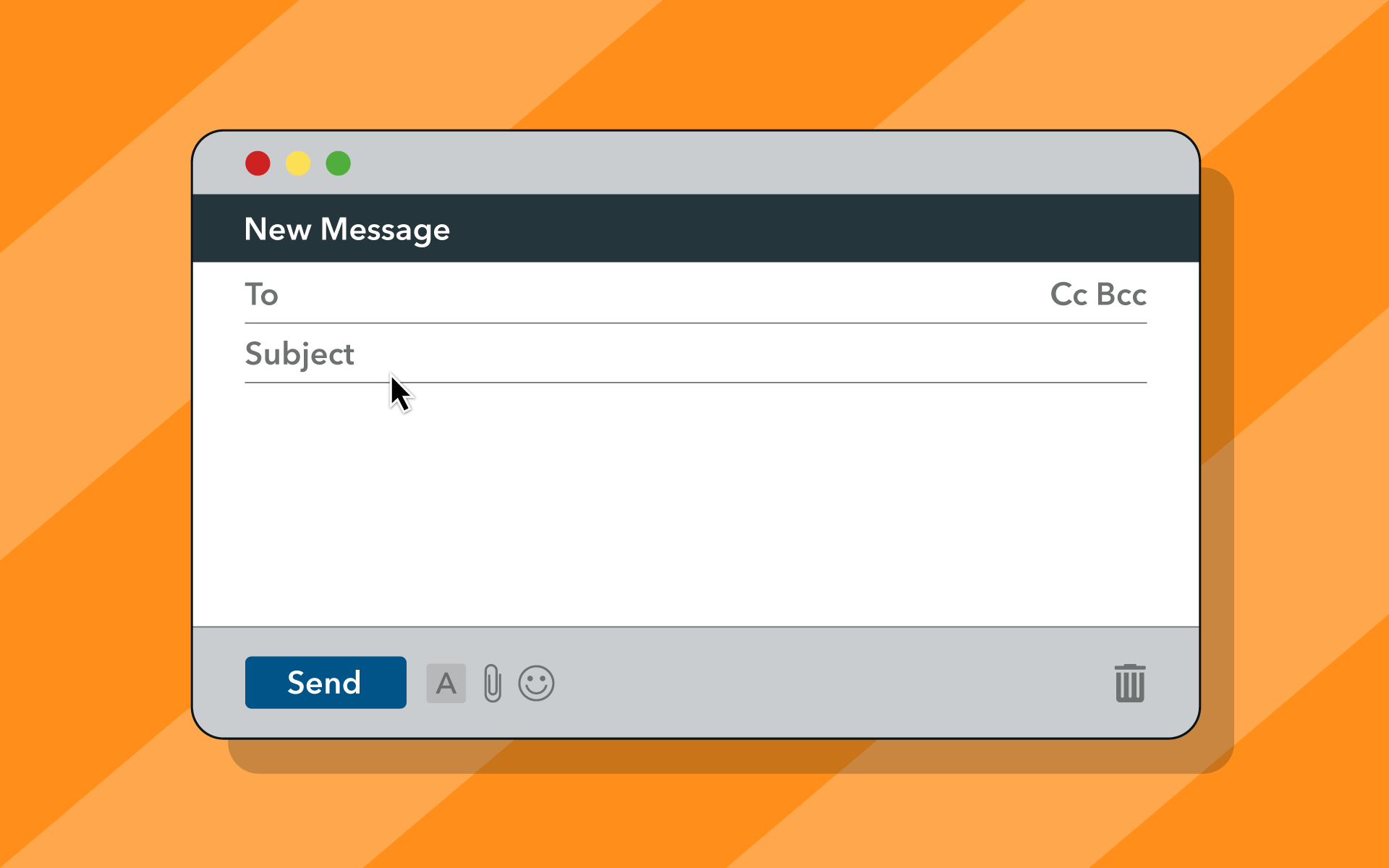
Let’s be honest, you’re not the only one sending emails to your customers. That means your subject line has to be good enough to stand out in their inbox.

When it comes to writing effective subject lines for marketing emails, there are a few tried and true tactics that can help. First and foremost—keep it succinct.

You want readers to be able to get a sense of the content from just glancing at the subject line. Additionally, try incorporating personalization into your subject line—addressing the reader by name is proven to make them read further and stick around longer, increasing ROI. So, if you have the subscriber’s first name, make sure you use it!

Also, make sure you include context in your subject line to pique curiosity and motivate readers to engage with your email. Ask yourself: will readers know what my email is about just by reading the subject line? If not, you will need to provide some more information within the line itself.

Crafting your email body for maximum engagement

Once you have someone’s attention, the next step is to whet their appetite by giving a taste of what they can expect in the body of your email.

Keep it punchy and focused on addressing their needs; your reader should be able to quickly identify the benefits they can gain from reading further.

When crafting the body of your email, keep it brief yet detailed enough to provide the necessary information. Short and sweet wins non-converting subscribers. While there’s no exact word count that ensures success, aim for no longer than 150 words. This keeps your emails succinct and avoids overwhelming readers with too much information.

Use language that resonates with your ideal customer persona, focus on providing value, and pay attention to results by linking out or tracking clicks. Above all, make an effort to avoid typos and grammatical mistakes—these small things can make or break an email campaign.

Tips for creating more effective CTA buttons
call-to-action-buttons

Image Credits: bigdcreative.com

So, how do you make sure your CTAs stand out? Here are a few tips to get you started:

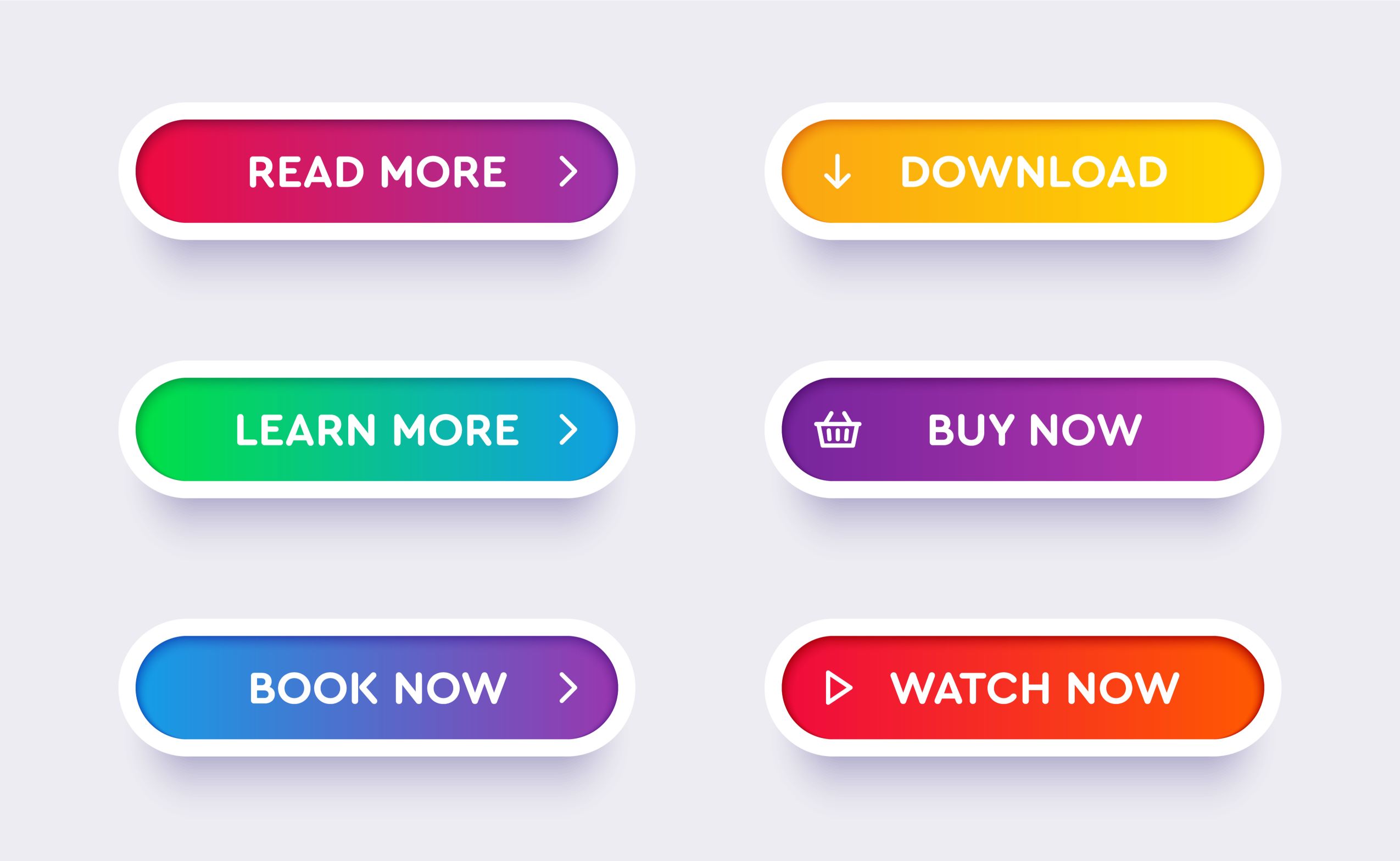
  • Start CTAs with a verb

Verbs help to guide your audience down the right path and make sure they know exactly what they should be doing! For example, you can use “Watch now” or “Learn more today”.

  • Use multiple CTAs

It’s not enough to just have one CTA button in place. You should aim for multiple CTAs, as this will give your readers more options and opportunities to act. Try one at the start of the email, then again at the end for good measure.

  • Keep CTA copy short and succinct

No one likes wading through paragraphs of copy when trying to navigate their way around an email. Keep it as concise as possible and make sure it’s actionable and informative enough so that it leaves no doubt as to what will happen when they click on it.

  • Use vibrant colors for CTA buttons

CTA buttons should stand out from the rest of your content. Choose bright colors that contrast against white backgrounds and draw attention. A customer’s eyes should effortlessly flow from the text of your email to the CTA button without skipping a beat!

  • Optimize the unsubscribe process

There are bound to be a few people on your contact list who decide your emails aren’t for them—and that’s okay. Make sure they have an easy way to unsubscribe by including an ‘unsubscribe’ button in a prominent spot at the bottom of all your emails. This will help keep maintain satisfaction from the user’s end. You never know when they might subscribe again.

Writing great marketing emails that generate leads is a skill set that takes practice. It’s important to understand the nuances of email design and its psychology to be successful in email marketing. While there’s no single formula for success, having a good understanding of your audience’s needs and crafting emails that deliver value and motivate them to take desired actions are key. By taking the time to create emails specifically tailored to your target audience and refining your email copywriting skills, you will be one step closer to achieving the ROI you seek for your campaigns.

Read More...