
Writing winning marketing emails that increase your ROI

a person typing on a laptop

Are you spending time crafting marketing emails that just aren’t getting the results you want? If so, it may be time to add a few new elements to your writing strategy.

When it comes to crafting great marketing emails that convert, there’s more at play than just killer copy. There are certain design elements, psychology tactics, and even the timing of your send that can make or break your email’s success.

In this article, we will show you how to write winning marketing emails that guarantee increased returns on investment (ROI). We will share our best tips for constructing marketing emails that engage readers and entice them to click on your call-to-actions (CTAs).

Writing an effective subject line for marketing emails
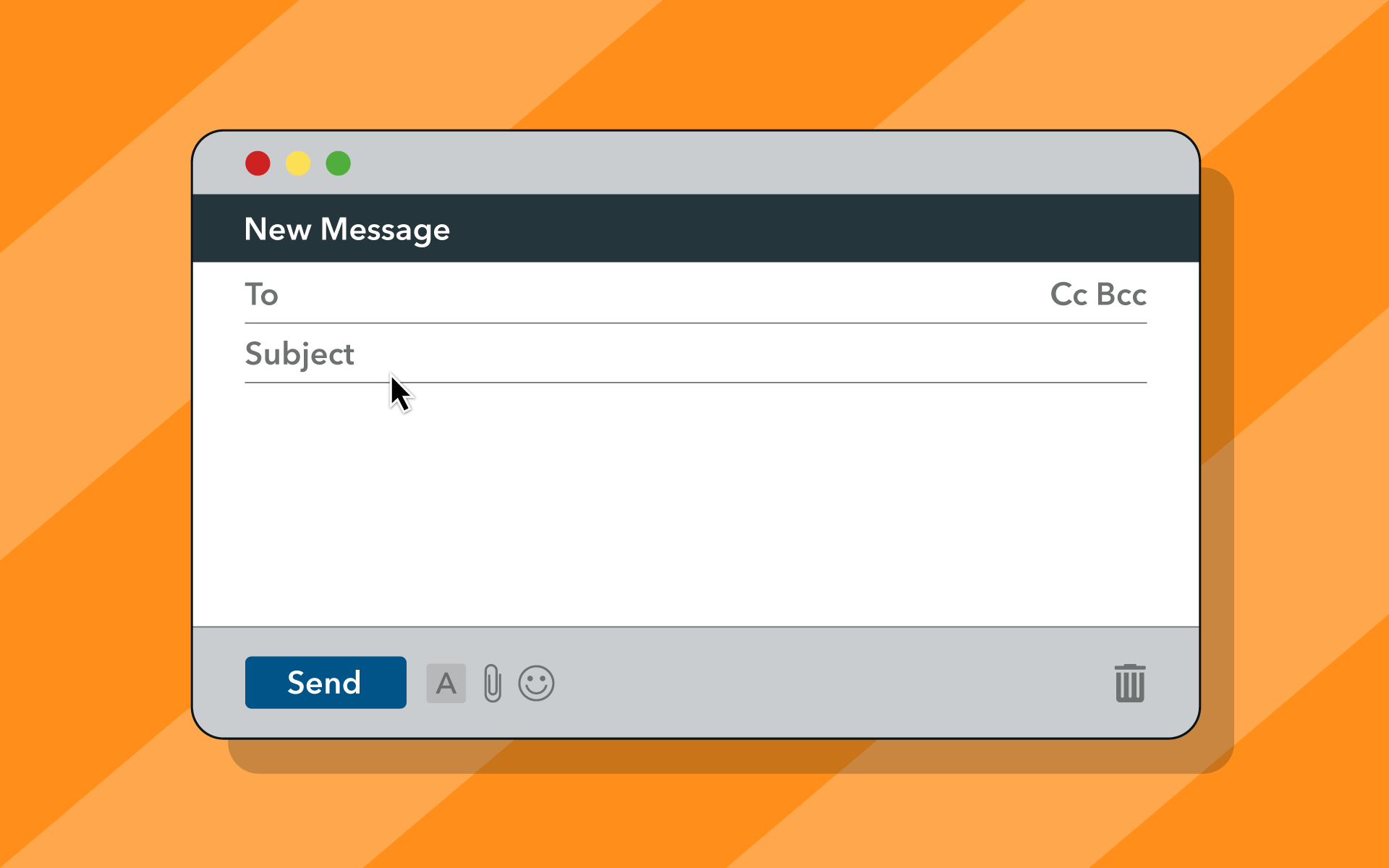
email subject line

Image Credits: online.berklee.edu

Let’s be honest, you’re not the only one sending emails to your customers. That means your subject line has to be good enough to stand out in their inbox.

When it comes to writing effective subject lines for marketing emails, there are a few tried and true tactics that can help. First and foremost—keep it succinct.

You want readers to be able to get a sense of the content from just glancing at the subject line. Additionally, try incorporating personalization into your subject line—addressing the reader by name is proven to make them read further and stick around longer, increasing ROI. So, if you have the subscriber’s first name, make sure you use it!

Also, make sure you include context in your subject line to pique curiosity and motivate readers to engage with your email. Ask yourself: will readers know what my email is about just by reading the subject line? If not, you will need to provide some more information within the line itself.

Crafting your email body for maximum engagement

Once you have someone’s attention, the next step is to whet their appetite by giving a taste of what they can expect in the body of your email.

Keep it punchy and focused on addressing their needs; your reader should be able to quickly identify the benefits they can gain from reading further.

When crafting the body of your email, keep it brief yet detailed enough to provide the necessary information. Short and sweet wins non-converting subscribers. While there’s no exact word count that ensures success, aim for no longer than 150 words. This keeps your emails succinct and avoids overwhelming readers with too much information.

Use language that resonates with your ideal customer persona, focus on providing value, and pay attention to results by linking out or tracking clicks. Above all, make an effort to avoid typos and grammatical mistakes—these small things can make or break an email campaign.

Tips for creating more effective CTA buttons
call-to-action-buttons

Image Credits: bigdcreative.com

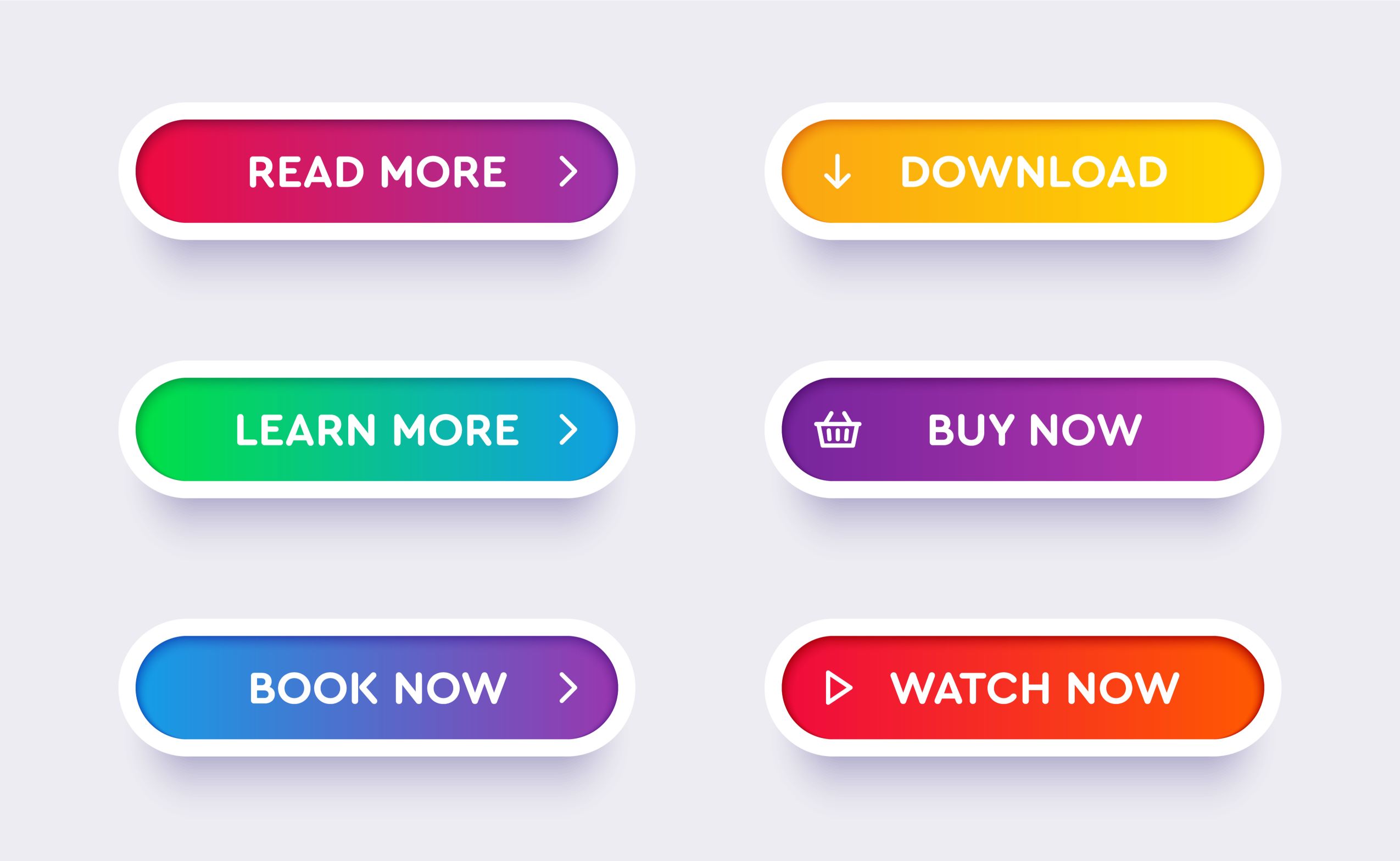
So, how do you make sure your CTAs stand out? Here are a few tips to get you started:

  • Start CTAs with a verb

Verbs help to guide your audience down the right path and make sure they know exactly what they should be doing! For example, you can use “Watch now” or “Learn more today”.

  • Use multiple CTAs

It’s not enough to just have one CTA button in place. You should aim for multiple CTAs, as this will give your readers more options and opportunities to act. Try one at the start of the email, then again at the end for good measure.

  • Keep CTA copy short and succinct

No one likes wading through paragraphs of copy when trying to navigate their way around an email. Keep it as concise as possible and make sure it’s actionable and informative enough so that it leaves no doubt as to what will happen when they click on it.

  • Use vibrant colors for CTA buttons

CTA buttons should stand out from the rest of your content. Choose bright colors that contrast against white backgrounds and draw attention. A customer’s eyes should effortlessly flow from the text of your email to the CTA button without skipping a beat!

  • Optimize the unsubscribe process

There are bound to be a few people on your contact list who decide your emails aren’t for them—and that’s okay. Make sure they have an easy way to unsubscribe by including an ‘unsubscribe’ button in a prominent spot at the bottom of all your emails. This will help keep maintain satisfaction from the user’s end. You never know when they might subscribe again.

Writing great marketing emails that generate leads is a skill set that takes practice. It’s important to understand the nuances of email design and its psychology to be successful in email marketing. While there’s no single formula for success, having a good understanding of your audience’s needs and crafting emails that deliver value and motivate them to take desired actions are key. By taking the time to create emails specifically tailored to your target audience and refining your email copywriting skills, you will be one step closer to achieving the ROI you seek for your campaigns.

Read More...

The benefits of creating quality short-form videos for your brand

filming short-form videos

Have you been thinking about creating short-form videos for your brand, but don’t know if it’s worth your time?

If so, then you haven’t heard of the fantastic benefits of producing quality videos that are sure to bring value to your business.

This article will help you understand why creating quality, short-form videos can be the right move for your brand. We will go over why it’s important and provide helpful tips on how to create quality, shareable video content.

We will also cover how to make the most of what you’ve produced and help you get the most out of your videos. So let’s get started! Here are all the great things about creating short-form videos for your business.

Why you should consider creating short-form videos

Are you looking for a way to drive engagement and lead generation?

Short-form videos could be the answer you’re looking for. This type of content ranks #1 for both lead generation and engagement, as it offers a way to reach and engage with audiences in an organic, consumable, and easily shareable format.

Moreover, short-form videos provide higher engagement with targeted audiences, particularly the younger generations. This is due to the bite-sized nature of the content—videos that are concisely packaged yet contain messages with emotional resonance have been proven to have higher shareability and viewing rates than longer-form pieces.

Marketers have invested more in short-form videos than any other content format in 2022—a trend that’s only likely to grow in popularity this year. Ultimately, if your goal is to grab attention quickly, then shorter videos can be more effective than longer ones. By considering creating quality short-form videos for your brand, you can increase leads and create more meaningful engagements with your target audience.

Ways to brainstorm for video ideas
woman filming herself

Image Credits: kristinkornblog.com

Here are a few tips to get your creative juices flowing:

  • Shoot video tutorials or do a product demonstration.
  • Produce teasers of where you’re going, what you’re filming, and how you set up.
  • Get behind-the-scenes visuals of your team in action or of the process of you creating your product.
  • If you have customers or clients, consider interviewing them about their experience with your brand or product.
  • Think about creating short videos of customer success stories, interviews with experts in the field, and webinars.
  • Ask your audience what they want to see from you and engage them in the video creation process.
How to produce a quality video on a budget

If you’re interested in giving short-form videos a try, but don’t have the budget, don’t worry! You can still make quality videos without breaking the bank.

Here are a few tips to help you get started:

  • Invest in the basics

Putting money into getting the basics right is essential to creating quality videos. Investing in a decent camera, microphone, and tripod will go a long way in ensuring that your video looks and sounds great. You should also include lighting equipment and other accessories if your budget allows it.

  • Understand the purpose of your video

Once you have the right basics, understand why you are creating your short-form video. Ask yourself what you want viewers to take away from your video. Being clear about why you are making this video will help guide you in making sure it follows through on its purpose.

  • Editing software

You don’t need expensive editing software to produce a decent-looking video if your basics are already covered. There are plenty of free or inexpensive editing options available that can help you get the job done well.

Tips to promote your videos and maximize reach
a hashtag

Image Credits: chatdesk.com

Creating quality and engaging short-form videos can be just the thing to boost your brand’s reach, but you also need to apply best practices when it comes to promoting them.

Try these top tips:

  • Share it across your brand’s social media channels

Make sure you post your video on all the relevant social media channels that you’re active on. Cross-promote among your different channels and make sure to tag anyone featured in the video.

  • Boost it

Consider boosting or advertising your video on social media, so even more people see it beyond just those who follow you. You can target a set budget that won’t break the bank, depending on how popular you want it to be.

  • Optimize for search engines

When creating the content of the video and its title, don’t forget to include keywords that could make your videos easier to find when people search for terms related to them. This way, people who haven’t heard about you before still might come across them.

From informational videos to interviews and customer testimonials, short-form videos allow you to communicate with your audience in a whole new way. You can also maximize the ROI of your videos with the creative use of music and animation. Short-form videos offer brands a unique way to make an impression, get your brand’s message out there, and show off your personality. With a bit of practice, you can become a pro at creating quality short-form videos that will engage and bring in sales. Keep at it!

Read More...

Make an impact: Cost-effective ways to market to consumers

an asian woman creating a make-up video

Growing your business can be difficult, especially when you don’t have a large budget for marketing.

You want to make sure that your message reaches the right people and that it resonates with them, but how?

If you don’t have the funds to invest in expensive campaigns or marketing tactics, don’t worry—this doesn’t mean that success is totally out of reach. There are ways you can make a big impact without emptying your pockets.

In this post, we will explore cost-effective ways to market to consumers and get the word out about your brand. When it comes to making an impact on a budget, knowledge is key—so let’s dive in.

Leverage social media

It’s no secret that social media is a powerhouse for marketing.

There are various channels to choose from and each one offers something a bit different. So, when on a tight budget and you want to market to consumers, consider leveraging social media as an approach.

First, consider what message you want to share with consumers and then choose the channels you plan to use.

  • Instagram is great for showcasing visuals.
  • Twitter can be used more for quick updates and announcements.
  • LinkedIn is useful in building a brand for your business, particularly if it serves professionals or other businesses.

The power of social media lies in its ability to engage with potential clients and followers in real-time. And when done right, it can become the lifeblood of your business’s success. If you have limited resources available, focus your efforts on the networking platforms that best fit your target audience. This will help ensure that your time is well spent—and maximize the impact of your investment.

Utilize email newsletters
mailchimp website homepage

Image Credits: mailchimp.com

Sending out emails for marketing purposes is an inexpensive way to engage with your potential buyers.

The emails should offer value to the recipient, such as how-to guides, discount codes, or behind-the-scenes insights on the creation of your product or service.

Over time, you will build up a list of loyal customers who receive emails with relevant content tailored to their interests and eventually lead them to make a purchase or contact you directly.

You can also consider partnering with another company and hosting a giveaway that both brands can promote. This will not only increase brand visibility among each other’s followers, but it also allows you to collect more emails from interested participants—and at no extra cost!

Finally, email analytics are key for understanding the effectiveness of your campaigns (e.g. open rates). This will enable you to optimize your content schedule and enhance what’s working best for you moving forward.

Tap into influencer marketing

If you’re looking for a way to get more exposure for your brand without the hefty advertising cost, influencer marketing can be just the thing.

By partnering with individuals who have a decent following on social media, you can get in front of your target audience more easily. You get potentially far greater reach than if you do it all yourself.

Influencers build relationships with their followers over time so they are more likely to trust their recommendations. People like to hear personal stories and experiences from the people they’re following before they make decisions.

You could consider product sponsorship as a way of getting your message out there without breaking the bank. In exchange, ask the influencer you’ve chosen to post about it on their various social channels. It’s one of the most cost-effective ways to market your brand and reach targeted audiences with good results.

Foster strong relationships with customers
customer survey

Image Credits: survicate.com

Consumers want to connect with brands that they can trust and rely on.

Developing strong relationships with your customers is important, no matter the budget. You can start by communicating with them consistently, engaging them in feedback, and boasting the unique value you bring to the table.

Provide customers with proactive, personal customer service that keeps them coming back. By showing appreciation and offering incentives for their loyalty, you deepen emotional connections with potential and existing customers—creating more avid advocates for your business.

Make sure to ask for customer feedback every now and then. This helps you further understand how to better serve their needs and make sure they’re satisfied.

Utilize content marketing

Lastly, by creating content like blogs, videos, or infographics, you can demonstrate your knowledge in a particular subject area.

This provides potential customers with the insight they need on an unfamiliar topic about your product or services.

In addition, content marketing enables you to build connections with target audiences through shared interests—furthering customer relationships without spending too much money.

With these cost-effective marketing strategies, you don’t need to be backed by an investor to make an impact on your target consumer base. All it takes is a bit of creativity and dedication to propel your business forward. But remember that even the most cost-effective strategies take time to make an impact, so don’t be discouraged if your first efforts don’t deliver results right away. With a bit of experimentation and research, you will be able to find the marketing strategies that work best for your brand and budget.

Read More...

Exploring the mind of a buyer: Keys to unlocking buying decisions

Singaporeans queuing outdoors

When you’re selling a product or service, understand the psychology of buyers.

After all, with an awareness of what motivates buyers, it’s easier to convince them to buy from you.

In this article, we will explore the basics of buyer psychology. We will discuss the different factors that influence buyers and offer tips on how to appeal to their motivations. Read on!

What is buyer psychology?

Have you ever wondered why people buy the things they do?

Or, more specifically, what goes through a person’s head when they make a purchase?

If so, you’re on the right track. That’s because buyer psychology is the study of human behavior when it comes to buying decisions.

In other words, it’s the study of why people feel the way they do about brands and products, and how those feelings translate into purchasing behaviors.

It’s a fairly complex area of study, but it’s something that any seller should be familiar with. After all, if you want to be successful in sales, you need to understand your buyers on a deep level.

So what does buyer psychology involve? Well, it involves understanding why shoppers behave the way they do. This can include anything from understanding how emotions play into buying decisions to understanding how social influences affect choice.

Additionally, it involves understanding the buyer’s journey—the process that leads a shopper from first considering a product to finally making a purchase. Keep scrolling if you’re interested in learning more about buyer psychology (and who isn’t?).

Understanding the stages of buying
a woman holding onto a credit card

Image Credits: unsplash.com

The buying process is not a simple one. It’s a journey that buyers go on, and it consists of three main stages: problem recognition, information gathering, and evaluating solutions.

During the first stage, buyers become aware of a problem or need that they have. In the second stage, they start to gather information about possible solutions. And in the third stage, they evaluate those solutions and decide which one to buy.

Keep in mind that buyers are often influenced by their emotions and need when making a purchase decision. So it’s wise to understand how those factors play into their buying behavior.

Harnessing social influence to drive purchases

When you understand the social psychology of shopping, you can create more effective promotions. For example, if you want to drive sales of a new product, you can use pressure to your advantage.

Create a sense of urgency by telling your customers that the product is in limited supply. Or, tap into the power of authority by mentioning that an expert or authority figure recommends the product. You can even get your customers to act out specific behaviors, such as liking or sharing your post.

Analyzing how your online presence impacts buying decisions
a toy cart with miniature shopping bags and boxes

Image Credits: africa.businessinsider.com

People want to make sure they’re buying quality products, so you need to be clear about what you’re selling, why it’s worth the cost, and what makes it unique.

Your website or landing page should show the quality of your products with clear images and descriptions, while also making the buying process as easy as possible. Beyond this, delivering a great experience—from start to finish—plays a massive role in whether a customer becomes a repeat customer.

Think about creating high-value content that stands out from your competition, offering incentives for new customers, responding quickly to inquiries, and always being transparent about pricing or any guarantees. All these actions can go beyond simply providing a product—they can help create an unforgettable impression for potential buyers.

Leveraging buyer loyalty for repeat purchases

Regarding buyer psychology, one concept you should be aware of is reciprocity.

Put simply, this means that if you do something nice for a customer, they are more likely to do something nice (in this case, making a purchase) in return.

To leverage the power of reciprocity and encourage repeat purchases, you can use psychological triggers like repeat discounts, free shipping, or loyalty gift cards to create an emotional connection.

Existing customers will often respond positively because they feel special when offered something at a discounted rate. Additionally, post-purchase services and interactions are key in ensuring buyers feel valued and appreciated after making their purchase.

By offering delivery updates that personalize the experience, responding to feedback with thoughtful consideration, and providing prompt customer support when requested, you can help increase the likelihood that your customers will become loyal and devoted fans of your brand.

Exploring the mind of a buyer is key to unlocking their buying decisions. By understanding their unique needs, preferences, and motivations, you can create a personalized experience that will resonate with them. Furthermore, building long-term relationships with buyers is meaningful and will lead to more sales in the future. Keeping educating and providing value that meets their needs. With these strategies in mind, you can unlock your buyers’ buying decisions and increase your sales in no time.

Read More...

6 Times When Bigger Isn’t Always Better

Not everything in life needs to be big. Sometimes, reaching a certain level of height can drain your savings and become destructive to your lifestyle. Society may market the statement “bigger is better”. We seem to be obsessed with having tall buildings, busy airports, or large homes. This obsession with growth applies to businesses too.

Growth is not always good for an entrepreneurial venture. To survive and thrive as a growing business, entrepreneurs must change their business strategies and improve the way they run their business. If they do not change the way they run things, the odds of the business surviving the trials of growth are not very good.

Let this article illustrate the times when bigger is not always better.

#1: IN GROWING YOUR BUSINESS

If you grow your business solely based on your aspirations, you can create a business that is an intentional reflection of the lifestyle you desire. Remember that success in life should be so much more than simply growing a company and making money. Creating redundancies and having unnecessary complexities are just some of the consequences of growth.

When traditional large companies have a problem, they have to hire more people and build complex infrastructures to support more employees and processes. Thanks to the opinions and demands from board members, investors, and other departments, growth makes it increasingly challenging to get simple things done efficiently.

#2: IN SELECTING YOUR PROJECTS

Since you aim to be the biggest firm in Singapore, you tend to accept all the projects that come your way. One advantage of being small is having more freedom and flexibility in your work. As a small company, you are not enveloped with expectations and overhead. In contrast, bigger companies need to hustle to thrive and survive.

#3: IN INVESTING ON PRIVATE EQUITY FUNDS

When it comes to fund size, bigger is not always better. Higher fees put more money in the managers’ pockets, but that does not guarantee that investors share in the upside. Expectations for larger returns increase as investors pay more in fees. However, larger funds do not necessarily bring in larger returns.

#4: IN RENOVATING YOUR HOME

A bigger home means you must spend more time and money on renovating and maintaining it. By revamping the existing space, you will be responsible for the cost of changing the structure to suit your needs. You will also be responsible for upgrading the existing home to follow the current health and safety codes. Your budget will depend on how extensive the renovations are. Generally, the older the building, the more it will cost you to renovate.

#5: IN BUILDING YOUR WEALTH

Putting a large amount of money in your savings account may seem like the most practical thing to do. However, money held in savings accounts has not grown much in the previous years due to historically low interest rates. With inflation running high, your savings are at risk of losing value in “real” terms as you will be able to purchase less with your money.

For instance, inflation averages 3% over the next 5 years. What costs you S$1,000 today would cost you S$1,159.27 in the year 2026. Putting S$1,000 in your savings account today with 0.5% interest will earn you S$25.25 over the same period. Thus, you will inevitably lose about S$134.02.

#6: IN KEEPING UP WITH OTHERS

“The big question about how people behave, is whether they’ve got an inner scorecard or an outer scorecard. It helps if you can be satisfied with an inner scorecard.” – Warren Buffett

Aiming for greater things just to keep up with the success of others is harmful to your wellbeing and your wallet. You can be anything, but you cannot be everything. When we compare ourselves to others, we often compare their best features against our average ones. The unconscious realization that we are not better than others can become self-destructive.

Image Credits: unsplash.com

Instead of aiming to have the biggest funds, grandest home, and largest projects, you can realistically push for what works for you best!

Sources: 1,2,3 & 4


Read More...