Low-Maintenance Cat Breeds To Bring Home

Cats are wonderful companions, especially as pets kept indoors. They are generally low-maintenance and are not difficult to provide care for. There are many breeds of cats that go beyond the black or white cat you see in the television. In fact, the International Cat Association (TICA) officially recognizes 71 breeds as of 2018. That is a lot!

If you are keen to own a cat, you may choose from these adorable low-maintenance cat breeds.

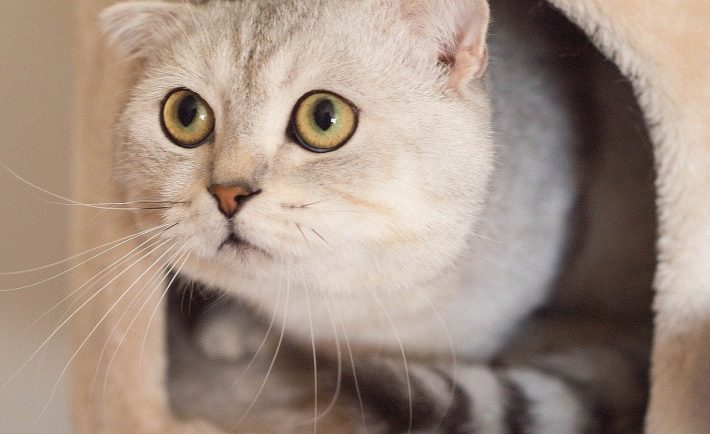
#1: SCOTTISH FOLD

What makes the Scottish Fold unique is its ears that fold forward and lie close to the head. This cat is a lovely addition to any home due to its adaptable personality and its short stature. They are unlikely to attempt any grand leaps or obstacle courses. It can get along with other cats, dogs, and children. Their thick coat is surprisingly easy to maintain as it requires brushing once or twice a week.

Global singing sensation Taylor Swift is a proud owner of Scottish Folds. Her Scottish Folds Meredith and Olivia were both named after fictional television characters.

#2: SPHYNX

The Sphynx is a hairless cat breed, which is often the first choice of cat owners with allergens. The Sphynx’s fur feels more like fine hair or peach fuzz. Not only will its owner get less allergy attacks, but it will not need to groom its fur regularly.

This is an independent cat that is happy to amuse itself while you are busy indoors or outside with your friends. You may invest in a cat tower as the Sphynx enjoy jumping around.

#3: BRITISH SHORTHAIR

Known for its easygoing temperament and undemanding personality, the British Shorthair is popular amongst many cat lovers. It is affectionate, but not needy. It is the perfect companion for people who are looking for cats that stay away from trouble while they are not home. This cat’s short and dense coat is easy to maintain. A good weekly combing should be sufficient to remove the debris and to distribute the skin oils for a healthy coat.

#4: MAINE COON

The Maine Coon originally descended from ship’s cats. It is the largest domesticated cat breed. It is known for its chill, almost dog-like personality. They love the outdoors and can even be walked on a leash. Despite its long coats and large stature, it only requires minimal grooming. This is because its fur is silkier. You just need to comb it once a week and you are good to go!

Although it enjoys human interactions, it can easily entertain itself and is not considered as clingy. Let it freely play on its own.
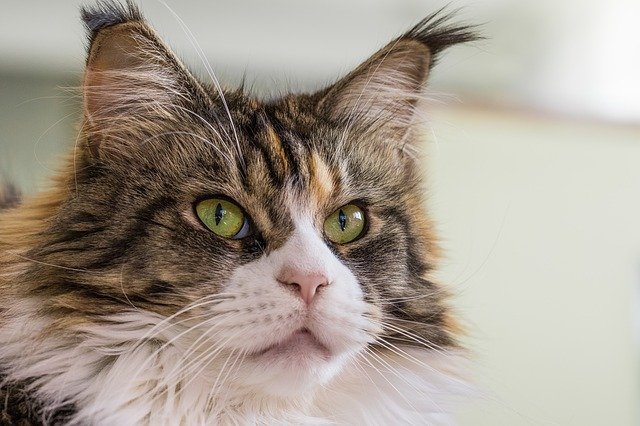
Image Credits: pixabay.com

Always remember that although these cat breeds are seemingly simple to take care of, you are still responsible for your cats. Love and treat them properly.

Sources: 1 & 2

Read More...

Effective Methods To Sleep Train Your Baby

DEFINITION

Sleep training refers to the methods that parents or caregivers use to adjust their child’s sleeping behaviors. Sleep training helps your child to fall asleep with little to no help from you. It also teaches the child how to fall back to sleep when he or she wakes up overnight.

Experts recommend to start sleep training when babies are 4 to 6 months old. This crucial period is when babies are able to last for six to eight hours overnight without needing to be fed.

COMMON METHODS USED

Parents use different methods to train their babies to fall asleep. Here are some of the efficient ways that you can apply on your home. Let us start with the Cry It Out Method.

The Cry It Out Method involves putting your child to bed and letting him until he dozes off. It is also called the extinction method as it entails letting your child fall asleep without any comfort or help from you. You need to ensure that your baby was put to bed with a full stomach and in a safe sleeping environment.

It is the most controversial sleep training method as it may seem harsh. If it works for your child and his developmental stage, do it. Consistency is the key. Your baby should begin falling asleep on his own within day four, give or take.

The next method is called the Ferber Method. If you are not a fan of letting your baby weep for hours, you may employ the graduated extinction or check-and-console sleep training or the Ferber Method. It allows your child to cry for a period of time before checking up on him. These timed intervals get longer by a few minutes within each interval until the baby falls asleep.

Image Credits: pixabay.com

Reassure your child with statements such as: “Mommy loves you” or “I will pat you”. You will gradually reduce your presence in your baby’s room until there is no need for constant comfort check-ins. Eventually, your child will learn how to self-soothe.

The Chair Method is an interesting method as it works for older babies. Sit in a chair next to your baby’s crib until he falls asleep. Do not pick him up. Move the chair farther away each night until you are near the door. At some point, your baby will be able to fall asleep without you being there. Out of sight, out of mind.

The Bedtime Routine Method involves creating a routine that will ease your child’s mind and prepare his body for quality sleep. Include soothing techniques such as reading books, singing lullabies, and warm baths. Steer away from stimulating items such as electronics and loud toys. Following a consistent routine can help your child develop an internal body clock.

The last method is called the Pick Up & Put Down Method. It refers to putting down your baby to bed drowsy, but awake. When and if he cries, wait for a few minutes and see if he settles down by himself. If not, you may go inside the room to pick your baby up and soothe him. You may put the baby back to the crib or the bassinet when he calms down. Repeat the process until your child falls asleep. This method requires a great deal of patience.

CONCLUSION

Sleep training helps your child to fall asleep with little to no help from you. It is recommended to start it when your child turns 4 months old. There are different methods that you can employ to train your child to fall asleep. It is important to do your research or talk to your doctor during the process of sleep training. This will help you find a method that will best suit your child’s needs.

Sources: 1 & 2

Read More...

Surefire Ways To Convince Your Kid To Wear A Face Mask

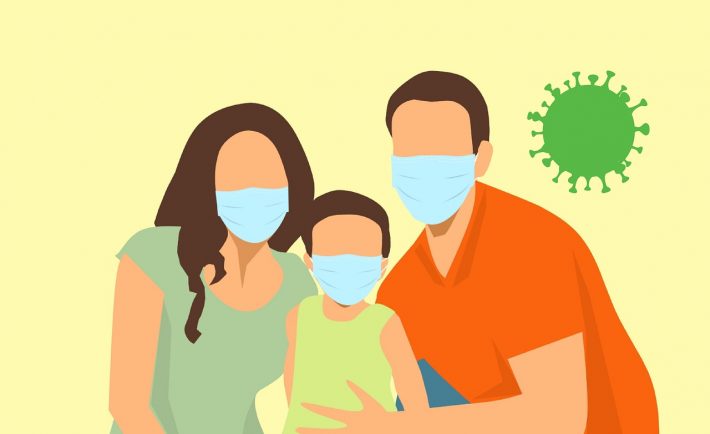
Wearing a mask on a regular basis is unheard-of in the yesteryears. Helping your child understand why he or she needs to wear a mask is essential to reduce the discomfort, fear, or worry. Consider these efficient tips to convince your child to wear a face mask.

#1: HELP YOUR CHILD UNDERSTAND

Get your point across through age-appropriate explanations. Pre-schoolers learn through play. Allow your child to role-play by putting a mask on their stuffed animal or doll. You may also let your child make his or her own mask or decorate it with stickers and paint.

Children from ages 5 to 12 learn best through knowing the purpose of their actions. Usually, they do not just want to be told what to do. They want to understand why. The typical questions that you may get are as follows.

Question: “What’s Coronavirus?”
Answer: Coronavirus is a new type of sickness — like a stomach flu or cold. Because it is new, doctors and scientists do not know a lot about it. We need to be extra careful to keep everyone safe. Let us do this by wearing a mask.

Question: “Why do I have to wear a mask?”
Answer: Covering your mouth when you sneeze or cough helps to avoid the spread of germs. Wearing a mask can help avoid the spread of the virus. Some people may get really sick because of this new virus. When you put your mask on, you are becoming a special helper that keeps the people safe.

#2: LET YOUR CHILD CHOOSE HIS OR HER MASK

Put value to the opinion of your child by letting him choose his own mask. Your child may want put his favorite character on his fabric mask. Let your child’s imagination run while by providing art materials. They will be more eager to wear a mask that they like. Do check for comfort and ensure that the straps are not too tight or too loose.

#3: BECOME GOOD ROLE MODELS

Practice wearing a mask with your child at home and when you go outside. Be good role models to your child by wearing your mask correctly at home and in public places. You can even make a fun game out of it. Whoever wears his or her own mask first will win! Keep your expectations reasonable and gradually increase expectations as your beloved child gets used to the way a mask feels on his or her face.

#4: GIVE POSITIVE REINFORCEMENTS

Whether you want to give a tangible token or an encouraging praise to your child, you can provide positive reinforcements that will help your child wear a mask. You do not need to break the bank for this!

You may also let your child hear statements like: “I love wearing my mask. It keeps other people safe. You can try it too.” Your child will appreciate the positive attention. You may also let your child watch videos that emphasize on the power of wearing a mask. See for yourself:

Sources: 1 & 2

Read More...

7 Low-Maintenance Dog Breeds To Bring Home

Whether it is your partner or your child that convinced you to get a house pet, there are many furry friends to choose from. Let us focus on the low-maintenance dog breeds. All dogs require ample love, care, and attention. However, there are some breeds that are willing to dance with your hectic schedule.

Welcoming a family pet is an exciting and life-changing milestone. As with all significant decisions, there must be a lot of research needed. Consider getting one of these seven family-friendly breeds.

#1: BOSTON TERRIER

Originally bred to be fighting dogs, the Boston Terriers of the modern age are affectionate, gentle, and delightful. Its tuxedo-like markings earned them the nickname “American Gentleman”. While it requires a daily walk, it mostly remains inactive while indoors.

#2: PUG

The humble Pug is a loyal and playful dog. Pugs are usually socially active and they welcome homes filled with human interactions. The Pug’s simple life is complete when it gets to enjoy his or her own bed and watch the day go by. It is the perfect flat furry buddy!

#3: CHIHUAHUA

Ideal for small homes, the Chihuahua requires minimal exercise. They are easily carried around due its weight of about 1 kilogram. This breed is perfect for people who travel a lot. As a friendly reminder, please train your Chihuahua to avoid the yappy personality they are known for.

Image Credits: pixabay.com

#4: DACHSHUND

Dachshunds have a positive disposition and are typically game for anything you throw at them. As family dogs they are loyal and good watchdogs. Its exercise consists of running around the house or leisurely walks outside. IF you work in a pet-friendly building or you work from home, your Dachshund will be content just sitting by your side as you focus on your tasks.

#5: GREYHOUND

With its built, you will not suspect that one of the fastest dogs can be such a coach potato! The Greyhound is an athletic dog that cannot wait for a warm cuddle in your lap. Its mellow personality combined with the minimum grooming necessities make it one of the most low-maintenance dogs in the large-sized dog groups.

#6: MALTESE

With its shining coat fitting of a royal, the Maltese is suited to live within a small apartment as they do not shed. What it needs is a home filled with love, attention, and care. It also enjoys playful sessions with its companion. Owners should administer a regular grooming routine, which may include brushing, combing, and shearing.

#7: CAVALIER KING CHARLES SPANIEL

The Cavalier King Charles Spaniels have the ability to adjust to its owners’ temperaments. Its flexibility makes it an ideal companion for kids and other pets. Brushing every week is necessary to make sure that their longer coats do not tangle.

Despite your busy schedule and hectic lifestyle, providing quality love and care for your canine is easier with the help of dog-centered apps and dog walking companies. Not to mention, there is a wealth of pet tips and tricks online. However, nothing beats a snuggle session between you and your furry friend after a long day at work!

Sources: 1 & 2

Read More...

All You Need To Know About The S$3,000 Baby Support Grant

Parents of Singaporean children born from October 1, 2020 to September 30, 2022 can get a one-time Baby Support Grant to help them alleviate the costs of raising a child amidst the pandemic. The Baby Support Grant will supplement the existing Baby Bonus cash gift. The former is worth S$3,000, while the latter can go as high as S$$10,000. These will be deposited to the bank account that the parents have nominated.

The giving out of funds will start from April 1, 2021 or within one month of enrollment into the Baby Bonus scheme. It will depend on the situation.

Ms. Indranee Rajah, a Minister in the Prime Minister’s Office and a Second Minister for Finance and National Development, highlighted that the Government has allotted some budget to provide support to more Singaporean parents. Lower-income parents with babies on or after October 1 were already eligible for the grant, while those with babies born before that date can benefit from other existing schemes.

She said: “The Government will spare no effort to help couples meet their marriage and parenthood aspiration.” The pandemic has not been easy on all of us and most people have postponed their wedding and family plans.

Image Credits: pixabay.com

A recent survey commissioned by the National Population and Talent Division (NPTD) and the Ministry of Social and Family Development (MSF) found that about 30% of respondents will likely delay marriage or have a child later on because of the pandemic and its effects on the economy and the healthcare system. About 80% of the married individuals stated that they plan to delay having children. The survey collected information from about 4,100 Singaporeans ranging from ages 21 to 45. There is a lot of uncertainty surrounding us as of the moment.

This is why, Ms. Indranee Rajah encouraged the community and businesses to cultivate an environment that is family-friendly.

“We also hope that more businesses and community groups will play their part to support couples juggle work and family, provide affordable goods and services for young families, and ultimately, create a Singapore that is made for families.”

Some companies have answered this plea and are offering special deals to families with young children. For instance, Mothercare will offer its VIP membership to all Singaporeans who are giving birth over the next 12 months to be eligible for their special discounts.

Nonetheless, the Government has asked for the understanding of everyone due to the given duration of this grant. According to them, the specific start dates are necessary for any new measure or enhancement. May this grant aid many Singaporean families, especially those who need it the most!

Sources: 1 & 2

Read More...