What to Expect During and After a Chemical Peel Treatment

Asian woman with good skin

From a first visit with Singapore dermatologist Dr. Evelyn Tay to an appointment with any skilled skin specialist, many people ask the same thing before booking chemical peels: what will it feel like, how long will recovery take, and when will the skin start to look better? Those questions matter. A peel can brighten tone, soften rough texture, and help with acne, discoloration, and fine lines, but the day-to-day experience depends on the depth of the treatment and the care that follows.

The good news is that most of the process feels far less mysterious once you know the timeline. A lighter peel often brings a short stretch of redness and flaking. A medium or deep peel asks for more planning, more downtime, and closer follow-up. In all cases, the best results come from a proper consultation, careful aftercare, and strict sun protection while the skin repairs itself.

The First Visit Sets the Tone

A good peel starts before the solution ever touches your skin. During the consultation, the dermatologist reviews your medical history, examines your skin, and talks through goals, risks, downtime, and the type of peel that fits your concerns. This step helps match the treatment to issues such as acne, uneven tone, sun damage, rough texture, or fine lines. It also helps rule out cases where a peel may be a poor fit, such as recent isotretinoin use, frequent cold sores, keloid risk, or pregnancy.

This first visit also shapes safety for people with darker skin tones. The American Academy of Dermatology notes that skin of color can be treated safely, but the provider should have real experience treating darker complexions because pigment changes can last a long time or even become permanent in the wrong hands. That is why questions about past cases, expected downtime, and the doctor’s experience matter more than many patients expect.

What Happens on Treatment Day

On treatment day, the skin is usually cleansed first, and the provider protects the hairline and eye area. A light peel often uses acids such as glycolic acid or salicylic acid. A medium peel often uses trichloroacetic acid. A deep peel may use phenol and requires closer medical monitoring. Most light peels do not need pain control. Medium peels can sting or burn for up to about 20 minutes, and deep peels may involve sedation, IV fluids, and heart-rate monitoring.

What you feel during the visit depends on the peel depth. A light peel often feels like mild stinging. A medium peel can feel hotter and sharper for a short window, though cool compresses or a fan often help. Deep peels feel more intense and usually take much longer because the provider treats the face in sections to limit exposure to phenol. The treated skin may turn white or gray for a time, which is an expected reaction during the procedure.

How Your Skin Usually Reacts in the First Week

After a light peel, most people notice redness, dryness, tightness, and mild irritation. The skin can look like a mild sunburn at first, then move into light scaling or flaking. Healing often takes one to seven days, and makeup may be fine the same day or the next day, based on the product used and the doctor’s advice. Some people need a series of three to five lighter treatments, spaced every two to five weeks, to reach the result they want.

The first rule after treatment is simple: leave the skin alone. Do not rub, pick, scrub, or scratch. The skin needs moisture, sun protection, and time. Dermatologists often recommend a soothing cream or ointment until healing finishes, then daily sunscreen after that. If the skin dries out enough to crack, the risk of scarring rises.

Some short-term color change can happen even after a lighter peel. The fresh skin may look darker or lighter for a while, and the final tone can take longer to settle than many people think. Patients often focus on peeling, but lingering pinkness or sensitivity can matter just as much during recovery. That part calls for patience, gentle skincare, and strict sun avoidance while the barrier rebuilds.

What Recovery Looks Like for Medium and Deep Peels

A medium peel brings a stronger response. Redness and swelling are common, and swelling can worsen for about 48 hours. Blisters may form, break open, then give way to crusting and peeling over seven to 14 days. Camouflage makeup often becomes an option after about five to seven days, but redness can last much longer than the crusting phase. In some cases, it lingers for months.

A deep peel asks for even more recovery time and much more planning. The treated area may be bandaged, the skin can feel intensely red and swollen, and some patients report burning or throbbing. Eyelid swelling can become dramatic enough to make the eyes swell shut for a time. New skin often forms in about two weeks, but redness may continue for months, and full recovery can stretch well past the point when the peeling stops. Many patients stay home during the first stretch of healing.

Home care grows more involved as peel depth increases. Medium and deep treatments may call for daily soaks, repeated ointment use, antiviral medicine, and follow-up visits soon after the procedure. A deep peel often needs several check-ins in the first week alone, and sun avoidance stays strict for far longer. The American Academy of Dermatology advises total sun avoidance until the skin heals after a medium peel and for three to six months after a deep peel.

The Habits That Protect Your Results

The best-looking result often comes from the least dramatic choices after treatment. Cleanse only as directed. Keep the skin moist with the product your doctor recommends. Wear sunscreen every day once the skin has healed enough for it. Skip tanning beds completely. Delay harsh exfoliants, scrubs, and other irritating products until your dermatologist says the skin is ready. Sun exposure at the wrong time can lead to uneven pigment and can undo progress fast.

Preparation matters too. Before treatment, your doctor may ask you to use a retinoid, an antiviral medicine, or a bleaching agent, based on your skin history and risk profile. You may also need to avoid unprotected sun exposure, certain cosmetic treatments, hair removal methods, facial scrubs, and shaving right before the peel. These steps can sound tedious, but they lower the odds of infection, irritation, and post-treatment discoloration.

Signs You Should Call Your Dermatologist

Some redness, tightness, stinging, swelling, and peeling belong to the normal healing arc. What should raise concern is a reaction that seems to move far past the plan your doctor outlined. The American Academy of Dermatology advises patients to contact their dermatologist if the skin burns, itches, or swells. The Mayo Clinic also lists infection, scarring, and lasting color change among possible risks, especially after stronger treatments or poor aftercare.

The safest mindset is to treat recovery as active medical aftercare, not as a beauty shortcut. A peel can improve the look and feel of the skin, but it also creates a controlled injury that needs skilled guidance. Pick an experienced dermatologist, ask direct questions, follow the recovery instructions closely, and give the skin time to settle. That approach gives you the best shot at a smoother result and fewer surprises along the way.

 

Read More...

Benefits Of Natural Ingredients On The Skin

Whether you are fighting breakouts or trying to regain your youthful glow, good skin care products can help you improve the appearance of your skin. Your skin routine is only as good as the products you use. High-quality and natural products are safe and efficient. It may come in different formulations for sensitive skin and other skin issues. Nonetheless, here are some of the ingredients that you can find in your kitchen!

#1: RICE WATER

Rice water is the water left after you cook the rice. It has been believed to be helpful in promoting a healthy-looking hair. Its earliest known use was over 1,000 years ago in Japan. Today, rice water gained popularity as an ingredient in skin treatment. I, for one, am using a Korean skin cleanser with rice water.

Rice water helps in soothing your skin and in protecting it from the harmful sun’s rays. Many websites recommend rice water for skin irritation caused by Sodium Laurel Sulfate (SLS). Moreover, it can be used to lighten the skin and reduce dark spots. A lot of commercial products incorporate rice water in their soaps, toners, and creams. In fact, a 2016 study showed that it was an effective sunscreen when combined with other plant extracts.

#2: TEA BAGS

Used tea bags can be used to reduce puffy eyes, to remove dark circles, to act as toner, and to scrub your skin. The caffeine content in tea helps to shrink blood vessels underneath the skin and further reduce dark circles around the eye. Simply wet two tea bags and place them on your eyes. Keep it in place for five to ten minutes. Do this regularly to reduce puff eyes and to lighten the dark circles.

Secondly, you may use your tea bag or tea leaves as a toner. The astringent properties of tea make it a great toner. Start by wiping a tea bag over your face. Then, wipe it away with a clean towel. Lastly, you can re-use the tea bag as a scrub. Cut it open and use it as a scrub. Wash it off with water and moisturize afterwards. The antioxidants present in the tea bags will help your skin feel smooth and soft.

#3: RAW HONEY

Raw honey is honey that has not been pasteurized or processed. It has higher levels of nutrients and minerals than processed honey. However, it may not be as safe to eat. You can use the raw honey for your skin instead. Honey contains natural enzymes that may remove dead cells on the skin. This is the reason why it can act as a natural exfoliator for your skin.

#4: LEMON

Lemon is a well-rounded ingredient that has antioxidant, antifungal, astringent, and brightening qualities. Lemon juice contains vitamin C, which helps reduce skin damage and pre-mature aging. Due to its high pH levels, lemon can also decrease oil on the skin and reduce inflammation. Not to mention, lemon contains acids that have the ability to naturally lighten the skin. Applying lemon on your skin may help lighten your acne scars and age spots.

#5: SALT WATER

Sea salts can act as a great exfoliant that opens pores for a deeper clean. It also allows your skin to better absorb moisturizers and increases blood circulation. If you have sensitive skin, salt water should be used for your body and not on your face.

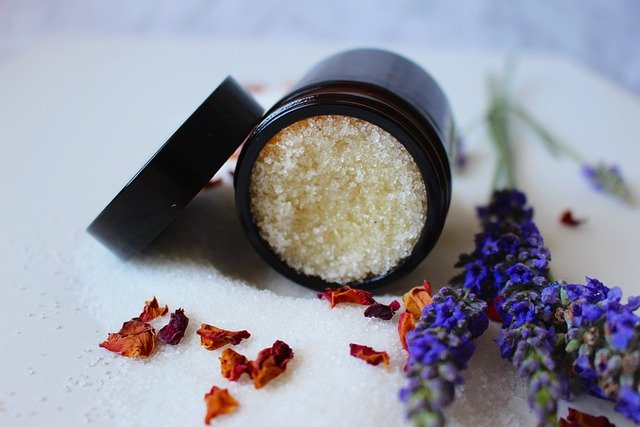
#6: SUGAR SCRUB

I have been a fan of sugar scrubs ever since I used in on my lips. It can be used for your face too. The smaller particles make sugar easier on the delicate skin. Be very gentle when you are using the sugar scrub on your face.

Image credits: pixabay.com

Begin by rubbing the sugar scrub with your hands in small circles without applying too much pressure. You do not need to dissolve it first. Simply, rub it on the skin and wipe it off. How nice is that!

Sources: 1, 2, 3 & 4


Read More...

How To Deal With “Maskne”

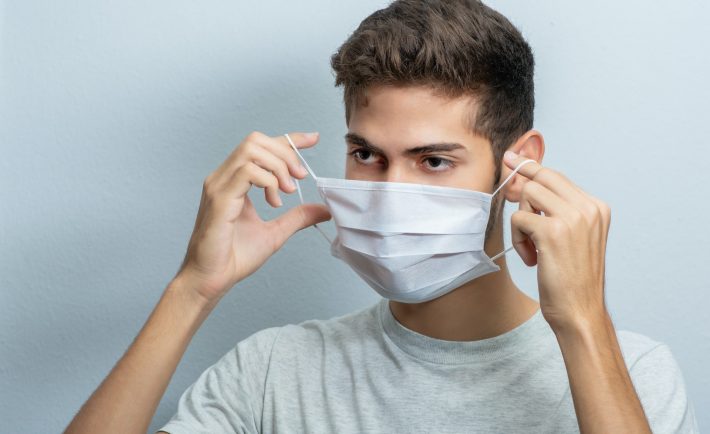
Masks play a vital role in reducing the spread of COVID-19. However, prolonged wearing of masks can cause skin irritation and acne for individuals with sensitive skin. Maskne or Acne mechanica has never been a problem of ours with the exemption of healthcare professionals who have been wearing masks on their hospital duties. These healthcare professionals can attest to this irritating skin problem that has become more widespread among the general population.

Dr. Harry Dao, a dermatologist for Loma Linda University Health, explains what Maskne is.

“Masks impose heat, friction and occlusion on the skin and when combined with a moist environment from breathing, talking or sweating, this is a recipe for breakouts,” he says. The three main ways masks can cause breakouts are thru friction, occlusion, and irritation. Firstly, masks impose friction and chafing. The areas most at risk for breakouts are the bridge of the nose and behind the ears.

Secondly, pores get clogged and can become acne cysts or pimples. Your breath trapped beneath the mask makes the skin surface warm and moist. This environment can lead to a breakout called folliculitis, which happens when yeast or bacteria infect hair follicles.

Lastly, the material of a mask absorbs the skin’s natural oils. This leads to dryness and sensitivity for some people. When irritation becomes inflammation, you will see redness, dry patches, peeling, or dark marks. Acne is not the only skin condition reported by mask wearers. Other common skin problems include Seborrheic dermatitis, Rosacea, and Allergic contact dermatitis.

WAYS TO PREVENT SKIN PROBLEMS CAUSED BY MASK WEARING

1. Wash your face. It goes without saying that washing your face with a gentle cleanser and rinsing it with lukewarm water can help prevent dirt and oil from being trapped on the skin’s surface. Do this before and after you put your mask on.

2. Do not apply makeup. Who will see your entire face anyway? Wearing makeup under a mask causes clogged pores and breakouts. Makeup residue will also soil your mask.

3. Apply moisturizer. The moisturizer will not only act as a barrier between your face and your mask but, it will also keep your skin hydrated. This can reduce friction. Apply moisturizer onto a cleansed face before and after wearing a mask.

4. Wash your mask regularly. If you are wearing a cloth mask, ensure that you wash it after using. Otherwise, the dirt can become a breeding ground for bacteria. Choose a fragrance-free laundry soap because fragrances can irritate your skin.

5. Do not reuse surgical masks. Surgical masks are not meant to be reused. Throw it after using

6. Protect your ears. Elastic strap loops on the mask can cause friction burns on the back of your ears. If your skin is sensitive or if you will be wearing a mask for a long period of time, use ear savers. You can attach the straps on the ear savers’ buttons. You can buy yours from Lazada or Shopee.

When should you see a doctor?

If you have breakouts or skin damage that do not respond to skin care changes, you should see a dermatologist. Spreading redness or draining pus can be signs of infection too. Seek immediate medical attention, if this happens.

Image Credits: unsplash.com

Sources: 1 & 2

Read More...

Budget-Friendly Skin Care Tips That Experts Recommend

Dreaming of fresh, glowing, and youthful skin without the need to spend hundreds of dollars on expert services?

Skip fancy skin treatments by rejuvenating your skin with five simple skin care tips that beauty professionals do themselves.

1. BE GENTLE

Regular shaving and cleansing can damage your skin so lower its intensity by avoiding strong soaps and by shaving cautiously. Strongly formulated soaps can remove oil from your skin. So, use mild cleansers especially with your face.

Shaving cautiously entails protecting your skin by adding another layer of lotion, shaving cream, or gel before shaving. Also, you must shave in the direction of your hair growth and not against it.

2. STAY PROTECTED

Dermatologist Lisa Garner, the former president of Women’s Dermatologic Society, often fills her palm with about half a teaspoon of sunscreen to cover her face, ears, and neck. To keep your skin youthful, stay protected by using broad-spectrum sunscreens with SPF 30 or higher.

Image Credits: instagram.com/p/31AA7yD6vf via @agoncilloanna

Image Credits: instagram.com via @agoncilloanna

Reapply every two hours particularly if you are perspiring or swimming.

3. FRESHEN UP

Consisting of 95% water, it comes as no surprise that cucumbers help freshen and moisturize the skin. Also, cucumber pulp can help improve your skin’s complexion especially if you have redness or irritation.

Just place at least two cucumber slices in a plastic bag and let it freeze in the fridge overnight. Remove it from the fridge the next morning and place two slices in your eyes for 10 minutes. Guaranteed instant freshness and less puffy eyes is in store!

4. QUIT SMOKING

One of the best ways to protect your skin is to quit smoking. According to research, smoking narrows the blood vessels in the outermost layers of the skin, which diminishes the blood flow. This exhausts the skin’s supply of oxygen and nutrients leading to “older-looking skin” and more wrinkles. Furthermore, smoking damages the elastin and collagen – important fibers to give your skin elasticity and strength.

5. SOOTHE IRRITATION

Dermatologist Jeanine Downie shares that frozen peas can help soothe irritated and itchy eyes. Simply put the bag of frozen peas on your eyelids for about five minutes.

The coldness of these veggies can help reduce the swelling. Compared with ice packs, frozen peas easily follows the shape of your eyes and leads to a quicker relaxing effect.

Image Credits: pixabay.com (License: CC0 Public Domain)

Image Credits: pixabay.com (License: CC0 Public Domain)

Sources: 1 & 2

Read More...