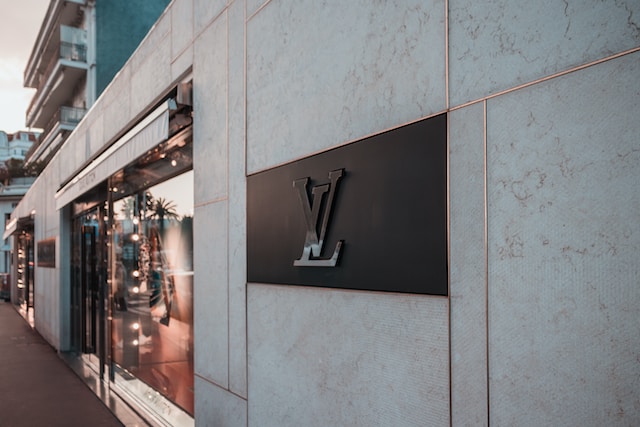
How Small Splurges Sabotage Your Wealth

How do you stop yourself from buying things you don’t really need?

At first glance, a harmless splurge seems insignificant. A new gadget, the latest iPhone release, or another bag charm that costs less than a night out may not feel like much. Yet in reality, these purchases often represent a much bigger loss. You’re losing the wealth you could have built if that money was directed into savings, investments, or assets that appreciate over time.

Impulse buying is rarely about the item itself. It is often emotional. A rough day invites a reward. A good day feels like it deserves a celebration. Sometimes boredom sparks an online shopping scroll, or grief fuels the desire for quick comfort. Retailers understand this psychology well and they engineer marketing strategies to capitalize on it. Limited releases, fear of missing out, and aspirational advertising are carefully designed to convince you that your life will be better if you just own one more thing.

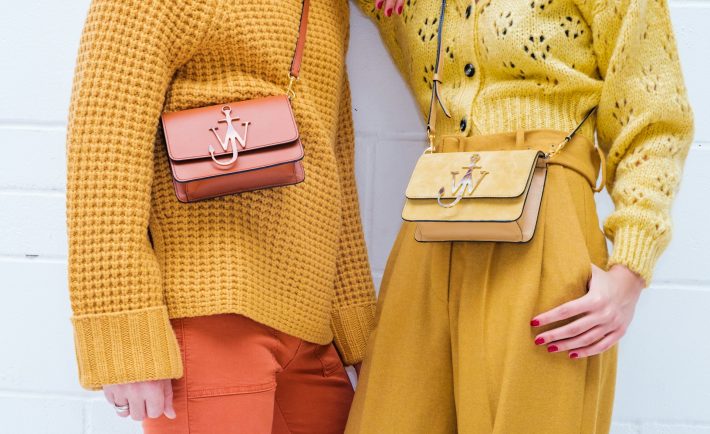
The problem is that these “little luxuries” add up. Think about it this way: that S$35 accessory might not break the bank today, but what if you invested that same amount every month into a market index fund or a high-yield savings instrument? Over the years, compounded returns could turn those bag charms into the down payment of a property or the seed capital for a business.

That is the hidden cost of impulse spending. It is not just the price tag, it is the opportunity cost.

One practical strategy is to pause before buying. Walk away, take a breath, and ask yourself how many hours of your life it took to earn that money. Then consider what the same effort could generate if invested instead of spent. When you reframe a purchase in terms of time and opportunity cost, the urgency to own it often fades.

Avoiding temptation altogether is even more powerful. I no longer go shopping just to look or browse online sales for fun. Shopping without intention is like walking into a casino where the odds are designed to make you lose.

The truth is that marketing encourages us to believe more possessions equal more happiness. When viewed through a financial lens, the equation is very different. Every unnecessary purchase reduces your ability to grow and secure long-term freedom.

You see, wealth is rarely built on how much you earn. It is built on how much you keep and how wisely you grow it. Learning to say no to unnecessary spending is not about deprivation. It is about redirecting your resources to things that create real value such as investments, experiences that bring lasting joy, and relationships that cannot be bought.

Dream big and pursue your ambitions. But remember this: wealth is not measured by what sits in your shopping cart. It is measured by the assets you accumulate, the businesses you build, and the freedom that comes from financial independence.

Image Credits: unsplash.com

The smartest investment decision you can make today may simply be this. Do not buy what you do not need!
Read More...

MBS Bets Big with S$10.3B Expansion

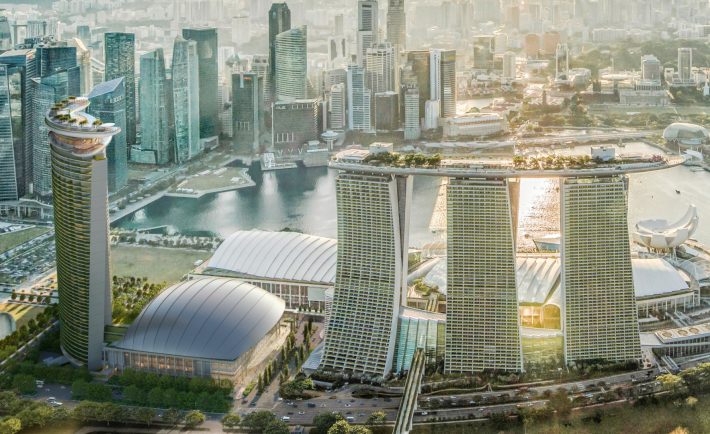
On a humid Tuesday morning (July 15), the Marina Bay skyline buzzed with more than just financial activity. It carried the anticipation of transformation. Las Vegas Sands, the parent company of Marina Bay Sands (MBS), held a groundbreaking ceremony for its US$8 billion (S$10.3 billion) expansion, a bold move that promises to reshape not only Singapore’s skyline but also the future of luxury tourism across Asia.

Prime Minister Lawrence Wong officiated the ceremony, joined by Minister for Sustainability and the Environment Grace Fu and key figures from Las Vegas Sands, including cofounder Miriam Adelson, Chief Executive Officer Robert Goldstein, and President and Chief Operating Officer Patrick Dumont. Their presence underscored both the global significance and the local commitment behind this landmark development.

ENHANCING THE MBS LEGACY

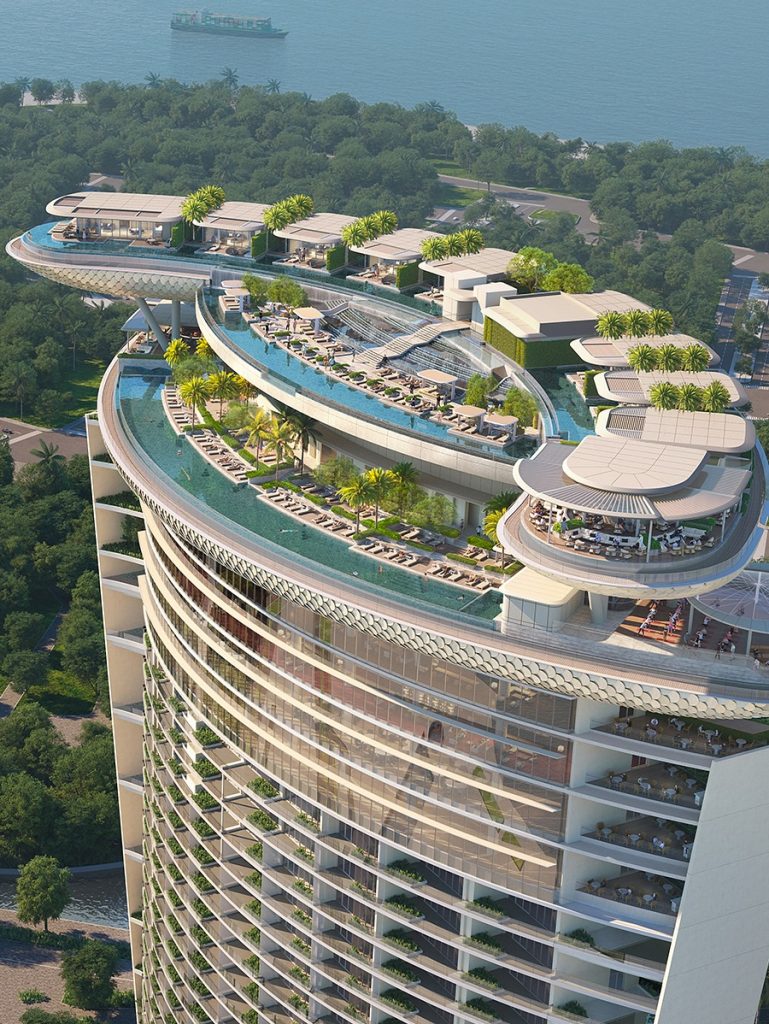
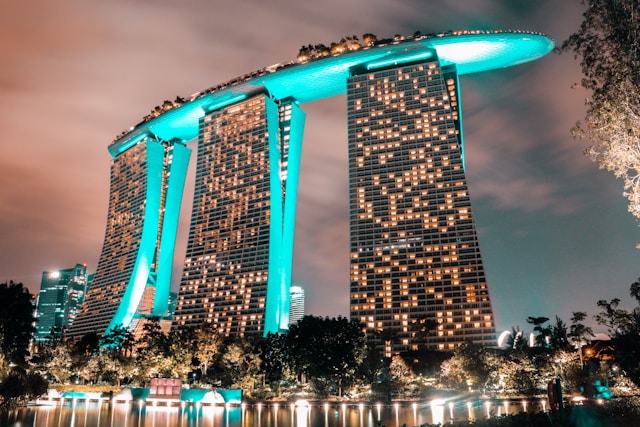
Since its opening, Marina Bay Sands, crowned by the iconic SkyPark, has become one of the most recognizable architectural symbols of Singapore. Now, its next chapter, temporarily called IR2, is poised to elevate this legacy even further. The upcoming 55 story tower will house 570 all suite accommodations, each designed to feel less like a hotel room and more like a private retreat in the sky.

But the expansion goes beyond opulence. The project includes a new gaming area, nearly 200,000 square feet of premium meeting and event spaces, world class dining concepts, enhanced wellness facilities, and a state of the art entertainment arena capable of hosting 15,000 attendees. This is more than hospitality. It is the blueprint for a new standard in global luxury experiences.

TRANSFORMING THE SKYLINE

If the original SkyPark defined the Marina Bay Sands silhouette, the upcoming Skyloop will reimagine how visitors experience it. Spanning 76,000 square feet, this multilevel rooftop destination will offer panoramic 360 degree views of the city skyline. The Skyloop will feature public areas including observatories, lush gardens, and destination restaurants, alongside private sanctuaries with infinity pools, cabanas, and wellness terraces curated for bespoke experiences.

Image Credits: unsplash.com

WHY NOW

This expansion is more than a property upgrade. It is a strategic play. As regional competition intensifies, with new integrated resorts emerging in markets like Japan, Macau, and the Philippines, Singapore is reinforcing its position as Asia’s premier hub for business, tourism, and luxury living.

“This is not just a hotel. It is a vision for the future of hospitality,” said Patrick Dumont in a recent interview. The message is clear. Las Vegas Sands is placing its full confidence in Singapore’s continued relevance and leadership in the global hospitality landscape.

INVITING THE PUBLIC IN

While IR2 is geared toward the ultra luxury market, MBS remains committed to engaging the public. Starting January 17, the Skyline Singapore: Stories From Above showcase will open at the SkyPark Observation Deck. Visitors can explore the evolution of Marina Bay Sands through immersive exhibits while taking in sweeping views of the Esplanade, Gardens by the Bay, and the ever evolving cityscape.

At night, the SkyPark remains one of the best spots to catch Spectra, the free nightly light and water show that continues to captivate both locals and visitors. Even as MBS reaches new heights, it remains grounded in its role as a place for connection, wonder, and shared experience.

Image Credits: facebook.com/SafdieArchitects

With construction officially underway, Singapore is once again stepping boldly into the global spotlight. This expansion is more than a luxury resort project. It is a proof that the Lion City’s next act is already taking shape.

Sources: 1,2, & 3


Read More...

The Psychology Behind Lusting for Luxury

Luxury has long been associated with exclusivity, craftsmanship, and status. But beyond the gleam of designer handbags and the allure of high-end skincare lies a deeper psychological pull.

Why do we crave luxury? Let’s break it down.

#1: BECAUSE YOU DESERVE IT

In a world where burnout is practically a badge of honor, luxury becomes a form of self-care. With constant stress, low wages, and an endless stream of bad news, splurging on something expensive can feel like a well-earned escape.

This phenomenon, known as hedonic consumption, explains why people turn to luxury goods as a way to soothe themselves. It’s that fleeting moment of indulgence where owning a designer piece makes you feel like a celebrity, even for just a second.

Admit it, we’ve all justified a splurge by telling ourselves: “Money will come back. I deserve this.”

#2: KEEPING UP WITH SOCIAL MEDIA

Social media has turned luxury into a never-ending trend cycle. One minute, it’s a Bottega Veneta bag; the next, it’s the latest “It” shoe. Don’t get me started with watches! With influencers flaunting high-end hauls and celebrities celebrating milestones with designer splurges, it’s easy to feel like luxury isn’t just a want.

Platforms like Instagram and TikTok fuel this culture with hashtags like #TreatYourself and aspirational content featuring curated skincare routines, extravagant “galentines,” and designer-filled shopping sprees. The message? Indulgence is essential to self-care.

Image Credits: unsplash.com

#3: LUXURY IS THERAPY

Luxury shopping isn’t always about status as it’s often about emotional regulation. Research by Selin Atalay and Margaret Meloy (2011) found that people in a negative emotional state are more likely to splurge on luxury goods, hoping to boost their mood.

But here’s the catch: while shopping might offer temporary relief, the guilt that follows can sometimes outweigh the initial excitement. Harri T. Luomala’s study (2002) found that excessive spending can ruin an already content state of mind, making it a double-edged sword.

#4: IRRATIONALITY OF LUXURY

Luxury shopping isn’t always rational. A well-made, durable handbag can cost around S$100, yet many willingly drop thousands on a designer version that serves the exact same purpose.

Why? Behavioral psychology suggests that luxury purchases often stem from an emotional rather than logical place. It’s about perceived value, exclusivity, and the status attached to the brand (sometimes more than the actual product itself).

#5: LUXURY AS SOCIAL CURRENCY

Luxury is often more than craftsmanship and quality—it’s a status symbol. Many people buy designer items not just for their design but for the brand’s logo, a clear signal of wealth and success.

The downside? Some stretch their finances thin to keep up with the illusion, falling into debt just to own a coveted piece. Luxury can be aspirational, but for some, it becomes a financial trap.

#6: NEED FOR UNIQUENESS

At its core, luxury is about exclusivity. Being able to afford it already puts you in a minority, making it feel even more special.

Wealthier consumers often gravitate towards brands that exude authenticity and timelessness, reinforcing the idea that true luxury is about more than just a price tag.

IN A NUTSHELL

While there’s nothing wrong with indulging, understanding why we crave these things can help us make more mindful, guilt-free choices. So the next time you feel the urge to splurge, ask yourself: Is it about the product, or the feeling it gives you?

Image Credits: unsplash.com

Sources: 1,2,&  3

Read More...

The Secrets of Luxury Brands

I, too, have felt the guilt of indulging in luxury, whether it is a designer bag, a statement accessory, or high-end makeup. With the hefty price tags, saving up for these purchases is a must. But luxury is not just about the cost.
It is about prestige, power, and perception.

The world’s top brands have mastered the art of desirability, transforming their products into more than just items. They are status symbols. But what really keeps luxury brands on top? Let us pull back the velvet curtain.

TIMELESS APPEAL

Even during the 2007-08 global financial crisis, luxury brands thrived. While other industries took a hit, the allure of high-end goods remained intact. Why? Luxury isn’t just about spending. It is about aspiration. No matter the economic climate, people still crave exclusivity, quality, and craftsmanship.

Image Credits: unsplash.com

POWER OF EXCLUSIVITY

Luxury is defined by rarity. The harder something is to get, the more people want it. High-end brands cultivate this through limited-edition drops, private shopping experiences, and exclusive distribution channels.

Take Burberry in the late 90s. It made the mistake of going too mainstream, flooding the market with accessible products. The result was a decline in prestige and profits. Only after scaling back and re-establishing exclusivity did Burberry reclaim its elite status. Lesson learned. Luxury thrives on limited access.

INFLUENCE OF CLOUT

In luxury, credibility is everything. That is why brands strategically leverage celebrity endorsements and influencer partnerships to reinforce their status. Nordstrom, for example, masterfully integrates influencer marketing to build hype and cultivate desirability. The right endorsement can turn a product into a cultural icon overnight.

HIDDEN ARTISANS OF LEATHER GOODS

Nestled in the hills of southern Spain, the town of Ubrique is far from the fashion capitals of Paris or Milan. No airports, no train stations. Just winding roads leading to one of the luxury industry’s best-kept secrets.

This remote village is where elite brands like Louis Vuitton, Gucci, Hermès, Chanel, and Loewe craft their high-end leather goods. The artisans of Ubrique, known for their meticulous craftsmanship, create the handbags, wallets, and belts that define luxury. Despite its low profile, this tiny town remains an essential hub for the world’s top fashion houses.

EYEWEAR GIANT BEHIND MANY DESIGNER FRAMES

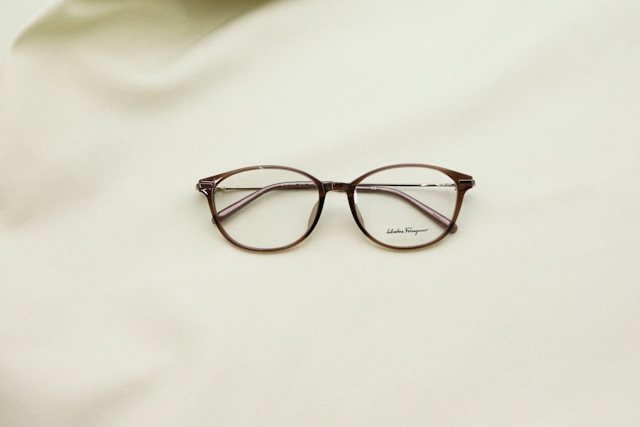
Ever wondered why luxury eyewear from brands like Prada, Chanel, and Versace all seem to have a similar feel? That is because most of them come from the same manufacturer, Luxottica.

Image Credits: unsplash.com

Based in Milan, Luxottica designs and produces eyewear for nearly every major luxury label. It also owns iconic brands like Ray-Ban and Oakley. In short, whether you are buying a pair of Dior or Tiffany & Co. sunglasses, there is a good chance they were crafted under the same roof.

OVERPRICED TAG SCANDAL

Luxury pricing is about more than materials. It is about branding, exclusivity, and craftsmanship. But sometimes, the markups raise eyebrows.

Take Dior’s 2024 controversy. Reports surfaced that a subcontractor was paid as little as 53 euros per bag, while the same bag retailed for 2,600 euros. Dior denied the claims, stating that its pricing aligned with industry standards. True or not, the scandal reignited the debate. Are luxury prices justified, or just a product of brilliant marketing?

IN A NUTSHELL

Luxury brands aren’t just selling products. They are selling dreams. Through exclusivity, influencer power, and strategic pricing, they maintain an aura of prestige that keeps consumers craving more.

Image Credits: unsplash.com

The secret of luxury lies not just in what you buy but in what it represents.

Sources: 1,2, 3, & 4


Read More...

How Luxury Brands are Designed to Keep You Poor

Nowadays, there is a collective desire to be more conscientious about our spending habits. This newfound mindfulness manifests in various motivations, including concerns for the environment, alignment with personal values, financial prudence, and even a deliberate resistance to the seductive allure of consumerism. Nonetheless, it’s crucial to recognize that not everyone consistently adheres to these aspirations.

Just take a look at the Singaporeans who are obsessed with luxury goods! In fact, their presence is projected to grow by 3.49% from 2023 to 2028. The demand for luxury goods often surges in tandem with income growth. In times of economic prosperity, people tend to loosen their purse strings, indulging in items they desire rather than truly need.

Luxury goods, by definition, are non-essential items, luxuries that transcend the realm of basic necessity. Let’s take a deep dive into why luxury brands are designed to keep you poor.

PSYCHOLOGY BEHIND LUXURY CHOICES

The allure of luxury items frequently commences with the experiences offered by luxury establishments. Companies adroitly harness emotions to elevate luxury goods beyond mere possessions, fostering an emotional connection between the product and its owner.

Image Credits: unsplash.com

In the age of online shopping, a S$500 scarf is just a click away, rendering luxury goods an enticing option for retail therapy. Furthermore, a sense of accomplishment propels many individuals to splurge on luxury goods, a form of self-reward for hard-earned success, affording something that would typically remain beyond their grasp. I felt the same self-rewarding emotions when I bought my first designer bag.

COST OF EXCLUSIVITY

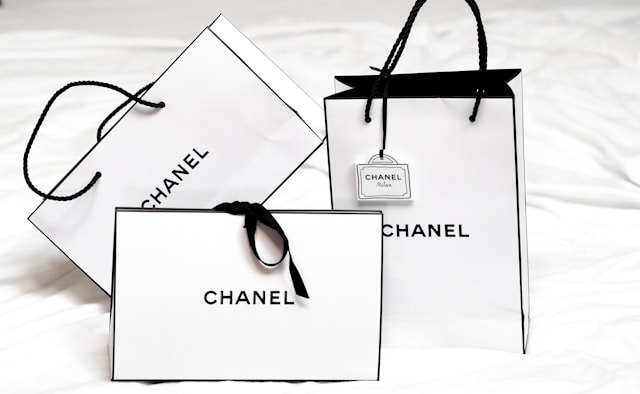
Distinguished luxury brands like Chanel and Hermes thrive on the concept of exclusivity. They deliberately curtail production or availability, rendering their products challenging to attain and thus highly coveted. This exclusivity taps into consumers’ innate desire to feel unique and possess something rare.

Consider the prestige associated with owning a Hermes Birkin bag, whose price starts from S$13,900; it compels some to lavish spending on items they may not genuinely require or desire. In some cases, brands like Burberry and Louis Vuitton have gone as far as destroying unsold inventory to preserve their aura of exclusivity.

PURSUIT OF EXTERNAL VALIDATION

Humans possess an inherent inclination to seek validation from their peers and correlate their self-worth with the capacity to acquire luxury items. Owning luxury goods becomes a tangible symbol of success and affluence, a means to showcase personal accomplishments.

Brands keenly grasp this dynamic, evident in their offering of mid-priced products adorned with their logos. The proliferation of “flex culture” or “logomania” on social media further fans the flames of this desire for external validation, transforming it into a competitive exhibition of wealth and success.

IRRATIONAL CONSUMER CHOICES

Consumer decisions do not always adhere to the tenets of rationality. A perfectly rational individual would consistently act in their best interest, including their financial well-being.

However, human behavior is innately influenced by emotions, leading individuals to make choices that may not strictly align with rationality and your financial circumstance.

IN A NUTSHELL

Whether driven by a sense of accomplishment, a quest for external validation, or simply to invoke a particular sentiment, individuals may opt to invest in luxury items, irrespective of their financial circumstances.

Image Credits: unsplash.com

These choices underscore the intricate interplay of emotions and motivations that underpin our spending habits. It’s up to you to be mindful when it comes to your luxury purchases.

Sources: 1,2, & 3

Read More...