How to Start Investing in Gold in Singapore

There is something undeniably alluring about gold. Beyond its gleam and grandeur, gold carries a timeless quality, a tangible piece of wealth that transcends generations. Whether worn as jewelry or stored as bullion, it is an asset that often endures when markets falter. But for those looking to begin investing in gold in Singapore, the questions remain: Where should you start? Should you buy gold bars or gold jewelry, and which form truly protects you against inflation?

Gold’s enduring appeal lies in its reputation as a safe haven. When uncertainty shakes the global economy, as seen during the 2008 financial crisis or the COVID-19 pandemic, investors frequently turn to gold to preserve value. It is the metal that shines brightest when confidence in currencies fades.

One of the most traditional ways to invest in gold is by purchasing physical bullion, which refers to investment-grade gold in the form of bars, coins, or ingots. Each bar typically bears the stamp of its manufacturer along with its weight and purity, usually 99.5 percent or higher. Coins, on the other hand, often carry artistic engravings or collector value that can push prices above the metal’s intrinsic worth. In Singapore, buying bullion comes with a tax advantage because gold that qualifies as an Investment Precious Metal (IPM) is exempt from the Goods and Services Tax (GST). Reputable sellers include UOB Gold Bullion, BullionStar, and GoldSilver Central.

Gold jewelry offers another route, though it is not quite the same as investing in pure gold. Jewelry comes with added costs such as craftsmanship, branding, and design premiums, which dilute its value as an investment asset. It can still serve as a portable store of wealth, but it is not GST-exempt and should not be mistaken for a direct hedge against inflation.

Image Credits: unsplash.com

For investors seeking something more dynamic, gold can also be approached as a currency-linked investment. Some structured products allow you to treat gold as a tradable currency known by its code XAU. In this setup, you agree on an investment term, a base currency such as USD or SGD, and a target conversion rate. Depending on gold’s performance against your chosen currency, your returns may be paid in cash or in gold itself. The potential for higher yields makes this approach attractive to those comfortable with some risk and the idea of being repaid in ounces rather than dollars.

If you prefer not to store or insure physical gold, exchange-traded funds (ETFs) and unit trusts offer a more accessible alternative. These funds mirror gold’s market performance without requiring you to hold the metal. ETFs tend to passively track gold prices, while unit trusts are actively managed by professionals who buy and sell gold-related assets on your behalf. They trade easily on the stock exchange, making them a flexible and liquid way to diversify your portfolio. Still, investors should review management fees and ensure that the fund is operated by a reputable institution.

Another indirect approach is through gold mining stocks. Companies such as Barrick Gold (GOLD) and Newmont Corporation (NEM) give investors exposure to the gold industry without owning the physical commodity. Their share prices often move in tandem with gold’s market value, though management quality, operational efficiency, and geopolitical risks can introduce additional volatility.

Should you buy gold in Singapore? Absolutely, but with a clear understanding of what you are buying and why. Gold can act as an anchor in turbulent times, a hedge against inflation, and a stabilizing force in a diversified portfolio. Yet it is not without its challenges. Physical gold lacks liquidity compared to ETFs or stocks, and its price can swing sharply in response to economic shifts.

Ultimately, investing in gold is about balance. It is not meant to replace other assets but to complement them, serving as a steady counterweight when markets stumble. In a world of uncertainty, gold remains one of the few investments that appeals as much to the heart as to the head, a rare blend of beauty and financial resilience.

Image Credits: unsplash.com

Disclaimer: This article is for general information only. Readers should research gold investments in Singapore and seek professional advice before investing. Remember that gold is best viewed as a way to diversify a portfolio, not as the sole safeguard for wealth.


Sources: 1 & 2


Read More...

The S$1 Million Dream: Can You Retire at 50?

For some Singaporeans, the dream of financial independence is not just a distant fantasy but a tangible goal. A recent survey conducted by CIMB Singapore in collaboration with the Nanyang Centre for Marketing and Technology reveals that 63% of respondents aim to achieve financial freedom between 40 and 60 years old. More than half believe that reaching at least S$1 million would free them from financial worries, and nearly three-quarters consider this target realistic. Yet only 43% feel confident in their ability to manage finances effectively to reach this milestone.

The study, which gathered insights from over 500 residents aged 26 to 60 in December 2024, also highlighted the anxieties that accompany these aspirations. Among those aged 40 to 50, 47% report feeling often or always anxious about their financial future. The obstacles are familiar: high living costs, family responsibilities, and limited income streams. Surprisingly, gaps in financial literacy persist. While insurance ranks among the top three tools for building wealth, alongside savings and stocks, 39% of respondents remain unsure of its effectiveness as an investment vehicle.

Image Credits: unsplash.com

Financial analyst Albert Tan suggests that early and disciplined planning can turn this dream into reality. A 25-year-old aiming to retire at 50, investing $1,000 monthly with annual increases of 3%, could potentially accumulate over S$1 million by their target age, assuming a 7% annual return. Tan notes that this approach does not account for other life priorities such as property purchases or family expenses, and relies on consistent wage growth, which is not guaranteed for everyone.

CPF savings remain a critical pillar in the retirement plan. Securing the Full Retirement Sum in a CPF Special or Retirement Account by age 55 could provide a reliable monthly payout of around S$1,700 from 65, supporting long-term financial stability.

Image Credits: unsplash.com

Ultimately, achieving financial freedom by 50 may be ambitious. However, with consistent investing, income growth strategies, and prudent CPF planning, it is far from impossible. For Singaporeans willing to map out their financial journey early, what once seemed like a distant dream could become a carefully planned reality.

Sources: 1,2, & 3


Read More...

Are Watches Good Investments in Singapore?

In a city where wealth and taste often go hand-in-hand, watches have become more than mere instruments of time. They are symbols of achievement, status, and a discreet yet powerful way to showcase success. Some wear them for the satisfaction of being noticed, others see them as treasured collectibles, while serious investors treat them as tangible assets with the potential to grow in value.

Knight Frank’s Attitudes Survey 2021 highlighted just how strong this sentiment is. Among ultra-high-net-worth families in Singapore, watches ranked as the most popular passion investment. Nearly eight in ten families surveyed expressed a preference for collecting timepieces over art, cars, or wine. Auction houses have taken note. According to Alexandre Bigler, VP and Head of Watches at Christie’s Asia Pacific, Singaporean buyers have been a steady and vital part of the market over the past five years.

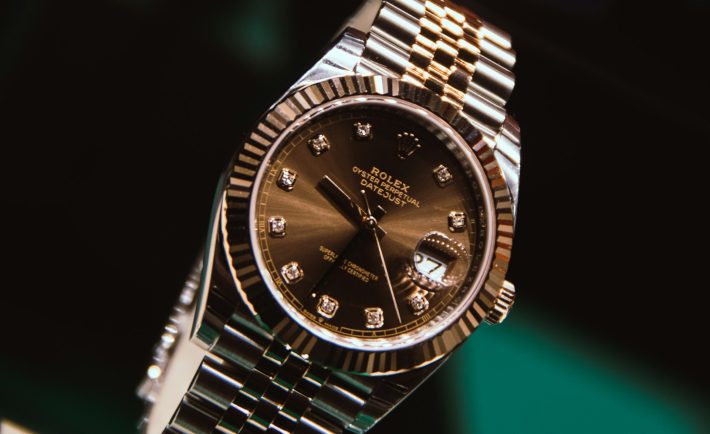
Local tastes reflect both tradition and innovation. Legendary names such as Patek Philippe and Rolex remain dominant with models like the Nautilus, Daytona, and Submariner continuing to command long waiting lists and impressive resale premiums. At the same time, watch collectors grew interest in independent makers such as MB&F, F P Journe, and Richard Mille.

Image Credits: unsplash.com

From an investment perspective, watches have a unique appeal. Their value is not tied closely to stock market swings, and high demand models have historically held firm even in downturns. A luxury watch is also a portable asset that can easily be carried or even passed on as a family heirloom. Market figures reinforce this confidence. The global luxury watch market was valued at S$53 billion in 2022 and is projected to expand to S$80 billion by 2030.

However, investors must be cautious. You see, the secondary market is crowded with counterfeits, making authentication essential. Liquidity is also uneven. A Rolex Submariner might attract buyers within days, while a lesser known watch could take years to sell at the right price. Maintenance and servicing costs can also reduce profits. For used watches, factors such as brand reputation, condition, rarity, and model popularity play a decisive role in long term value.

Image Credits: unsplash.com

So, are watches good investments in Singapore? The short answer is yes. For those with expertise and appreciation for fine craftsmanship, a carefully chosen timepiece is not only a marker of success but also one of the smartest investments you can wear.

Sources:1,2, & 3


Read More...

Rezolve Ai Lands in Singapore as its Asia Pacific HQ

Rezolve Ai (NASDAQ: RZLV), the US$750 million (about S$960 million) artificial intelligence company reshaping digital commerce, has chosen Singapore for its new Asia Pacific headquarters. The move comes with a multi-million-dollar investment from the Government of Singapore. By establishing itself in one of the world’s most dynamic innovation hubs, the company is showing both confidence in the region and a long-term commitment to Southeast Asia’s digital economy.

For founder and CEO Daniel M. Wagner, the decision is both strategic and symbolic. “Singapore offers the ideal combination of innovation, infrastructure, and regional access,” he said. “This investment signals institutional confidence in Rezolve Ai’s future and provides the launchpad for our next phase of hypergrowth in Asia.”

An Asia Pacific HQ strengthens Rezolve Ai’s ability to serve enterprise clients such as Japan’s Rakuten and India’s Myntra, while also positioning the company to capture opportunities across Asia’s rapidly expanding retail sector. The new hub extends Rezolve Ai’s global footprint, joining a network that spans London, New York, Melbourne, Warsaw, and Calcutta. More than just an additional office, it is designed to enhance the company’s around-the-clock capabilities and ensure that its AI-driven solutions for customer engagement and operational efficiency keep pace with retailers and consumers operating in multiple time zones.

The expansion comes as Rezolve Ai accelerates its financial trajectory. From zero revenue to more than US$70 million (about S$90 million) in annual recurring revenue during the first half of 2025, the company has become one of the most closely watched players in AI-powered commerce. With Asia Pacific expected to contribute over 60% of global retail growth by 2030, the Singapore hub is an important step in the company’s international scale-up strategy.

Rezolve Ai’s platform is designed to guide shoppers seamlessly from search to checkout using conversational AI and intelligent product matching. Strategic alliances with technology leaders such as Microsoft and Google highlight the company’s global ambition.

Government backing not only provides capital but also connects Rezolve Ai to a powerful ecosystem of enterprises, academic talent from institutions such as the NUS, and innovation programs that can accelerate adoption across the region.

For a company built on the idea of linking people and products more intelligently, anchoring itself in Singapore is more than an expansion of geography. It is a clear statement of intent.

Sources: 1,2, & 3

Read More...

What Affects the Singapore Stock Market?

The Singapore stock market is influenced by a wide range of factors, both global and domestic. These elements shape investor confidence, market performance, and stock prices. Understanding the following factors can help investors make better decisions.

ECONOMIC CONDITIONS

The overall health of Singapore’s economy plays a big role in the stock market. Important factors like economic growth, inflation, unemployment, and trade balance affect investor confidence and stock prices.

GLOBAL MARKET TRENDS

Singapore’s stock market is connected to major international markets like the US, China, and Europe. If these markets go up or down, it can influence investor decisions in Singapore as well.

INDUSTRY PERFORMANCE

Different industries such as technology, finance, shipping, and real estate impact the stock market. If a sector is doing well, stock prices in that industry may rise. If it struggles, prices may fall.

COMPANY NEWS

Stock prices can change based on company announcements like earnings reports, new products, leadership changes, or business updates. If a company performs well, its stock price usually goes up. If it faces challenges, the price may drop.

GOVERNMENT POLICIES/REGULATIONS

Changes in government rules, taxes, and financial policies can affect the stock market. Policies that encourage business growth can boost investor confidence, while stricter regulations may create uncertainty.

INTEREST RATES

The Monetary Authority of Singapore (MAS) controls interest rates. When interest rates go up, people may prefer safer investments like bonds instead of stocks. When rates go down, stocks become more attractive.

CHALLENGES FACING THE SG STOCK MARKET

On July 13, 2024, a report stated that Singapore’s stock market had reached its lowest point. Investors have been worried about low liquidity and weak stock prices, making the market seem less attractive. Many describe it as boring and unexciting.

One major problem is that fewer companies are listing on the Singapore Exchange. At the same time, many companies are choosing to leave the market. This has created a cycle where low activity discourages new investors, making the problem worse. Experts have noted that in the first half of 2024, Singapore had only one small new company listing on its stock exchange.

WHAT TO EXPECT THIS YEAR

As we move into 2025, experts are uncertain about how Singapore’s stock market will perform. Global interest rates and trade restrictions could impact the market, especially as the United States gets a new president.

Image Credits: unsplash.com

Economists believe 2025 could be a tougher year than 2024. Singapore’s economy relies on trade with China, the US, and the European Union. If these economies slow down, Singapore’s stock market may struggle.

IN A NUTSHELL

The Singapore stock market faces some challenges, but investors who understand these factors can make better decisions. Market conditions may be unpredictable in 2025, but keeping an eye on global trends, government policies, and industry performance can help investors find opportunities in the Singapore Exchange.

Sources: 1 & 2


Read More...