How You’re Losing Money on Groceries Without Realizing It

You may think you are getting smarter with your grocery budget. You plan your meals, wait for sales, use loyalty apps, and even buy in bulk. But quietly and consistently, your money is slipping away. And it is not just because of rising prices.

Grocery shopping in Singapore, whether at NTUC FairPrice, Sheng Siong, Cold Storage, or online via Shopee and RedMart, is filled with unseen pitfalls that are easy to overlook but costly in the long run. From clever packaging tricks to misleading promotions, the system is designed to make you spend more while thinking you are saving.

THE DISAPPEARING QUANTITY

One of the most common traps is shrinkflation, where products shrink in size but retain their original price. In the past year, a number of shoppers have reported that a 500g tub of yogurt is now just 450g, still priced at S$5.20. A bottle of cooking oil that used to be 2 liters now comes in a 1.8-litre bottle, selling for the same S$8.90.

Even staple items like rice and instant noodles are affected. A bag that once weighed 5kg might now weigh 4.5kg, repackaged to look identical. Unless you are carefully checking labels and unit pricing, you are paying more for less without even realizing it.

PROMOTIONS THAT MISLED

The psychology of discounting is powerful. A promotion that says “now S$9.95, was S$13.50” looks like a bargain, but several readers have reported that the “original price” was never actually charged.

Image Credits: unsplash.com

One consumer documented how a popular brand of rice was sold for S$27.90 on Shopee with a “limited-time offer” sticker, yet just days earlier it was listed at S$25.30 without any fanfare. At a supermarket, a shelf label advertised “Buy 1 Get 1 Free” toothpaste, but the single pack had been quietly marked up by 20% compared to the previous week.

Another example involved imported fruits like blueberries and cherries. While the label screamed “Special Price,” the per-gram cost was actually higher than at wet markets or smaller grocers in areas like Yishun or Bukit Merah. The discount looked convincing, but the reality was not.

HIDDEN COST OF CONVENIENCE

Grocery delivery platforms have boomed in Singapore, especially since the pandemic. While they offer undeniable convenience, they often come with hidden charges that quietly add up.

Users who signed up for RedMart’s delivery subscription found themselves paying S$5.99 monthly for “free delivery” but some only ordered once or twice a month. In practice, that convenience came at a steep price per trip.

More subtly, prices of fresh produce and everyday items tend to be higher on online platforms. A user who compared prices found that a dozen eggs listed at S$3.30 in-store was S$4.10 on Shopee, even before delivery charges. A pack of Japanese cucumbers was S$1.50 more expensive on a grocery app compared to its shelf price at FairPrice. You are not just paying for convenience. You are also paying for markups that are easy to miss.

IN A NUTSHELL

Even without splurging or making impulse buys, shoppers are quietly losing money to subtle strategies built into the grocery system. Smaller product sizes, misleading sale tags, and hidden online markups all add up.
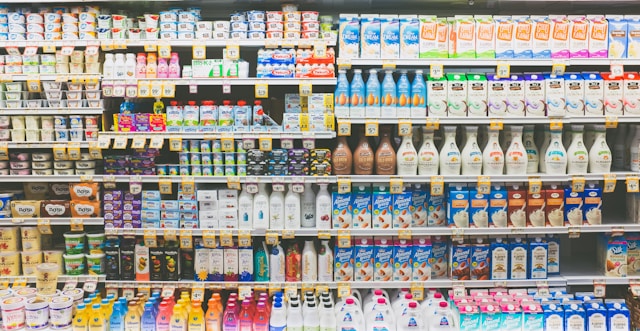
Image Credits: unsplash.com

Smart shopping now means more than sticking to a list. It means staying alert, comparing prices, and questioning deals that look too good to be true.


Read More...

Smart Money Hacks for 2024

As we step into the final weeks of 2023, it’s time to break free from old financial habits and embrace money-saving strategies that can boost your income and savings.

ALWAYS HAVE A SHOPPING LIST

Heading into a grocery store without a plan can be a recipe for overspending. We’ve all been there, wandering aimlessly and ending up with a cart full of things we didn’t really need. Avoid this by always carrying a shopping list with you. Having a clear plan in place will help you stick to your budget and make wiser purchasing decisions.

Image Credits: unsplash.com

SEPARATE YOUR SAVINGS ACCOUNT

If impulse shopping has been an issue for you in the past, it’s essential to protect your savings from unnecessary spending. Keep your savings in a separate account, entirely distinct from your day-to-day spending. By creating this barrier, you make it more difficult to dip into your savings impulsively, promoting a healthier financial discipline.

MONITOR YOUR EXPENSES

Stay in control of your finances by cultivating a habit of tracking your expenses. Whenever you receive a paycheck, record it in your budget’s income category. Likewise, make sure to log every expenditure, whether it’s filling up your gas tank or treating yourself to a delightful charcuterie night. By keeping a close eye on your spending, you’ll be able to identify areas where you can save and make necessary adjustments to stay on track.

DELETE SHOPPING APPS

Did you know that 4 out of 5 Singaporeans give in to impulse purchases? With 54% of consumers admitting that shopping on mobile devices has led to increased spending, it’s time to take control. Cut down on impulsive buying by removing those shopping apps from your phone. Instead, opt for online shopping from your laptop or desktop where you can be more intentional with your purchases.

PRACTICE MINDFUL BUYING

Before you hit that “buy” button, take a moment to reflect. Ask yourself, “Is this the right time to make this purchase?” Give yourself some space between the desire to buy and actually making the purchase. Set a specific timeframe for consideration; for instance, commit to not checking out for 24 hours or even a few days after adding items to your cart. This simple money hack can be truly game-changing.

REGULAR BUDGET CHECK-INS

Whether you have ambitious financial goals as a family or just want to stay on top of your finances, communication is key. Schedule regular budget check-ins, either on a weekly or monthly basis, and involve everyone responsible for the family’s finances. By doing so, you can make informed decisions, track your progress, and work together towards achieving your financial objectives. Effective communication about family finances is vital, regardless of your specific goals.

CREATE A MINI-BUDGET FOR UNEXPECTED EXPENSES

No matter how well you manage your finances, there will inevitably be times when unexpected expenses arise. Rather than panicking and derailing your entire budget, it’s best to have a plan in place to handle these situations.

Consider creating a microbudget specifically for handling short-term unexpected expenses. Set aside a portion of your savings to serve as an emergency fund. This way, when unexpected costs arise, you can dip into this fund without disrupting your regular budget or long-term financial goals.

AVOID FREQUENT PHONE UPGRADES

Resist the temptation to constantly upgrade your mobile phone just to keep up with others. Telecommunication companies may entice you with appealing upgrade offers, but remember that you’ll end up paying for that phone through your monthly contract. Instead, focus on choosing a phone that meets your needs and holds its value over time, allowing you to save money in the long run.

REMOVE STORED CREDIT CARD INFORMATION

Increase your mindfulness and avoid impulsive online shopping by refraining from storing your credit card details on websites. When you have to enter your credit card information each time you make a purchase, it provides an essential pause to consider if the expense is necessary.

Image Credits: unsplash.com

Additionally, by not saving your details, you reduce the risk of potential hacking and unauthorized access to your accounts. Keep your online shopping experiences deliberate and secure.

Sources: 1,2, 3, & 4

Read More...

5 Proven Ways to Save Money

While you may not have control over the economy, you do possess the power to influence your financial destiny through deliberate actions. With that in mind, here are five effective strategies for managing your finances:

1. EMBRACE THE POWER OF YOUR CHANGE

Begin a nightly ritual of counting your coins and bills, setting aside your loose change with dedication. As these seemingly insignificant amounts accumulate, deposit them into your savings account. Witness the gradual growth of your savings, knowing that these seemingly trivial contributions will amass into a substantial sum over time. Moreover, utilizing cash for daily expenses can foster mindful spending habits, making it more challenging to part with physical currency. While this method won’t yield instant savings, it represents a steady and reliable approach to financial growth.

2. PREPARE OF GROCERY SHOPPING

Achieving substantial savings at the grocery store requires a bit of proactive planning. Prior to your shopping expedition, assess your pantry and create a well-thought-out shopping list to fend off impulsive purchases. Learn the art of coupon hunting and enroll in loyalty programs at your local store to maximize your cost-cutting potential. Many stores offer additional discounts in exchange for contact information through their loyalty programs.

Image Credits: unsplash.com

If you possess a cash-back credit card, you could earn extra cash back on your grocery purchases. Some cards offer generous cash-back percentages, ranging from 5% to 8%. However, it’s imperative to pay off your credit card bill in full each month to avoid incurring interest and fees. Noteworthy credit cards for this purpose include the Citi Cash Back Card (providing 8% cashback at all supermarkets), HSBC Visa Platinum Credit Card (offering 5% cashback at all supermarkets), and DBS Live Fresh Card (delivering 5% cashback for online and payWave transactions).

3. IMPLEMENT THE 30-DAY RULE

Guard against impulse spending by introducing a cooling-off period between the moment you desire an item and the point at which you actually make the purchase. If you find yourself shopping online, consider placing the desired item in your cart and stepping away for an extended period, allowing time for thoughtful consideration.

If waiting for 30 days feels impractical, experiment with shorter intervals like 24 or 48 hours for smaller purchases. I, for one, have an online cart filled with 5 items that I am contemplating on buying. I will give myself a month before I start to remove items from the cart.

4. OPTIMIZE YOUR CABLE AND TELECOM SERVICES

Explore cost-effective alternatives for your cable and telecom services. This might entail downgrading your cable package or opting for a more affordable telecom plan. Additionally, consider eliminating your landline or trimming down on excess streaming services and premium subscriptions to curtail unnecessary expenses.

5. CONQUER HIGH-INTEREST DEBTS

Liberating yourself from the shackles of high-interest debts can significantly relieve financial strain. Expedite your debt repayment process by adopting the snowball or avalanche methods, enabling you to minimize the total interest accrued and free yourself from debt’s burden sooner.

Image Credits: unsplash.com

Once you’ve conquered your debts, redirect the money you would have allocated to debt payments into your savings. If your disposable income doesn’t permit extra debt payments, contemplate engaging in a side hustle to generate additional income that can be channeled toward debt reduction.

Sources: 1 & 2

Read More...

Grocery Shopping Mistakes That Might Be Keeping You Poor

Championing your grocery runs takes experience and skill. As a young adult, you may encounter challenges and make shopping mistakes along the way. As you become more experienced, you will be able to pick the right items while trying to save money.

From buying only name-brand products to buying fruits that are out of season, here are some supermarket mistakes that are slimming your wallet.

#1: YOU ONLY GET NAME-BRAND PRODUCTS

Say you enter the halls of the grocery and find countless options in the aisles. Keep your eyes peeled on the products in the topmost or lower shelves. These shelves often stock up on generic or store-exclusive products. You can get similar-quality products for a fraction of the price when you do not snob these generic products. Brand does not always equate to quality.

#2: YOU DO NOT CHECK THE PRICE PER KILO

When you are buying fresh produce, a good indicator of value for money is the price per kilo on its label. Do not always presume that loose produce is the best option. Sometimes, packed fruits and vegetables are cheaper. Get the best deal every time you shop by getting into the habit of comparing loose produce to different packaging sizes.

#3: YOU OFTEN BUY THINGS THAT ARE OUT OF SEASON

Various vegetables and fruits are less available during certain times of the year. The shortage of supply influenced by the high demand hikes up the price in the supermarkets. When this happens, you will be paying more. Keep track of what is in and out of season through helpful charts. Not only will the produce be tastier, but it will be cheaper too!

For instance, blueberries can cost up to S$10 when it is off-season compared to the price of around S$5 when they are in season. During the off-season, you can look for canned substitutes such as peaches and pineapples.

#4: YOU TEND TO IGNORE THE SELL-BY DATE

Do not pick up the first packet of meat you see, as tired as you might be. Inspect the food first, before leaving the store. Visible brown spots are telltale signs that the meat is about to go bad. Check the sell-by date too. You do not want to waste your money on meat that is about to reach the end of its shelf life.

#5: YOU IGNORE THE FREE SERVICES

Did you know that some supermarkets provide free services such as descaling and filleting? If you are a newbie cook or you just do not have a good handle on fish, it is best to take advantage of the free services offered at the supermarket. Otherwise, you will ruin a good fish.

#6: YOU GO TO THE STORE WITHOUT A LIST

Making a meal plan for the week will help you reduce your waste and encourage more savings. Make a list before you visit the nearest supermarket. Remember to check what is available in your own home too before you start planning what you are going to bring home.

#7: YOU BOUGHT MEAT FIRST

The longer the amount of time your meat spends in room temperature, the higher the chances of bacteria growing on it. When there are more bacteria on the meat, its lifespan becomes shorter, even if it is kept in the fridge. So, if you have an extensive list of items to grab, let meat be the last item before heading to the cashier.

#8: YOU SKIP PRODUCE WITH SPECKS OR SPOTS

The appearance of fresh produce is often manipulated by manufacturers to make it look more attractive to consumers. When fresh produce looks unnaturally spotless, it is usually because of the wax or pesticides that make them look fresh and shiny. Avoid these chemicals by embracing fruits and vegetables with natural spots or specks.

#9: YOU FORGET ABOUT THE DIFFERENCES IN PACKAGE SIZING

Many people go through the supermarket aisles and only look at the prices. While it is an excellent idea to pay attention to the price tag, you should also consider the size of the products that you are purchasing.

While one item on the shelf may be cheaper, due to packaging, you may get less product on a similar item that only costs a few cents more. When you are aware of the package price and size, you can make a more informed decision. Spend more money on things that will actually last longer.

#10: YOU TEND TO BUY THINGS THAT GO BAD QUICKLY IN BULK

Coming inside the grocery store with a list in hand does not always end up the way you want it to. Even experienced grocery shoppers buy too much of what they need. When it concerns highly perishable goods (e.g., strawberries, broccoli, and spinach), buying in bulk often results in food wastage. Items tend to go bad before we have a chance to consume them.

Although it is tempting to buy more than what you need to get the sweet deal of 10 for S$10, avoid unnecessary spending and stress. This does not apply to parents who have a huge family with many mouths to feed.

#11: YOU DISREGARD THE COST PER UNIT

Cost per kilo and cost per unit are important in making informed decisions. When we think of bundles, we usually associate getting more items for an affordable price. However, this is not always the case! Compare bundles with standalone items to get your money’s worth.

For instance, you are buying cartons of juice.

Image Credits: unsplash.com

2 cartons of 275ml juice cost S$5, which totals to about S$0.009/ml
1 carton of 500ml juice costs S$3.50, which totals to about $0.007/ml

The difference between these prices may seem minute, but it can affect your savings in the long run. Remember to check the price of the item versus its quantity. Additionally, you have to compare the prices across the available brands. These steps may take time, but your wallet will surely thank you later.

Sources: 1, 2, 3, & 4

Read More...

7 Ways To Become A Smart Grocery Shopper

These days, rising inflation which causes a higher cost of living means more households are looking for cheaper grocery prices to ensure that they can still buy the same quantity of goods with a similar-sized budget. Therefore, it has become even more important to learn how to shop smart when we are on our grocery runs. Let me share with you 7 ways to become a smart grocery shopper.

1. Fill your grocery basket with discounted items displayed at the front

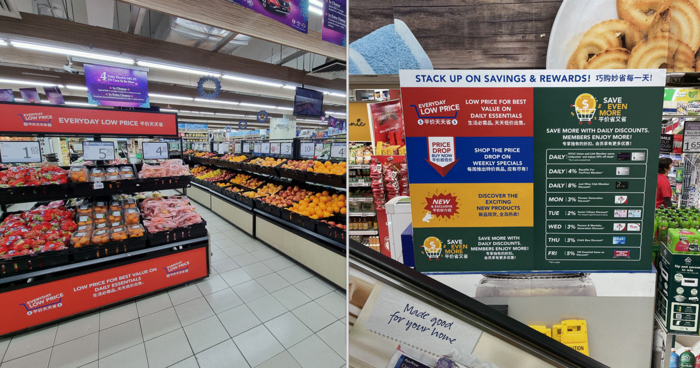
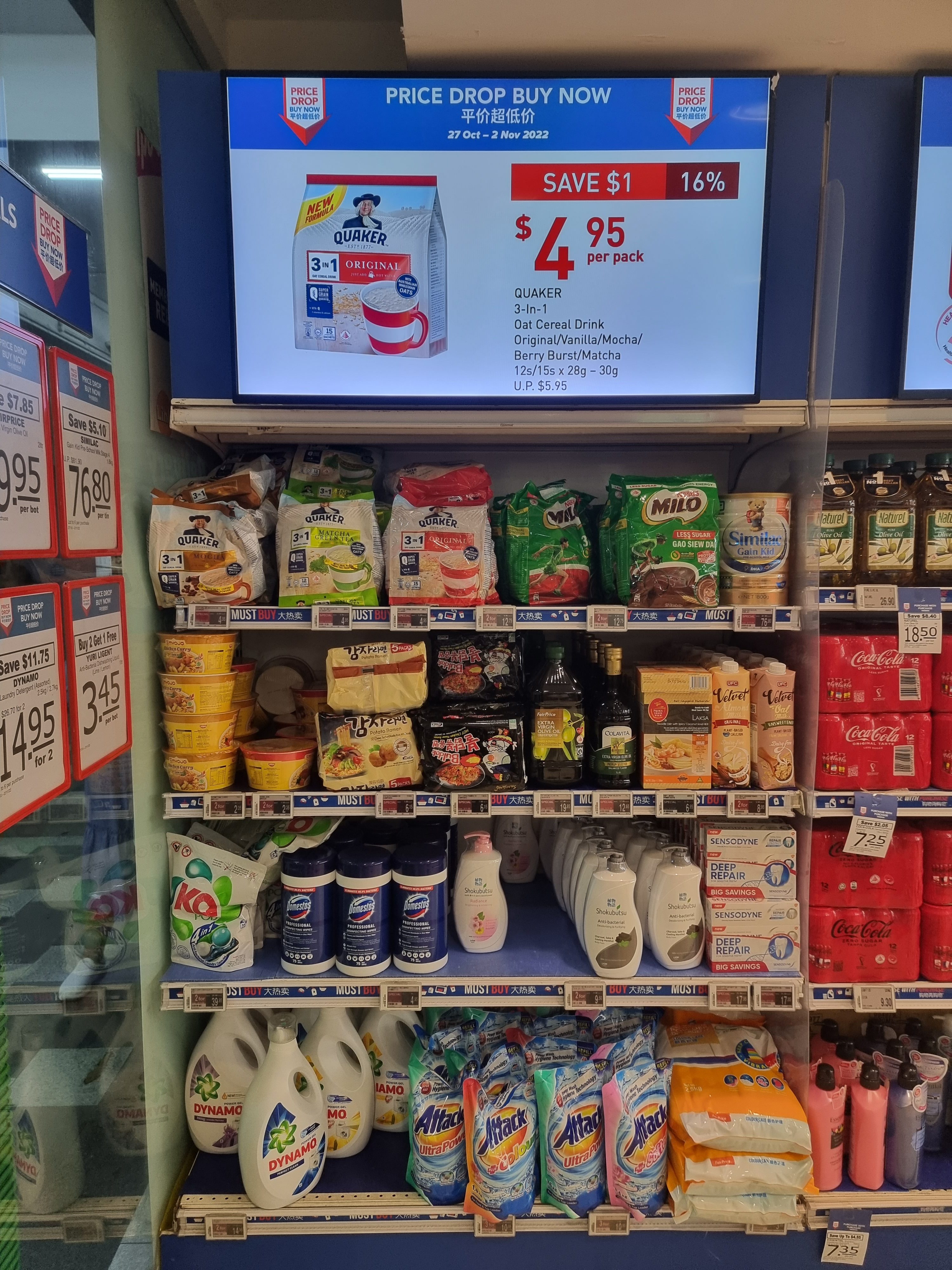
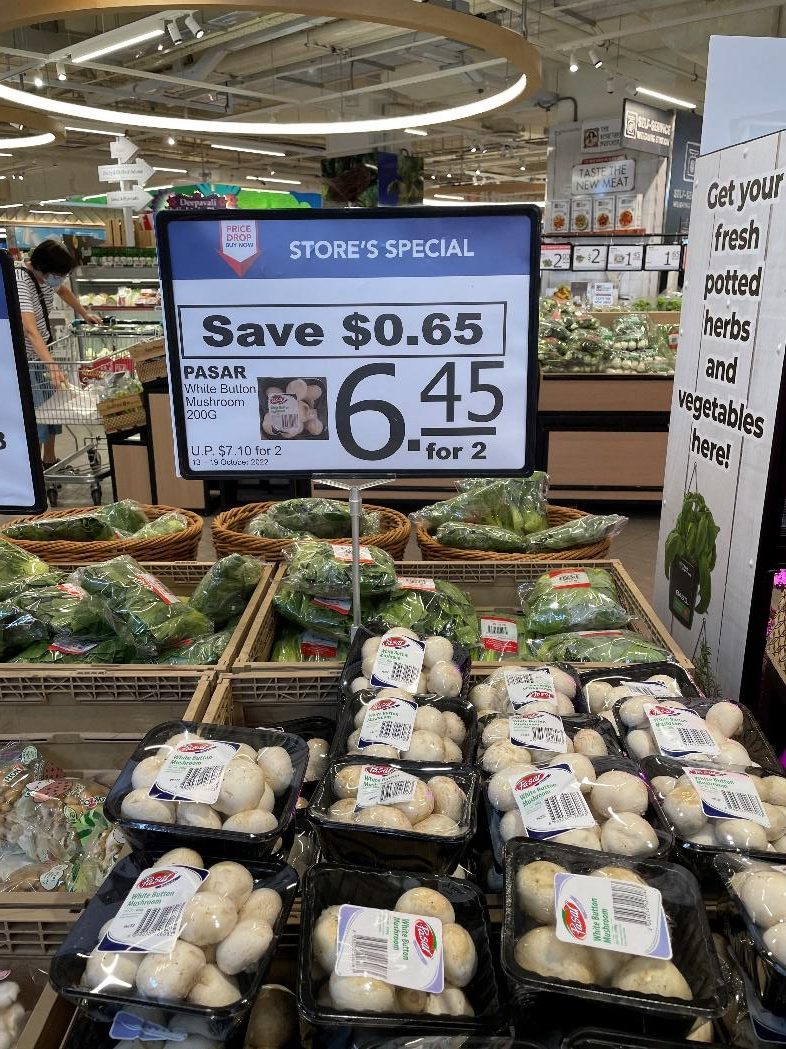
To ensure shoppers never miss out on more savings, do you know that items on promotion are almost always displayed prominently at the store entrance instead of being tucked away at the back? Alternatively, head straight for items marked with the Price Drop Buy Now icon where great bargains are released on a weekly basis every Thursday. Grocery shoppers are thus able to commence their shopping journeys by filling out their grocery baskets with heavily discounted items first.

I adhere to this rule strictly to ensure that I am off to a good start as I gradually navigate my way through the store while I keep an eagle eye on more hidden gems.

2. Buy only essentials that are competitively priced

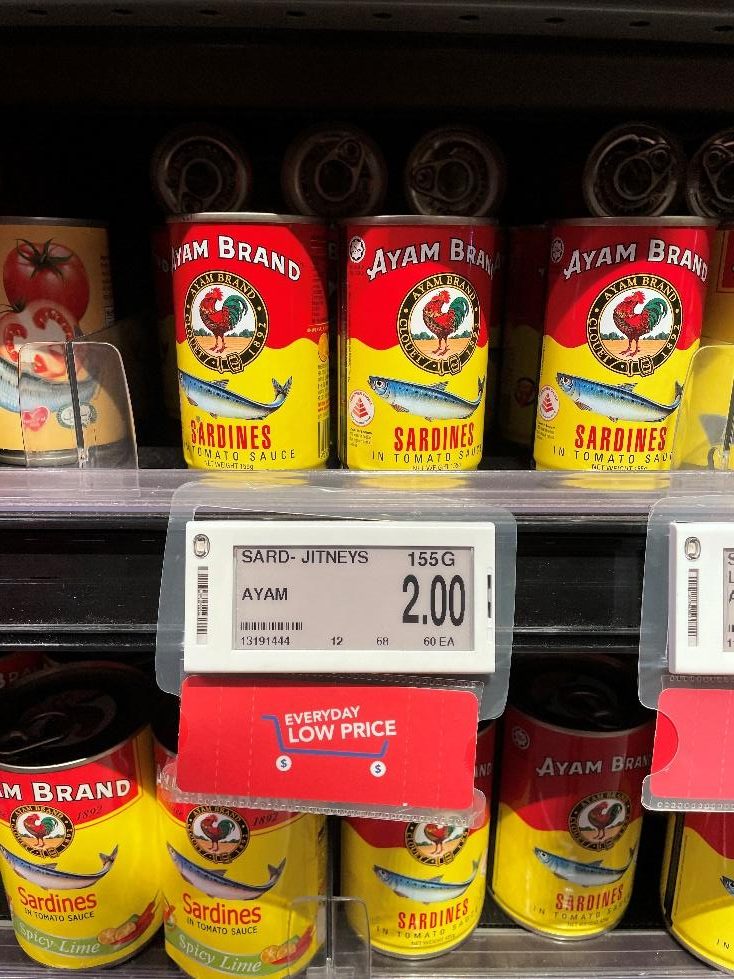
Here is a quick and easy way to ensure that we are buying essentials that are the lowest priced in the market without having to do the comparison ourselves. At FairPrice, simply look out for the Everyday Low Price icon where 500 daily essential items are competitively priced in the market at any time.

To provide greater savings, FairPrice will freeze the prices of 50 items, out of a pool of over 500 popular daily essential items, every month. The list of 50 items will be announced every last Thursday of the month through its print, online and social media advertisements so remember to keep a lookout!

3. Take advantage of limited-time promotions

Supermarkets tend to run limited-time promotions, especially if the fresh produce are in season during that period. At FairPrice, simply look out for the Price Drop Buy Now icon to snag weekly specials or items that are on limited-time offers.

For myself, I take advantage of these periodic discounts to buy in bulk and stock up on items such as non-perishables which have longer shelf life. Such opportunistic purchases are a smart way to save massively on my grocery bill!

4. Shop strategically on the “right” weekday

When visiting the supermarket, who you shop with may make a difference to your grocery bill! Let me explain how FairPrice provides discounts to various shoppers on all weekdays with Save Even More.

On Mondays, Pioneer Generation cardholders enjoy a further 3% discount on their groceries in recognition of their contribution to nation-building. On Tuesdays, Senior Citizen (≥ 60 years old) enjoys 2% discount. If members of the Pioneer Generation are not free on Mondays, they get a second chance in the week to enjoy 3% discount on Wednesdays at FairPrice, which is also extended to Merdeka Generation cardholders. On Thursdays, it will be CHAS Blue cardholders who get to knock 3% off their grocery bills.

Therefore, I sometimes get my parents to come along during my weekly shopping trips to FairPrice! Not only do I get to enjoy additional discount, I also get to bond with them and learn nifty tips on how to pick the best quality produce! Perfect for killing 2 birds with 1 stone.

5. Join the supermarket’s loyalty programme

It pays to be loyal to a supermarket chain. Simply find one supermarket near your neighbourhood and stick religiously to it to accumulate loyalty points. For example, at FairPrice, NTUC Union and Link members earn Linkpoints and enjoy 50% deals daily! After amassing a substantial amount of Linkpoints, shoppers can use it to offset the bill of their next grocery bill.

Wine lovers should not miss out on substantial savings as a Just Wine Club member. Simply pay a membership fee of $20 for 1 year or $35 for 2 years to enjoy an additional 8% off on regular and promotional wines!

6. Pay with Mobile app to get free discount voucher

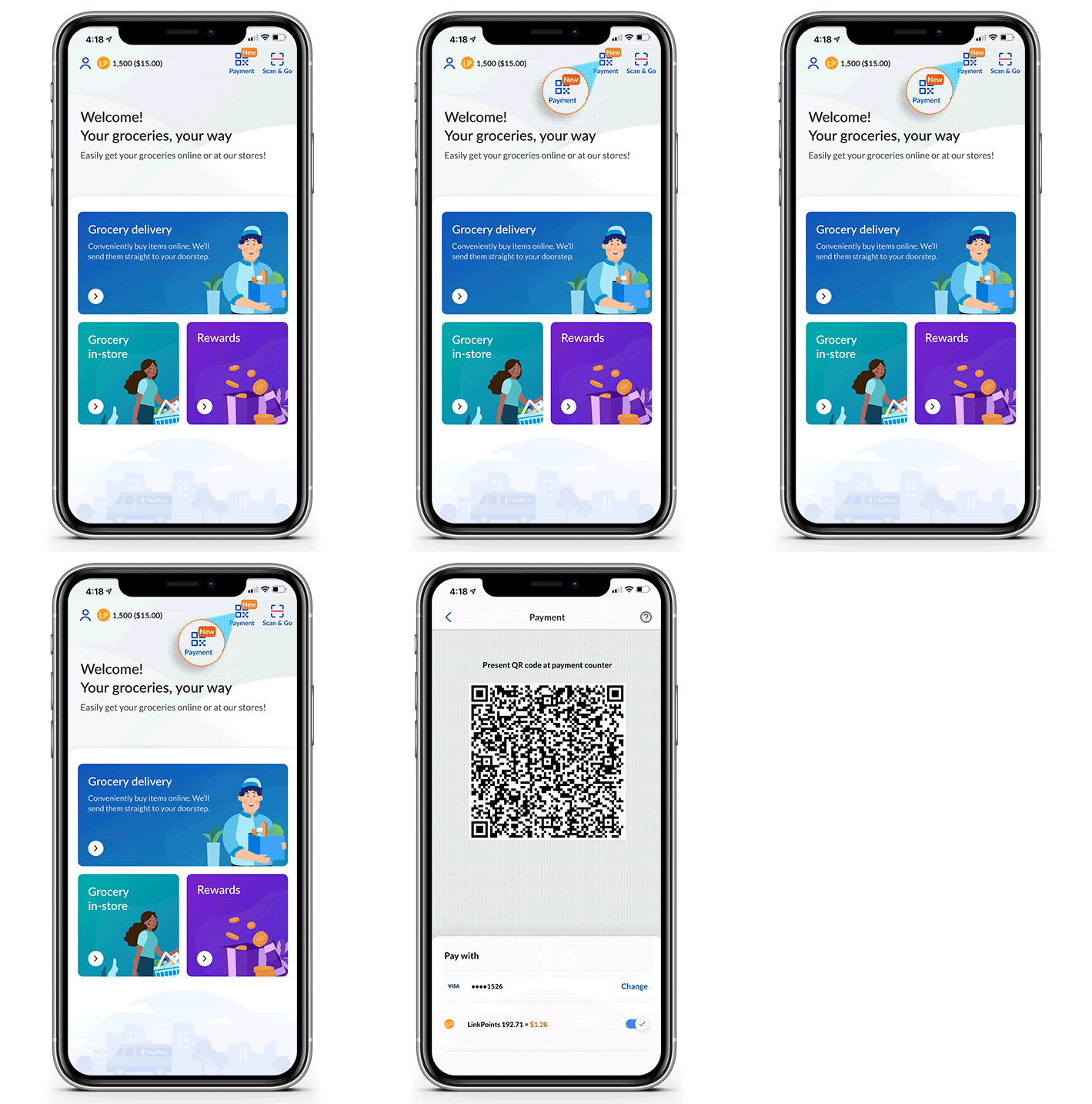
Do you know that first-time users of the FairPrice App get up to $5 off when they pay with the app in-stores? Don’t sniff at this little incentive to get you started on this payment mode! Eventually, you will come to appreciate the convenience of skipping long queues and having all your Linkpoints tracked seamlessly on the FairPrice mobile app. If you are still not a Link member, simply download the FairPrice app to be one. Be notified of promotions instantly pushed to your mobile phone so you don’t miss out on great deals.

7. Pay with a cashback credit card

Finally, always pay with a cashback credit card if you have one! That is an additional saving that you might not benefit from if you are paying with cash instead. For myself, I pay with the NTUC Link Credit Card by Trust when shopping at FairPrice that allows NTUC Union members to save up to 21% savings. For non-NTUC union members, you can get up to 15% savings if you sign up for the Trust Link Credit Card.

Here are my 7 tips on how to become a smart grocery shopper! At times like this, every cent saved is indeed every cent earned. Do share this article along so that more households can benefit from shopping smarter and their wallets will definitely be thankful for it.

Read More...