Taiwan Shopping Guide You’ll Actually Use

Taipei has a way of turning even casual visitors into devoted shoppers. My husband and I went for the food, but we quickly discovered how enjoyable it is to shop in the city, especially with the kindness of the people you meet at every turn. At the time of writing, one New Taiwan Dollar is roughly equivalent to 0.042 Singapore Dollar, which makes Taipei’s wide range of shopping choices friendly to all budgets. The city is more than a retail destination. It is a lively blend of culture, warmth, and irresistible finds.

One of the most charming ways to experience Taiwan is through its souvenirs and snacks. Pineapple cakes remain the country’s most iconic gift, and visiting specialty bakeries such as Chia Te Bakery or Taipei LeeChi feels like walking into a gallery of beautifully crafted pastries. Their pineapple and winter melon varieties are packaged elegantly, making them perfect to bring home. Tea lovers can enjoy the refined selections at Jing Sheng Yu on Yongkang Street, while Jiufen Old Street offers tea experiences in a setting that feels lifted from the world of Spirited Away. Its lantern-lined alleys and traditional structures create an atmosphere that is both nostalgic and cinematic.
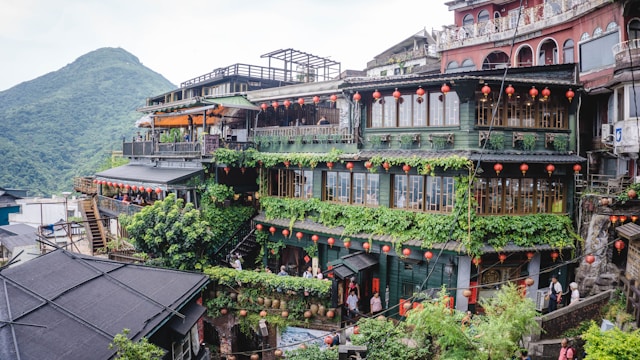
Image Credits: unsplash.com

For anyone who loves characters and collectibles, Taipei feels like one big playground. Donguri Republic at Shin Kong Mitsukoshi in Xinyi brings Studio Ghibli favorites to life with shelves filled with Totoro and other well loved figures. Pokémon Center Taipei adds another layer of excitement with plush toys, trading cards, and exclusive items. The city is also famous for gashapon machines. Ximending alone features more than 500 of them, offering everything from anime figurines to cute and calming collectibles. Shilin Night Market has its own growing collection, while the malls in Xinyi scatter machines across several floors, turning an ordinary shopping trip into a series of small surprises.

Blind box collectors often gravitate toward Ximending, although some resellers charge two or three times the original price. Pop Mart Ximen is a better choice if you want to go straight to the source. The four storey space includes exhibition areas, a VIP lounge, and larger than life displays of Molly and other popular characters. Crowds tend to build during weekends, yet the experience is worth every moment. Nearby, the Wan Nian Building offers an entire structure dedicated to anime lovers. We found shops selling everything from Voltes V and Dragon Ball to Sakamoto Days and Spy x Family. The Taipei Animate Store is also in the area, with its own entrance tucked below street level and a nearby café that adds to the fun.

Image Credits: unsplash.com

Taipei’s markets reveal a different side of the city. Nanmen Market near the Chiang Kai Shek Memorial Hall focuses on traditional ingredients such as dried goods and fresh local produce. The Taipei Expo Farmer’s Market at Yuanshan MRT brightens weekends with honey, tea, fruits, vegetables, and small batch artisanal items. Red House Craft Market in Ximending highlights the creativity of local artists. The prices can be higher compared to other markets, but the atmosphere is enjoyable and supports independent makers.

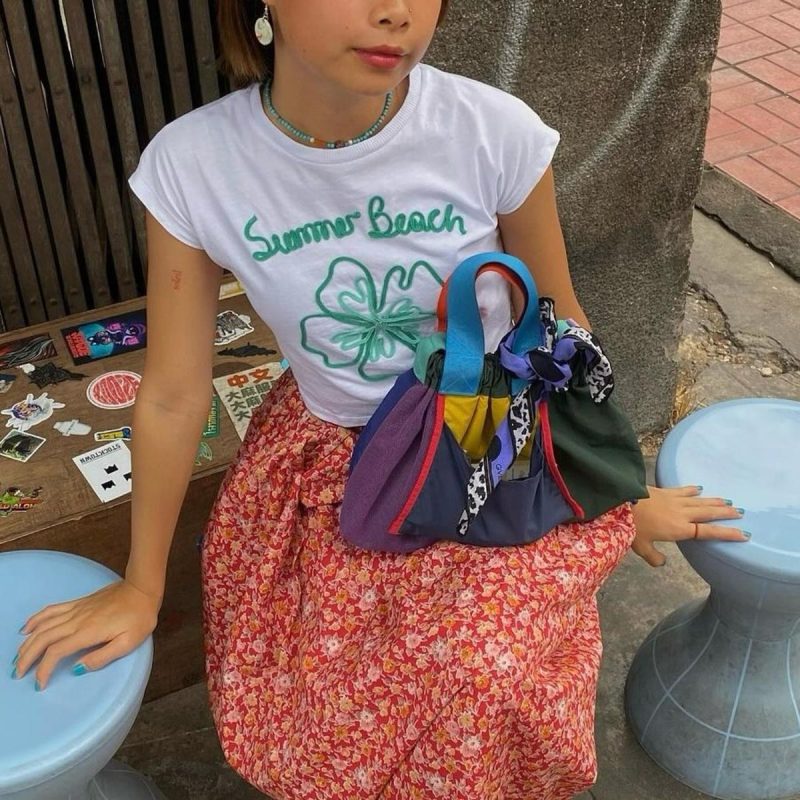
Beauty and fashion are part of the city’s everyday charm. Pharmacy chains like Watsons and Cosmed carry cosmetics and skincare that suit a wide range of preferences, and Watsons often offers attractive discounts. For affordable fashion, Wufenpu near Raohe Night Market is a reliable stop. Its narrow lanes are filled with shops carrying clothes, sunglasses, accessories, and children’s items. Trendy and mid range boutiques are scattered throughout Ximending, Yongkang, Shida, and Gongguan, while NET provides a local version of GAP style basics. For a premium experience, Taipei 101 offers luxury brands and an observatory that makes the visit feel even more memorable.
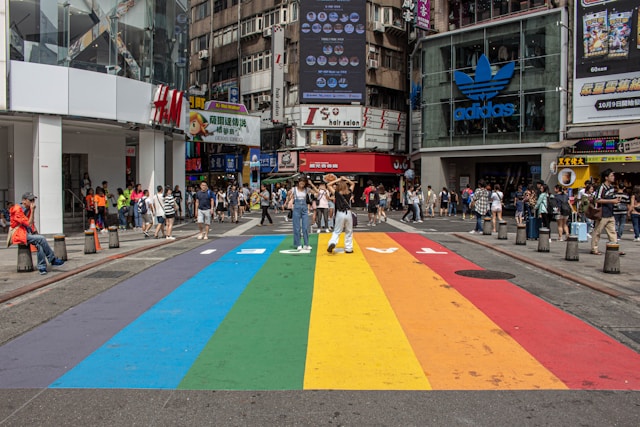
Image Credits: unsplash.com

Shopping in Taipei never feels like a simple transaction. It feels like an invitation to explore the city’s creativity, history, and personality through the things you bring home. Whether it is tea from Jiufen, a blind box from Ximending, or a handmade craft from Red House, every purchase becomes part of your travel story.

Sources: 1 & 2


Read More...

Singapore’s Homegrown Brands That Found Global Fame

The little red dot may be small, but its influence stretches far beyond its borders. For decades, Singapore has quietly been producing brands that not only define local identity but also win admirers overseas. These are names you have likely seen on Orchard Road or in your neighborhood mall, but what makes them remarkable is how they have grown from homegrown concepts into international players.

One evening, as I scrolled through Instagram, I stumbled upon a vintage listing of a Risis brooch from the 1980s. At first, I assumed Risis was a newcomer that had sprung up after the pandemic. To my surprise, the brand has been in operation since 1976, when it debuted at TANGS Orchard and sold thousands of its signature gold-plated orchid brooches within days. Risis even captured royal attention, presenting its orchids to Princess of Wales Diana in 1982. Personally, its delicate Vanda Limbata and Doritaenopsis Summer Red orchid brooch pendants (i.e., both plated in 24-karat gold and priced at S$140), are the ones I gravitate to the most.

Another name that resonates strongly with a younger crowd is Beyond The Vines. Founded in 2015 by husband-and-wife duo Daniel Chew and Rebecca Ting, the label began as a womenswear brand before evolving into a lifestyle powerhouse. Its Dumpling Bags, which start at S$69, became viral sensations for being practical, stylish, and surprisingly collectible. The philosophy behind the brand is simple but powerful: to make good design “accessible to all”. That vision has helped it expand into markets like Thailand, Indonesia, the Philippines, and Australia, proving that thoughtful design travels well across borders.

Image Credits: instagram.com/beyondthevines

Of course, no conversation about Singaporean exports would be complete without Tiger Beer. First brewed in 1932, Tiger has grown into a symbol of bold Asian flavor, now enjoyed in more than 50 countries. Brewed under Asia Pacific Breweries, the lager is celebrated for its full-bodied taste and rigorous brewing process. At under S$4 a bottle in local supermarkets, it remains an everyday favorite at home while standing as a premium Asian beer abroad.

Charles and Keith is another brand that transformed humble beginnings into global recognition. Established in 1996 by brothers Charles and Keith Wong, the label began as a modest shoe store at Amara Shopping Centre. Fast forward to today, and the brand is a global fashion force, with a presence from Tokyo to Mexico City. Known for staying ahead of trends while keeping prices accessible, the brand continues to draw in customers with bestselling bags, sandals, and accessories. Lucky for you! Bestsellers like the Koa Square Push-Lock Shoulder Bag in pink (S$34.90), Chain-Strap Pointed-Toe Slingback Flats in black (S$41.90), Samala Triple-Strap Sandals (S$48.90), and the Pony Hair & Leather Ring-Handle Bag (S$135.20) are currently on sale on their website.

Image Credits: facebook.com/charleskeithofficial

And then there is TWG Tea, a name that has come to embody luxury in a cup. Founded in 2008, the brand is unmistakable with its iconic yellow packaging and exquisite presentation. Offering more than a thousand varieties of tea, along with patisseries and fine dining, TWG has carved out a niche in markets as diverse as Japan, France, the United Kingdom, and the United Arab Emirates. It is an experience as much as it is a beverage, one that has positioned Singapore as a global tastemaker in the tea industry.

Even everyday staples have found their way abroad. BreadTalk, the bakery that many Singaporeans consider a fixture of daily life, has expanded across Asia with its famous floss bun and inventive pastries. With dozens of outlets in Singapore and a growing footprint in markets like Thailand and Myanmar, BreadTalk proves that comfort food transcends cultural borders.

Image Credits: facebook.com/breadtalksingapore

What ties all these brands together is not just their Singaporean origin but their ability to balance authenticity with global appeal. From the timeless elegance of a gold-plated orchid to the everyday joy of a floss bun, each brand carries a story of local pride and global ambition. Which brand captures your heart the most?

Sources: 1,2, & 3

Read More...

Mary Grace Cafe To Debut In Singapore In 2026

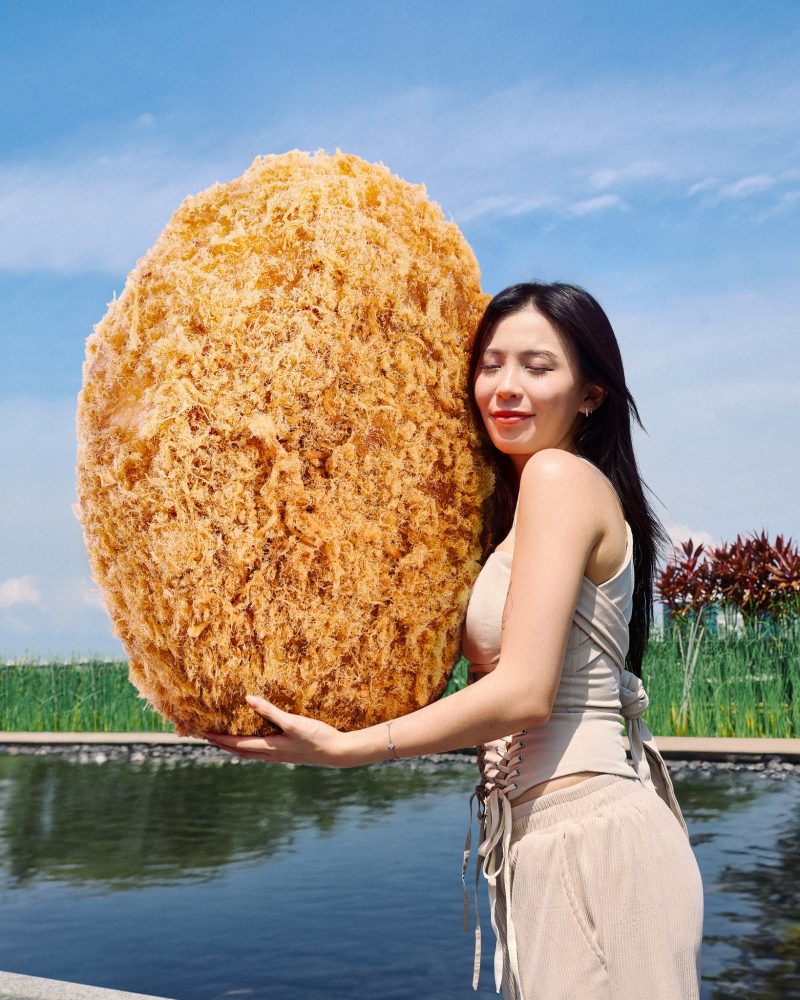
Another beloved food and beverage name is coming to Singapore. Mary Grace Cafe, a household favorite in the Philippines known for its heartwarming bakes and homestyle meals, will open its first outlet here in 2026. This marks the brand’s first overseas venture since it began more than two decades ago.

Although the exact opening date and location remain under wraps, fans can follow updates on the cafe’s Singapore Instagram page. Singaporeans have already had a taste of what is to come. Just last month, Mary Grace held a three day online pop up from September 11 to 13, delivering its cult favorite ensaymadas and cheese rolls. The ensaymada, a Filipino pastry with Spanish roots, is typically topped with butter, sugar and grated cheese, while the cheese roll offers a rich and pillowy bite of indulgence.

Image Credits: facebook.com/CafeMaryGrace/photos

Mary Grace prides itself on using fresh, local ingredients with no artificial colorings, additives, preservatives or pork lard. According to the brand, every pastry is made with one hundred per cent real butter and eggs, staying true to the recipes that have made them so loved in the Philippines.

The story of Mary Grace Cafe is as heartwarming as its food. What began in 2002 as a small bakery kiosk grew from the kitchen of Mary Grace, a mother of five with an entrepreneurial spirit and strong family support. By 2006, the brand expanded into a full service cafe serving hot meals alongside its signature bakes. Today, it has around 140 outlets across the Philippines, from kiosk stalls to full cafes, with a strong presence in Metro Manila at malls such as Alabang Town Center, Ayala Malls Circuit, Century City Mall and Bonifacio High Street.

Image Credits: facebook.com/CafeMaryGrace/photos

For fans of Filipino cuisine and those curious to try, the upcoming Singapore debut promises more than just pastries. It is a chance to savor the warmth, comfort and community that Mary Grace has built its name on. Keep an eye on their Singapore Instagram for updates on the opening date and location.

Sources: 1,2, & 3


Read More...

Why Bencoolen Is Officially One of the World’s Coolest Neighborhoods

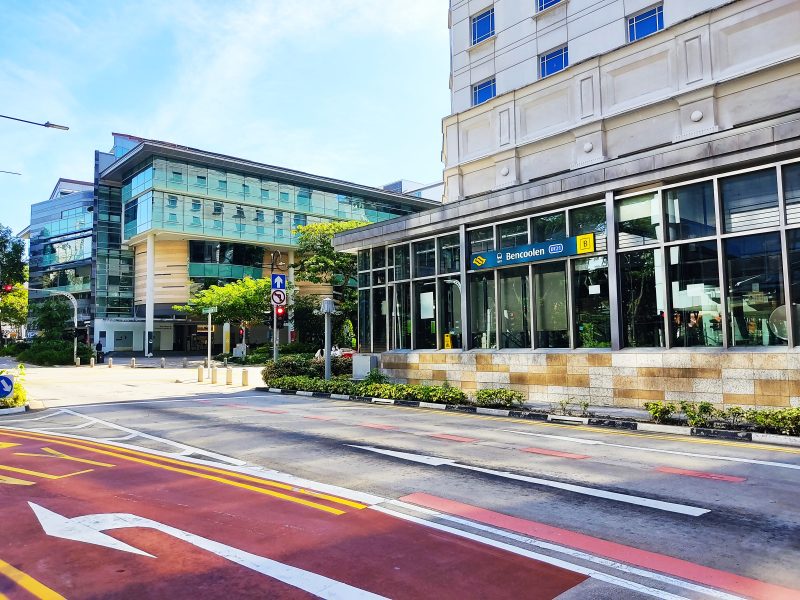
Tucked between the vibrant streets of Bugis and the cultural charm of Bras Basah, Bencoolen has long been one of Singapore’s most overlooked districts. Often passed by on the way to bigger attractions, this neighborhood is finally stepping into the global spotlight after being named one of the World’s 39 Coolest Neighborhoods by Time Out in 2025. Once you take the time to explore it, you’ll see why it deserves the attention.

Image Credits: zhenkang (CC BY-SA 4.0) via commons.wikimedia.org

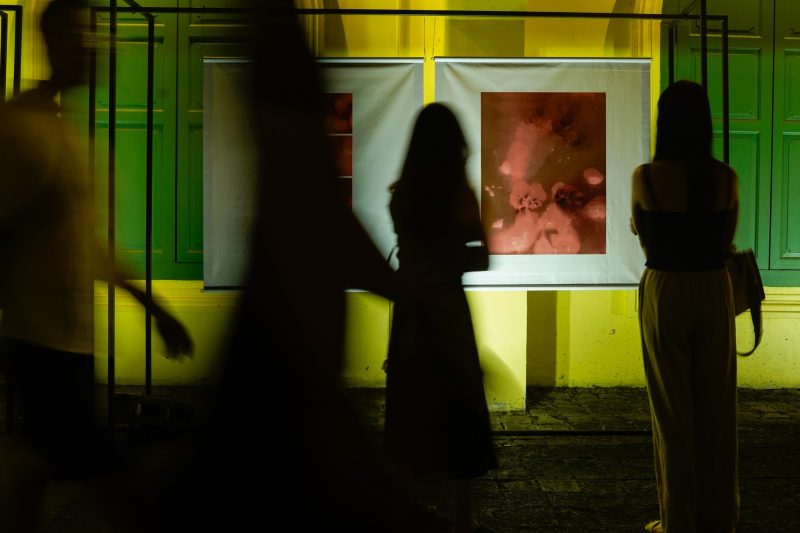
Bencoolen has a creative heartbeat that’s impossible to miss. Students from NAFA and Lasalle bring the streets to life, filling the area with sketches, ideas, and youthful energy. Galleries run by these schools open doors to works from emerging artists, while Objectifs showcases bold voices in photography and film from across Southeast Asia. Along Stamford Road, the National Museum of Singapore offers a journey through history, while the Stamford Arts Centre keeps traditional arts alive with performances and showcases that connect the past with the present.

obj: Image Credits: facebook.com/objectifscentre

Food is another reason Bencoolen is earning its cool status. Fortune Centre has become a landmark for affordable and unforgettable eats, from the irresistible salted egg yolk chicken rice at New Station to hearty vegan meals at Bodhi Deli and nostalgic desserts at Yat Ka Yan. Beyond its famous food court, Bencoolen is home to cozy spots that feel like secrets waiting to be discovered, including a tiny eight-seat grill house where the chef cooks right in front of you, a playful umeshu bar, and a relaxed natural wine spot where conversations flow as easily as the drinks.

The neighborhood’s charm lies in its contrasts. Masjid Bencoolen, a historic mosque, stands alongside a modern serviced apartment tower, while Sim Lim Square buzzes with tech enthusiasts in search of bargains. These juxtapositions create a district that feels both rooted in heritage and alive with modern energy.

Image Credits: Muhammad Adrian via flickr.com/photos/198561627@N08/54579780000

Bencoolen doesn’t compete with Singapore’s flashier districts, and that’s exactly why it stands out. It’s a neighborhood full of surprises for those willing to slow down and wander. Now that the world has taken notice, perhaps it’s time you did too.

Source: 1

Read More...

How Singaporeans Really Spend Their Money

How much do Singaporeans actually know about their monthly spending, and where does all that money go?

A 2021 survey of 1,299 adults revealed a surprising insight: less than half (or 48%) said they knew how much they spent each month. The slight majority of 52% admitted they had little idea. Among the youngest group, aged 18 to 24, only 43.6% tracked their monthly expenses. By comparison, adults aged 25 to 34 were the most aware at 52%, likely because that stage of life comes with big-ticket commitments such as weddings, first homes, and raising children. Older respondents, aged 55 and above, also showed relatively high awareness at 49.8%, possibly because retirement planning was on the horizon.

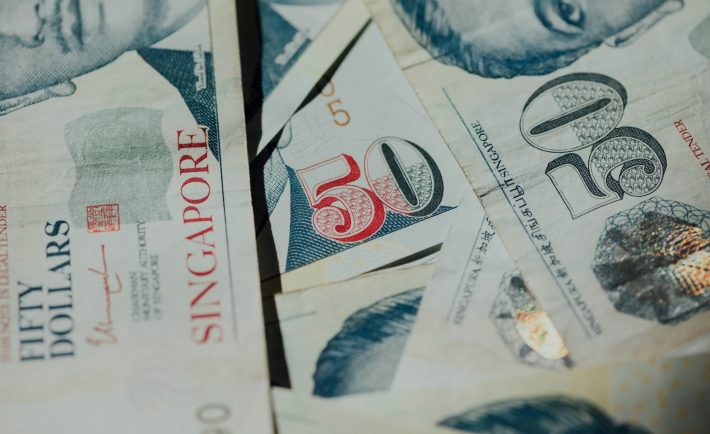
By 2025, the numbers painted a clearer picture of actual spending. Young adults spent about S$1,486 a month on average. Full-time employees typically spent between S$501 and S$1,000, while part-time workers spent less than S$500. Interestingly, food consistently ranked as the largest expense for full-time workers, a reflection of Singapore’s strong dining-out culture at hawker centres, cafes, and restaurants.

Image Credits: unsplash.com

The bigger question is whether income growth has kept pace with rising expenses. In 2019, Singapore’s median monthly household income from work including employer CPF contributions, was S$9,425. On a per-person basis, that translated to S$2,925. In 2000, the median household income was just S$4,398. The near-doubling over two decades highlights Singapore’s steady income growth, an important indicator of its economic resilience. Yet with inflation and lifestyle expectations rising, the real challenge lies in how households allocate that income.

The 2017/2018 Household Expenditure Survey offered a detailed snapshot. The average household spent S$4,906 per month. Out of this, S$1,199 went to food, with S$810 spent outside the home. Clothing and footwear accounted for S$123, recreation and culture for S$379, and educational services such as tuition for S$339. Housing remained one of the most significant lifestyle markers. By 2019, Singapore’s home ownership rate had reached an impressive 90.4%, making property both a financial anchor and a status symbol.

Ultimately, spending habits are shaped by three main factors:

a. Income level. Higher earners devote more to experiences and luxury goods, while lower-income households focus on essentials.

b. Lifestyle and preferences. Some prioritize saving and financial goals, while others lean toward experiences such as travel, dining, and entertainment.

c. Age. Different life stages bring different financial priorities, from weddings and childcare to retirement planning.

Image Credits: unsplash.com

The real question for Singaporeans is not only how much they spend, but also whether those spending patterns bring them closer to the lifestyle they aspire to. Personally, my husband and I spend most of our money on food, utilities, and travel. How about you?

Sources:1,2, & 3


Read More...