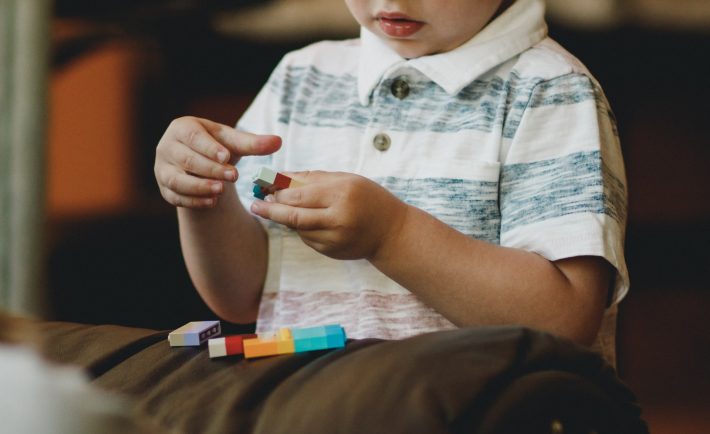
Inexpensive At-Home Activities You Can Enjoy With Your Child

Kicking off the month of April is the new educational structure advised by Education Minister Ong Ye Kung. Last Friday, he highlighted that all schools will conduct one day of home-based learning in light of the recent spike in COVID-19 cases in Singapore. This re-structuring will help prepare the parents and students if more days of home-based learning will be necessary.

Primary schools will conduct home-based learning o Wednesdays, Secondary schools will apply ths on Thursdays. The rest of the institutes will be having it on Fridays. These social distancing efforts are on top of the enrichment and tuition centers’ closure. The question on the parents’ minds now is: “What will the children do all day?”

The key to extending the learning at home is to make a routine. Students are used to following a schedule. Mimic this blueprint by creating a distinct schedule to help the continuous flow of their home-based education day. The goal is to keep your children busy as you tend to other matters.

TIP #1: FOLLOW THE ADVISE OF THE TEACHERS

As teachers will be giving their assignments through emails and other platforms, you may start the day with those modules. Study time may last from 30 minutes to an hour and a half. Allow heavy subjects and academic assignments to be engraved during this block of time.

TIP #2: DEDICATE A BLOCK FOR PLAY

Allow your children to have at least 15 to 30 minutes of time of dedicated child-led play. Provide materials that will cater to their interests and allow them to play. When a child is playing, it stimulates different facets such as imagination, creativity, innovation, and socialization. You may provide a bin filled with educational toys and art materials. Serious learning can take place while having fun.

TIP #3: SCHEDULE A TIME FOR READING

Being at home all day gives you a chance to increase the child’s habit of reading. Gather your books at home or download free books online. Schedule at least 20 minutes of reading time per day to engrave the importance of reading. Remember that this block is the total amount of minutes. You may break it apart throughout the day. In the first half, you may be the only one talking. The adult will read the book aloud for the child. As the day ends, you may let your child to read the same book by himself or herself. Do not worry if your child wants to extend the reading block! Reading is beneficial for your child’s language proficiency and vocabulary expansion.

TIP #4: SPARE SOME TIME FOR GROOMING AND SELF-HELP SKILLS

As an educator, I believe that children learn best through experiences. Let your child experience household chores to learn more about responsibility and self-reliance. Assign 10 to 15 minutes of time for household chores and other self-help activities. Guide your child as they clean their rooms, sweep the floors, wash the dishes, or fold the clothes. They can use these skills as they grow up. More importantly, those are less tasks for you to fill.

TIP #5: ALLOT A BLOCK FOR SCREEN TIME

Whether we admit it or not, technology has been a part of our children’s lives. Hence, it is better to adapt and to limit their usage. Keep your children from “over-indulging” on the screens by having a set time in the schedule for screen time. Ideally adults should limit the children’s use of screen time to two hours per day. For instance, you may allow 30 to 45 minutes of screen time before breakfast and after dinner. Follow through the scheduled time by turning the devices and appliances off afterwards. If the house feels too quiet, turn on some delightful music instead.

TIP #6: ALLOW YOUR CHILDREN TO MOVE

It is easy to put down toys for free play. However, children enjoy it when you get to bond with them as you facilitate some indoor activities. A great way to entertain your children while practicing educational skills is to schedule some easy indoor activities. You may plan at least 30 minutes of this category before snack time or before dinner time.

Here are some of the ideas for your indoor play:

a. Build A City: Flatten out a box. Draw a round using markers and paint. Add blocks and other toy vehicles to let your child build his or her own city.

b. Backhand Balloon Balance: Challenge your children to balance a balloon on the back of their hand. See how long they can do it before it falls to the ground. Amp up the stakes by putting water inside the balloon.

c. Long Jump: Put some lines of masking tape or colored electric tape on the floor. Make 6 separate lines of tape, which are one foot apart. Label the first line as the “Starting” line. See how many lines your children can jump over. Have them beat their best score each round. You may even let them jump backwards!
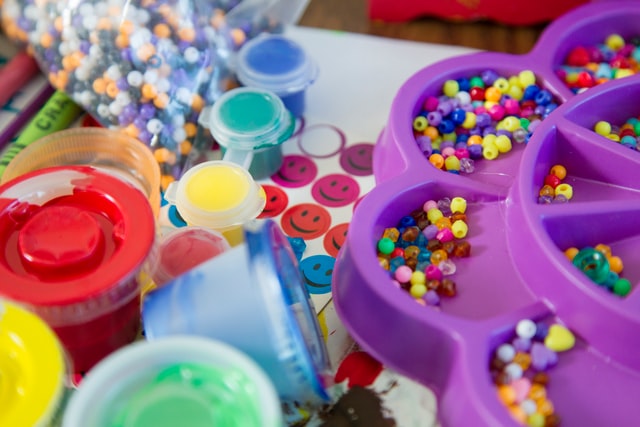
Image Credits: unsplash.com

May you entertain your children while staying safe! 🙂

Sources: 1 & 2

Read More...

Cost-Efficient Ways To Sanitize Your Things To Avoid Getting Sick

These days, health scares seem to dominate the global news platforms. Instead of resorting to panic, it pays to be prepared. Search to products that can help eradicate bacteria, viruses, and other germs. Practice proper hygiene measures such as washing your hands regularly and using antibacterial hand sanitizers.

Moreover, you must sanitize your household items to defend yourself from COVID-19 and other illnesses. Health is wealth after all!

USE BLEACH

According to the U.S. Centers for Disease Control and Prevention (CDC), the coronavirus seems to spread commonly from person to person via respiratory droplets. It usually transmits between people who are within about 1.8 meters of each other. Current evidence suggests that this virus can remain for hours to days on surfaces made from a variety of materials. Hence, a relatively cheap and highly efficient disinfectant such as bleach is needed!

Bleach kills some of the most dangerous bacteria, including staphylococcus, streptococcus, E. coli and salmonella. It also kills many viruses such as common cold and flu.

CDC advises that bleach will be effective against coronaviruses when it is properly diluted. Use a bleach solution comprising of 5 tablespoons (1/3 cup) bleach per gallon of water. Follow the manufacturer’s instructions for application and ventilation. You may use this solution for toilets, plastic toys, kitchen counters, and more.

FairPrice sells 4 Liters of Clorox for S$5.

STOCK UP ON VINEGAR

A more natural alternative to bleach is using vinegar. You may stock up on vinegar as you can use it for cleaning and cooking. Research has shown that vinegar solution is helpful against some bacteria and viruses, including the flu. However, does not kill dangerous bacteria like staphylococcus.

To use vinegar for household disinfecting, begin by mixing equal parts vinegar and water. Put this all-purpose disinfectant mixture in a spray bottle for easier application. Cleanse counters, mirrors, and doorknobs with this mixture. You know how viruses can transmit thru entering one doorknob! So, cleanse your doorknobs religiously.

Different kinds of vinegar with varying price tags are available in the nearby grocery.

MIX WITH TEA TREE OIL

Commonly used as a natural antiseptic for treating minor cuts and wounds, tea tree oil is more than what meets the eye! It can be strong enough to kill viruses and more powerful bacteria.

For anything that needs disinfecting and cleaning anywhere in the house, a few spray of tea tree oil gets the job done. Simply add 10 drops of tea tree oil to 250 ml of white vinegar and 250 ml of water. Put this mixture in a spray bottle. Spray on any surface such as kitchen counters or floors, and then wipe up. You can also create a tea tree oil mixture for your smartphone.

Let me school you on how dirty your smartphone can get! You touch your smartphone countless number of times throughout the day and you may even be holding it now as you read this. It does not matter if you are diligently washing your hands, if you do not disinfect your smartphone. You see, a 2012 study found that smartphones have more germs than toilet seats. Imagine that!

Deep-cleanse your smartphone without damaging it by spraying the tea tree oil mixture on a microfiber cloth. Spraying to the cloth rather than directly onto the screen can prevent damage. Some even add vodka into the tea tree oil mixture (i.e., 1/4 cup of vinegar mixed with 10 drops of tea tree oil and 1/4 cup of vodka).

Watsons sell 10 ml of tea tree oil for S$14.90.

DISINFECT USING ANTIBACTERIAL WIPES

Aside from your smartphones, one item that you constantly touch at work is your computer or laptop’s keyboard. It is full of nooks and crannies as you click away for hours a day! Disinfect this germ collector daily by following these steps.

If you are using your computer’s keyboard, turn it upside down and use compressed air to remove any dust or crumbs. Then, turn it over and use antibacterial wipes on the surface. Antibacterial wipes are available in Watsons for S$2 (3 packs of 10 pieces). Disinfect as much as possible.

BUY ANTIBACTERIAL LAUNDRY DETERGENT

Prevent your beloved little ones from becoming sick by constantly washing their stuffed animals and blankets. You see, their furry companions hold onto germs.

Check the tag on stuffed animals to see if it can go in the washing machine, and if so, follow these washing instructions by using the hottest water setting possible along with antibacterial laundry detergent. Use the same technique for the blankets. Dry these completely.

Image Credits: unsplash.con

Four liters of antibacterial laundry detergent is currently on sale at FairPrice.

Sources: 1 & 2

Read More...

Save Big By Cooking Your Own Meals

On average, it is about five times more expensive to order food from a restaurant than cooking your own meal at home. It is no secret that eating out can snip your budget in a short span of time. However, many opt to place their orders online through food delivery apps due to their busy schedules or lack of talent in the kitchen. I cannot deny the convenience that Food Panda or GrabFood sells!

Eat better food and save money in the process by following these kitchen suggestions.

#1: PREP MEALS IN BULK

My significant other’s mother leads an efficient life by prepping meals on Sundays. She cooks three to four dishes, which can be reheated whenever one pleases. Try cooking boiled eggs and steamed vegetables that will last for two to three meals. This way, you and your family will be able to enjoy your cooking even when in a hurry.

Simply label the food accordingly and pop it in a freezer bag or a microwaveable container. Serve this pre-cooked meal with fresh sides and you are ready to go!

#2: USE A SLOW COOKER

On the other hand, my partner’s father seems to be fascinated with the slow cooker. He cooks ribs and fish using a slow cooker and vacuum seals these meals to last for a little over a month. Imagine that!

Using a slow cooker is a money saver. You can cook larger meals with enough leftovers to freshen up your second meal. Moreover, it enables you to purchase less expensive and tougher meat because it acts as a tenderizer.

#3: CREATE WITH WHAT YOU HAVE

Challenge your creative juices by cooking food with the ingredients available in your kitchen. It is easy to build your meals through daily grocery shopping. However, regularly cooking what is already at hand enables you to maximize your resources and minimize food wastage.

Curb your spending by scavenging the vegetables and meat available in the fridge. Consume food that will go bad soon before if it is too late!

#4: BUY WHAT IS ON SALE

Last but not the least, you may travel through the grocery aisles to purchase items that are on sale. Use this opportunity to purchase chicken breast or salad dressings, which are on sale. Purchase extra pack or pieces whenever possible to secure your future cravings.

I cannot deny that our modern generation consumes things in an instant! When we want things, we want them now. This increases the chances of ordering out and slimming your funds. Hence, you must learn the power of delayed gratification.

Image Credits: pixabay.com

You cannot always eat what you want, but you can make most of what you have.

Sources: 1, 2, & 3

Read More...

4 Ways Marriage Can Affect Your Finances

One of the most important decisions you will ever have to make is choosing the person to whom you get married to. Getting married will not only shape your entire life, but also your finances. It is critical to choose the right partner that can bring you happiness and influence your finances in a positive light.

That being said, here are four ways marriage can change your finances:

DIFFERENCES IN FINANCIAL HABITS

Whether you marry a Singaporean or a foreigner, many people discover their partner’s financial habits later on. Some of these habits can be deal-breakers. Unpleasant financial habits include overspending, lack of savings, and gambling addiction.These lead to arguments and trust issues. However, you must not pack all your bags yet!

Being caught up in a financial dilemma with your spouse can be difficult as your financial values are taught while young. Therapy and financial planning could help. As can being completely honest with each other while you play with your financial strengths.

COMPLEXITIES OF INSURANCE POLICIES

You have two options when it comes to insurance. You can either hop on your spouse’s insurance policy or reap the benefits of your own employer-backed insurance policy. More often than not, insurance policies offered by your employer is cheaper than the policies that you buy for yourself. Your best bet is to choose the policy that benefits both of you the most.

Another factor to consider is the possibility of needing specialized insurances like pet insurance policy or travel insurance policy.

CREATION OF PRENUPTIAL AGREEMENT

If you are engaged to be married or are in the first months of matrimony, there may be a chance that you have already started combining your bank accounts. In any case, you should discuss your financial values and wealth plan to direct your future. A prenuptial agreement can be created to protect your assets in the event that your marriage fails or your spouse passes away.

By specifying your shared assets, you can both determine how possessions and debt will be divided upon separation. You will be able to determine how much you will pay for alimony and how much you will provide for child support. Furthermore, you may discuss how you will share each other’s estate.

IMMEDIATE EXPENSES OF MARRIAGE

It goes without saying that the wedding can cost you a lot of money. The upfront costs of matrimony can set you back by S$75,000 to S$100,000 on average. This amount includes purchasing a house and celebrating a wedding.

Image Credits: pixabay.com
Is your combined savings ready for that? With these major expenses come preparation. You must eliminate certain expenses to ensure that you create your dream life together.

Sources: 1 & 2

Read More...

Good Family Money Practices To Abide To

As year 2020 fast approaches, many of us rethink our past decisions and practices. Among these decisions and practices are the ones that greatly affected your finances. How did the past year influence your financial circumstance?

Discussions about assets, incomes, properties, and investments will come up whenever one thinks about wealth planning. A holistic financial planning approach can help improve your relationships in the coming year, including your family dynamics.

Katherine Dean, head of Family Dynamics for Wells Fargo Private Bank, once said: “When families communicate regularly and work on financial issues together, they often develop shared goals and a healthy sense of purpose.” An effective wealth plan not only helps with straightening out your household, but also with deepening your family relationships.

#1: SPENDING PLAN

Everything starts with a neatly laid out plan. Sit down together as a family to develop a household spending plan. You may opt to avoid using the word “budget” as it may highlight sacrifices and the pains of cutting back. Instead, focus on what is important to your family and the spending categories that you care less about. Cut down on the latter and explain to your family members why you must do so.

#2: CAREFUL USAGE OF WORDS

When it comes to conveying a message, it is vital to send out the proper signals. Choose your words carefully, especially when dealing with children. Saying “we cannot afford that” may send the confusing messages to young children. Some children may worry about their family’s financial state and its lack of capabilities to support the family’s necessities. Instead, try explaining why you choose not to spend your money on lavish toys in the aisle. Explaining the value of money and prioritizing expenses can help children learn more about managing money.

For instance, you may encourage your children to create wish lists when their birthdays come. Help them save for it by completing chores. This highlights the importance of saving and the practice of delayed gratification.

#3: IDENTIFICATION OF FAMILY VALUES

Recently, I sat down with my team to discuss the effect of having a shared goal fueled by our work values. Our personal work values affect how we work and how we interact with our colleagues. In the same way, our family values affect our family wealth plan. Having shared intentions and beliefs about money is one of the most effective ways to reach your long-term goals and to avoid making expensive financial mistakes.

Shared family values differ from household to household. For instance, one family may be committed to improving their eco-friendly lifestyle while the other is committed to improving their adventurous lifestyle. Once you pinpoint your common values, you will be able to direct your shared family wealth plan.

#4: SAVING AND SPENDING TOGETHER

You are a team – do not forget this. When it comes to tackling purchases that will greatly affect your household, it is best to spend and save together. Your new computer or your family trip to Bali can help show your kids the value of saving money. Get a piggy bank or a savings jar and add your loose change each week.

Image Credits: pixabay.com

Show your kids how savings can grow in time. When you have saved enough, teach your children how to get the most out of their money. Bring them along while you shop around.

Sources: 1 & 2

Read More...