Asia Faces Turmoil Over Corruption


Corruption has emerged as a powerful destabilizer across Asia, igniting protests that speak less of fleeting outrage and more of long-suppressed frustrations. From Jakarta to Manila to Kathmandu, citizens are demanding fairness and accountability. These values transcend politics and go straight to the heart of everyday survival.

INDONESIA: A NATION AT BOILING POINT

In Indonesia, economic hardship has widened the chasm between political elites and ordinary citizens. Rising costs of food, housing, and education already strained households. The final spark came when lawmakers awarded themselves a new monthly housing allowance, which was almost ten times the Jakarta minimum wage.

Protests spread swiftly. By late August, Jakarta was paralyzed by demonstrations that evolved into nationwide riots. The death of Affan Kurniawan, a young motorcycle taxi driver, under a police vehicle became the face of the movement, symbolizing not just outrage against excess but also against state indifference.

Lives were lost, parliament buildings were torched, and billions of rupiah in economic damage was recorded. Jakarta Governor Pramono Anung estimated the damage at Rp 55 billion (about S$4.3 million). For many Indonesians, viral images of ransacked luxury homes were framed not as criminal acts but as symbolic justice. Yet officials were quick to warn that such actions risked undermining the legitimacy of the protests.

PHILIPPINES: FLOODED BY ANGER

In the Philippines, a different storm is brewing and this time, quite literally. Severe flooding in Metro Manila and neighboring provinces has been compounded by revelations of systemic graft in flood-control projects. Billions of Pesos earmarked for disaster resilience vanished into “ghost projects” and favored contractors tied to political families.

The Senate Blue Ribbon Committee hearing on September 1 highlighted alarming irregularities of 6,021 projects valued at over PHP 350 billion (about S$7.9 billion) lacked clear descriptions of the infrastructure they were supposed to deliver. Eventually, reports emerged of anomalies in the PHP 1.9 trillion (about S$42.6 billion) flood-control budget over the past 15 years.

Social media amplified the anger. Ordinary Filipinos began juxtaposing images of luxury lifestyles including private jets, designer bags, and imported cars against families wading through waist-deep floodwaters. Graft is not an abstract issue anymore; it is an everyday injustice.

On September 21, more than 100,000 Filipinos gathered in a peaceful yet powerful demonstration stretching from Luneta Park to the People Power Monument. The movement drew diverse crowds of activists, church leaders, teachers, celebrities, and ordinary citizens. All of whom are calling for stolen money to be returned and accountability enforced. In a rare gesture, DPWH Secretary Manuel Bonoan resigned, paving the way for Vince Dizon to lead a sweeping internal cleanup.

NEPAL: A GENERATION RISES

Nepal became the third South Asian country in three years to see its government collapse under the weight of corruption-fueled unrest. In early September, the government’s decision to ban 26 social media platforms backfired. Instead of silencing dissent, it mobilized it.

With more than 60 percent of Nepalis under 30, the protests became a showcase of Gen Z’s organizational power. Flash mobs, viral hashtags, and decentralized networks turned frustration into an unstoppable wave. The unrest left over 70 dead and forced Prime Minister KP Sharma Oli to resign, leaving former Chief Justice Sushila Karki as interim leader.

Young protesters made their message clear: they demand a transparent, independent government free from entrenched patronage and corruption.

SHARED LESSONS FROM THE REGION

The common thread across Indonesia, Philippines, and Nepal is unmistakable: corruption is not just about numbers on a balance sheet. It erodes trust, hollows out institutions, and fuels the kind of despair that makes people risk everything for change. What Asia’s streets are demanding is not perfection but decency. A politics of humility over arrogance, service over entitlement, and integrity over greed.

For Singapore, these crises are reminders that stability is fragile when fairness is absent. The Lion City (as regional partners) cannot ignore the ripple effects on economies, investments, and shared values of accountability and justice.
Sources: 1,2, & 3


Read More...

Is Upgrading Your Flight Truly Worth It?

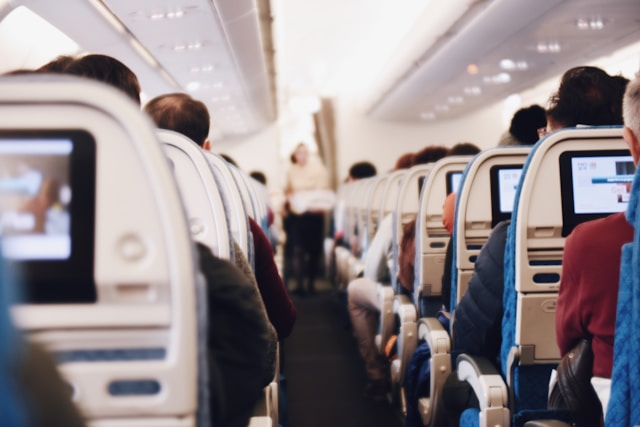
As you make your way through the business class cabin to your seat in coach, it’s hard not to feel a twinge of envy. The plush seats, extra legroom, and attentive service are undeniably tempting.

But is upgrading your flight really worth the cost? Let’s explore the details.

THE DIFFERENCES

Economy Service on International Flights

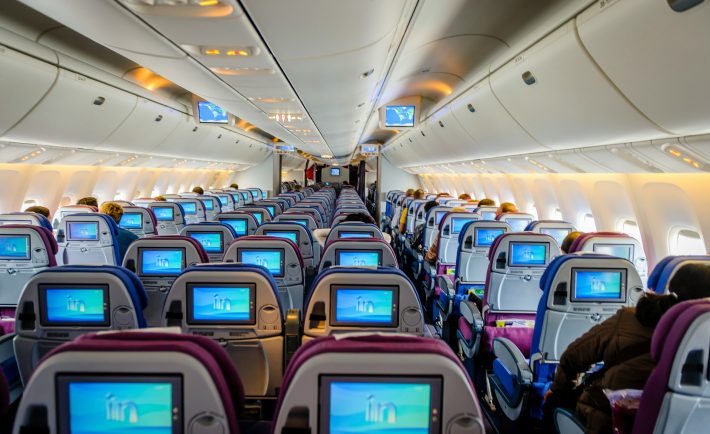
In economy, you can expect a meal or snack, though the quality is often just average. Most airlines offer juice and wine during meal service. Your seat will have standard legroom, a small pillow, and a light blanket (i.e., items upon request). However, you might need to pay extra for headphones.

Premium Economy Service on International Flights

Premium economy offers all the benefits of standard economy with a few added perks. You’ll enjoy about three extra inches of legroom, complimentary earbuds, dedicated overhead storage, early boarding, and a small amenity kit with earplugs and a sleeping mask on long-haul flights.

Business Class on International Flights

Business class enhances comfort with more legroom, greater seat recline, and a footrest. You’ll benefit from expedited check-in, early boarding, dedicated overhead bins, and a more private cabin. The dining experience is elevated with more frequent food, snack, and drink service. You’ll also receive a premium amenity kit, higher-quality pillow, thicker blanket, and noise-canceling headphones.

First Class or Premium Service on International Flights

Expect lay-flat seats, a larger entertainment system with noise-canceling headphones, lounge access, expedited check-in and boarding, and extra overhead bin space. The premium amenity kit may include pajamas, and you’ll be treated to a welcome cocktail, premium wines, and gourmet meals served on fancy plates. Some flights even feature suites with doors for added privacy.

CONSIDER THESE FACTORS

#1: FLIGHT DURATION

The length of your flight is a critical factor. For flights under 7-8 hours, the upgrade might not be worth it. However, for longer flights to USA, Africa, New Zealand, or Europe, the enhanced comfort can significantly improve your travel experience.

#2: COST

Cost is a major consideration. Upgrading from economy to premium economy on a flight might cost an extra SGD 135 to SGD 270, which can be a worthwhile investment for the added comfort. However, upgrading to first class can add SGD 2,700 to SGD 5,400 to your ticket price, translating to SGD 337.50 to SGD 675 per flight hour. Assess if the additional legroom and perks are worth the hefty price.

Consider upgrading only the longest leg of your journey to save money. Airlines often offer upgrade deals after booking, which can be significantly cheaper than the original first-class ticket price.

#3: TRAVELING WITH KIDS

For families traveling with children on long flights, an upgrade can make a world of difference. The additional space and comfort can help everyone get some rest, making it easier to hit the ground running when you reach your destination.

#4: FLIGHT ANXIETY

If flying makes you anxious, upgrading can help alleviate some of that stress. The more spacious and comfortable environment, with less crowding and noise, can make the experience more relaxing, even if the actual flight isn’t any safer in a premium cabin.

Image Credits: unsplash.com

#5: BAGGAGE ALLOWANCE

Upgrading often comes with increased baggage allowances. Some airlines allow up to 20 lbs more luggage for premium passengers, which can save you from expensive overweight fees. If you tend to overpack or shop a lot on your trips, this added benefit can be very useful.

#6: AIRLINE REWARDS PROGRAMS

Frequent flyers can benefit from airline rewards programs that offer free or discounted upgrades. Take advantage of these programs!

#7: TIME SAVER

Premium passengers can often skip the long lines at check-in and security, which can save a significant amount of time. This is especially valuable if you’re on a tight schedule or have a business meeting right after your flight.

IN A NUTSHELL

Whether upgrading your flight is worth it depends on various factors, including flight duration, cost, personal comfort, and travel needs.

Image Credits: unsplash.com

For long-haul flights, the increased comfort and additional perks can make a substantial difference. However, for shorter trips, the extra expense might not be justified. Assess your priorities and travel preferences to make the best decision for your journey.

Sources: 1 & 2


Read More...

Transition of Leadership in Singapore Signals a New Era Ahead

Long-time Singaporean Prime Minister Lee Hsien Loong recently announced his decision to step down and pass the baton to his designated successor, Lawrence Wong, on May 15. This transition comes ahead of an impending election slated for next year.

Image Credits: unsplash.com

Wong has long been recognized as the prime minister-in-waiting, a position he assumed in April 2022 after the previously appointed successor withdrew unexpectedly. This disruption in the meticulously planned leadership succession, customary in Singapore, has been carefully navigated to ensure continuity.

During the COVID-19 pandemic, Wong emerged prominently as the co-head of the government’s COVID-19 task force. His adept management of the crisis, which included implementing movement restrictions and overseeing contact-tracing efforts, garnered widespread acclaim. He not only succeeded in containing infections and minimizing fatalities but also excelled in communicating government policies transparently to the public.

Having served as Lee’s principal private secretary from 2005 to 2008, Wong subsequently held key ministerial positions in education, national development, finance, and eventually ascended to the role of deputy prime minister in 2022.

In accepting this new responsibility, Wong expressed humility and a profound sense of duty. He articulated his commitment to serving the nation wholeheartedly, pledging to be guided by the aspirations and concerns of the people.

Lee, in acknowledging the significance of the leadership transition, emphasized its importance for the nation’s progress. The Prime Minister’s Office affirmed Wong’s leadership, highlighting unanimous support from the People’s Action Party (PAP) MPs.

Wong’s call to action encourages Singaporeans to actively participate in shaping the country’s future. He invites citizens to share their ideas, aspirations, and concerns, emphasizing the collaborative effort needed to build a brighter tomorrow for all.

Addressing the financial concerns of Singaporeans remains a key priority for the incoming leadership. Recent surveys indicate significant apprehension among citizens regarding their financial security, with factors such as rising household expenses and inflation weighing heavily on their minds. Issues such as soaring rental costs and the anticipated increase in Goods and Services Tax (GST) further underscore the need for proactive measures to alleviate financial burdens and ensure economic resilience.

As Wong assumes office, he commits to addressing these challenges head-on, working tirelessly to build a prosperous and inclusive Singapore.

Sources: 1,2, & 3

Read More...

Cost-Cutting Measures Taken By SIA To Alleviate The Effects of COVID-19

The tourism industry has taken a significant hit due to the global travel restrictions and economic impact of the COVID-19 pandemic. In fact, the Singapore government temporarily suspended the operations of Terminal 4 to adapt to the decline of flights.

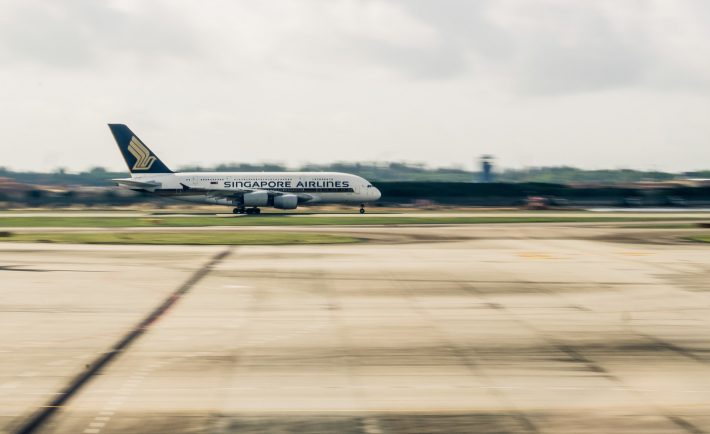
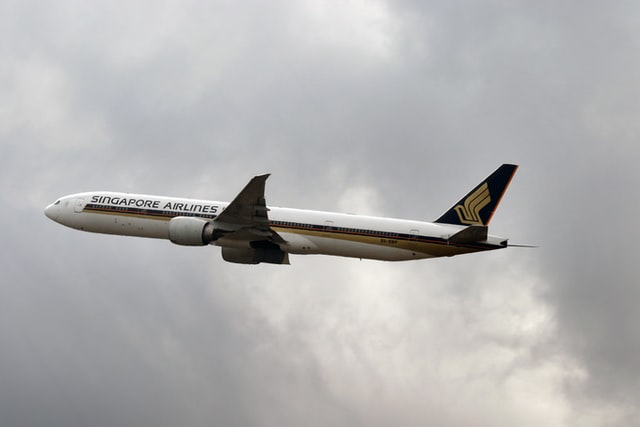
The national carrier Singapore Airlines (SIA) was heavily affected by the pandemic too. It is currently operating at 7% of its scheduled capacity. The drastic drop of the travel demands led to a net loss of S$1.12 billion in SIA’s first quarter. This is why the SIA Group had to employ cost-cutting measures aimed at mitigating the harsh financial effects of the current circumstance.

The following are some of the SIA’s cost-cutting measures.

1. OFFERING NO-PAY LEAVE SINCE MARCH

Having leave without pay is something that is seen in different fields including the tourism industry. More than 6,000 SIA Group staff have taken up varying days of no-pay leave amidst the collapse in air travel. This number accounts for more than a fifth of the 27,000 staff under the SIA Group. You see, the SIA Group includes SilkAir and Scoot.

Pilots, cabin crew, and ground staff members have taken no-pay leaves with a minimum of seven days. These people who are on no-pay leave or are on furlough are allowed to look for other sources of income and employment outside of the company, provided that they are non-work pass holders.

2. WORKING WITH PARTNERS TO RESCHEDULE PAYMENTS AND REDUCE COSTS

SIA is on a mission to negotiate adjustments with aircraft manufacturers. They have been and will continue to negotiate on existing orders and payment schemes to reduce near-term cash outflows. This strategy is something that many businesses are adopting.

3. CUTTING SALARIES AND WAGES

To reduce the lay-offs and to help the SIA Group to survive during this time, all the staff have taken cuts from their salaries. Managers and people with higher ranks have taken cuts ranging between 12 to 35 percent (%), with its Chief Executive Officer taking the highest cut of 35%. While all the other staff have taken a cut of about 10% on their basic salary.

4. HAVING EARLY RETIREMENT AND RELEASE OPTIONS

In its continuous search to reduce its operational costs, SIA has offered its cabin crew early release or retirement options. Cabin crew members who successfully apply for the scheme will receive benefits and payouts. The trainee crew will not be eligible. Eligible applicants have until August 2020 to apply. Each application will be considered on its merits. The results of the application will be released by mid-September 2020.

Cabin crew members will reap different benefits based on their employment status. For instance, crew members who are still serving their bond as of August 1 will be granted a waiver of any outstanding bond repayment if they successfully apply to leave early. On the other hand, crew members in the last year of their contract as of August 1 who successfully apply to leave early, will reap a pro-rated gratuity without having to complete the current contract.

Image Credits: unsplash.com

Experts have said that these various measures will help the SIA Group, but not to the extent that it can avoid eventual job cuts. This is due to the decrease in travel demands and the increase in current manpower. Moreover, a quick recovery is nowhere in sight as the International Air Transport Association stated that it will be until 2024 before the travel demand returns to the last year’s level.

Sources: 1 & 2


Read More...

A Helpful Guide To Business Recovery

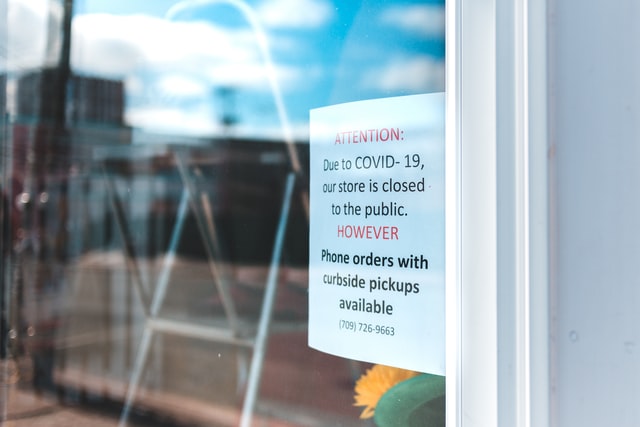
The coronavirus pandemic has taken a significant toll on many businesses and individuals all over the world. It is as if we are living an alternate universe where our global economy gradually collapses and we are left to make sacrifices in order to survive. The pandemic has negatively affected many lives and has caused business closures from different industries. These are the hard realities that we face now.

As time goes by, we see glimpses of hope at the end of the dark tunnel. Singapore’s Phase 2 has made steady progress towards reopening the country to more business activities such as nail salons, bookstores, fitness studios, tuition centers, and more. We moved into the next stage while successfully keeping the community transmissions low.

Despite this, businesses must reopen with caution. It is crucial to prepare for gradual business recovery with adequate planning. Here are some things that you may consider as you open your doors to others.

OPEN WITH MINIMUM OPERATIONAL CAPACITY

One of the biggest mistakes that you may make is to eagerly start full on day one. This can incur unnecessary costs (i.e., includes wages and utility expenses) and can increase the risks of closure. View the situation with realistic lenses. Many consumers are slimming down their budgets in order to make ends meet. If the demand is low, you must adjust to the situation by operating your business with minimum capacity.

What is the bare setup you need to complete your monthly business cycles? Stick to that. This bare setup includes your essential staff, minimum inventory, and main products or services. As you reawaken your ecosystem, it will gradually grow in time. Your only goal on day one is to restart.

MAKE PERSONALIZED CALLS TO CLIENTS AND STAKEHOLDERS

Everyone will expect a different level of business productivity during the recovery period. It is unreasonable for others to require you the same amount of outcome as you achieved a year before. This leeway is not excuse for you to lose your communication channels with your loyal clients and stakeholders. Assure them that you are taking active steps into restarting the business.

Make personalized calls to these important people. Be honest and genuine as you hear out their concerns and grievances. Prepare for the personalized calls by having a list of possible questions and by offering practical solutions to their possible concerns. You can regularly update them as soon as you are able to address certain challenges on your way to business recovery.

CALCULATE THE TOTAL BUSINESS IMPACT

From the beginning of the Circuit Breaker period down to the present, you must calculate the profits and losses that your business incurred. Doing so, you will be able to have a numeric goal for your business to achieve in time.

Several business continuity models suggest that you must calculate the business recovery costs, audit the liquid assets and know the projected sales to paint the picture of a realistic business recovery timeline. Business recovery costs are liability that you will slowly pay off with liquid assets, then with projected sales. Going through this process will give you an idea of how long you should plan for business recovery.

CREATE A BUSINESS RECOVERY PLAN

Much like one’s journey to starting a family, business recovery cannot be rushed. You must plan for it with a sense of control. Use your realistic timeline to bring your business back to its healthy shape. During this recovery period, you must operate at a minimum capacity and explore other sources of income. For instance, a construction company may look into offering demolition or dismantling services.

Image Credits: unsplash.com

It is important to be aware of the relevant national rules that govern your industry. The changes in the demand for your products and services must be taken into account too. Activate the non-essential parts of your operations as your business increases its sales. Take things slow!

Sources: 1 & 2

Read More...