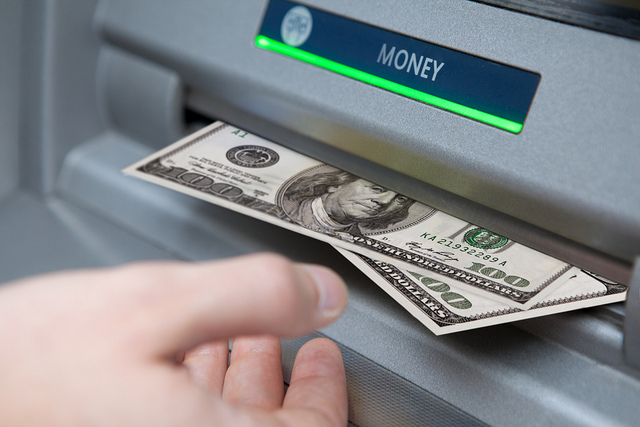
Money Management Tips From Around The World

Diversity is rich in meaningful insight that extends to financial values and money handling practices. Know more about the 5 money strategies from around the world that you can use in your everyday life…

1. CHINA: MAKE FRUGALITY YOUR MANTRA

China has a strong culture of saving. Being raised by Chinese parents, you will feel that saving at least 50% of your income is normal. In fact, China’s government has saved about 51% of their GDP in 2013, according to the International Monetary Fund. Make frugality your mantra by saving electric bills through charging your hand phone at work and by unplugging everything after usage.

2. ASIA: TRY TO BARGAIN ON ANYTHING

I cannot be the only one who constantly asks if there are discount options or if there is a better price offer. In Asian countries, negotiating is a common practice especially for those who are purchasing in the market or flea. Whether it be computers, bed sheets, or apples…there is always a better price and all you have to do is ask politely.

3. GERMANY: SHY AWAY FROM CREDIT

Germany has a deep aversion towards debt and an emphasis on responsibility. This is why they prefer to pay cash than credit. Having to pay with the money you already have is a wise decision that is accepted by most. This preference for cash is evident as they use one of the most valuable currency denominations in the world – the €500 note.

4. JAPAN: VALUE ONE’S MONEY

In Japan, money is handled with respect and is kept clean and crisp. This is why it is common to give cash as a gift, especially for significant life events such as weddings and funerals. Interestingly, they value money so much that they sell anti-bacterial wallets to sterilize the bills. Treating money with profound respect helps the saver to resist the urge of spending.

5. GUATEMALA: ASK FOR THE FAMILY’S OPINION

Most countries of Spanish decent have close family ties.

Image Credits: Alfonso Lomba via Flickr

Image Credits: Alfonso Lomba via Flickr

This is why before making huge purchases or monetary decisions, some Guatemalans ask for their family’s advice. This is a good tip because you never know who has a connection, a friends-and-family discount, or even an extra of the item so you do not have to purchase.


Read More...

5 Financial Steps You Must Take After Getting Your First Job

So you got your first full-time job after graduating…what happens next? You may be lost and unfamiliar with the new responsibilities ahead. So, it is best to keep your finances in check. These steps will help:

1. ALLOCATE YOUR FINANCES BY BUDGETING

List down your expenses (i.e., fixed and variable), your income, and debts. Be aware of your cash flow for at least 2 weeks to help you set up a budget. Do not panic if you still have to pay your student loan because a budget will help you plan your income allocation.

2. REDUCE YOUR STUDENT LOAN

Do not wait until the lender notices you have graduated, start now. The earlier you start making payments, the more you will save. Furthermore, if you have a private loan that you took out when your credit score was lower, there is a potential to borrow again at lower rate.

3. THINK ABOUT YOUR FINANCIAL GOALS

You may be living from paycheck to paycheck at the first few months but how about 4 years from now? Think about your long-term financial goals and start planning your budget accordingly. You may consider buying a house, traveling, or having kids, so start setting aside some money every month towards your goals. This will lessen the load and the stress.

4. CONSIDER BUYING THE INSURANCE YOU NEED

Insurance maybe in the back of your mind because you are young, healthy, and you got your life ahead of you. But, it will be the best thing you have ever invested on once accidents and unforeseen things happen. It is cheaper to buy insurance now while you are young because the risks are low. Many employers offer group life and group disability insurance, so it is more affordable and cheap enough to consider.

5. OPEN YOUR RETIREMENT ACCOUNT

I stressed this issue so much before and I will say it again. The best time to start your retirement savings is before you hit 35 years old. Wouldn’t you want to have a relaxing life with no financial worries once you retire?

Image Credits: 401(K) 2012 via Flickr

Image Credits: 401(K) 2012 via Flickr

Then, set aside at least 5-10% of your income per month for retirement fund. Also, avoid debt as much as possible and get educated about your finances. Know how and why you should save for retirement before your mid-30s here.

Read More...

Boost Your Savings With An Entry-Level Salary

Surviving expenses as a fresh graduate in your first “real-world” job without anyone to depend on can be tough at times. Living from paycheck to paycheck, you will need to find strategies to help you save more. Aside from budgeting, here are 6 ways to boost your savings on an entry-level salary

1. PACK YOUR LUNCH

After going to grocery, prepare your meals for the week. Packing your own lunch will not only help you save but it is also healthier. This strategy has worked for me very well before and has reduced my meals to S$5-10 a day.

2. TAKE PUBLIC TRANSPORTATION

Being in a country with an efficient transportation system, I do not see the reason why there is a need to take a cab in short distances. Buy a Public Transportation card (EZ-Link card) that you can use for trains and buses to save more. If you still want to drive via car, then carpool with your coworkers who live nearby.

3. MAKE YOUR OWN COFFEE

Your daily sip on Starbucks could be costing you a lot. Brew your own coffee for free instead. You can either make your coffee in your house before you leave or in your office during lunch breaks.

4. ATTEND INEXPENSIVE FUN EVENTS

Save without compromising fun by going to free or inexpensive events. You can search for free museum days, charity concerts, and outdoor films. There are some community events and workshops that charge as little as S$2 so keep your eye on those.

5. NETWORK WHILE YOU PARTY

Socializing with other people can widen your resources and potential business partners. But, it does not mean that you should splurge on drinks. Indulge on drink deals as much as you can during happy hours to save more.

6. BUNK WITH ROOMMATES

Living alone with an entry-level salary is not ideal. So, find friends or co-workers who can split the rent finances with you.

Image Credits: Robert Judge via Flickr

Image Credits: Robert Judge via Flickr

You will not only have a load off but you will also enjoy an awesome company of people who can go with you while you attend free events, happy hours, and great sales.

Don’t think it is possible? Then read how a Singaporean saved $20,000 in a year: http://goo.gl/7cUIC1

Read More...

Psychology of Spenders And Savers

There are two types of people in the world: those who spend and those who save.

SPENDERS

Compulsive spenders do not want to delay gratification. If they want something, they will purchase it right away…as long as they are happy. It worked so well in the past, so they stick to the same habit. But, when expenses and debts extremely increase then, it is the time they realize that they need to kick that habit away.

Here are 3 ways to prevent your impulses and to help you save:

1. IDENTIFY YOUR FINANCIAL GOALS

How much do you need when you retire or how much do you need to pay for your child’s education? Ask yourself these questions to identify your financial goals. Then, be vocal about it to your friends and family.

2. NEED VS WANT

Before purchasing anything, evaluate and know whether you need or want the item. Then, purchase according to your budget.

3. STAY AWAY FROM THE PLASTIC CARDS

By using mainly cash and withdrawing it from your bank account, then you became more aware of your spending and your account balance.

SAVERS

For financially aware individuals, the act of spending can activate neural activity in the anterior insula and amygdala. These two parts are responsible for the mood and unpleasantness felt. This is why the more these two are activated; the less likely a financially aware individual will spend. On the other hand, the act of saving will bring immense pleasure to them.

While many people take pleasure in purchasing things, some savvy savers do not feel the same. Instead some of these people are uncomfortable when shopping, they constantly look for the price tag and calculate the total, and they feel emotionally painful when they are paying. If you are not experiencing enough pleasure in life, you deserve to loosen up and enjoy spending every once in a while.

So, what brings the pleasure back as a savvy saver that is spending?

1. STAY AWAY FROM THE PLASTIC CARDS

Give yourself the vacation or rest day you deserve by budgeting a portion of your money to a category called “personal incentives”. With that money, you would not need to use your credit or debit card since you have already set aside the cash to cover it. Now all you can do is relax and take your mind off the expenses.

2. PURCHASES=REWARDS

At the end of the month and once you meet your savings goal, reward yourself with the pampering you deserve for working hard and doing so well. To prevent frugal fatigue, reward yourself by using a responsible amount of 4% – 8% of your savings.

3. THINK OF THE FUTURE

Study has shown that people are happier when they spend their money on experiences (e.g., sky diving) than in goods (e.g., Gucci bag). So, do the same with your personal incentives. Do you really want to regret experiences you did not take because you don’t want to spend money on enjoyment?

Image Credits: Tax Credits via Flickr

Image Credits: Tax Credits via Flickr

Even though you belong in one category now…you can still change! Whether you are a saver or spender, you hold your financial present and future.

Read More...

7-Day Spending Cleanse Ideas You Must Try

It is amazing to start the Lunar New Year with a clean financial slate and increased savings. So, begin the year with a 2015 spending cleanse: short yet impactful exercise to help you clear your mind, focus on your goals, and improve your buying habits. There are no excuses because a short-term intervention (7 days) is a good place to start.

In just a week, your financial awareness can help you stop spending on unnecessary items and eventually help you break the bad habits. Try these 3 Spending Cleanse Ideas and come out more motivated, focused, and richer.

You must first figure out a budget plan that helps reach your financial goals before starting the cleanse. Seek guidance from family, friends, or YouNeedABudget.com.

1. ELIMINATE THE UNNECESSARY

Plan: Identify a category where you are overspending then, slash that problem area.

Purpose: To allocate more money for shopping, emergency fund, and savings.

If you a person who does not pack for lunch and only go for local restaurants, gourmet counters, and coffee shops everyday then your expenses can take about S$450 of your income. With this cleanse, you will have to go on cold turkey and avoid buying for outside food for 7 days. You will find yourself save more afterwards.

Just by reducing expenses in one category such as switching back to basic cell phone plan; you can save up for your dreams in just a few years. It is so simple! There is no sense if you go back to your unpleasant ways.

2. HAVE AN “AUTO-SAVE” SYSTEM

Plan: Program regular account transfers to help you reach your goals while having a busy schedule.

Purpose: To save money for retirement, emergency fund, and vacations before you spend it all.

Contemplate upon your budget and begin writing a list of the things you want to save for from your needs (e.g., emergency fund) to your wants (e.g., Christmas vacation in Paris). Divide your income to the needs first then, divide what is left to your wants. You need at least two bank accounts: one for your needs and one for your wants. The next step is to set up automatic transfers or direct deposits that will move your money into each account on payday.

3. NO MORE PLASTIC CARDS

Plan: Withdraw the week’s spending from the bank in cash. When it is gone…it is gone.

Purpose: Saying no to credit cards will cut down the impulse purchases.

Most people talk about how important their long-term financial goals are but their regular buying decisions do not support their goals. This cleanse will have you keep your credit and debit cards at home so you can easily notice when you are losing money for every purchase. Before the week begins you must spare 25% of your income and divide it to your spending categories and put all in different envelopes.

Image Credits: wikihow.com/Do-Envelope-Budgeting

Image Credits: wikihow.com/Do-Envelope-Budgeting

This will be your only allowance for the whole 7 days and all for purchases shall only come from it. Research showed that the act of relying to cash for spending makes you savor the paying process, think more, and spend less. Trust me, it works.

Read More...