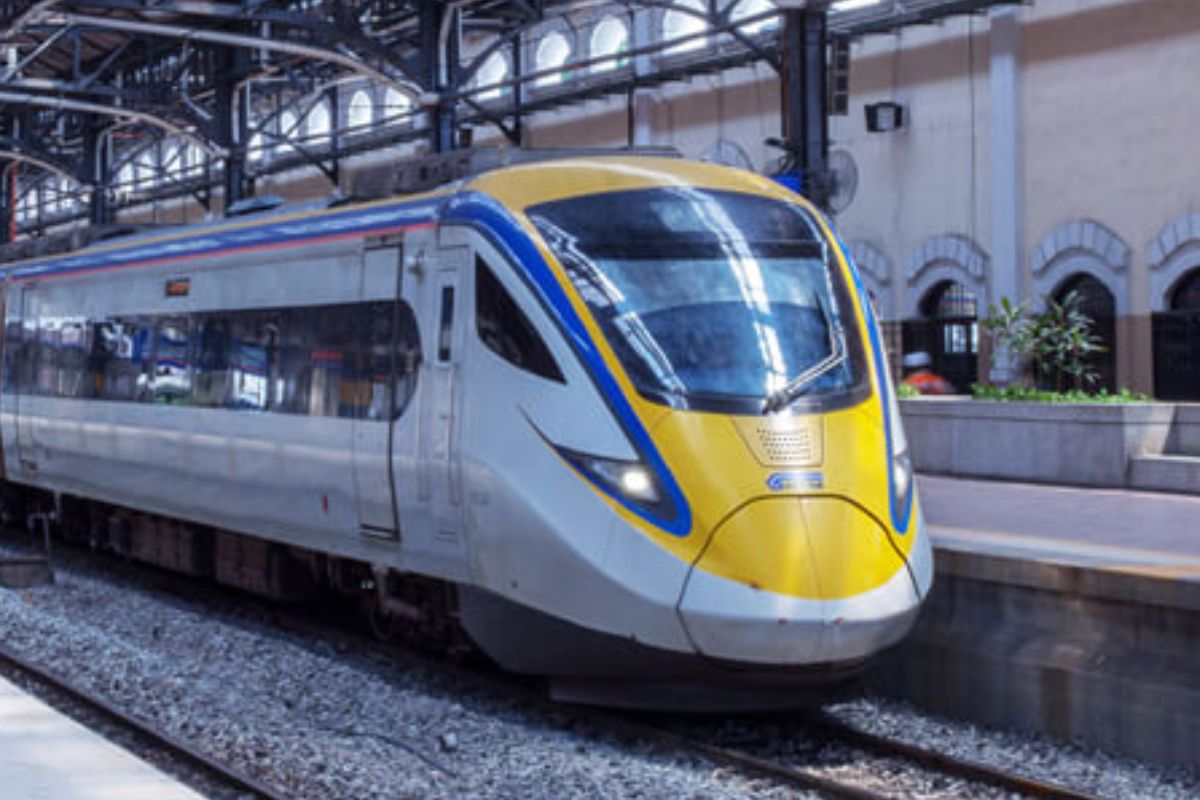
After years of anticipation, Malaysia’s Electric Train Service (ETS) officially extends to Johor Bahru on December 12, 2025. This game-changing development cuts travel time between KL and JB in half and opens exciting new possibilities for Singaporeans exploring Malaysia.
A Faster, More Comfortable Journey
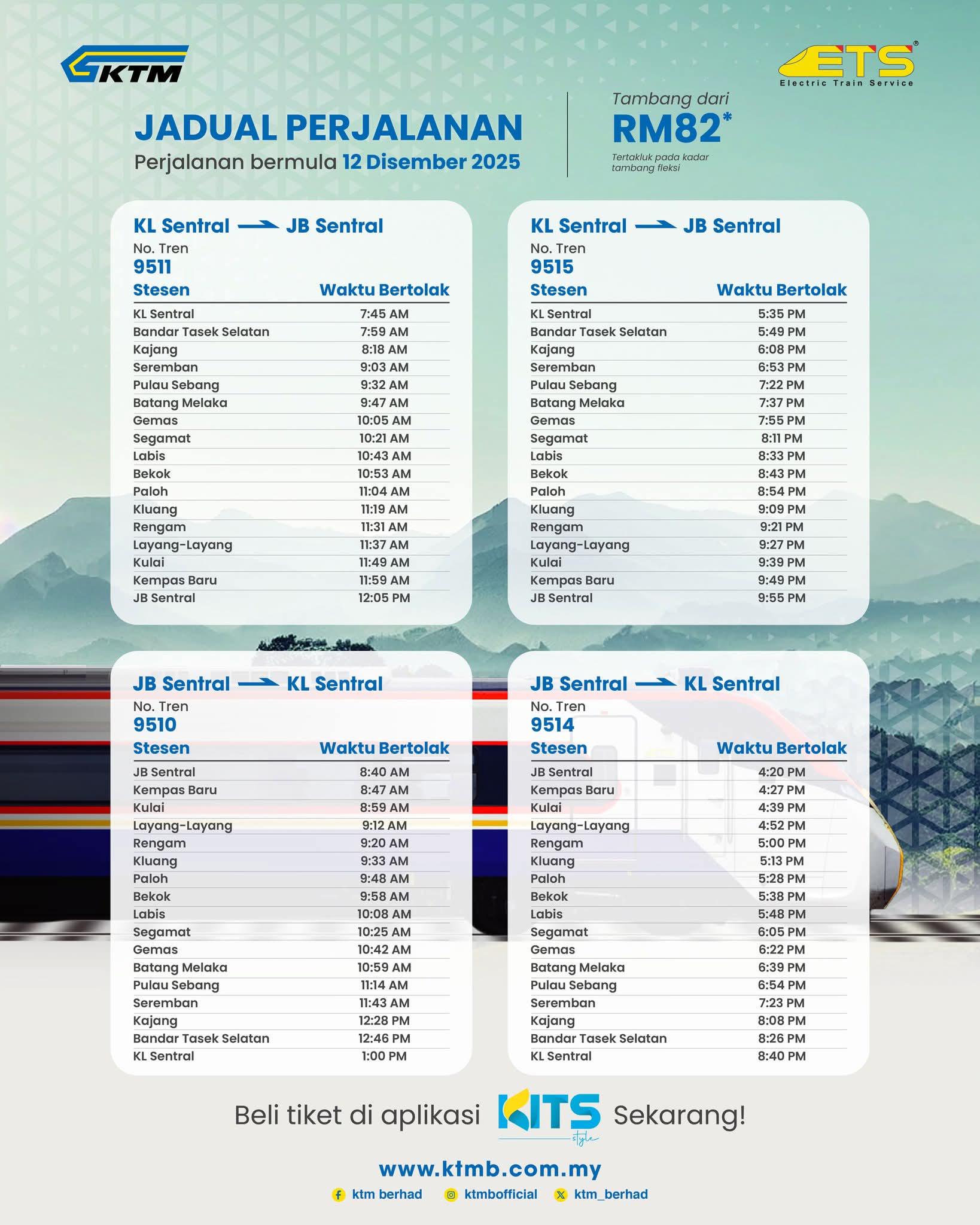
The new ETS route transforms the KL-JB journey dramatically. Where diesel trains currently take seven hours, the ETS3 completes the trip in about 4.5 hours at speeds up to 140 km/h. The train stops at Segamat, Kluang, Kulai, and Kempas Baru before reaching JB Sentral, making previously hard-to-reach Johor towns easily accessible.
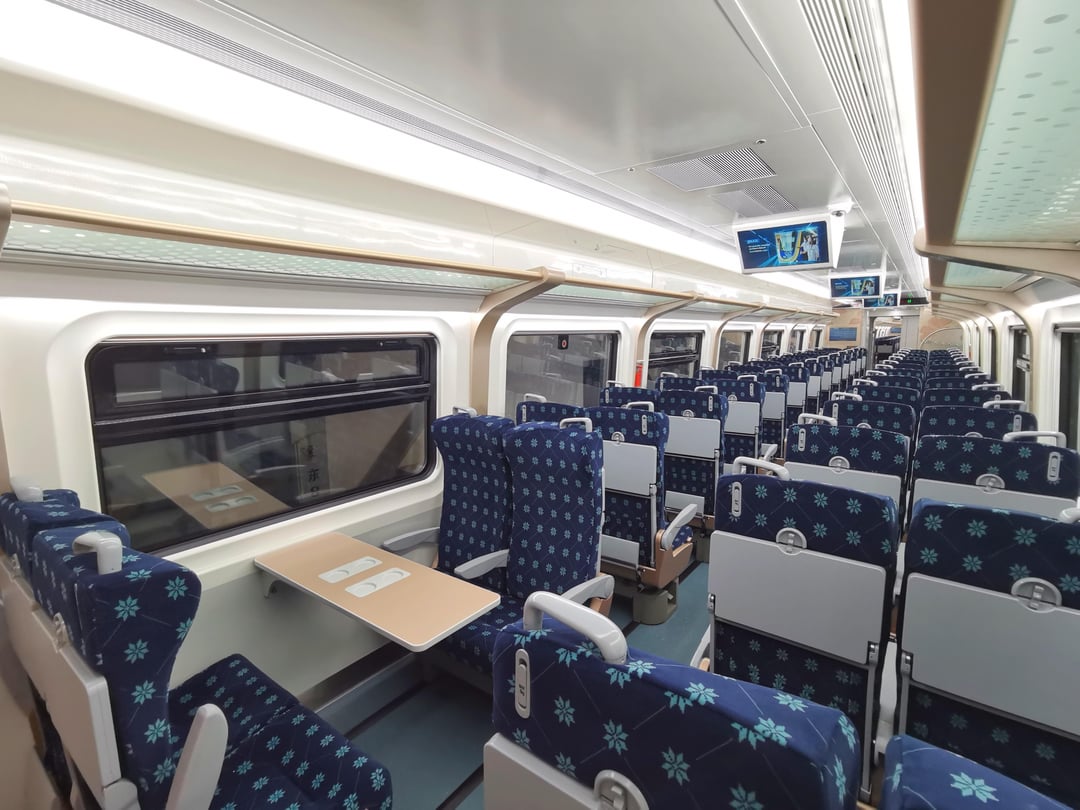
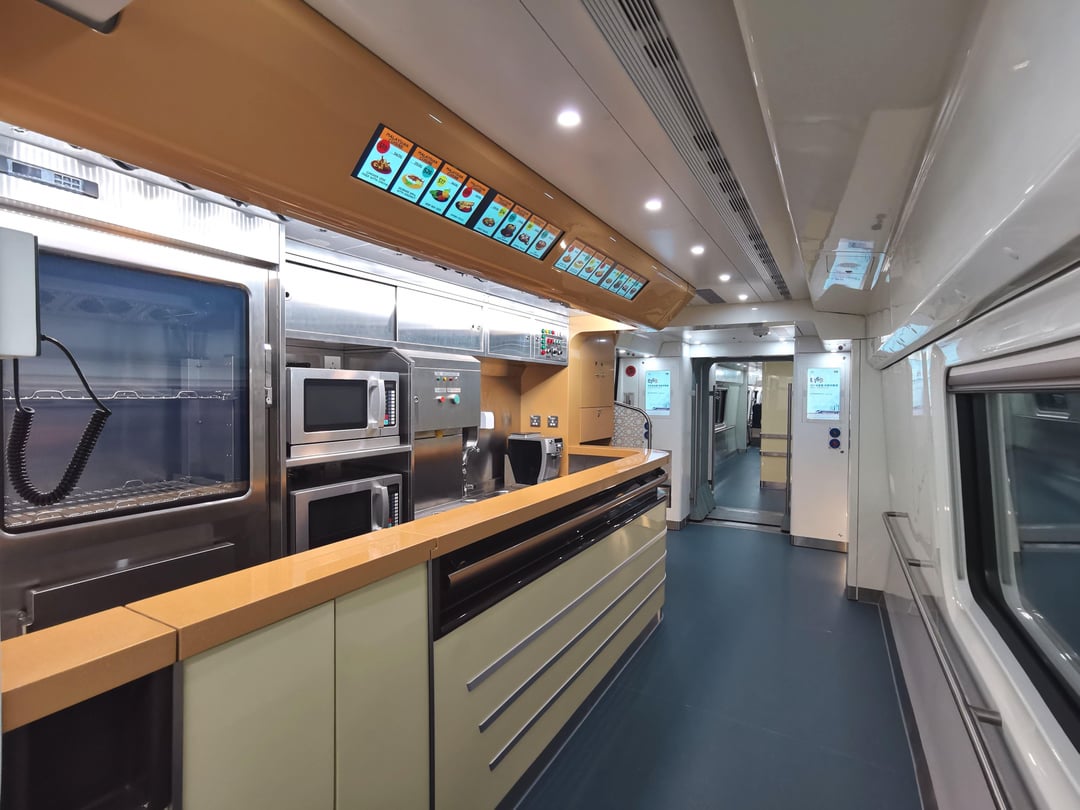
Modern amenities include USB charging ports, clean onboard toilets, and a cafeteria. Each train accommodates 300 to 500 passengers, with multiple daily services planned.
Ticket Prices and How to Book
ETS tickets from JB Sentral to KL Sentral start from RM82, with three service classes available:
ETS Platinum: Premium service with fewest stops and complimentary snacks
ETS Gold: Balanced option with fewer stops than Silver
ETS Silver: Most economical, stopping at all stations
Launch special: 30% discount for tickets purchased December 12 to January 11, 2026, using promo code JBBEST (limited to 5,000 redemptions).
Booking Your Tickets from Singapore
Official KTMB Channels:
KITS Website: Book at online.ktmb.com.my with account registration
KITS Style App: Download for mobile booking
Kiosks and Counters: Available at JB Sentral and other stations
Seamless Connectivity to Singapore
For Singaporeans, the real excitement lies in the enhanced connectivity this service brings. JB Sentral, the terminal station for the ETS, is strategically located and will soon connect to Singapore’s upcoming Rapid Transit System Link (RTS Link). The RTS project, linking Bukit Chagar in Johor Bahru and Woodlands North in Singapore, is scheduled for completion in December 2026 with operations commencing in early 2027.
This integration means Singaporeans will soon be able to travel from Woodlands North MRT via the RTS to JB Sentral, then seamlessly board the ETS to Kuala Lumpur and beyond, all without dealing with traffic congestion at the Causeway. The connection between the two services will feature sheltered walkways, escalators, and lifts for easy transfers.
A New Era of Travel
This ETS extension represents more than improved transportation—it’s a gateway to easier business travel, tourism, and exploring Malaysia without driving stress. For Singaporeans, it means convenient access to Johor’s attractions and the ability to venture deeper into Malaysia with speed and comfort.
As Malaysia completes its West Coast rail electrification, the December 12 launch marks a new chapter in cross-border connectivity, bringing Kuala Lumpur within easy reach and transforming how we explore our northern neighbor.
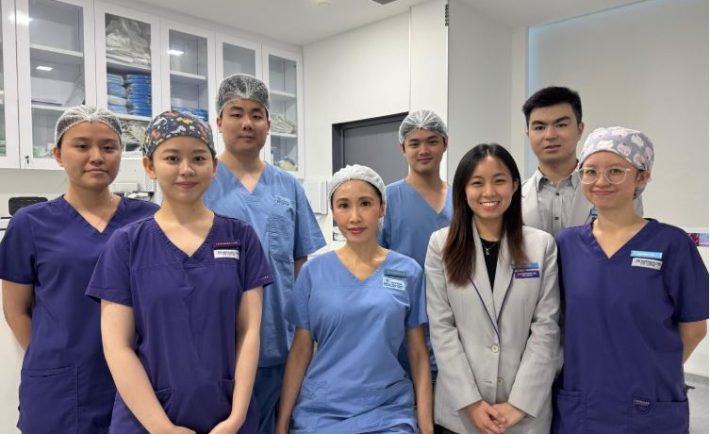
Ophthalmologist introduces flapless laser vision correction procedure as an alternative to LASIK and SMILE. When Dr Natasha Lim first learned about Smooth Incision Lenticule Keratomileusis (SILK), she saw an opportunity to offer her patients better outcomes with less invasive procedures. Now, as one of Singapore’s pioneer surgeons performing SILK, Dr Lim is ushering in an alternative approach to refractive surgery that may be suitable for a wider range of patients seeking vision correction.
Clinical Background and Professional Experience
Dr Natasha Lim has made significant contributions to the field of refractive surgery throughout her career, being the only ophthalmologist from Singapore whose LASIK results were published on the worldwide AMO iDesign Registry, a platform used by LASIK surgeons for clinical reference.
Her experience with established refractive procedures has thus informed her decision to offer a newly advanced SILK technology to modern laser vision correction (LVC) candidates. Having performed many LASIK procedures, Dr Natasha Lim recognised that SILK’s technological advancements could address certain limitations of existing LVC techniques. Her comprehensive understanding of corneal biomechanics and refractive outcomes positions her to evaluate which patients may benefit from this flapless approach.
Understanding SILK as a Refractive Option
For patients considering laser vision correction, SILK represents a flapless alternative to existing procedures like LASIK.
LASIK, an established refractive surgery for myopia and astigmatism, involves the creation of a corneal flap. The procedure has been performed for several decades with documented outcomes, demonstrating efficacy in correcting myopia up to -12.00DS and astigmatism up to -6.00DC clinically.
SILK, on the other hand, is a flapless procedure and has been shown to address a comparable range of myopia up to -12.00DS and astigmatism up to -6.00DC. The procedure uses a femtosecond laser to create and extract a lens-shaped piece of corneal tissue (called a lenticule) through an incision of approximately two millimetres only. The system uses unique femtosecond laser cutting technology that combines short pulse duration, small laser spot size, and high pulse repetition rate, which enables a continuous, tissue bridge-free laser resection for a smooth corneal surface.
The flapless nature of SILK means the procedure does not create a corneal flap, hence does not suffer certain risks associated with flap complications, such as cornea wrinkles, flap dislocation, corneal ectasia and dry eye syndrome2, all of which can affectboth immediate and long-term visual outcomes.
Technical Development from SMILE
SILK also builds on Small Incision Lenticule Extraction (SMILE), introduced in 2009, incorporating technological modifications to the SMILE technique.
The SILK procedure employs a submicron-precision laser system delivering lower energy per pulse of 40 to 90 nanojoules, designed for minimal collateral tissue damage, hence enabling smooth tissue dissection with the aim of reducing post-operative inflammation.
Compared to the asymmetrical shape used in SMILE, SILK uses a biconvex lenticule shape intended to facilitate smoother tissue extraction and create a more uniform corneal surface. Combined with the reduced laser energy, these technological refinements aim to shorten surgical time and enable faster post-operative visual recovery.
Dr Natasha Lim added: “As an updated version of SMILE, SILK has the potential to be a more effective option for refractive surgery with reduced downtime.” and that “Ophthalmologists may soon advise SILK surgery for patients seeking a more comfortable and quicker path to clear vision.”
The SILK Procedure
The SILK procedure takes approximately two minutes per eye. Before surgery begins, detailed measurements of the patient’s eye—including corneal thickness and prescription strength—are entered into the SILK laser system. The system then automatically calculates the exact specifications needed for the tissue removal.
During the procedure, the patient is positioned comfortably under the surgical microscope and laser system. The patient will be directed to focus on a small light to keep the eye steady while the laser creates a precise cutting pattern in the cornea. The surgeon then carefully removes the lenticule through the small incision.
The laser application itself takes approximately 16 seconds, with 85.3% of eyes requiring only mild dissection.
Clinical studies of SILK demonstrate favourable outcomes for visual recovery, with patients reporting an average of one day of downtime for the cornea to reshape. Within one week, 88% of patients experienced 20/20 vision or better, increasing to 96% within three months.
Patient satisfaction data also shows positive responses: 100% of patients reported satisfaction with having undergone the SILK procedure, while 98% were satisfied with the speed of their vision improvement. Additionally, 96% of patients indicated they would recommend SILK to friends or family members.
Expanding Options for Vision Correction
As a pioneer surgeon for SILK in Singapore, Dr Natasha Lim provides patients with access to this recent development in refractive surgery alongside established procedures such as LASIK, PRK and Implantable Collamer Lens surgery. The availability of multiple laser vision correction technologies at her eye centre in Royal Square Novena allows Dr Lim to unbiasedly recommend treatment options tailored to each patient’s specific ophthalmological conditions and clinical profile.
To learn more about which refractive surgery option may be suitable for your vision correction needs, schedule a consultation with Dr Natasha Lim at Dr Natasha Lim Eye Centre.
Life in Singapore moves quickly, and with it comes the responsibility of safeguarding the people who depend on you. Life insurance protects your loved ones when you are no longer able to do so yourself. Still, many people wonder if the coverage they have today would truly be enough.
Whole life insurance has gained popularity among Singaporeans because it provides lifelong coverage and combines protection with the opportunity to build cash value over time. A portion of the premiums you pay goes into investments, allowing the policy to grow in value and be used later. This value may include guaranteed benefits and in some cases non guaranteed bonuses, depending on the type of whole life plan. If necessary, the cash value can be accessed during emergencies or used to pay future premiums. However, loans taken from the policy must be repaid with interest, and failing to do so may slow future growth and reduce the amount available.
Participating whole life plans share in the profits of the insurer’s participating fund. These profits are distributed to policyholders as dividends or bonuses. While they offer the potential for attractive growth, these bonuses are not guaranteed and depend on the performance of investments in the fund. In contrast, non participating policies focus on stability and offer guaranteed benefits without bonuses. Choosing between the two depends on your risk appetite and expectations for long term returns.
Term life insurance provides a simpler alternative. It offers coverage for a set period and is typically more affordable since it does not invest part of the premium. Many families select term insurance to cover key life stages, such as raising children until they become financially independent or supporting elderly parents. Because it does not build cash value, term insurance works well for those who only want pure protection without an investment component.
Image Credits: unsplash.com
The amount of protection you need depends on the sum assured, which is the payout your family would receive if you pass away or suffer total and permanent disability. If you are the primary income provider, you may require a higher sum assured to ensure your family can continue living comfortably. If your household has multiple income sources and relies less on yours, a lower amount may be sufficient. Coverage can remain fixed for the policy’s duration or decrease gradually, such as in mortgage reducing plans that are designed to cover home loan balances until they are fully paid.
To determine the right level of coverage, start by looking at your family’s lifestyle and financial commitments. Consider the monthly expenses needed to maintain their standard of living. Think about potential medical or care costs that may arise. Add unpaid liabilities such as home loans or personal debts. Then assess the assets already available, including savings, investments, and government support schemes.
Singapore provides several programs to help families in difficult times. The Dependants’ Protection Scheme automatically covers Singaporeans and Permanent Residents who have made their first CPF working contribution and offers a payout of up to $46,000 in the event of death, terminal illness, or total and permanent disability. Home buyers who use CPF to finance their Housing and Development Board loan may be protected under the Home Protection Scheme, which covers outstanding housing loan instalments until the loan is fully paid.
Image Credits: unsplash.com
Protecting your family remains one of the most meaningful financial decisions you can make. Whether you select a lifetime policy that grows with you or a term plan that offers straightforward coverage, the key is choosing a solution that fits your family’s needs and allows them to continue life with dignity should the unexpected happen.
For many Singaporean travelers, Korea’s headline shopping districts are enough to fill a suitcase. Yet some of the country’s most fascinating retail experiences are not above ground. They sit quietly beneath the city, where small businesses thrive, and treasures hide behind modest storefronts. These underground malls are more than shopping conveniences. They are economic ecosystems shaped by foot traffic and the purchasing power of a generation that prioritizes value and discovery.
Image Credits: unsplash.com
Beneath the busy arteries of Myeongdong lies an underground complex that feels almost like a parallel world. Here, beauty products, streetwear, accessories, and home goods come together in a maze of bright stalls. The pricing is competitive, the inventory changes quickly, and the atmosphere feels both youthful and relentless. We even managed to buy a brand-new watch for under S$9 and some K-Pop Super Junior stickers for S$2 each.
Further along the city’s retail undercurrents sits Hoehyeon Underground Shopping Center, a favorite among collectors and long time hobbyists. Tucked between Namdaemun Market and Myeongdong, this labyrinth reveals a quieter world of antiques, stamps, vinyl records, currency notes, and artworks. For Singaporean buyers interested in vintage markets and alternative assets, the center offers a window into Korea’s thriving collector culture.
Across the river, GOTO Mall stretches beneath the express bus terminal like a city of its own. Rows of boutiques sell everything from apparel to beauty products to tech accessories. Some stalls specialize in bedding and homeware, drawing homeowners who appreciate well made goods at competitive prices. Others cater to students and young professionals building their wardrobes on a budget. In between, tarot readers add a touch of mystique to the steady flow of commerce. It is a place where practicality and impulse buying exist side by side.
To complete the underground journey, Dongdaemun’s subterranean shopping center offers a vivid mix of fashion wholesale culture and late night gastronomy. Built under the landmark Dongdaemun Design Plaza, the complex carries clothing, accessories, home items, and cosmetics at prices that reward bulk buying. It functions as a hidden extension of the city’s fashion engine, where trends are born, copied, reinvented, and sold before sunrise. As the evening deepens, the surroundings come alive with night snacks that keep both tourists and traders fueled. Don’t forget to haggle for better prices!
Across all these destinations, one rule remains constant. Cash is king! Most vendors accept only Korean won and many operate with thin margins that favor quick transactions. Visitors should come prepared with comfortable shoes as these centers sprawl across long corridors and can become crowded during peak hours. A weekday visit outside of the lunch rush offers the best chance of moving at your own pace.
Image Credits: unsplash.com
Underground shopping in Korea is more than an inexpensive alternative to its glossy malls. For the budget-conscious traveler, these spaces blend affordability and discovery into the beating heart of the Korean consumer economy.
Taipei has a way of turning even casual visitors into devoted shoppers. My husband and I went for the food, but we quickly discovered how enjoyable it is to shop in the city, especially with the kindness of the people you meet at every turn. At the time of writing, one New Taiwan Dollar is roughly equivalent to 0.042 Singapore Dollar, which makes Taipei’s wide range of shopping choices friendly to all budgets. The city is more than a retail destination. It is a lively blend of culture, warmth, and irresistible finds.
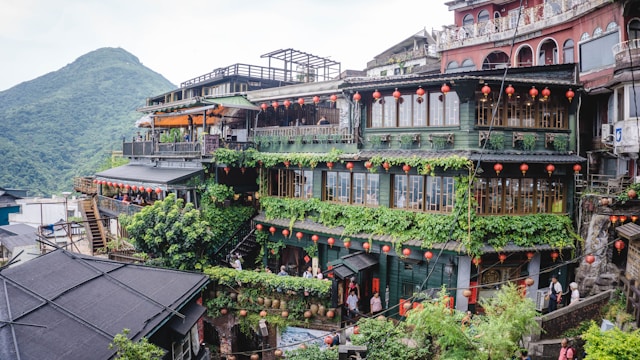
One of the most charming ways to experience Taiwan is through its souvenirs and snacks. Pineapple cakes remain the country’s most iconic gift, and visiting specialty bakeries such as Chia Te Bakery or Taipei LeeChi feels like walking into a gallery of beautifully crafted pastries. Their pineapple and winter melon varieties are packaged elegantly, making them perfect to bring home. Tea lovers can enjoy the refined selections at Jing Sheng Yu on Yongkang Street, while Jiufen Old Street offers tea experiences in a setting that feels lifted from the world of Spirited Away. Its lantern-lined alleys and traditional structures create an atmosphere that is both nostalgic and cinematic.
Image Credits: unsplash.com
For anyone who loves characters and collectibles, Taipei feels like one big playground. Donguri Republic at Shin Kong Mitsukoshi in Xinyi brings Studio Ghibli favorites to life with shelves filled with Totoro and other well loved figures. Pokémon Center Taipei adds another layer of excitement with plush toys, trading cards, and exclusive items. The city is also famous for gashapon machines. Ximending alone features more than 500 of them, offering everything from anime figurines to cute and calming collectibles. Shilin Night Market has its own growing collection, while the malls in Xinyi scatter machines across several floors, turning an ordinary shopping trip into a series of small surprises.
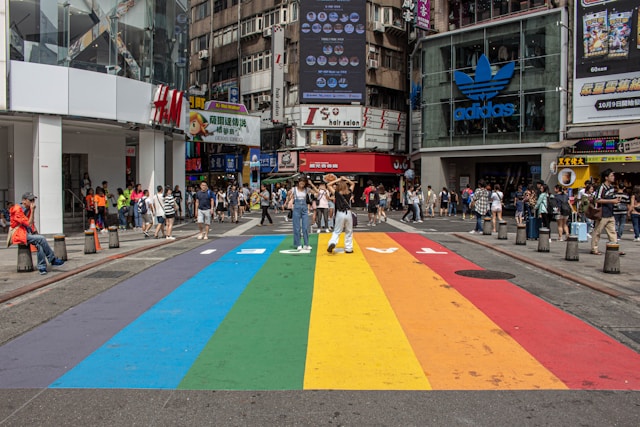
Blind box collectors often gravitate toward Ximending, although some resellers charge two or three times the original price. Pop Mart Ximen is a better choice if you want to go straight to the source. The four storey space includes exhibition areas, a VIP lounge, and larger than life displays of Molly and other popular characters. Crowds tend to build during weekends, yet the experience is worth every moment. Nearby, the Wan Nian Building offers an entire structure dedicated to anime lovers. We found shops selling everything from Voltes V and Dragon Ball to Sakamoto Days and Spy x Family. The Taipei Animate Store is also in the area, with its own entrance tucked below street level and a nearby café that adds to the fun.
Image Credits: unsplash.com
Taipei’s markets reveal a different side of the city. Nanmen Market near the Chiang Kai Shek Memorial Hall focuses on traditional ingredients such as dried goods and fresh local produce. The Taipei Expo Farmer’s Market at Yuanshan MRT brightens weekends with honey, tea, fruits, vegetables, and small batch artisanal items. Red House Craft Market in Ximending highlights the creativity of local artists. The prices can be higher compared to other markets, but the atmosphere is enjoyable and supports independent makers.
Beauty and fashion are part of the city’s everyday charm. Pharmacy chains like Watsons and Cosmed carry cosmetics and skincare that suit a wide range of preferences, and Watsons often offers attractive discounts. For affordable fashion, Wufenpu near Raohe Night Market is a reliable stop. Its narrow lanes are filled with shops carrying clothes, sunglasses, accessories, and children’s items. Trendy and mid range boutiques are scattered throughout Ximending, Yongkang, Shida, and Gongguan, while NET provides a local version of GAP style basics. For a premium experience, Taipei 101 offers luxury brands and an observatory that makes the visit feel even more memorable.
Image Credits: unsplash.com
Shopping in Taipei never feels like a simple transaction. It feels like an invitation to explore the city’s creativity, history, and personality through the things you bring home. Whether it is tea from Jiufen, a blind box from Ximending, or a handmade craft from Red House, every purchase becomes part of your travel story.