
4 compact dishwashers under $500 you can plug & play and say goodbye to hand-washing dishes forever

dirty plates

Can’t wait to say goodbye to the hassle of hand-washing dishes?

I know how it feels when dishes pile up. And that’s why we have innovative and convenient dishwashers designed to simplify our lives, don’t we?

With their compact size, they fit well into any kitchen space. So if you can’t wait to rid of the tedious task of handwashing dishes, stay on this page.

Toshiba 5L Portable Dishwasher – White
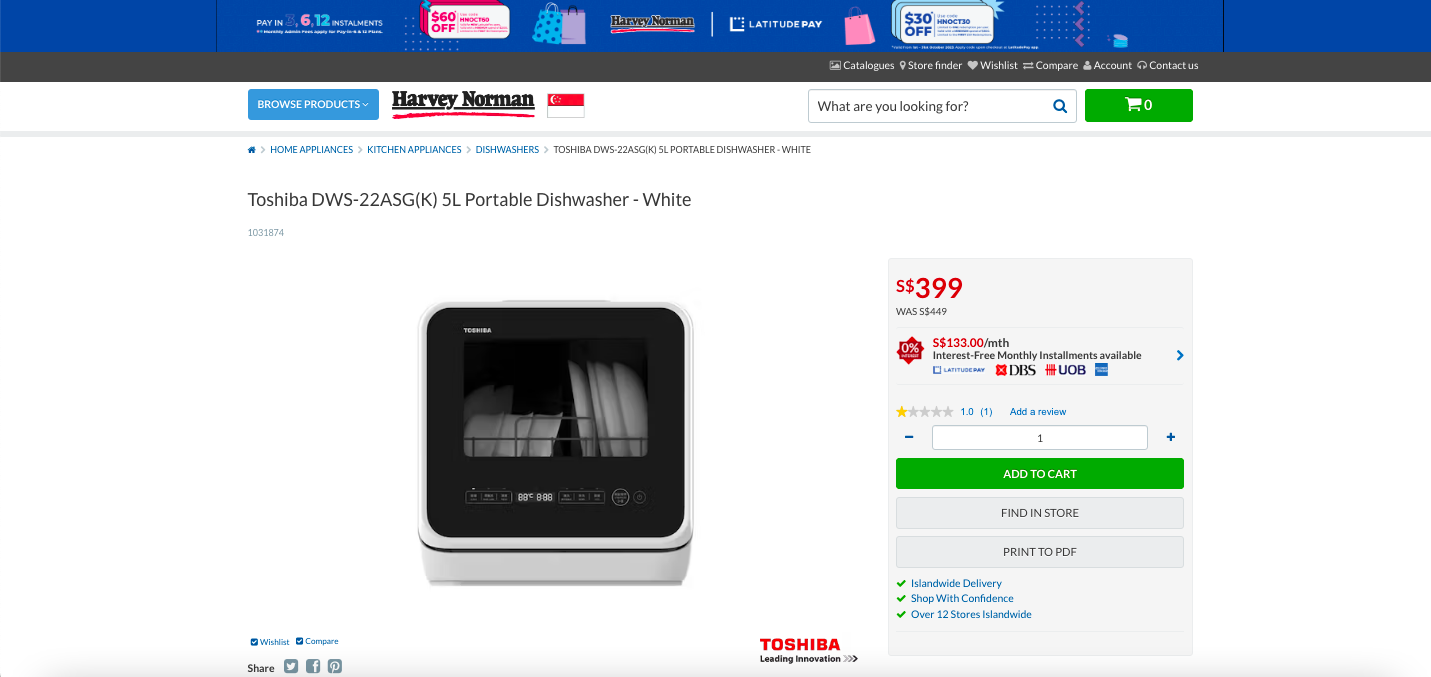
Toshiba DWS-22ASG(K) 5L Portable Dishwasher - White

Price: $399 (was $449)

This petite powerhouse packs a punch. Toshiba’s compact 5L dishwasher can fit comfortably on your kitchen counter and handle a full load of plates, cups, bowls, and utensils in just 29 minutes.

The see-through door lets you watch your dishes get squeaky clean while an interior light illuminates them during the cycle (if you need to, activate it). An easy-to-use control panel and screen guide you through each wash so you get spotless results every time.

When you need a quick clean for a handful of dishes after mealtime, this little workhorse accommodates up to 22 pieces of tableware at once. Plus, complimentary install options mean you will be enjoying hands-free cleaning in no time.

Midea White Compact Mini Dishwasher
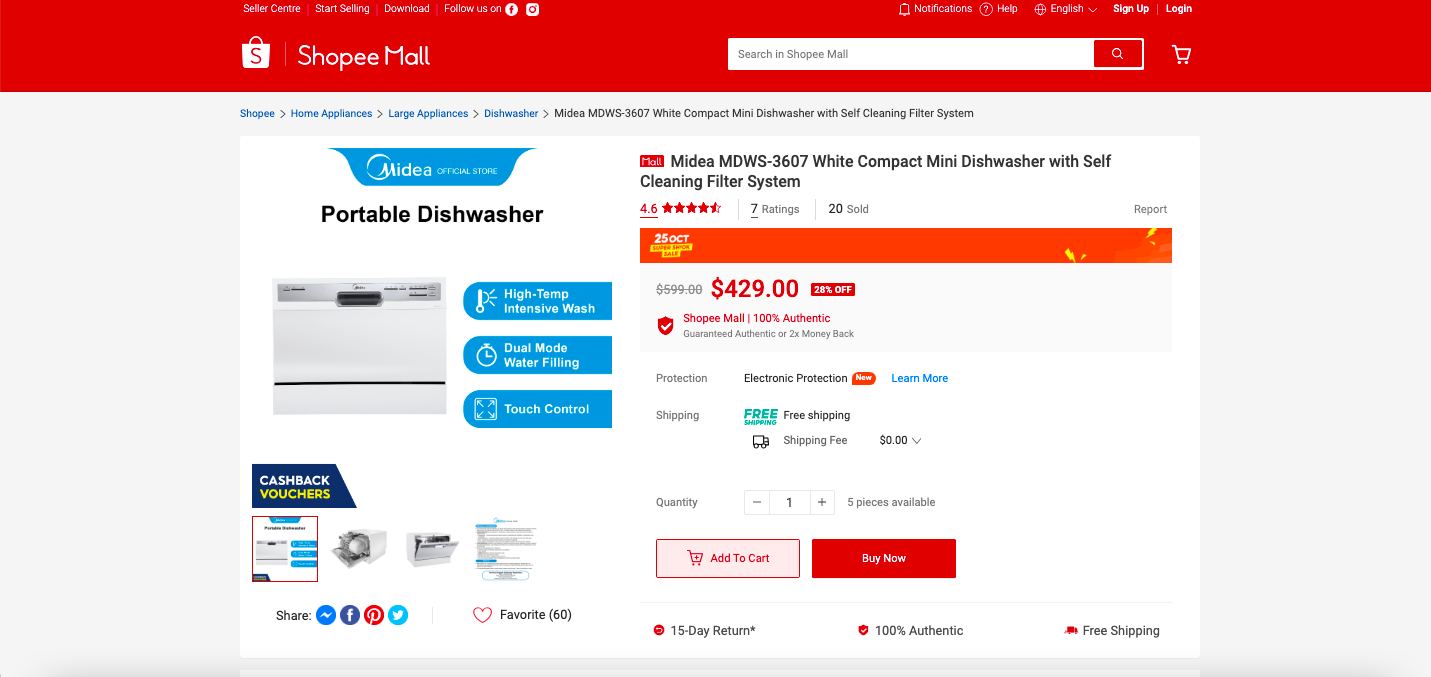
Midea MDWS-3607 White Compact Mini Dishwasher with Self Cleaning Filter System

Price: $429 (was $599)

Great for small spaces, this Midea dishwasher can easily fit on and under counters and into tight corners without sacrificing function.

Simple one-touch controls and clear program indicators make this machine easy to install and use. With a high-temperature intensive wash cycle and 30-minute quick wash setting, it can thoroughly clean up to 76 pieces of tableware when loaded properly.

The result? Sparkling dishes with minimal effort so you can take the time to do what matters more.

Electrolux Compact Dishwasher
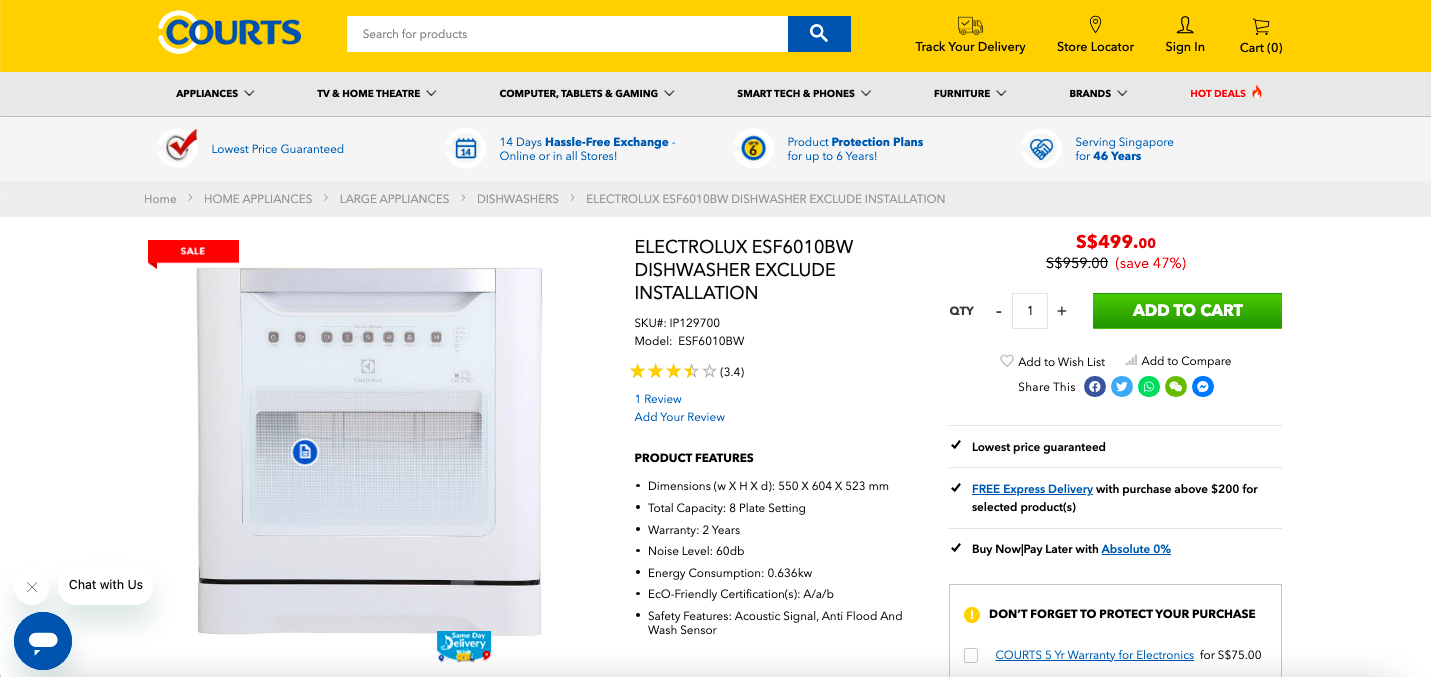
ELECTROLUX ESF6010BW DISHWASHER EXCLUDE INSTALLATION

Price: $499 (was $959)

Ideal for kitchenettes and small households, this invention from Electrolux offers versatile cycles to handle everything from lightly soiled dishes to heavily greased pots and pans.

Simply select the preprogrammed cycle that best suits your needs and let this hardworking helper go to work. It can supply either hot or cold water depending on your preference. The child lock setting helps keep little curious hands away from any detergent or hot water.

Though compact, Electrolux didn’t cut any corners on quality—but you still get a 2-year limited warranty for added peace of mind. So if you want the convenience of a dishwasher without sacrificing precious counter and cabinet space, this sleek and efficient machine is the one for you.

Elba Tabletop Dishwasher

ELBA EBDW 0680M WH TABLETOP DISHWASHER (EBDW0680MWH)

Price: $499 (was $699)

Last but not least, we have this tabletop dishwasher from Elba. With LED touch controls and 8 programmed settings including a fruit wash cycle, you will be able to wash everything from wine glasses to baking pans and more.

The child lock keeps your kids safe while you run an express, extra drying, or extra cleaning cycle. The A+ energy efficiency rating means lower utility bills, while the free basic installation makes getting started simple.

Or if you prefer to DIY, simply connect the inlet and outlet hoses to the water supply and drain, then fill with your dirty dishes and let this compact machine do its thing.

These convenient appliances are designed to make your life easier and eliminate the tedious task of hand-washing dishes. With their compact size, they fit seamlessly into any kitchen space, making them apt for smaller homes or apartments. Experience the convenience and efficiency of these affordable dishwashers under $500 and reclaim your time so you can finally catch up on that newly released K-drama episode after work.


Read More...

How to Save Money with Your Partner

After an amazing 12 years together, my husband and I finally tied the knot last year. Before embarking on this new chapter in our lives, we made sure we were financially prepared. Are you financially prepared?

When couples get married or move in together, they naturally take on shared responsibility for each other and their finances. Nonetheless, money-related misunderstandings can arise, which is why it’s essential to address them.

To help iron out these common money problems, let’s explore some practical financial tips for couples. Remember, there’s no one-size-fits-all rule, so these tips are here to guide you and your partner in achieving your financial goals together.

BE OPEN

Right from the start of your relationship, it’s essential to be open and honest about where you both stand financially. If one of you is dealing with debt or has specific financial goals, discuss it openly. Take time to understand each other’s money habits, like spending tendencies and risk tolerance. You don’t have to have identical attitudes towards money, but finding a middle ground through compromise can be beneficial. Addressing these issues early on will prevent misunderstandings and arguments down the road.

CATEGORIZE YOUR EXPENSES

Not all expenses need to be shared. While bills, groceries, and travel costs are typically shared, individual expenses like personal shopping or sending money to family back home remain separate. By clearly identifying your expenses, you can streamline money management and reduce complexity.

PRIORITIZE AND SOLVE ISSUES

Discuss what financial goals are achievable for both of you in the long term and identify problems that can be resolved immediately. For example, if different earning capacities are a concern, consider starting a small business together or exploring additional income streams. Whenever possible, prioritize reducing debt, as this will save you money on interest in the long run.

MAKE A BUDGET PLAN

A budget plan can be a lifesaver when it comes to managing your expenses. Decide on a reasonable amount to spend on everyday items, take-outs, entertainment, and personal expenses. Also, include bills, debt payments, irregular expenses, and contributions to your emergency fund in the budget plan. This step is especially valuable for young couples looking to stay on top of their expenses.

TAKE ACTION

After discussing, analyzing, and crunching the numbers, it’s time to create an action plan. Determine who will handle the primary bookkeeping responsibilities to ensure that all bills are paid on time and accounts stay in good standing. However, it’s essential to keep the non-bookkeeping partner informed about your financial progress.

Once you have identified and addressed your pain points and financial objectives, develop a comprehensive action plan with a clear timeline. This plan may involve the following steps:

1. Establishing a joint savings account.
2. Exploring opportunities for additional sources of income.
3. Gradually settling smaller debts.
4. Conducting thorough research on investment options.
5. Making a structured plan for significant purchases.

Image Credits: unsplash.com

Lastly, don’t forget to reward yourselves along the way! Even after being married, my husband and I still make time for regular dates and save up for enjoyable activities like travel and relaxing spa treatments.

Remember, open communication, understanding, and teamwork are the keys to successfully managing your finances as a couple. By following these financial tips, you and your partner can build a strong financial foundation together and enjoy a prosperous future.

Sources: 1 & 2

Read More...

Practical ways to stop a spouse from spending impulsively while out shopping together

digital payment

You and your wife/husband are going shopping again and you know what that means.

Another dent in the wallet and more clutter in the house. You’ve tried talking to them so many times already but the impulse buys just keep coming.

How?

Well, keep reading.

Make a shopping list and stick to it

First thing first, before going out, sit down together and write a list of only the things y’all really need.

Don’t put extras or ‘maybe can buy’ stuff. Focus only on necessities. Then when shopping, buy only what’s on the list and don’t deviate. No matter how tempting the sales or newly released items are, don’t sway.

If your spouse sees something extra they want, tell them “next time.” For now, just focus on needs. Next, check off items from the list as you buy. This gives a sense of progress to not make impulse buys.

Using a targeted list works. It provides focus and direction, limiting distractions. And by reviewing the list and receipt, you’re keeping each other accountable. If can master this, you sure can tame the spendthrift beau/beast and save more money.

Cash over credit

Another tip is to use cold hard cash instead of a card. Physical money means you and your spouse can see how much is left in their wallet. This makes your spouse think twice before buying.

Using cash is a good way to control impulse buys. Your spouse can see how much they spending, so he/she is more likely will buy only what they need. And when the money runs out, no choice but to stop shopping and balik kampung.

Time-out before check-out

Still, we know it’s easy to get caught up in the moment and still make impulse buys. So here’s another way to avoid overspending: take a quick “time-out” before heading to the checkout counter.

Maybe grab a cuppa? Suggest taking a tea/coffee or snack break before proceeding to pay. This pause gives you both a chance to reconsider your cart and think twice about any non-essential purchases.

Yakun kopi

Image Credits: nowboarding.changiairport.com

Ask your spouse:

  • “Do you need that? Let’s stick to what’s on the list.”
  • “We have a budget to keep. Why not wait till next month to get that, in case you change your mind?”

Often, the urge to buy something fades after a short break.

Leaving the store environment also helps provide perspective. The music, lighting, and product displays are all designed to encourage spending. Stepping away helps combat these effects so you can make better decisions.

If after your break, your spouse still feels strongly about a particular item, consider setting a 24-hour waiting period before buying. This extra time allows the initial excitement to fade so you and your partner can determine if it’s a well-thought-out purchase or just an impulse buy.

Pausing and reevaluating before paying is an easy way to curb overspending while shopping together. Staying within budget and making joint decisions will help ensure you both leave the store feeling good about your purchases.

Reward mindful spending

Last but not least, reward your spouse when they make mindful spending choices! Every time your spouse passes up a huge impulse buy, reemphasize how much both of you have saved. Give them praise and maybe a small treat.

For example, you can say:

  • “Well done, dear! I’m proud of you for not buying that new gadget even though you really wanted it. Milk tea? My treat!”
  • “Thank you for being so disciplined today. I appreciate you helping us save money. Want to go for a massage session this weekend?”

Over time, this positive reinforcement will strengthen their ability to curb impulse spending. Your spouse will start to associate mindful shopping choices with rewards and praise from you, giving them motivation to keep spending wisely.

So the next time you go shopping with your other half, try out some of these practical tips. They may complain a bit at first, but deep down they will appreciate you helping them save some dough. At the end of the day, successful relationships are built on understanding and supporting each other’s weaknesses. Help your spouse shop smarter, and the financial gods will help secure your future.

Read More...

S$1 to RM3.50: Singapore dollar hits all-time high against the Malaysian ringgit

The Singaporean dollar has reached a record heights against the Malaysian ringgit.

As of 10.25pm on October, 23rd, the Singapore dollar stands at S$1 to RM3.50 — the highest since July this year.

The Malaysia’s currency has been weighed down by a slump in exports partly due to a slowdown in China, rising yields in the United States and risk driven by the Israel-Hamas conflict.

The Singapore dollar is supported by the management of the trade-weighted SGD exchange rate by maintaining the prevailing rate of appreciation of the S$NEER policy band. This is seen as necessary to counteract the impact of rising import prices and to keep domestic cost pressures in check, ultimately ensuring price stability in the medium term.


Read More...

How to talk to your boss about a salary raise with your recent mediocre performance review

talking during an interview

Hey you, don’t be so down.

So your boss says you only “met expectations” for the last quarterly performance review? Does it mean you don’t deserve that pay raise you’ve been eyeing?

Of course not! Just because your boss doesn’t appreciate how much you’ve been sweating this whole year doesn’t mean you should give up. Listen, even if you know you didn’t exactly set the office on fire recently, that doesn’t mean you don’t deserve to get paid what you’re worth.

Review your performance review & prepare your case

Take a good look at your performance review again. Which parts are not so “power”? Double-check with your boss the areas you need to improve. Then plan how to up your game in the next few months. Maybe you can ask your mentor or senior colleagues to guide you.

After that, compile all the stuff you have done thus far that shows you deserve a promotion. Put together reports, emails, or data to build your case. Highlight your key contributions and the ways you added value to the team or company. Show how you took on more responsibilities (if any).

Timing & framing the discussion

a female boss talking to her employee

Image Credits: forbes.com

Timing plays a huge part.

Choose a good time to talk when things at the office are not so busy. Avoid the week before major deadlines or when the company is not doing so well. Your boss will be more receptive if you bring this up at the right time.

Then, go meet your boss and be honest that the review wasn’t what you expected. But say you want to improve and have concrete ideas on how to do better. Explain the steps you will take to get there.

At the same time, don’t forget to bring up all your achievements and contributions if you’ve been in the company for some time. Tell him/her you feel you deserve a raise because you have proven yourself in the past. If he/she hesitates, ask what else you need to do to get a promotion and negotiate from there.

A few negotiating angles for your consideration

  • I’ve taken on more responsibilities over time. I’m now mentoring two new team members and handling some big client accounts. My job scope has increased but my pay hasn’t.
  • I’ve been loyal to the company. I’ve stuck around even when other opportunities came up. I believe in the work we do here and want to continue progressing in my career with this company.
  • I’m committed to continuous improvement. I realize I have more to learn, but I’m eager to develop my skills and strengthen my performance. If given clear feedback, I will be highly motivated to exceed expectations going forward.
  • I understand that now may not be the right time for a pay increase, but I wanted to express my interest in advancing my career here. If a salary bump isn’t possible at the moment, would you consider other benefits like extra annual leave or flexible work arrangements? I’m open to discussing various options.
  • I appreciate you taking the time to consider my request. Can we meet again in three months to revisit this conversation? I aim to prove my value to the team during this time. Thank you for your support and mentorship thus far. I look forward to continuing our discussion!

So don’t be that dejected by your not-so-fantastic review this last quarter, my friend. Though your boss may not see your value now, you know the contributions you’ve made. Take a step back and look at your wins, big and small. Prep, build your case and schedule that meeting. Go in with confidence in what you’ve achieved, give some solid examples, and ask for that raise. Your boss may surprise you if you show how much you care about career growth. If you get a ‘not now’, don’t lose hope. Use that fire in your belly to push on and exceed next year. The only way is up, so keep your head up high.

Read More...