Dan Gable once said: “Gold medals aren’t really made of gold. They’re made of sweat, determination, and a hard-to-find alloy called guts.”
In his own definition, gold’s essence translated to the person’s special characteristics. However, majority of the world perceives gold as a value commodity.
“What makes gold so valuable?”, you may ask. For starters, it lasts for a long period of time, it can be easily manipulated, and its appearance is very appealing.
But aside from this, gold is a rare element because no mine has an unlimited supply of it. Once all the gold is sold and spent, the mining company’s stock will fall. Any efforts to get more gold will affect the company’s wealth.
Gold’s rarity makes it more valuable than other common elements such as aluminum or iron. Its prices are not set by a single organization, rather they are influenced by the cost of production and the amount people are willing to pay for it. For instance, when the demand of gold is relatively high at a given base price and the competition is higher than expected, it is just right to increase the base price in order to regulate the demand of gold. And if not so many people are interested in purchasing gold, its price will stay closer to its actual production cost. Whether you like it or not, we are currently observing the latter statement about gold.
Gold’s price has dropped by about 1.4% last Thursday (14th April) – that is US$1,228.70 (S$1676.32) per ounce. This is in conjunction with the rising Asian shares and the strengthening of US dollar. Moreover, regional currencies weakened against the greenback after the country’s central bank set the rate of appreciation of the Singapore dollar policy band at 0%.
According to Gold Rate 24, a website that partakes information about the gold’s prices around the world, an ounce of 24K gold is priced at S$1,672.04 (US$1,226.99) while a gram of 24K gold is priced at S$53.76 (US$39.45) as of today. A substantial drop has been seen within 30 days from S$1,702.81/oz to S$1,672.04/oz.
HSBC analyst James Steel was quoted saying:
“Gold is weakening on a recovery in investor risk appetite. The sharp (equities) rally and the leveling off of gold-ETF demand recently argue for some period of price consolidation.”
Steel’s claim of the lowering investor risk appetite towards gold is supported by the figures of the world’s largest gold-backed exchange-traded fund – SPDR Gold Trust. Assets of SPDR Gold Trust fell 5.05 tones to 806.82 tones last Thursday, its lowest in a month.
The demand drop of gold affects the prices of other valuable elements such as silver, platinum, and palladium.
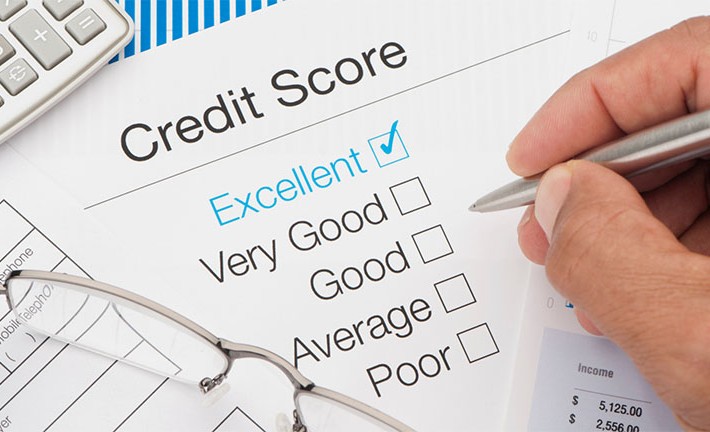
Are you searching for ways to improve your credit score for a better financial future?
You can see the light at the end of the tunnel when you first realise that so much of it depends on numbers. Your credit score is one of those important numbers. It is guaranteed to influence the cost of the big ticket items you have to prepare for such as taking out a mortgage, planning a wedding, qualifying for a car loan and building up for retirement. A good credit score is crucial for these financial successes.
Improving your credit score should be a priority. The higher your score, the better your chances of getting the credit you need. So do you know your credit score? And more importantly, do you know how to improve your credit score if it’s not measuring up?
Here are five tips to help you improve on your credit score.
Check your credit report and rectify any mistakes
Any incorrect information you find on your credit report could be affecting your credit score. Check your report thoroughly and get it fixed if you do see a mistake or factors that have pulled down your score. It is advisable to check at least once a year as the information in your credit report determines your credit score. Take steps to fix it and follow up to ensure it has been resolved. Otherwise, the error will remain on your report and could possibly hurt your credit score.
If you wish to dispute the completeness or accuracy of any item of information such as the account status, previous enquiries and overdue balances, do consult Credit Bureau Singapore (CBS) and CBS will post a notice in your credit file that the credit data is being disputed and is under investigation.
Pay your bills on time, all the time
A missed credit card bill payment will have the greatest and longest lasting impact. The more recent the missed payment occurred, the greater that impact will be, and the more missed payments you have, the longer it will take to recover. The prescription here is clear: Pay your bills on time, all the time.
How you charge purchases to your credit card and pay off your credit card debt every month will determine your credit standing and show how much of a credit risk you are. Paying your credit card balances in full every month helps you to maintain your credit rating and build up a good credit score. This will enable you to use credit to work harder for you, rather than becoming a slave to credit.
Where possible, always try to pay in full as rollover or outstanding balances will be charged at 24% p.a. Consider payment via GIRO to ensure payments are not late. The consistency of paying bills on time is critical to your credit score. It is simply month after month of plain-vanilla, on-time payments. This will greatly help improve your credit score if you are trying to offset the late credit card payments as these on-time payments will make positive behaviour in your favour moving forward.
Note: Default records stay on your credit report for 3 years upon full or negotiated settlement while bankruptcy data is retained for 5 years from the date of discharge from bankruptcy.
Avoid multiple new credit applications within a short period of time
There is no hard and fast rule that determines the number of new credit applications that will push you from looking like a responsible consumer to an unreliable one as every bank has a different set of requirements and criteria to satisfy.
Applying for new credit facilities within a short period of time can have an adverse effect on your credit score as it would put many enquiries against your credit report. Always approach credit use with moderation.
Note: Previous Enquiries are retained on your credit report 2 years from the date of enquiry.
Keep your credit active
One of the main purposes of having a good credit score is to ascertain that you are a responsible user of credit. It may seem contradictory, but it is not good enough to simply pay off your credit card bills and not utilise them again. There’s a solution, but one that should not be treated irresponsibly. Use your cards from time to time, manage within your credit limits and generate a sustained history of on-time repayments. Keep your credit active. In today’s world of credit repair, part of proving you’re a good credit consumer is actually using your credit.
Commit to keeping it simple
The bottom line when it comes to credit is this: When you do pay your bills on time, all the time, keep your balances low, avoid multiple new credit applications within a short period of time and keep your credit active, your credit score will work out fine. Many of us tend to overthink credit, but it is that simple. It is all about prioritising what’s important to you.
The absolute best thing you can do for your credit is to commit to doing the following in the long term:
Check your credit report annually
Pay your bills on time, all the time.
Avoid multiple new credit applications within a short period of time
Keep your credit active
Not everyone may have a sterling credit record but the good news is, it is entirely within your power and control to rebuild your credit health. You also have to be consistent. The above factors all matter, and credit is not something that grows by leaps and bounds, but if you treat it right, it will not fail you but push your score in the right direction.
Get your salary credited into your bank account to dismiss the lure of spending your it right away. Update your bank account details with your employer and follow the terms and conditions of your bank so that your income gets credited correctly. In Singapore, these two savings account will give you the best interest rates per month: OCBC 360 Account and DBS Multiplier Account.
2. CONVERT YOUR CASH
According to the Economist Intelligence Unit, the US dollar has been stronger while the Euro weakens. If the above hack does not work, try converting some of your money to US dollars. This way, it is more inconvenient to spend. The thought of having to go for and pay for the currency exchange will likely to dissuade you from spending!
3. LEARN TO COOK
If you want to save money on food, it is best to learn how to cook. Start cooking simple meals with ingredients that are easy to obtain such as Omelet, Scrambled Eggs, Fried Rice, and Chicken Rice. Consider going to the wet market as items are sold for a cheaper price there. Remember that aside from rent, your food expenses make the largest impact on your budget.
4. READ BOOKS FOR FREE
To satisfy your bookworm urges, visit the nearest public library and rent a series of books – for free! While you are there, you can catch the free financial talk entitled “MoneySense@The LLiBrary: Understanding Loans & Credit” on April 14, 2016. Go to nlb.gov.sg or more details.
5. GET THE CHEAPEST GYM MEMBERSHIPS
It is no secret that Singapore’s fitness centers are expensive. And let us face it, most of you will not even use your membership perks to its fullest! Thus, it is best to go for the most affordable gym memberships such as the ones on this list. Alternatively, you can make use of your school’s facilities as most universities are fully equipped with gyms and other facilities.
6. EXERCISE FOR FREE
Aside from sweating at the gym, get fit by exercising outdoors. Satisfy your weekly dose of exercise by running in the nearby pavements, park or park connectors. You can also cycle around if that is your cup of tea.
7. GO FOR THE LAST YEAR’S MODEL
To save money on your next smartphone, consider purchasing the last year’s high-end phones such as the Samsung Galaxy S6 (the Samsung Galaxy S7 has been released last month). To save even more, you can review the well-designed phones offered by “less popular” brands such as Xiaomi.
8. DON’T FALL FOR THESE TRAPS
Aside from the diversity of eateries, Singapore is known for the diversity of shopping centers. Naturally, tourists fall prey for the huge “SALE” sign on the window of most shops. However, if you lived here long enough, you will realize that sales happen all year round. As long as there is a public holiday coming up, sale signs will be up too! So only buy an item if you really need it!
Three months ago, social workers observed that there were more senior citizens who had been cheated or financially abused by their own children. There were some cases where the children would manage their parents’ money and end up taking their savings for themselves. While others trick their parents into selling their homes and leave them homeless. This is the sad truth that we have to swallow!
However, if you belong to the fraction of people who love their parents and want to take care of them from the goodness of your heart, consider these 5 Ways To Manage Your Elderly Parents’ Money:
1. DISCUSS ABOUT THEIR NEEDS AND GOALS
You have one task – to organize your elderly parents’ financial life. Know what issues or topics to discuss that will aid this task. Due to the declines in someone’s body as they age, topping the list is healthcare. You must introduce the advantages of life insurance, medical insurance, or long-term care coverage policies. Also, talk about estate and other assets. Having a last will and testament ready is a crucial thing. Then, talk about what they want to accomplish with their money.
Emphasize on the benefits of the talk and speak with love. Delaying the talk will only be more expensive because as health declines, premium prices increase.
2. DO YOUR RESEARCH
After seeing eye to eye on the important topics, you must prepare the documents needed. These documents are the bank statements, credit card bills, tax records, investment accounts, insurance policies, and so on. Review their current financial situation with these documents. Then put these in one safe place such as a relatively small safe deposit box at home. Grant access only to the people who are really trusted (e.g., the lawyer or immediate family members).
3. IMPLEMENT A MONTHLY PROCESS
Each month you must ensure that their bills are paid, their income are accessible, and their living comfortably.
To pay recurring bills automatically, some banks enable automatic transfer of payments. Use this system to pay for credit card bills, loans, and rent. To make their income from investments accessible, help them set up direct deposits. Lastly, to help them live comfortably, you must review their financial activities each month.
4. PROTECT THEM FROM SCAMS
From fake contractors to reverse mortgage scams, con artists of today had come up with more sophisticated ways to fool elderly people to get money or to sign away equity on their homes. Aside from this, handphone scams are on the rise. Common handphone scams occur when an unknown number contacts you and tells you to collect your prize or to pay for your kidnapped relative.
This is why it is vital to keep your parents updated with the newest scams. Visit Scams Singapore – a blog dedicated to identify and relay information about the existing frauds.
5. GIVE THEM ALLOWANCE
Protected by the law, senior citizens who are unable to sustain their lifestyle can apply to the court in order for their children to provide a monthly allowance. With the Maintenance of Parents Act, you have a responsibility to support your elderly parents. Instead of providing them with a certain percentage of your pay, it is good that you discussed their spending needs and goals first.
When it comes to money management, starting early is always a good idea!
1. KNOW THE TRUE VALUE OF MONEY
When I was a teen, my sister and I spared a portion of our allowance in order to by the latest CD released by our favorite boy band. Instead of asking our parents for money, we worked patiently for it. That way, we understand the true value of money.
Aside from being a student, if you have a part-time job, you can see the value of money in terms of the work you have to do in order to earn it. For example, if you view a designer wallet as 25 hours of work at a S$6/hour job rather than as S$150 alone, it gives you a unique perspective on spending. This shall help you make more accurate decisions.
2. FOLLOW THE STOCK MARKET
To get a good grasp about investing, it is recommended to follow the companies that have growth potential and renowned products. For example, track the stocks of the world’s no.1 brand for half a century – Coca-Cola (NYSE:KO) or the stocks of your favorite bakery – Breadtalk (SGX: 5DA). Using these shares for financial education can help make learning fun!
3. SPEND SMARTLY
As a teen, you can save more money by employing simple spending strategies such as comparative shopping and buying sale items. If you are an artist who want to purchase assorted colored paints, compare the prices of online and physical shops to get the best deal. And if you want to save even more, go to the clearance or sales section to avoid paying the full price.
Image Credits: pixabay.com (CC0 Public Domain)
4. REWARD YOURSELF
To make savings as vital as expenses, you must set aside a certain amount that you are planning to save first. This way, you can keep track of your money without accidentally spending it. Even as a teen, it is advisable to open your own savings account (e.g., Junior Savings Account).
5. DO AVOID DEBT
In Singapore, students are eligible to use their parents’ CPF account in order to pay their school fees. To pay it off, you might start your adult working life with debt. Such type of debt is unavoidable but credit card debt is. So avoid debt as much as possible.