Korea’s Underground Shopping Malls That Locals Love


For many Singaporean travelers, Korea’s headline shopping districts are enough to fill a suitcase. Yet some of the country’s most fascinating retail experiences are not above ground. They sit quietly beneath the city, where small businesses thrive, and treasures hide behind modest storefronts. These underground malls are more than shopping conveniences. They are economic ecosystems shaped by foot traffic and the purchasing power of a generation that prioritizes value and discovery.

Image Credits: unsplash.com

Beneath the busy arteries of Myeongdong lies an underground complex that feels almost like a parallel world. Here, beauty products, streetwear, accessories, and home goods come together in a maze of bright stalls. The pricing is competitive, the inventory changes quickly, and the atmosphere feels both youthful and relentless. We even managed to buy a brand-new watch for under S$9 and some K-Pop Super Junior stickers for S$2 each.

Further along the city’s retail undercurrents sits Hoehyeon Underground Shopping Center, a favorite among collectors and long time hobbyists. Tucked between Namdaemun Market and Myeongdong, this labyrinth reveals a quieter world of antiques, stamps, vinyl records, currency notes, and artworks. For Singaporean buyers interested in vintage markets and alternative assets, the center offers a window into Korea’s thriving collector culture.

Across the river, GOTO Mall stretches beneath the express bus terminal like a city of its own. Rows of boutiques sell everything from apparel to beauty products to tech accessories. Some stalls specialize in bedding and homeware, drawing homeowners who appreciate well made goods at competitive prices. Others cater to students and young professionals building their wardrobes on a budget. In between, tarot readers add a touch of mystique to the steady flow of commerce. It is a place where practicality and impulse buying exist side by side.

To complete the underground journey, Dongdaemun’s subterranean shopping center offers a vivid mix of fashion wholesale culture and late night gastronomy. Built under the landmark Dongdaemun Design Plaza, the complex carries clothing, accessories, home items, and cosmetics at prices that reward bulk buying. It functions as a hidden extension of the city’s fashion engine, where trends are born, copied, reinvented, and sold before sunrise. As the evening deepens, the surroundings come alive with night snacks that keep both tourists and traders fueled. Don’t forget to haggle for better prices!

Across all these destinations, one rule remains constant. Cash is king! Most vendors accept only Korean won and many operate with thin margins that favor quick transactions. Visitors should come prepared with comfortable shoes as these centers sprawl across long corridors and can become crowded during peak hours. A weekday visit outside of the lunch rush offers the best chance of moving at your own pace.

Image Credits: unsplash.com

Underground shopping in Korea is more than an inexpensive alternative to its glossy malls. For the budget-conscious traveler, these spaces blend affordability and discovery into the beating heart of the Korean consumer economy.

Sources: 1 & 2


Read More...

Taiwan Shopping Guide You’ll Actually Use

Taipei has a way of turning even casual visitors into devoted shoppers. My husband and I went for the food, but we quickly discovered how enjoyable it is to shop in the city, especially with the kindness of the people you meet at every turn. At the time of writing, one New Taiwan Dollar is roughly equivalent to 0.042 Singapore Dollar, which makes Taipei’s wide range of shopping choices friendly to all budgets. The city is more than a retail destination. It is a lively blend of culture, warmth, and irresistible finds.

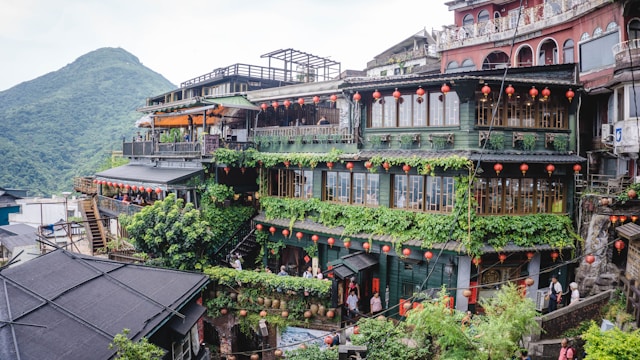
One of the most charming ways to experience Taiwan is through its souvenirs and snacks. Pineapple cakes remain the country’s most iconic gift, and visiting specialty bakeries such as Chia Te Bakery or Taipei LeeChi feels like walking into a gallery of beautifully crafted pastries. Their pineapple and winter melon varieties are packaged elegantly, making them perfect to bring home. Tea lovers can enjoy the refined selections at Jing Sheng Yu on Yongkang Street, while Jiufen Old Street offers tea experiences in a setting that feels lifted from the world of Spirited Away. Its lantern-lined alleys and traditional structures create an atmosphere that is both nostalgic and cinematic.

Image Credits: unsplash.com

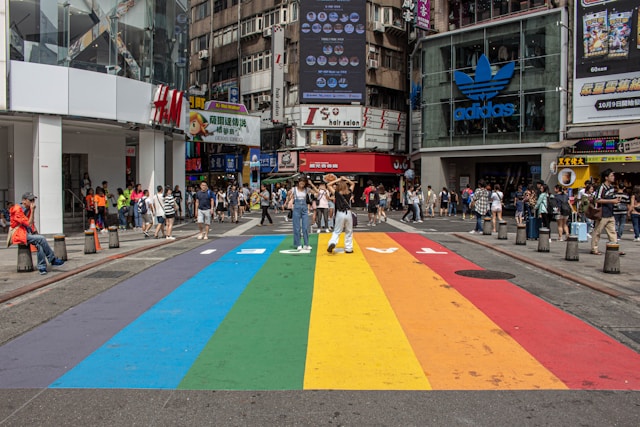
For anyone who loves characters and collectibles, Taipei feels like one big playground. Donguri Republic at Shin Kong Mitsukoshi in Xinyi brings Studio Ghibli favorites to life with shelves filled with Totoro and other well loved figures. Pokémon Center Taipei adds another layer of excitement with plush toys, trading cards, and exclusive items. The city is also famous for gashapon machines. Ximending alone features more than 500 of them, offering everything from anime figurines to cute and calming collectibles. Shilin Night Market has its own growing collection, while the malls in Xinyi scatter machines across several floors, turning an ordinary shopping trip into a series of small surprises.

Blind box collectors often gravitate toward Ximending, although some resellers charge two or three times the original price. Pop Mart Ximen is a better choice if you want to go straight to the source. The four storey space includes exhibition areas, a VIP lounge, and larger than life displays of Molly and other popular characters. Crowds tend to build during weekends, yet the experience is worth every moment. Nearby, the Wan Nian Building offers an entire structure dedicated to anime lovers. We found shops selling everything from Voltes V and Dragon Ball to Sakamoto Days and Spy x Family. The Taipei Animate Store is also in the area, with its own entrance tucked below street level and a nearby café that adds to the fun.

Image Credits: unsplash.com

Taipei’s markets reveal a different side of the city. Nanmen Market near the Chiang Kai Shek Memorial Hall focuses on traditional ingredients such as dried goods and fresh local produce. The Taipei Expo Farmer’s Market at Yuanshan MRT brightens weekends with honey, tea, fruits, vegetables, and small batch artisanal items. Red House Craft Market in Ximending highlights the creativity of local artists. The prices can be higher compared to other markets, but the atmosphere is enjoyable and supports independent makers.

Beauty and fashion are part of the city’s everyday charm. Pharmacy chains like Watsons and Cosmed carry cosmetics and skincare that suit a wide range of preferences, and Watsons often offers attractive discounts. For affordable fashion, Wufenpu near Raohe Night Market is a reliable stop. Its narrow lanes are filled with shops carrying clothes, sunglasses, accessories, and children’s items. Trendy and mid range boutiques are scattered throughout Ximending, Yongkang, Shida, and Gongguan, while NET provides a local version of GAP style basics. For a premium experience, Taipei 101 offers luxury brands and an observatory that makes the visit feel even more memorable.

Image Credits: unsplash.com

Shopping in Taipei never feels like a simple transaction. It feels like an invitation to explore the city’s creativity, history, and personality through the things you bring home. Whether it is tea from Jiufen, a blind box from Ximending, or a handmade craft from Red House, every purchase becomes part of your travel story.

Sources: 1 & 2


Read More...

The Ultimate Advantage of Choosing a School in Singapore Offering a Cambridge and IB Curriculum

The search for a balanced and future-ready educational structure continues to influence families seeking meaningful academic direction in Singapore. Many appreciate learning environments that maintain rigorous standards while nurturing broad intellectual curiosity. Such settings encourage steady intellectual growth by exposing learners to structured challenges that strengthen confidence and curiosity.

Private high school in singapore offer structured pathways that support diverse learning needs while encouraging students to develop strong academic direction. These environments create steady momentum by guiding learners through academic choices that align naturally with their evolving abilities. Here, we will explore key advantages that demonstrate the meaningful impact of choosing a school with blended academic pathways.

Broad Academic Possibilities Through Dual Curriculum Choices

Institutions in Singapore offering two recognised programs allow students to compare structured examination systems with inquiry-driven models, creating richer decision points across distinct learning styles. Each framework fosters confidence through consistent academic expectations shaped by international benchmarks that encourage strong reasoning habits. Families value variety because it helps individuals select methods that bring clarity to complex subjects.

Many learners appreciate environments where academic goals align with personal pace, encouraging deeper engagement across multiple fields. Every curriculum builds transferable habits that guide future decisions in higher education and beyond. Students benefit from coordinated progression maps that highlight achievable milestones throughout their schooling journey.

How Dual Systems Strengthen Learning Depth

Two established frameworks increase opportunities for extended subject exploration supported by contrasting evaluation structures that enhance intellectual stamina. Exposure to research-focused assignments encourages the development of thoughtful inquiry within changing academic expectations. Learners strengthen focus by navigating different assessment formats and building resilience through structured preparation.

Schools in Singapore with paired pathways encourage reflective habits, helping individuals track their academic strengths with greater awareness. Students receive guidance that helps them compare work habits across diverse subjects and examination styles. Balanced academic diversity supports improved adaptability in complex situations.

Global Mobility Supported by Recognised Qualifications

Dual-pathway schools in Singapore offer credentials widely accepted across many regions, supporting smooth transitions into international universities. Standardised processes across curricula increase clarity around admissions, giving students reliable expectations. Recognition also helps families plan future relocations, ensuring consistency in academic progression.

The strong reputation of each framework ensures graduates face fewer barriers when applying abroad. Coordinators guide learners toward appropriate subject combinations suited to long-term ambitions. Exposure to global standards builds intercultural awareness that supports real-world readiness.

Enhanced Critical Thinking Through Diverse Instructional Methods

Critical thought improves when students encounter different types of challenges across subjects with distinct instructional approaches. Inquiry-driven tasks merge effectively with structured content-focused lessons, supporting balanced intellectual growth. Research-heavy assignments encourage learners to assess sources with care and precision.

Classrooms benefit from robust dialogue shaped by strong questioning habits nurtured by each curriculum in Singapore. These habits improve clarity in problem-solving situations that demand logical sequencing. Exposure to varied perspectives nurtures stronger reasoning across interdisciplinary subjects. Students gain stronger academic versatility by recognising connections across multiple fields.

Refined Subject Mastery Through Applied Learning

Learners build confidence through in-depth coursework supplemented by practical tasks aligned with international expectations. Comprehensive subject requirements promote steady skill development guided by clear objectives. Many schools encourage extended projects that require careful planning, analysis, and presentation. Students learn to combine research, creativity, and structured evaluation in meaningful ways.

This promotes refined understanding across scientific, mathematical, and humanities-based subjects. Learners apply conceptual knowledge through collaborative discussions that sharpen communication. Broader perspectives emerge as students evaluate diverse viewpoints through structured academic dialogue. Such experience strengthens long-term academic capability.

Holistic Growth Through Balanced Academic Environments

A dual-pathway structure encourages personal responsibility supported by strong academic guidance. Schools integrate reflective practices that help students monitor academic goals with clarity. Social development strengthens through teamwork supported by varied collaborative activities.

Emotional resilience grows as learners explore demanding assignments across complementary systems. Communication improves through frequent discussions that reinforce thoughtful expression. Schools encourage personal confidence through consistent encouragement across academic stages. A reputed Singapore international high school fosters an environment grounded in global-minded values and consistent academic development.

Adaptive Preparation for Tertiary Education

Students gain early insight into the expectations of universities through tasks that mirror higher-level academic practices. Coordinators explain admission trends and guide learners toward effective preparation strategies. Coursework encourages independent planning supported by clear criteria across frameworks.

Learners gain practical habits that help them manage deadlines with greater discipline. Schools provide resources explaining global admission standards. Students acquire extensive research habits that prepare them for demanding tertiary courses. Access to varied subjects creates a smooth bridge to specialised degrees. Graduates enter universities with confidence shaped by precise academic preparation.

A private high school in Singapore offering Cambridge and IB pathways supports students in forming clear academic goals and cultivating adaptable strengths that prepare them for future opportunities. They add further value by providing internationally recognised routes that support long-term growth without limiting individuality. This balanced approach reinforces strong academic direction and nurtures confidence for the next stage of a learner’s journey.


Read More...

Experience Tsukiji Market Vibes — Live 80kg Bluefin Tuna Cutting & Up to 50% Off Omakase Deals at FairPrice Xtra Parkway Parade from 22 – 23 Nov 25

Ever seen footage of Tokyo’s famous Tsukiji Market? The energy. The buzz. The master craftspeople at work. The auction-style excitement. The premium seafood everywhere. That electric atmosphere you only get at Japan’s most iconic fish market?

FairPrice Xtra Parkway Parade is capturing that exact vibe this weekend.

The Live Tuna Cutting & Seafood Festival is back and bigger than ever, turning your local supermarket into a high-energy, immersive experience inspired by Japan’s most iconic fish market. It’s Xtra Fresh, Xtra Fun, and Xtra Festive.

What You’re Walking Into

An 80kg premium Bluefin tuna being carved live using traditional Japanese cutting techniques. Watch the master at work, then taste the fresh tuna sampling on the spot.

Over 20 sashimi-grade seafood varieties on display—Otoro, Chutoro, Akami, Negitoro, scallops, lobsters, sea urchin, and more. Premium sake pairings and tasting sessions curated to bring out the best in each cut. Auction-style excitement as you bid on rare, freshly delivered cuts.

And here’s the kicker: exclusive omakase flash deals up to 50% off. Limited-time specials on premium sashimi-grade salmon, swordfish (mekajiki), scallop, and tako (octopus). The kind of pricing you’d expect at a high-end Japanese restaurant, now at your supermarket.

Image via Pang Kokyong, Facebook

Watch, taste, and take home the freshest catch. Perfect for your festive feasts or creating your own Japanese seafood platter.

When & Where

FairPrice Xtra Parkway Parade
Saturday, 22 Nov at 10 a.m. – Bluefin Tuna Live Cutting
Sunday, 23 Nov at 10 a.m. – King Salmon Live Cutting

Feel the energy of Tsukiji Market—right here in Singapore. This weekend only at Parkway Parade. Don’t miss it!

Read More...

S$1 to 120.34 yen: Singapore Dollar Hits Record High Against the Yen

Good news for Singaporeans dreaming of cherry blossoms, ramen, and onsen hot springs—your holiday to Japan is about to be more affordable than it’s been in years.

The Singapore dollar has hit a six-month high against the Japanese yen, climbing to 120.34. In plain English? Your SGD is buying more yen than ever before. That means cheaper accommodation, meals, shopping sprees in Shibuya, and more money left over for souvenirs.

As of 3:03pm on 20 November 2025, the Singapore dollar was trading at around S$1 = ¥120.628 before easing slightly afterwards.

Why Is This Happening?

Japan continues to maintain one of the lowest interest-rate settings among major economies.

While many countries have been raising interest rates to fight inflation, Japan is staying put (at least for now). The Bank of Japan is keeping rates super low, which means if you convert your Singapore dollars into yen, you’re getting more bang for your buck. A simply way to think of it this way: investors worldwide prefer putting their money where interest rates are higher (meaning better returns), so they’re shunning the yen. That drives its value down.

Meanwhile, Singapore has maintained stronger and more stable monetary policy, making the Singapore dollar look more attractive globally. Result? Our dollar wins.

Japan’s new leadership isn’t in a hurry to raise rates

Japan’s Prime Minister Sanae Takaichi has signalled that the central bank should take it slow on rate hikes. Her priority is boosting economic growth and raising salaries first. This means interest rates will likely stay low for a while longer, keeping the yen weak and your travel budget happy.

What Does This Mean for Your Wallet?

Image via jrkester, Flickr

Let’s put numbers to it. Over the past six months, the SGD has appreciated by 6.20% against the yen. That might not sound like much, but on a typical two-week Japan trip, it adds up.

Say you’re budgeting 500,000 yen for your trip. Six months ago, you might have needed around SGD 4,600. Today? You’re looking at closer to SGD 4,150. That’s roughly SGD 450 in your pocket—enough for several nice meals or a shopping haul in Harajuku.

For longer stays or bigger spenders, the savings are even more significant.

When Should You Book?

The yen has been weakening steadily, so if you’re thinking about a Japan trip, now is genuinely a good time. Currency markets are unpredictable, but the structural reasons for yen weakness—low interest rates and weak economic growth—aren’t going away anytime soon.

Of course, nothing’s guaranteed in currency markets. But the stars are aligned for Singaporean travellers right now.

Bottom Line

Whether you’re planning a spring break to Tokyo, a skiing trip to Hokkaido, or a food tour through Osaka, the timing is working in your favour. The Singapore dollar is strong, the yen is weak, and your Japan adventure just became significantly more affordable.

Time to start planning that itinerary.

Read More...