How to teach your kids about money when you’re not great with it yourself

teaching kids about money

Let’s face it: when it comes to our finances, sometimes we’re not the best role models for our kids.

But that doesn’t mean they can’t learn about money from us. It just means we need to be a little more creative in teaching them.

Allow us to outline a few ways you can teach your kids about money, even if you’re not great with it yourself.

Talk about money openly

Speak with your kids about what you’re doing to get your finances in order, and ask them for their opinions. And while you’re working on your finances, be sure to model accountable behavior.

Show them the importance of working hard and understanding the value of a dollar. Kids are smart, and they will learn a lot just by watching you. So make sure to set a good benchmark, and they will be on the right track in no time.

Model saving and spending

If your kids see you routinely raiding your savings account, they’re going to get the impression that it’s okay to spend money carelessly. And that’s not the message you want to send.

On the other hand, if they see you carefully budgeting your money and setting aside a portion for savings, they’re going to learn that it’s crucial to be liable for their finances. So be a standard for your kids and show them how to handle money responsibly.

Help them set financial goals
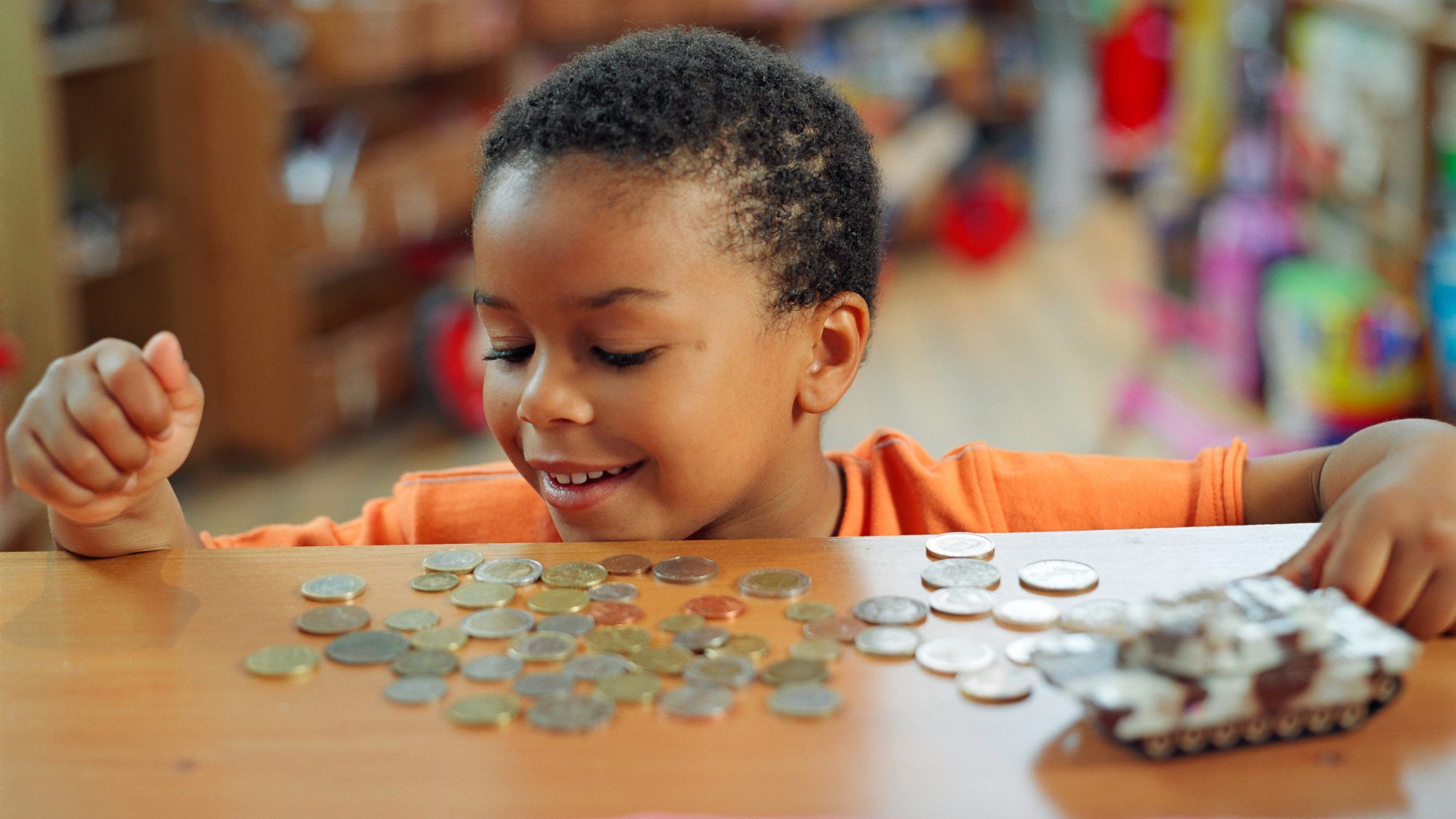
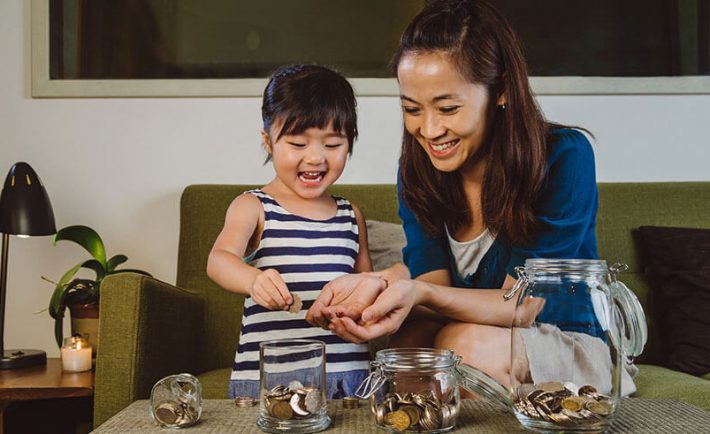
a child smiling at the coins he saved

Image Credits: realsimple.com

One of the best ways to teach kids about money is to help them set financial goals. This could be anything from saving up for a new video game to putting away money for a university fund.

The key is to make the goals realistic and achievable. You don’t want to set your child up for disappointment by telling them they need to save up to $100,000 for a new car when they’re only 10 years old.

Start small and work your way up. Break down the destination into smaller steps, and make a plan of action that outlines how your child can reach their goal. Offer support and encouragement, and celebrate each accomplishment along the way.

Encourage kids to make mistakes with play money

You don’t want your kids to grow up making the same mistakes you did with your money, so what can you do? Encourage them to make mistakes—with play money, that is.

When they’re young, give them a bunch of fake money and let them experiment. Let them figure out how to save and how to spend, and how to make the right choices when it comes to their finances. It’s a safe way for them to learn, and it’s a lot of fun too.

Plus, it will teach them about responsibility. When they’re handling real money, they will be more careful with it because they know the consequences of making mistakes. So start early and let your kids learn about money in a fun and safe environment.

You’re not alone if you’re not great when it comes to money, but that doesn’t mean you can’t teach your kids how to handle their finances. Start by setting a good example yourself. Show your kids that you’re working hard and being responsible with your money. Then, talk to them about money. Explain what it is, how it works, and why it’s necessary to be smart with it. Finally, give them some hands-on experience with money. Help them open a savings account, or have them do chores in exchange for cash. By teaching them about money from an early age, you can help them avoid common financial mistakes in the future.


Read More...

Parent-child communication: Why it matters and how to do it right

father and children communicating over breakfast

When it comes to family communication, there’s no relationship more substantial than the one between parents and their children.

Good communication helps kids feel loved and supported, while poor communication can damage the relationship and have long-term consequences.

But how do you talk to your child so they will listen? Let’s explore some essential aspects of parent-child communication and provide tips to make it work.

The importance of effective communication with your child

When it comes to parenting, communication is key. You need to be able to talk to your child in a way that they will understand, and you also need to be able to listen to them.

It’s not always easy to do this, especially when you’re feeling overwhelmed or frustrated. But it’s wise to make the effort because a strong communication bond is a foundation for a healthy relationship with your child.

Avoid lectures

Lectures make kids feel like they’re being scolded, which will not help you connect with them. What you want to do is engage them in a conversation. Ask them questions about what they’re thinking and feeling. Let them know that you’re interested in their thoughts and feelings and that you want to understand the specific actions behind their behaviors.

Listen to your child
a mum lecturing her child

Image Credits: cnbc.com

Don’t just wait for your turn to talk, or try to jump in with solutions to their problems. Let them share their thoughts and feelings, and give them your undivided attention.

When kids feel like they’re being listened to, they’re more likely to listen to you in return. So take the time to talk to your child, and don’t just preach the moment your eyes meet. It will make a world of difference in your relationship.

This is a skill that takes time and practice to master, but it’s worth the effort. When you show your child that you’re interested in what they have to say, they will be more likely to open up to you and trust you with their innermost thoughts and feelings.

Find common ground

So how do you find that common ground? It can be something as simple as sharing a hobby or interest you have in common. Or it can be something you talk about regularly, like school or sports.

No matter what, it’s necessary to find something you can agree on and discuss. That way, you can build a strong foundation for your relationship and trust will start to develop. Plus, it just makes conversations a lot more enjoyable when you have something to discuss that you’re both immersed in.

Use questions to encourage talking

Ask open-ended questions that can’t be answered with a simple yes or no. For example, “What do you think about that?” or “How do you feel about that?” By getting your child to talk, you’re showing them that you’re keen on their opinions. And that’s the first step in creating a two-way connection.

Talking to your child is one of the most fundamental things you can help them learn to express themselves and build relationships. We have discussed why communication is so crucial, and have given you some tips on how to talk to your child so they will listen. Make sure to have regular chatters with your child, and don’t be afraid to ask them questions about their day. Listen attentively when they talk to you and give them your undivided attention. Showing that you care about what they have to say is one of the most pleasing things you can do as a parent.

Read More...

Can’t agree with your spouse’s spending habits? Here’s what to do

a woman with shopping bags

You and your spouse can’t seem to agree on anything when it comes to spending money. You want to save for the future, but your spouse wants to enjoy life now. What do you do?

There’s no straightforward answer, but it’s crucial to take some time to figure out what’s important to you both. Maybe you can compromise by saving a little bit each month, or by scaling back on other expenses so you can put more money towards your savings.

Whatever you do, don’t ignore the issue. It will only get worse over time. Talk to your spouse and try to find a solution that works for both of you.

Have a conversation about their spending habits

You need to have a conversation with your spouse about their spending habits. You can’t just keep silent and hope that things will change. Be honest with each other and open about the family’s financial situation.

Come up with a plan together that will help you both stay within your budget. If needed, you can also seek the help of a financial advisor to get both of you guys on track. Start being transparent with each other and take small steps to fix the problem.

Set a budget that you both can agree on

You both agree that you need to set a budget, but you can’t seem to agree on how much money you should be spending each month. You want to be frugal, while your spouse wants to live a little more extravagantly.

How can you compromise? Well, one way to compromise is by setting a budget that’s somewhere in the middle. This way, you’re both getting what you want, and you won’t be fighting unnecessarily about money anymore. Win-win!

Understand their spending triggers
a toy cart with miniature shopping bags and boxes

Image Credits: africa.businessinsider.com

If you can’t seem to agree with your spouse’s spending habits, it’s necessary to take a step back and understand what’s driving that behavior. For example, is your spouse constantly spending money because they’re stressed? Or are they trying to compensate for something they feel insecure about?

Once you understand what’s triggering the spending, you can start working on solutions together. Maybe that means finding different ways to deal with stress or communicating more openly about money. But it’s going to take some effort from both of you to get on the same page. So don’t be afraid to have more conversations—it could be the key to a more financially secure future for both of you.

Manage your expectations

This means that you can’t constantly be nagging them about the money they’re spending—that’s only going to put more stress on the relationship. Instead, try to discuss it. 

Agree on how much money each of you is allowed to spend without asking the other for permission. And try not to get too hung up on the small stuff. At the end of the day, you’re going to have to learn to live with your spouse’s spending habits—or, at the very least, learn to endure the situation.

Build up your savings

Ultimately, if you and your spouse can’t seem to agree on how to handle your finances, it’s time to start building up your savings. That way, you will have a cushion to fall back on if things get tough. Start by setting a budget and sticking to it. Track where every penny goes, so you have a clear understanding of where your money is being spent.

When you and your spouse can’t agree on spending habits, it’s wise to sit down and talk about it. Come up with a budget that works for both of you, and stick to it. If you’re feeling overwhelmed, take it one step at a time. Tackle the biggest expenses first, and work your way down. There will be times when you will have to make tough decisions, but remember that it’s good to compromise and put yourselves in each other’s shoes. With a little bit of effort, you can create a healthy financial future for yourself and your family.

Read More...

How gaming can improve your memory, focus, and problem-solving skills

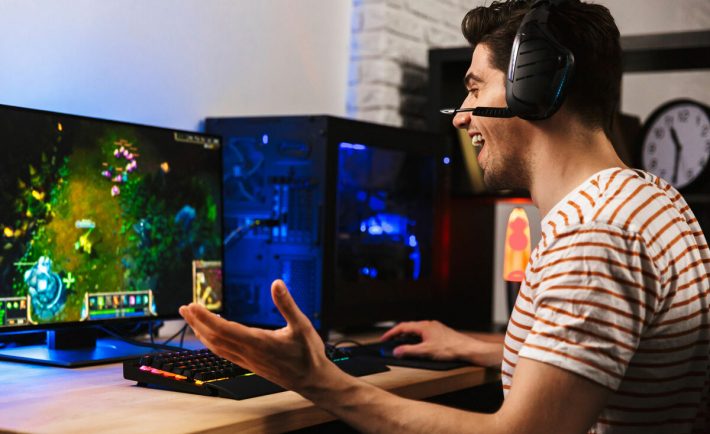
a guy playing video games

You may have heard that excessive gaming is bad for you, but did you know that it can be good for your brain when played in moderation? It’s true! In fact, studies have shown that gaming can even have a positive impact on the development of the brain.

So if you’re looking for ways to strengthen your brain, gaming may be a good option for you. In this post, we will discuss the benefits of gaming and how you can use them to improve your memory, focus, and problem-solving skills.

Can gaming make you smarter?

Yes, to a certain extent. One study found that surgeons who play video games make fewer mistakes during surgery. And another study showed that children who played video games regularly had better attention spans and were more able to focus on tasks.

Are there any risks to playing too much?

You might be wondering if there are any risks to playing too much. Well, it depends. Like anything else, gaming in moderation is perfectly fine. However, if you’re spending hours upon hours in front of the screen, that’s when you might start to experience some negative effects. Too much gaming can lead to problems with socializing, sleeping, and studying.

What are the benefits of gaming for the brain?

Gamers often get a bad rap, but the truth is that, when you’re playing a game, your brain is constantly working to figure out the puzzle or problem in front of you. This requires focus and concentration, and over time, it can help strengthen these skills and beyond.

In addition, gaming can also help improve your hand-eye coordination and reaction time. This is because when you’re playing a game, you’re constantly responding to what’s happening on the screen. And the more you do this, the faster and more accurately your brain will answer in return.

How can gaming help with dementia and Alzheimer’s?
playing a video soccer game

Image Credits: motion4lifefitness.com

It’s no secret that gaming can be addictive. But what you may not know is that gaming can be advantageous in the treatment of dementia and Alzheimer’s.

One theory is that gaming helps to stimulate the brain, which in turn helps to improve cognitive function. Another theory is that gaming helps to enhance brain connectivity, which can help to slow the progression of dementia and Alzheimer’s. Either way, gaming can have a favorable effect on the brain.

In summary, gaming can help improve your memory, focus, and problem-solving skills. It’s been proven that gaming can have a positive impact on the brain – but only if it’s done in restraint. So, if you’re looking for ways to help strengthen your brain, gaming is a great option. Just be sure to avoid overindulging, and you will reap the benefits of a sharper mind.

Read More...

The importance of good sportsmanship and how to teach it to your kids

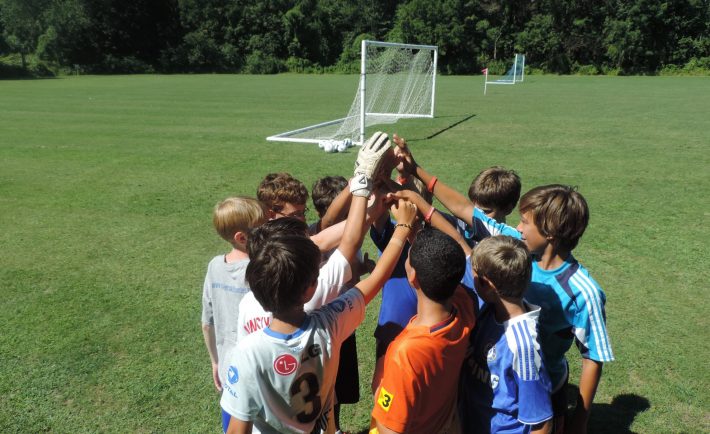
children showing sportsmanship

As a parent, you want your kids to win by playing fair. You want them to learn the essence of good sportsmanship and treat their opponents with respect, even when they lose.

But how do you teach your kids this crucial concept? Well, in this post, allow us to provide some practical tips on how to teach your kids about good sportsmanship, and share with you more about why it’s so important.

The definition of good sportsmanship

Let’s start with the basics. What is good sportsmanship, anyway? It can be summed up with one simple phrase: playing by the rules. Good sportsmanship also means being a good sport, both on and off the playing field. It means congratulating the other team when you lose and accepting defeat graciously.

Why good sportsmanship is important

So your kid loves playing sports? That’s outstanding! But as responsible parents, it’s vital to teach them the value of good sportsmanship. Sports provide a great opportunity for kids to learn significant life lessons, like how to handle defeat and how to be a worthy winner. Teaching your kids good sportsmanship will help them develop into adults who are respected by their peers and seniors.

Tips for teaching good sportsmanship to kids
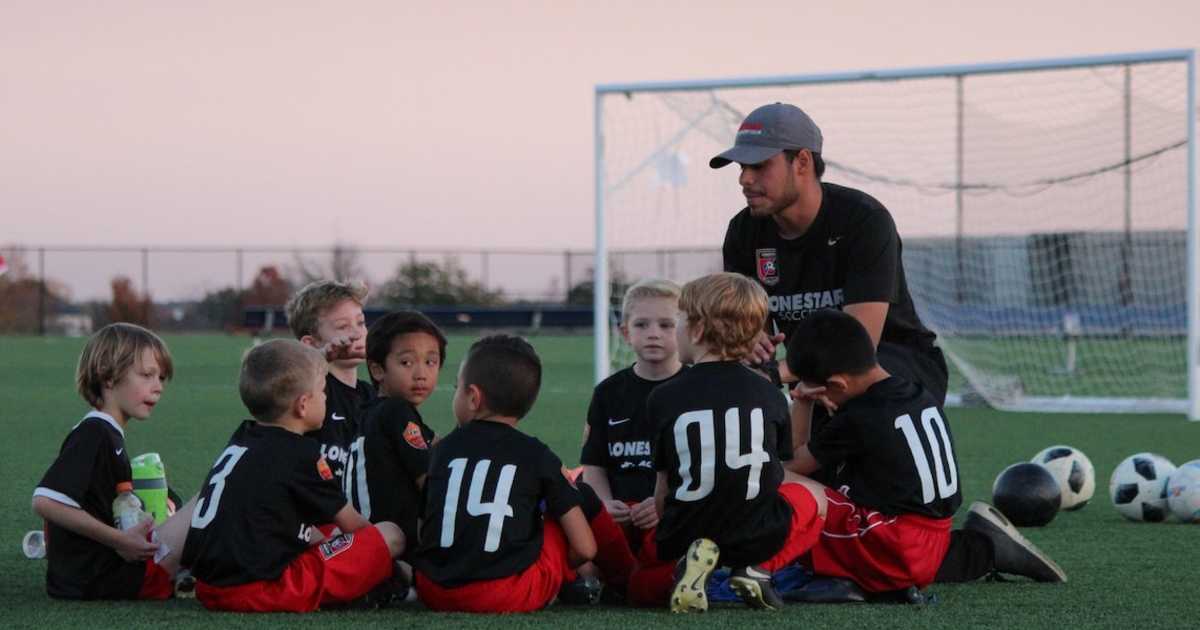
talking to kids about sportsmanship

Image Credits: jerseywatch.com

Now that you know the significance of good sportsmanship, here are a few suggestions for teaching it:

  • Instill a sense of respect for opponents. Teach your kids that everyone deserves respect, regardless of whether they’re on the same team or not.
  • Explain the difference between winning and losing. Show your kids that it’s more meaningful to be a good sport no matter what the outcome of the game is.
  • Teach them how to be gracious in victory and defeat. Make sure they know how to congratulate the other team when they win and how to accept defeat graciously.
What are some ways to model good sportsmanship?

One of the best ways to introduce good sportsmanship is to model it yourself. Kids look up to their parents and they want to emulate the things they see adults do.

So if you want your kids to behave graciously in a sporting contest, make sure you act appropriately. Applaud the other team when they score, or offer a hand up when someone falls. Congratulate the opposing player when they make a good play, even after your team loses.

Remember, good sportsmanship is about being fair and generous towards your opponents. It’s about having respect for the game and for the people you’re playing against. So make sure you show that respect, both on and off the field.

It’s necessary to teach your kids about good sportsmanship because that’s the kind of behavior that will make them successful in any vocation they choose to pursue. It takes practice and repetition, but with a little bit of effort, you can help your kids learn how to be both winners and losers, and to treat their opponents with respect all the time.

Read More...