Carousell Luxury Launches Pre-Loved Designer Boutique on Orchard Road

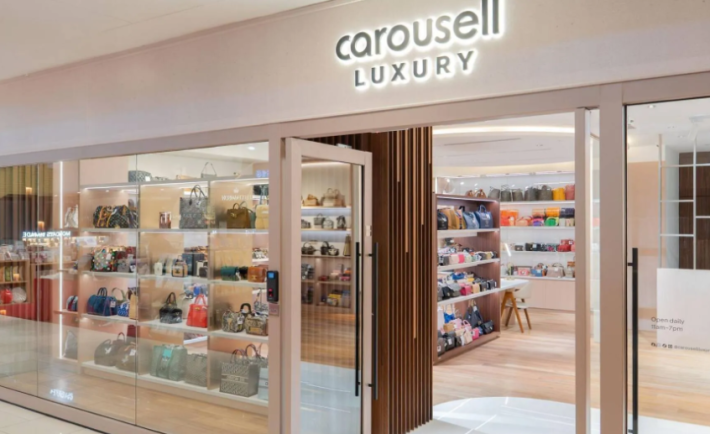
Home-grown online marketplace Carousell Group is stepping further into the world of luxury with the opening of Carousell Luxury, its first branded retail store for pre-loved or second-hand designer handbags, located in the heart of Orchard Road.

The 1,400-square-foot boutique at The Centrepoint officially opened last September 23, 2025. Inside, shoppers will find an elegant collection of pre-loved handbags, wallets, pouches, and scarves from coveted labels such as Louis Vuitton, Chanel, Hermes, and Yves Saint Laurent.

Carousell Group already operates LuxLexicon, a high-end resale platform it acquired in 2024 that focuses on designer bags and luxury watches, with a physical outlet at Palais Renaissance, also along Orchard Road. I recently shopped on LuxLexicon’s website and purchased a Gucci GG Marmont Mini Blue Crossbody Bag in excellent condition (i.e., free of visible flaws), for S$650 plus a S$15 local delivery fee. The price point felt more than fair, given the piece’s pristine condition and the enduring heritage of the Gucci brand.

According to Tresor Anne Tan, Carousell Group’s director of client relations, the new store reflects a shift in consumer behavior toward mindful luxury spending. Buyers are paying less for items that would otherwise cost double or triple in the brands’ boutiques. “Many are pleasantly surprised by how pristine these pre-owned bags are, often in near-new condition,” she said.
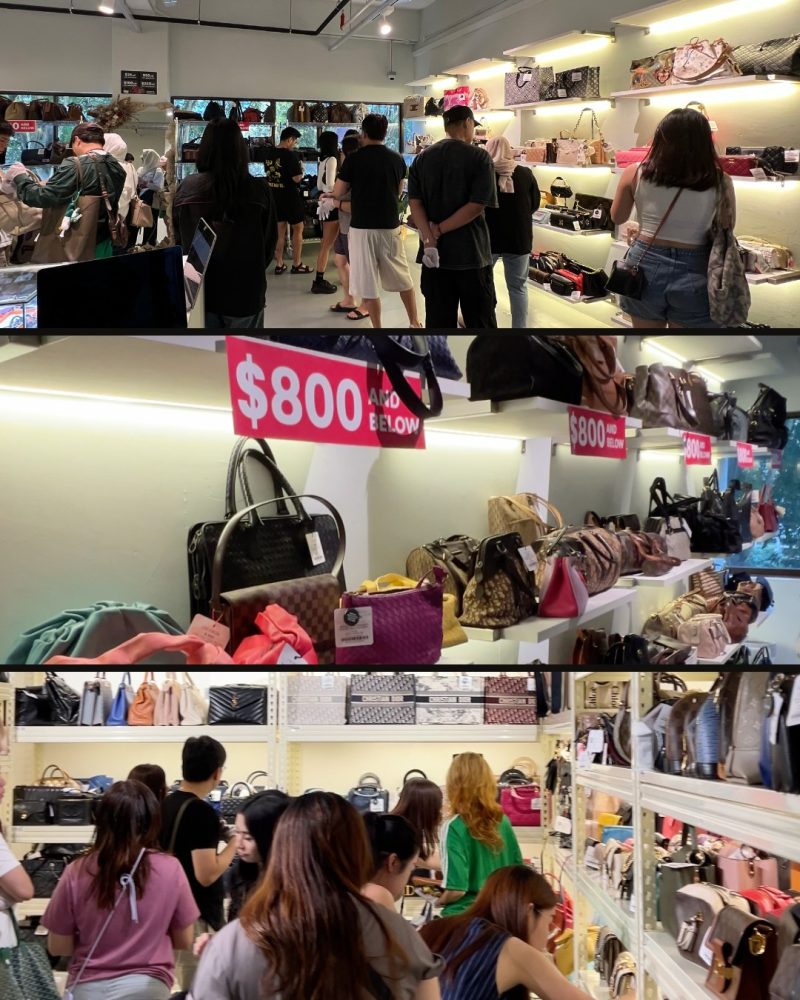
Image Credits:
facebook.com/carousellluxury

Each item goes through a meticulous authentication process by a five-member team of professional appraisers who verify every detail, from materials and stitching to embossing and hardware.

For sellers, Carousell Luxury uses a net-earnings consignment model, meaning consignors know exactly how much they will take home once their item sells. Prices are aligned with current market rates, while Carousell takes a 25% to 30% commission to cover in-store operations, marketing, and professional product photography.

Prices for handbags start at around S$800, with highly sought-after pieces such as the Chanel Wenge Wood Vanity, Louis Vuitton x Yayoi Kusama OnTheGo, and limited-edition Dior Saddle Bag featured in the lineup. Personally,

Have a luxury bag gathering dust at home? Carousell Luxury’s trade-in, consignment, and buy-out programs offer a quick way to turn those treasures into cash, with valuation done in as little as ten minutes.

Image Credits:
facebook.com/carousellluxury

Carousell Luxury is located on the first floor of The Centrepoint and is open daily from 11 a.m. to 7 p.m. Stay updated with every drop on Instagram: @carousellluxury.

Sources: 1 & 2


Read More...

Commutes Adjust as Public Transport Costs Rise 5% From Dec 27

Starting December 27, public transport fares will rise by 5%, marking the third straight year of adjustments. Adult commuters will pay 9 or 10 cents more per trip depending on distance, while concessionary passengers such as seniors, students, and low-wage workers will see smaller increases of 3 or 4 cents.

The Public Transport Council (PTC) announced the revision on October 14, describing it as a careful response to rising energy and manpower costs while keeping fares affordable. Although this follows higher hikes of 6% in 2024 and 7% in 2023, the latest increase is viewed as a more measured step to balance cost pressures with public interest.

Image Credits: unsplash.com

To soften the impact on frequent riders, the PTC will lower monthly travel pass prices. From December 27, adults will pay S$122 instead of S$128, seniors and persons with disabilities S$55 instead of S$58, and low-wage workers S$92 instead of S$96. About 155,000 commuters are expected to benefit from these reductions, helping offset the fare increase for regular users.

Additional relief will come through S$60 public transport vouchers provided by the government to households earning up to S$1,800 per person monthly. Eligible households can redeem these vouchers via the SimplyGo app or at designated kiosks and service centers beginning December 29.

Image Credits: unsplash.com

Beyond fare changes, the PTC is also updating how future adjustments are calculated. Instead of relying on data from the previous calendar year, future reviews will assess energy prices, wages, and other cost factors from the 12 months leading up to June of the review year. This shift aims to make fare adjustments more responsive to real-time economic conditions and reduce delays between cost changes and fare updates.

Transport operators SBS Transit Rail and SMRT Trains had sought a 14.4% increase to cover rising maintenance and labor expenses. The PTC approved only a 5% adjustment but required both operators to contribute 20% of their additional fare revenue (i.e., about S$10.6 million combined) to the Public Transport Fund, which helps cushion fare hikes for lower-income households.

Image Credits: unsplash.com

Meanwhile, express bus fares will rise slightly to reflect higher operating costs, while short-distance concessionary trips of up to 3.2 kilometers will remain unchanged. This move benefits passengers who rely on short daily commutes to schools, workplaces, and community amenities.

The fare review highlights a recurring challenge of keeping the transport system financially sustainable while easing the burden on daily commuters. Though the increase may seem modest, it reflects a broader effort to sustain efficiency and affordability in one of the region’s most advanced public transport networks.

Sources: 1 & 2


Read More...

How to Start Investing in Gold in Singapore

There is something undeniably alluring about gold. Beyond its gleam and grandeur, gold carries a timeless quality, a tangible piece of wealth that transcends generations. Whether worn as jewelry or stored as bullion, it is an asset that often endures when markets falter. But for those looking to begin investing in gold in Singapore, the questions remain: Where should you start? Should you buy gold bars or gold jewelry, and which form truly protects you against inflation?

Gold’s enduring appeal lies in its reputation as a safe haven. When uncertainty shakes the global economy, as seen during the 2008 financial crisis or the COVID-19 pandemic, investors frequently turn to gold to preserve value. It is the metal that shines brightest when confidence in currencies fades.

One of the most traditional ways to invest in gold is by purchasing physical bullion, which refers to investment-grade gold in the form of bars, coins, or ingots. Each bar typically bears the stamp of its manufacturer along with its weight and purity, usually 99.5 percent or higher. Coins, on the other hand, often carry artistic engravings or collector value that can push prices above the metal’s intrinsic worth. In Singapore, buying bullion comes with a tax advantage because gold that qualifies as an Investment Precious Metal (IPM) is exempt from the Goods and Services Tax (GST). Reputable sellers include UOB Gold Bullion, BullionStar, and GoldSilver Central.

Gold jewelry offers another route, though it is not quite the same as investing in pure gold. Jewelry comes with added costs such as craftsmanship, branding, and design premiums, which dilute its value as an investment asset. It can still serve as a portable store of wealth, but it is not GST-exempt and should not be mistaken for a direct hedge against inflation.

Image Credits: unsplash.com

For investors seeking something more dynamic, gold can also be approached as a currency-linked investment. Some structured products allow you to treat gold as a tradable currency known by its code XAU. In this setup, you agree on an investment term, a base currency such as USD or SGD, and a target conversion rate. Depending on gold’s performance against your chosen currency, your returns may be paid in cash or in gold itself. The potential for higher yields makes this approach attractive to those comfortable with some risk and the idea of being repaid in ounces rather than dollars.

If you prefer not to store or insure physical gold, exchange-traded funds (ETFs) and unit trusts offer a more accessible alternative. These funds mirror gold’s market performance without requiring you to hold the metal. ETFs tend to passively track gold prices, while unit trusts are actively managed by professionals who buy and sell gold-related assets on your behalf. They trade easily on the stock exchange, making them a flexible and liquid way to diversify your portfolio. Still, investors should review management fees and ensure that the fund is operated by a reputable institution.

Another indirect approach is through gold mining stocks. Companies such as Barrick Gold (GOLD) and Newmont Corporation (NEM) give investors exposure to the gold industry without owning the physical commodity. Their share prices often move in tandem with gold’s market value, though management quality, operational efficiency, and geopolitical risks can introduce additional volatility.

Should you buy gold in Singapore? Absolutely, but with a clear understanding of what you are buying and why. Gold can act as an anchor in turbulent times, a hedge against inflation, and a stabilizing force in a diversified portfolio. Yet it is not without its challenges. Physical gold lacks liquidity compared to ETFs or stocks, and its price can swing sharply in response to economic shifts.

Ultimately, investing in gold is about balance. It is not meant to replace other assets but to complement them, serving as a steady counterweight when markets stumble. In a world of uncertainty, gold remains one of the few investments that appeals as much to the heart as to the head, a rare blend of beauty and financial resilience.

Image Credits: unsplash.com

Disclaimer: This article is for general information only. Readers should research gold investments in Singapore and seek professional advice before investing. Remember that gold is best viewed as a way to diversify a portfolio, not as the sole safeguard for wealth.

Sources: 1 & 2


Read More...

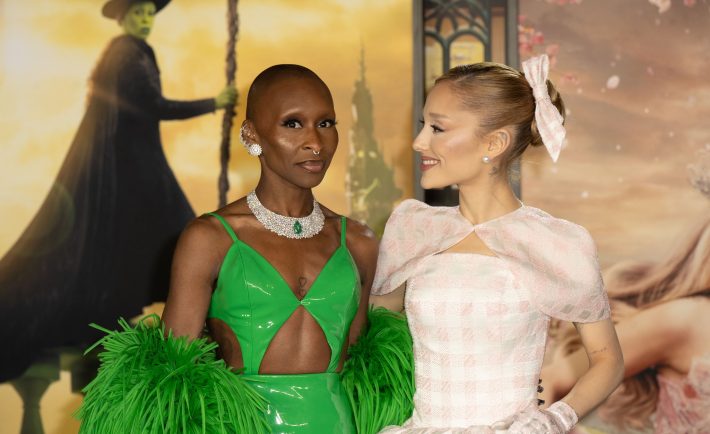
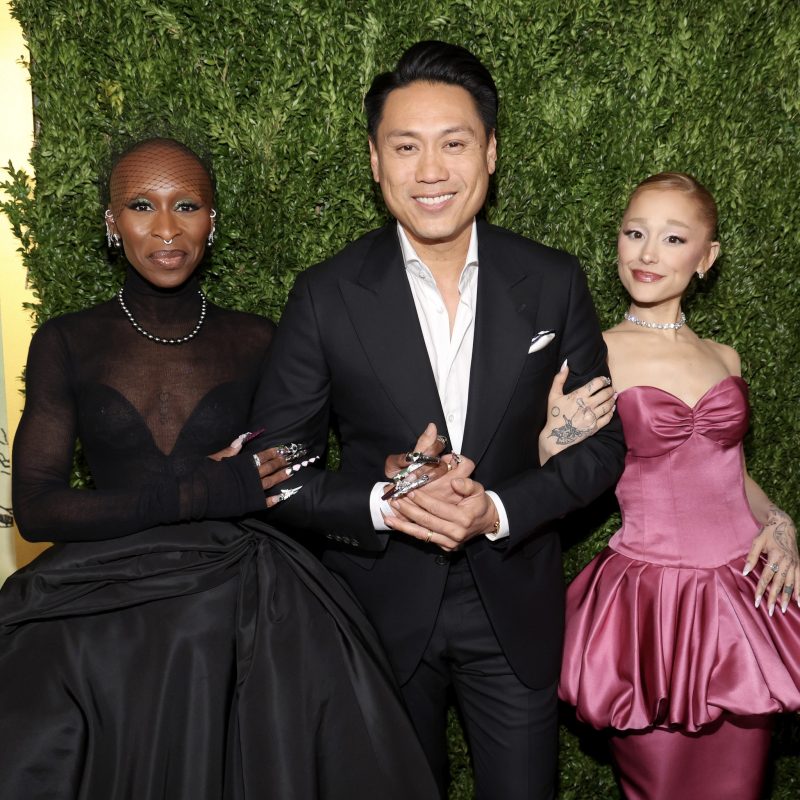
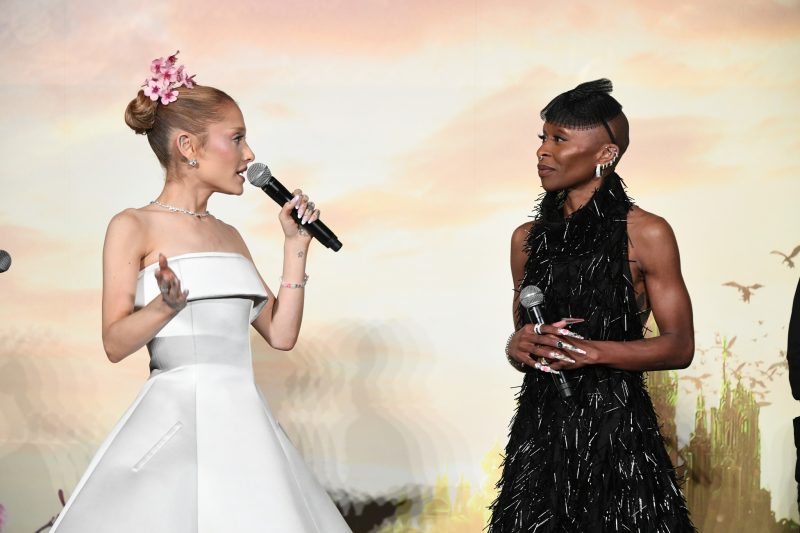
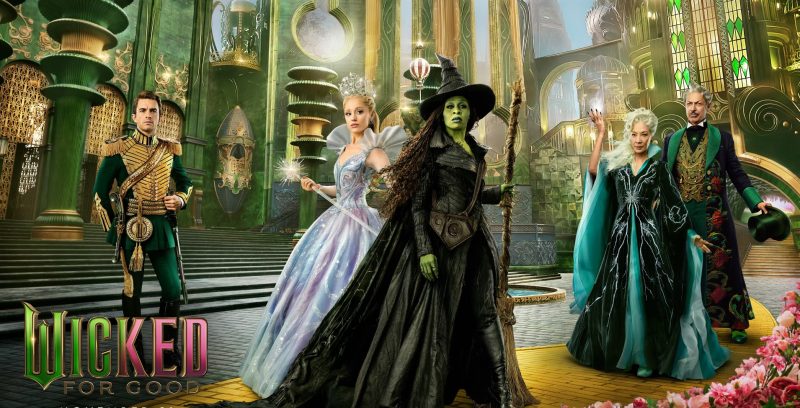
Ariana Grande & Cynthia Erivo Lead Wicked: For Good’s Singapore Premiere on Nov 13

Wicked fans, mark your calendars. On November 13, 2025, Singapore will turn emerald green as the Lion City hosts the Asia-Pacific premiere of Wicked: For Good, the much-anticipated sequel to the global hit musical film Wicked. The exclusive event will take place at Universal Studios Singapore (USS) in Resorts World Sentosa (RWS), marking a milestone moment for the region’s entertainment landscape.

Singapore stands out as the only Asian stop on the film’s international promotional tour, joining an elite lineup of cities including São Paulo, Paris, London, and New York.

Image Credits: facebook.com/wickedmovie

Leading the star-studded cast are Ariana Grande and Cynthia Erivo, who reprise their iconic roles as Glinda and Elphaba. They will be joined by Academy Award winner Michelle Yeoh, Hollywood legend Jeff Goldblum, and director Jon M. Chu, celebrated for his work on Crazy Rich Asians and In the Heights.

The celebration will begin with a special handprint ceremony, followed by the Asia-Pacific premiere screening at the Pantages Hollywood Theatre in USS. Guests can look forward to an exclusive gathering at Weave, the newly launched lifestyle and community hub of Resorts World Sentosa, which provides a fitting setting for this fusion of Hollywood glamour and Singaporean sophistication.

Image Credits: facebook.com/wickedmovie

Beyond the red carpet, the premiere represents a significant achievement for Singapore’s entertainment and tourism industries. As regional travel continues to recover, hosting one of Hollywood’s most beloved musical franchises reinforces Singapore’s reputation as a premier destination for experiential and world-class events. For Resorts World Sentosa, it also highlights a growing emphasis on immersive storytelling and entertainment-driven tourism.

Special tickets for the USS Premiere Day on November 13 are priced from S$93 for adults and S$72 for children, offering fans a rare opportunity to walk the yellow carpet alongside the cast. For Universal Studios Singapore, the premiere serves as both a marketing triumph and a renewed invitation for guests to rediscover Sentosa’s signature mix of leisure and spectacle.

Following the event, Wicked: For Good will open in local cinemas on November 20, 2025. Industry observers expect the film to set new box office records across Asia. With its timeless themes of friendship, ambition, and redemption, along with a soundtrack already evoking nostalgia, the film is set to enchant a new generation while reviving the cultural and economic magic of the Wicked legacy.

Image Credits: facebook.com/wickedmovie

As Glinda once said, “Happy is what happens when all your dreams come true.” That dream takes center stage on November 13, when Wicked arrives and the city shines in shades of green.

Sources: 1 & 2

Read More...

Money Talks Every Couple Must Have Before Marriage

Money is more than dollars and cents. In marriage, it reflects values, priorities, and shared dreams. With rising costs of homes, cars and childcare, financial compatibility is a necessity. Love may be blind, but bank accounts are not.

Before stepping into marriage, it is critical to put everything on the table. Debts, assets, income, and even the less glamorous realities such as credit card balances or study loans should be disclosed openly. It may feel uncomfortable at first, but transparency is the foundation of trust.

Imagine planning for a BTO down payment only to discover hidden liabilities later. The fallout can fracture not just finances but also the sense of partnership. Equally important is understanding how each partner treats money. One may be a saver who carefully monitors every dollar while the other could see money as a tool for indulgence. Neither is inherently wrong, but a lack of alignment often leads to friction. Recognizing these patterns early allows couples to assess whether their financial goals truly complement each other.

Image Credits: unsplash.com

Once married, the financial conversation evolves. Couples must establish a joint budget that covers fixed commitments such as rent or mortgage, insurance premiums, and car payments. These are the essential expenses that keep a household running. Beyond that, couples also need to navigate variable costs like groceries or utilities and decide how to handle discretionary indulgences. Whether that is a weekend brunch at Dempsey Hill or a spontaneous trip to Bali. The key lies in creating an arrangement that feels fair. Some couples prefer to pool all resources into a shared account, while others split expenses equally or contribute proportionally based on income. What matters is that both partners feel respected in the chosen structure.

Not everything in a marriage’s financial life should be rigid. There is always room for negotiation. For example, while saving for retirement may be non-negotiable, the exact amount put aside each month can be adjusted according to changing circumstances (e.g., job transition or the arrival of children). This balance makes it possible for couples to thrive without feeling suffocated by financial rules.

Image Credits: unsplash.com

At the heart of these conversations lies something deeper than money itself: values. Respect is the bedrock of every healthy relationship, especially when disagreements arise. Respect does not mean uniformity, it means acknowledging and accepting differences without harsh judgment or attempts at control. Trust, too, is indispensable. It reassures both partners that financial decisions are made with the family’s best interest in mind, not hidden agendas or self serving motives. Finally, honest communication weaves everything together.

As psychologist Dr. John Gottman has long emphasized, couples who communicate openly, who share their feelings, listen actively, and respond with empathy are far better equipped to handle financial disagreements. Without this, even the most carefully planned budget will crumble under the weight of unspoken frustrations.

Image Credits: unsplash.com

For couples, money conversations are not optional. They are the lifeline of a stable partnership. Love may begin with sparks and chemistry, but enduring marriages are built on shared vision, mutual respect, and a willingness to be transparent about the things that matter most.

Sources: 1 & 2


Read More...